Buying a Replacement Door Here: What Actually Matters
A guide to buying a replacement door in Des Plaines, built around this area's 1960s-70s housing stock and cold-climate wear, not generic shopping advice.
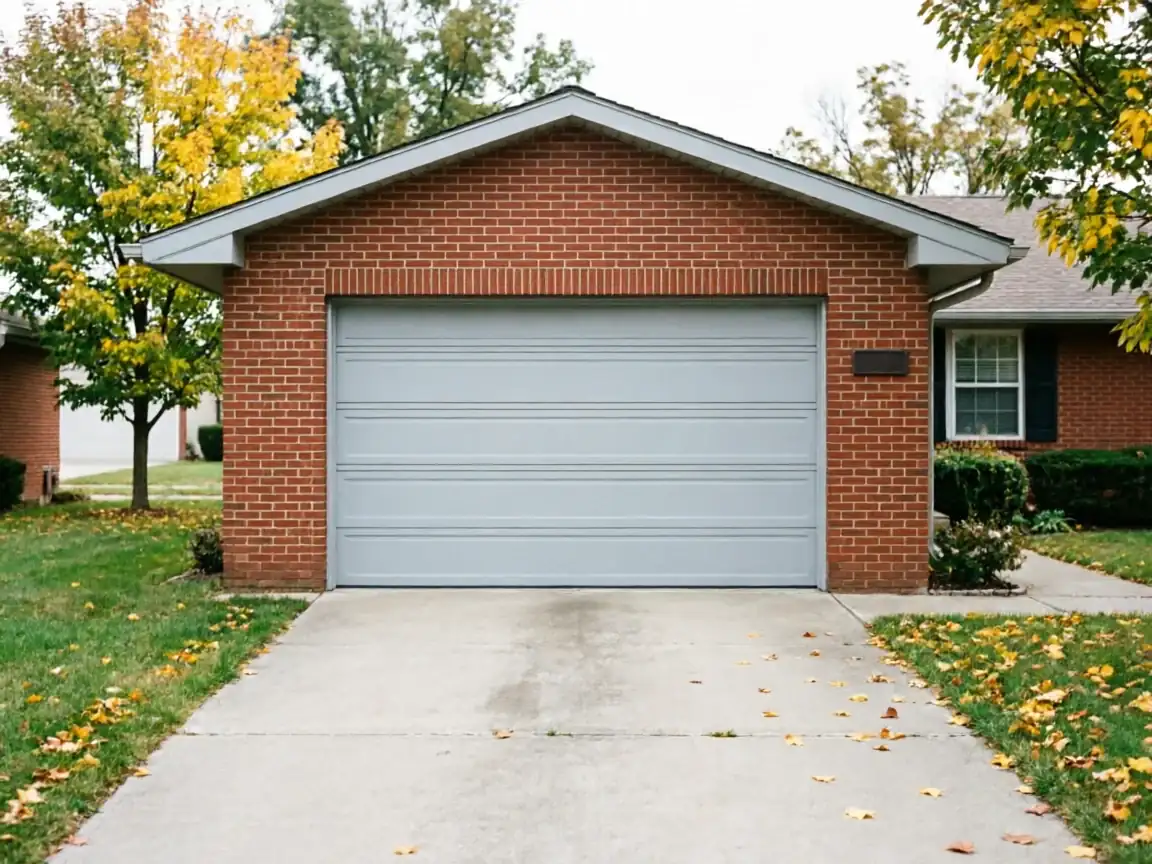
Most houses in this part of the service area went up between 1938 and 1996
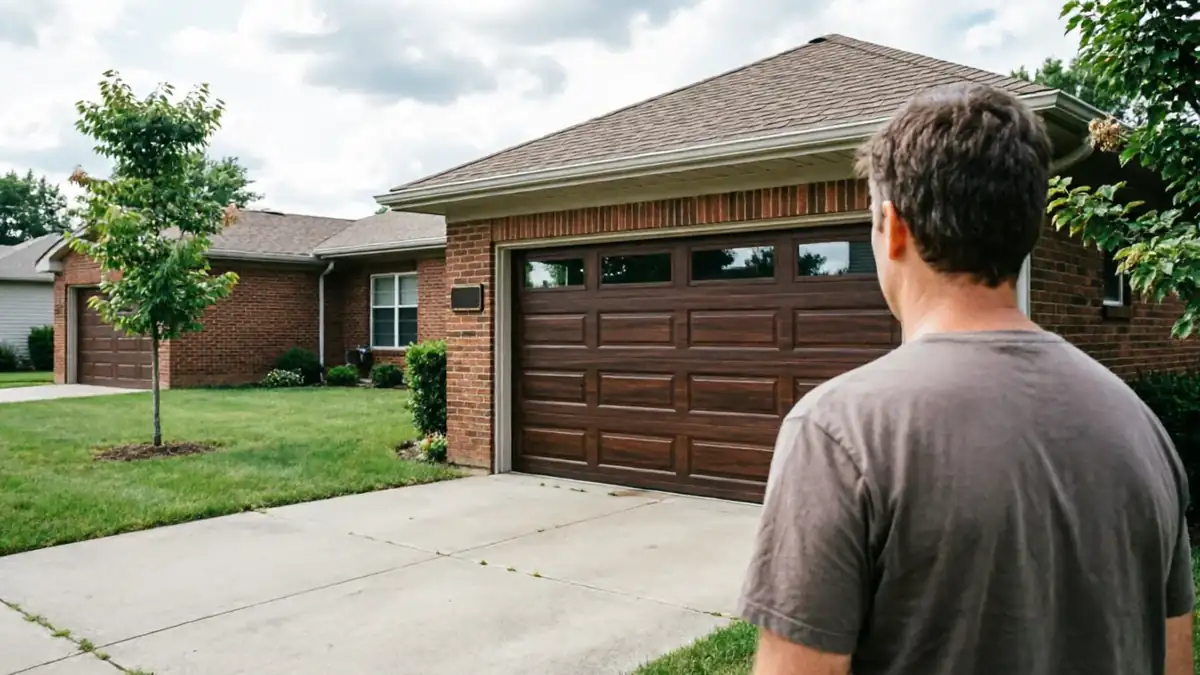
With the bulk clustered in the 1960s and 70s and a median build year around 1972. That matters more than color or panel style when you're picking a new door. A door built to a modern spec has to fit an opening framed fifty-plus years ago, often with jambs that have settled or shifted a quarter inch out of square. We see it constantly across the 87 named areas we work in - a door that measures right on paper but needs shimming or a new jamb liner to seal properly once it's hung.
02
The cold moderate climate band here also shapes the decision
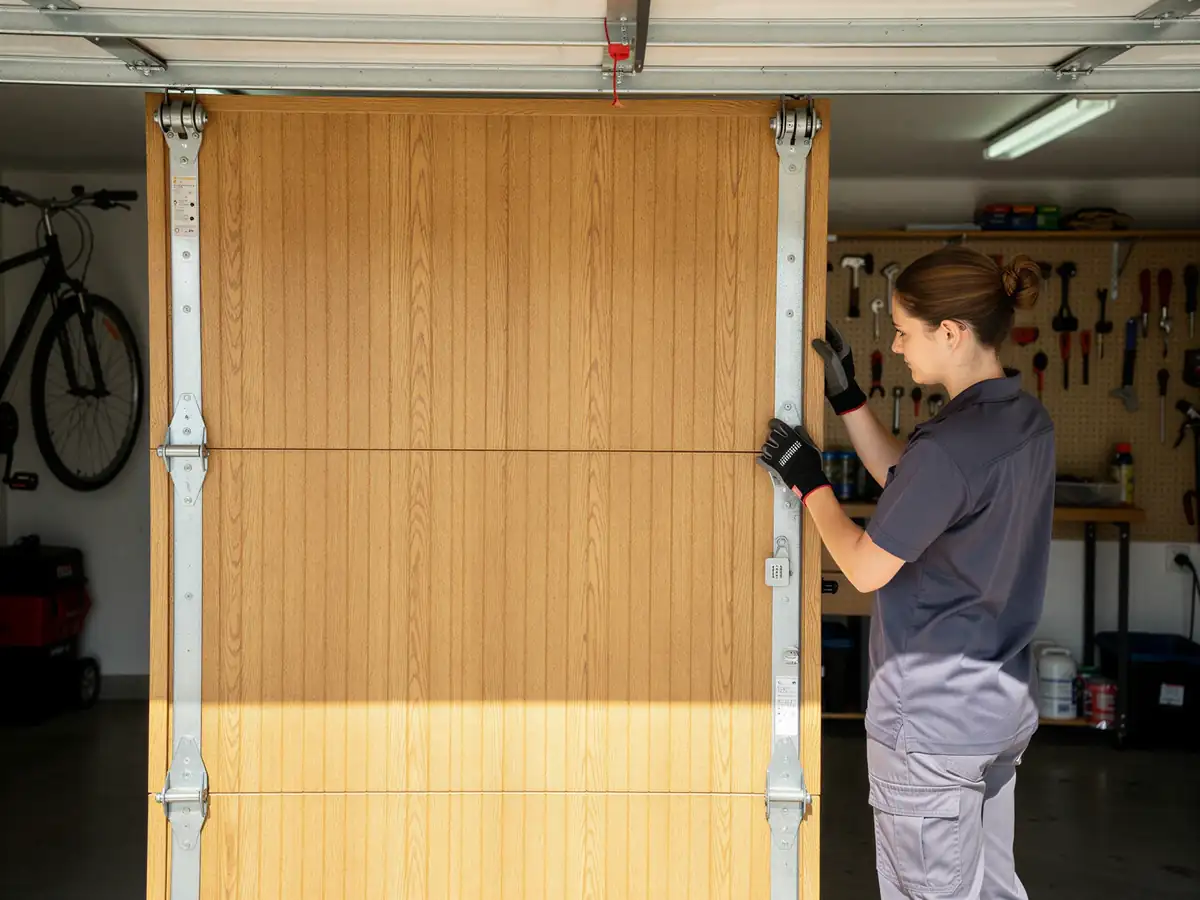
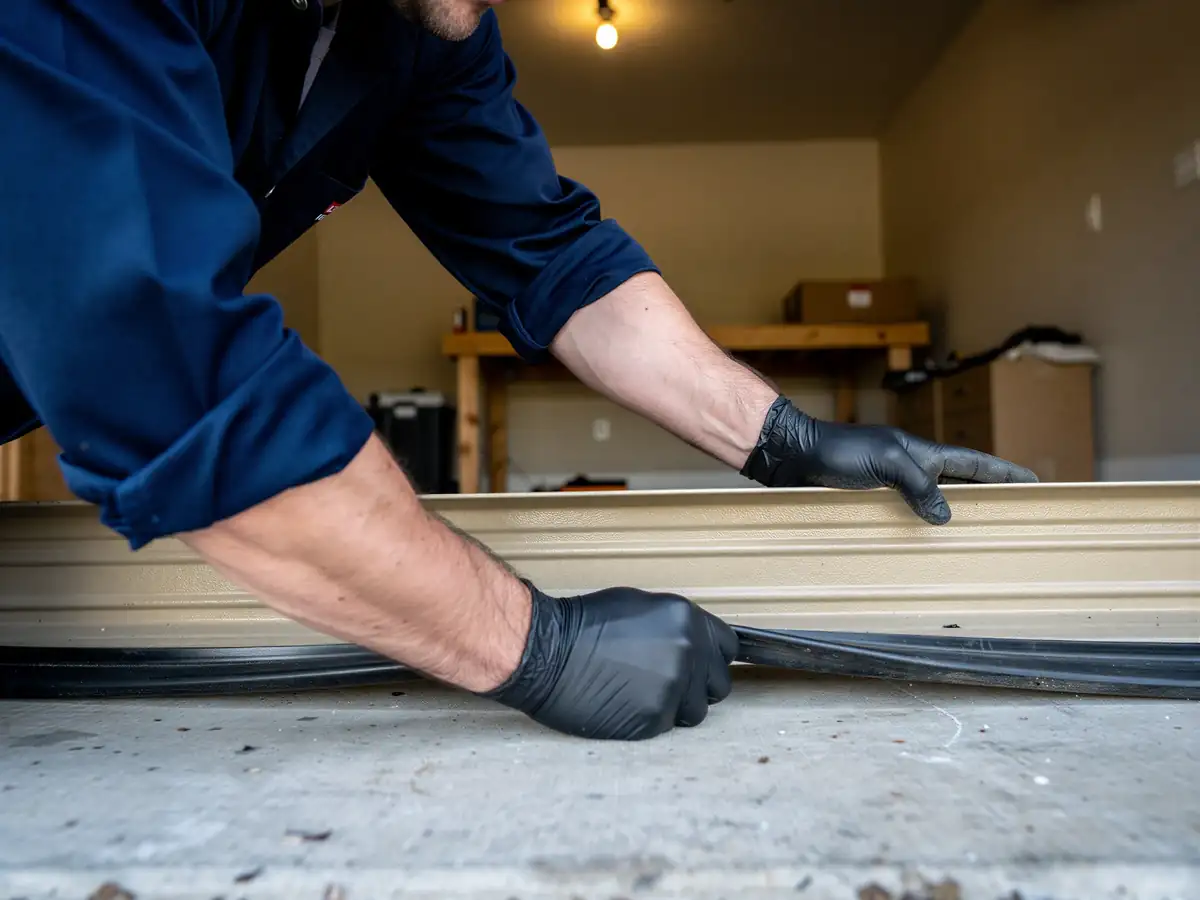
Winters bring enough freeze-thaw cycling that a door with a weak bottom seal or thin insulation will show it - condensation on the inside face, a stiff bottom panel that drags on cold mornings, weatherstripping that cracks by February. If you're replacing a door that's original to a 1960s or 70s build, you're very likely swapping out single-layer steel for an insulated panel, and that changes the track hardware and sometimes the opener mounting too. It's not a straight swap, and anyone telling you it is hasn't looked at the opening yet.
When Waiting Is Fine
Not every door on a house from this era needs replacing just because it's old. If the panels are straight, the springs are matched to the door's actual weight, and the only issue is cosmetic - faded paint, a dented bottom panel from a backed-into car - that's a repair or panel swap, not a full replacement. Waiting is also fine if the door still seals well at the bottom and the opener cycles smoothly; spending money ahead of an actual failure doesn't buy you anything except a line item.
Given the median household income of $103,911 across the service area, a lot of owners here can absorb the cost of a full replacement without much strain, but that doesn't mean it's the right call on a door that's otherwise sound. We'd rather tell you to hold off and spend the money on something that needs it than sell a door that still has years left. The honest answer: if the track is straight, the cables aren't frayed, and the door closes flush without binding, you're fine to wait another season or two.
The Problem
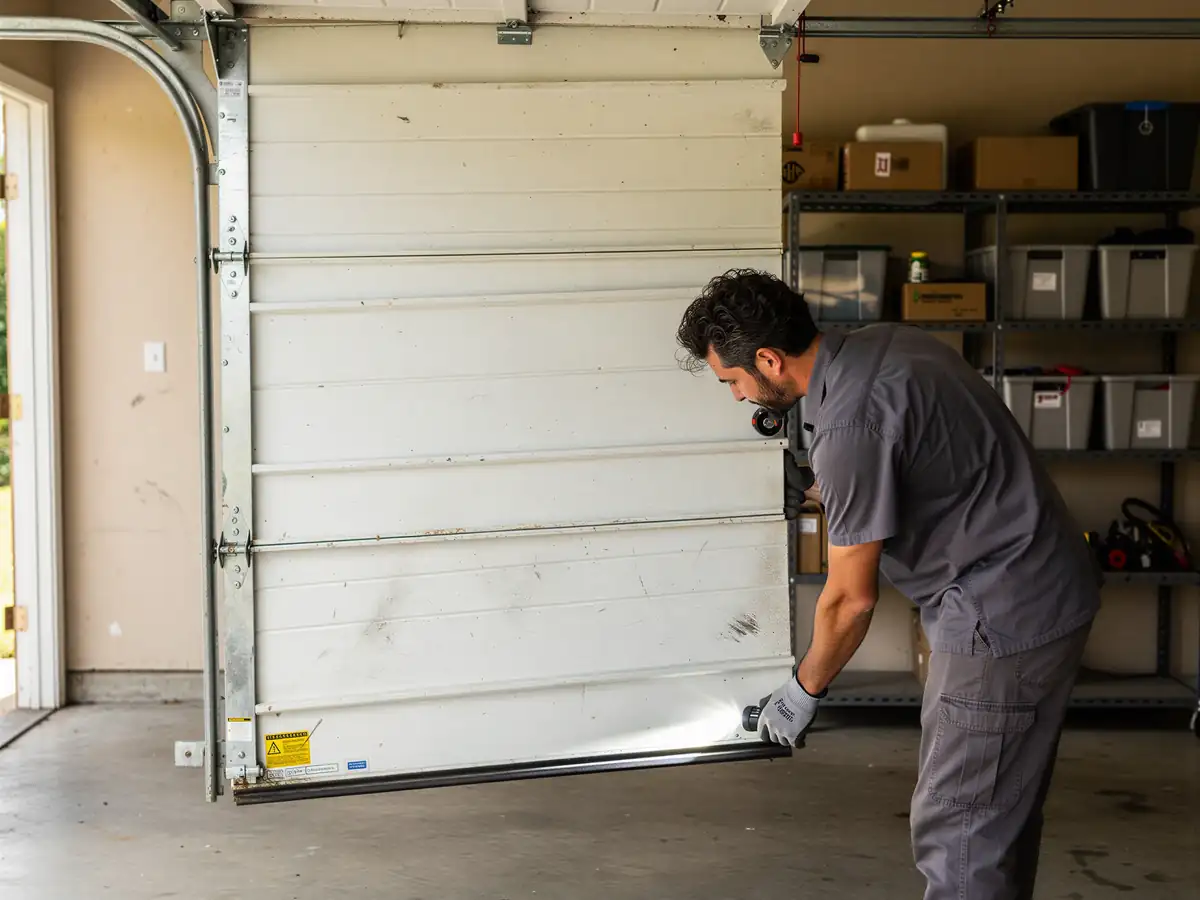
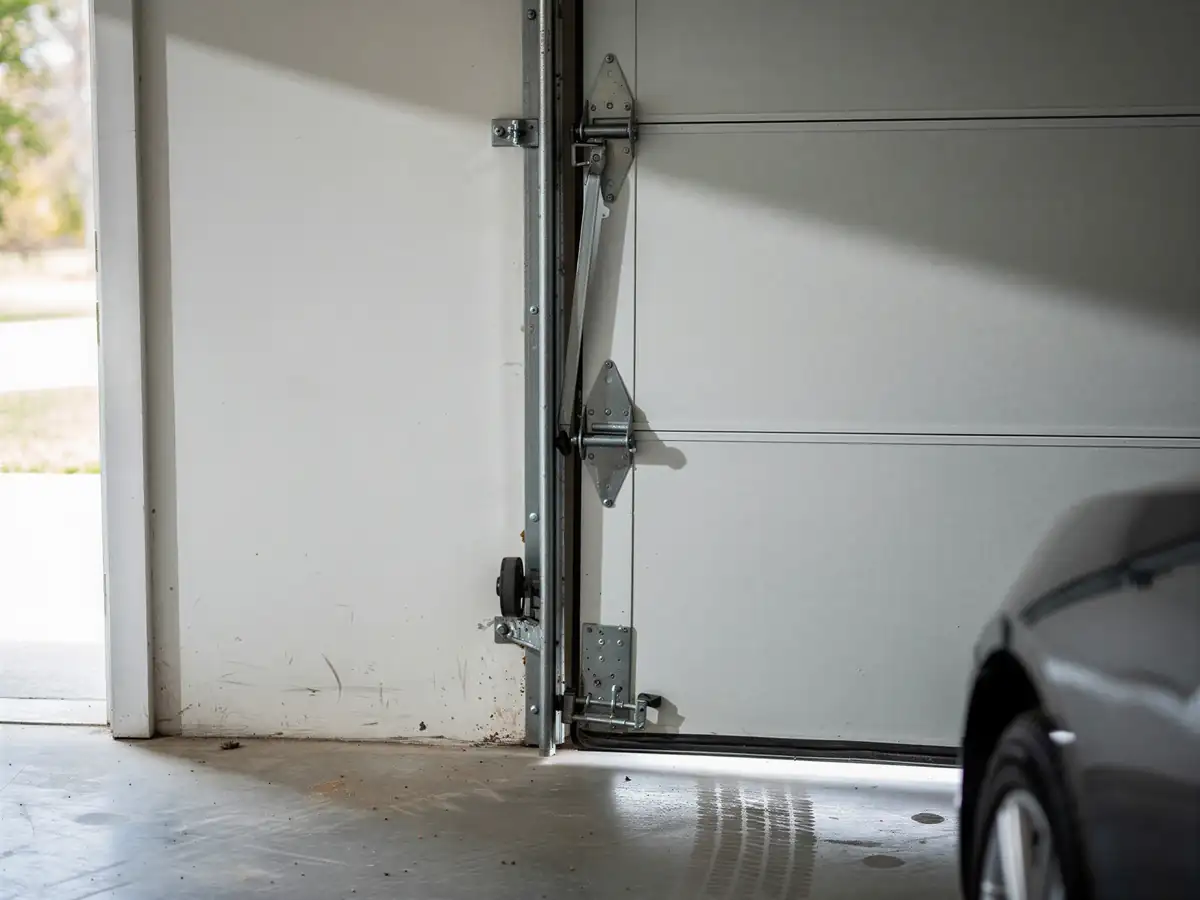
The actual problem on houses from the 1938-1996 build range, and especially the 1960s-70s cluster, is mismatch - a replacement door bought off a showroom floor without anyone checking the opening first. Original openings from that era run narrower tracks and different header clearance than what current standard doors assume. Drop in a stock door without adjusting for that and you get a door that closes crooked, an opener that strains against the track, or a bottom seal that never makes full contact with the slab.
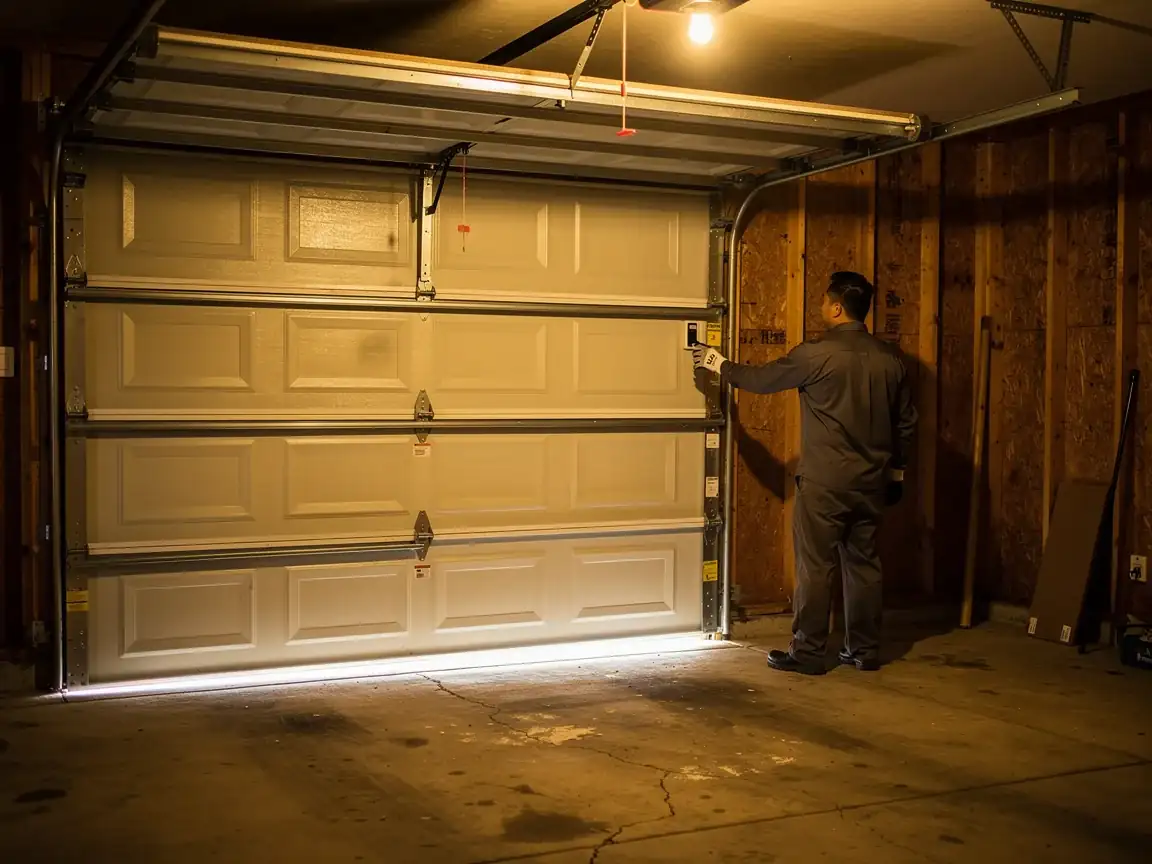
The cold moderate climate compounds it. A door that's slightly out of square lets more cold air through at the corners, and over a winter that gap widens as the frame flexes with temperature swings. By spring you've got a door that worked fine in October and won't seal in March. This is the single most common callback we get on replacement jobs that someone else installed without measuring the actual opening, not the nominal one on the old door's spec sticker.
What to Check
01
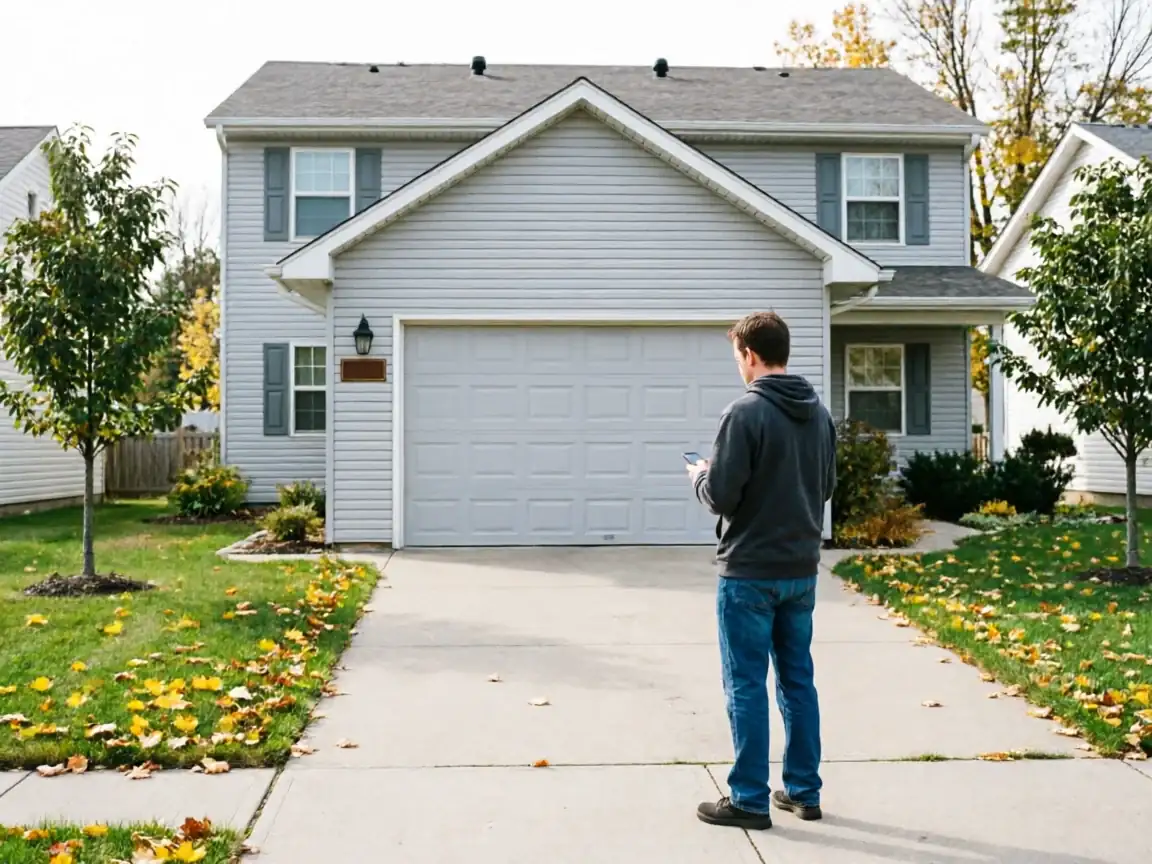
Before you buy, measure the rough opening yourself, not the old door
Width, height, and headroom above the opening where the track curves. On a house built in the 1960s or 70s, also check whether the jambs are square; a long level across the opening tells you fast. If they're off by more than a half inch, factor that into the install, not after.
02
Check your current spring setup too
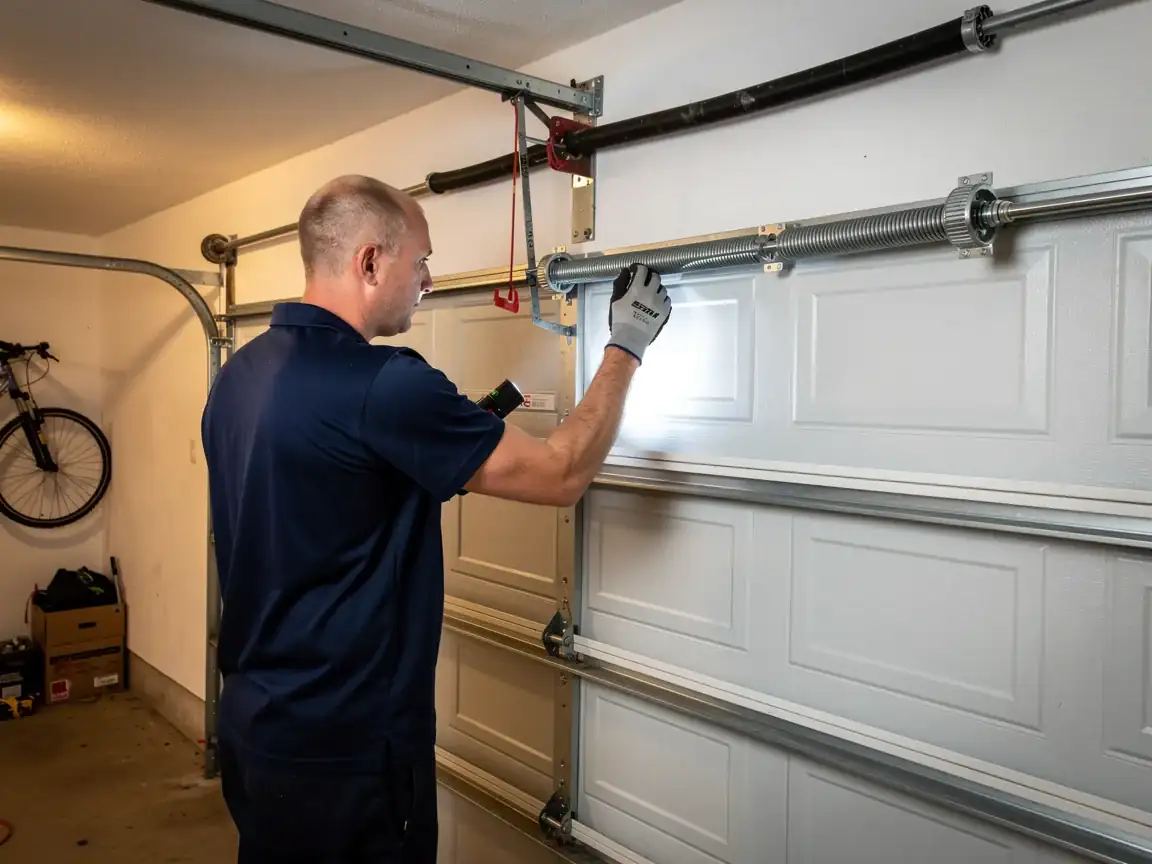
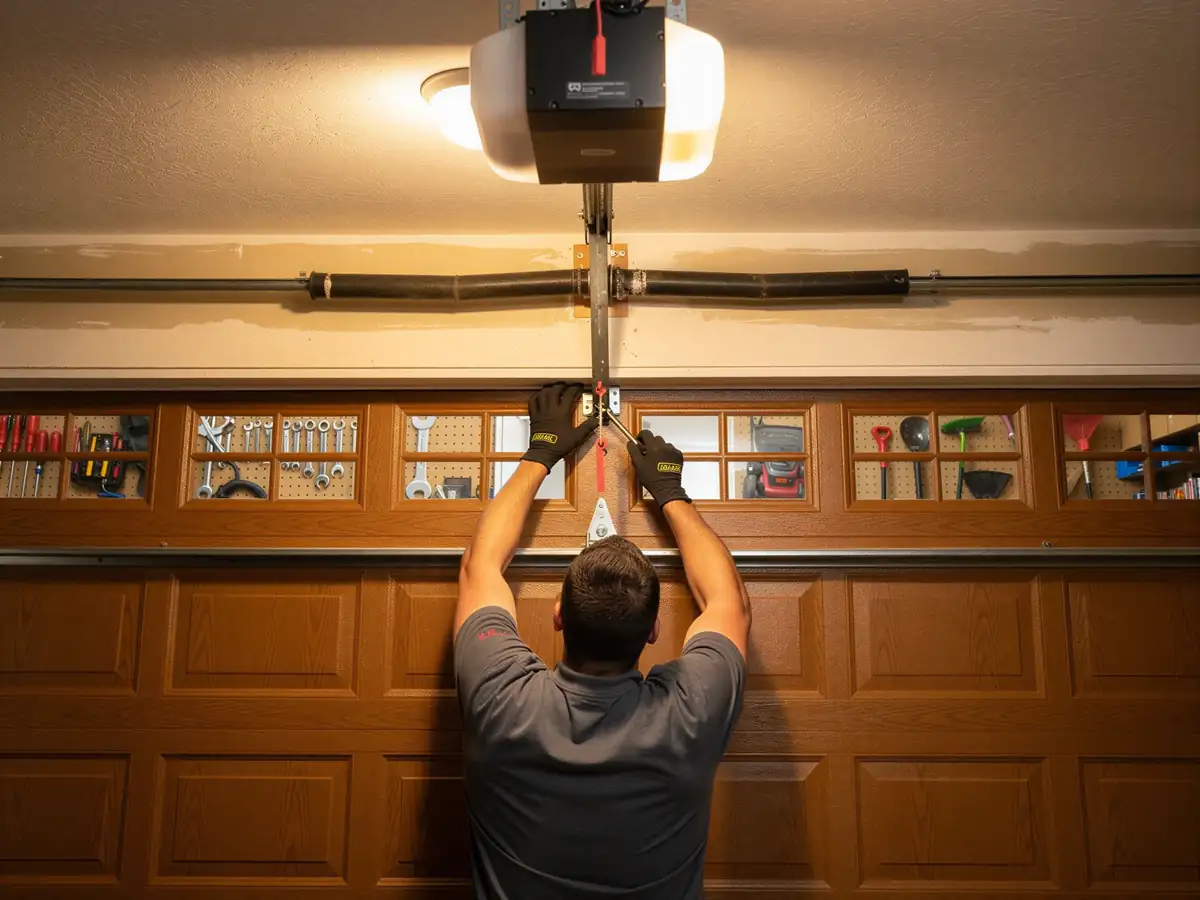
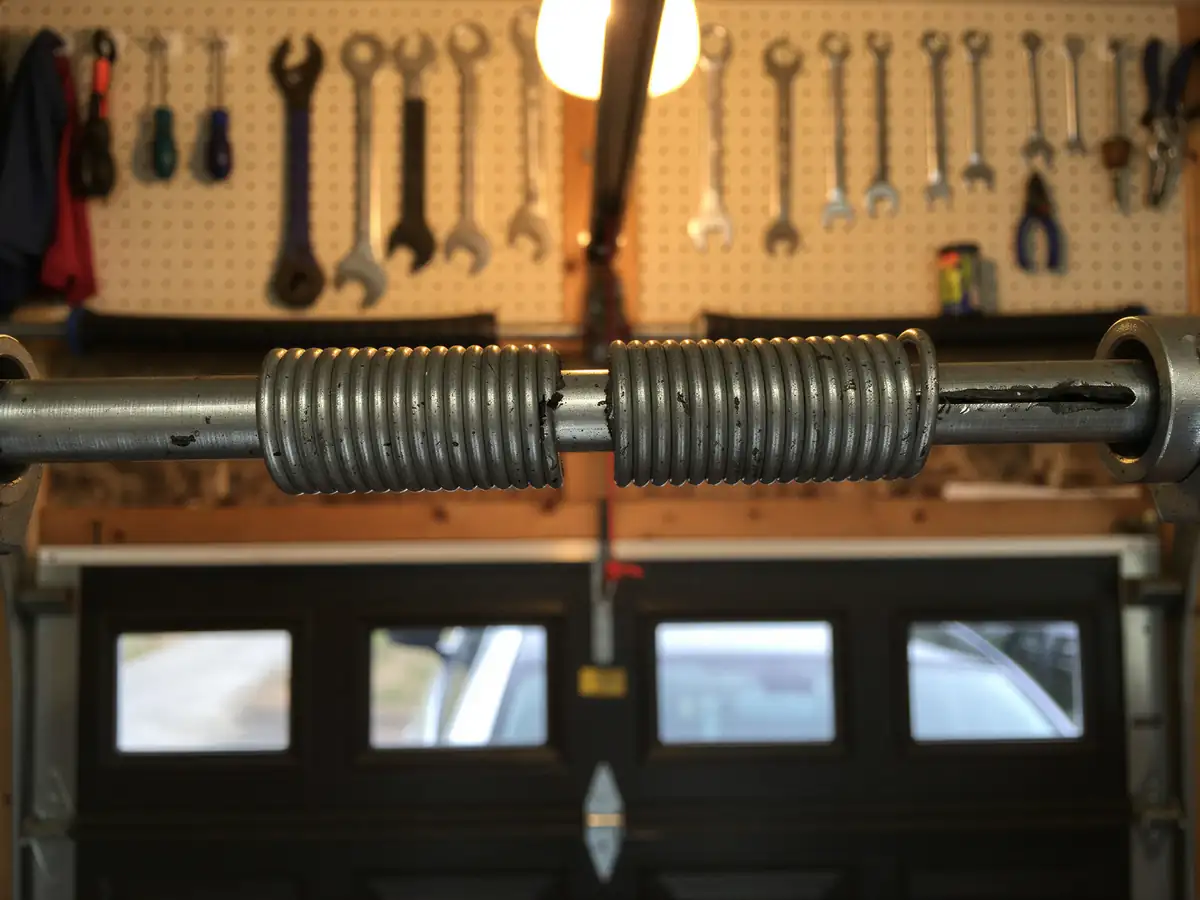
A heavier insulated door needs springs sized to its actual weight, not whatever was on the old door. And look at the opener - a unit rated for a lightweight single-layer door can struggle with an insulated replacement and burn out early.
03
One limitation worth saying plainly
We don't stock every size and insulation combination on the truck. Some replacement doors, especially nonstandard widths common on older builds, carry a lead time of a week or more. If you need a door the same day, a repair to get you through is usually the better short-term move while the replacement is on order.
Straight answers about garage door repair in Des Plaines. Still unsure? Ask us directly.
Will a standard replacement door fit my house from the 1960s or 70s?
Often, but not automatically. Houses from that era frequently have openings and headroom that differ slightly from current standard sizing, so we measure the actual rough opening before ordering rather than assuming the old door's listed size still applies.
Do I need a heavier spring if I switch to an insulated door?
Yes, in most cases. An insulated replacement weighs more than the single-layer steel doors common on older homes here, so the torsion spring has to be resized for the new weight or the opener will strain and the door will feel heavy to lift by hand.
How long does a replacement door take to get?
Standard sizes usually move quickly, but nonstandard widths or specific insulation levels can run a week or more out. If your current door has failed, a repair can bridge that gap while the new one is on order.