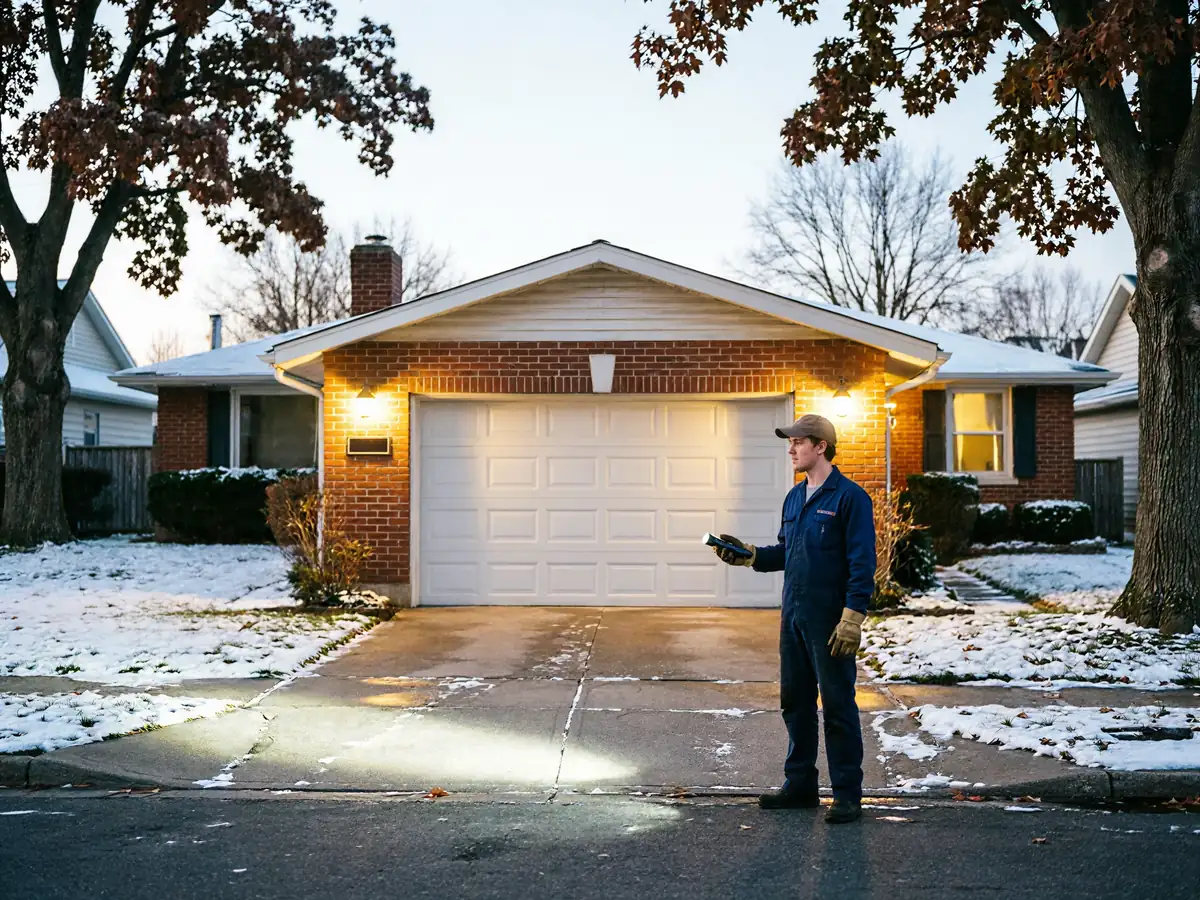
What We Actually Check on a Des Plaines Service Call
What a Des Plaines Garage Door Pros service call actually checks, from 1960s-70s torsion hardware to cold-weather spring and track issues common to this housing stock.
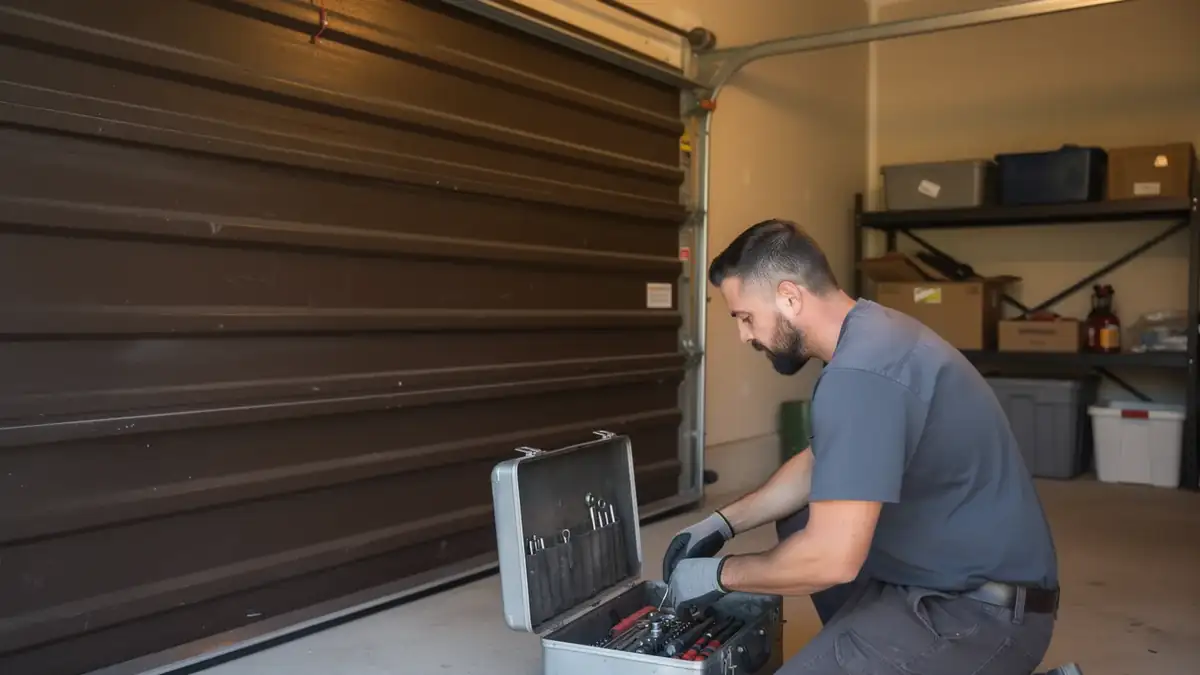
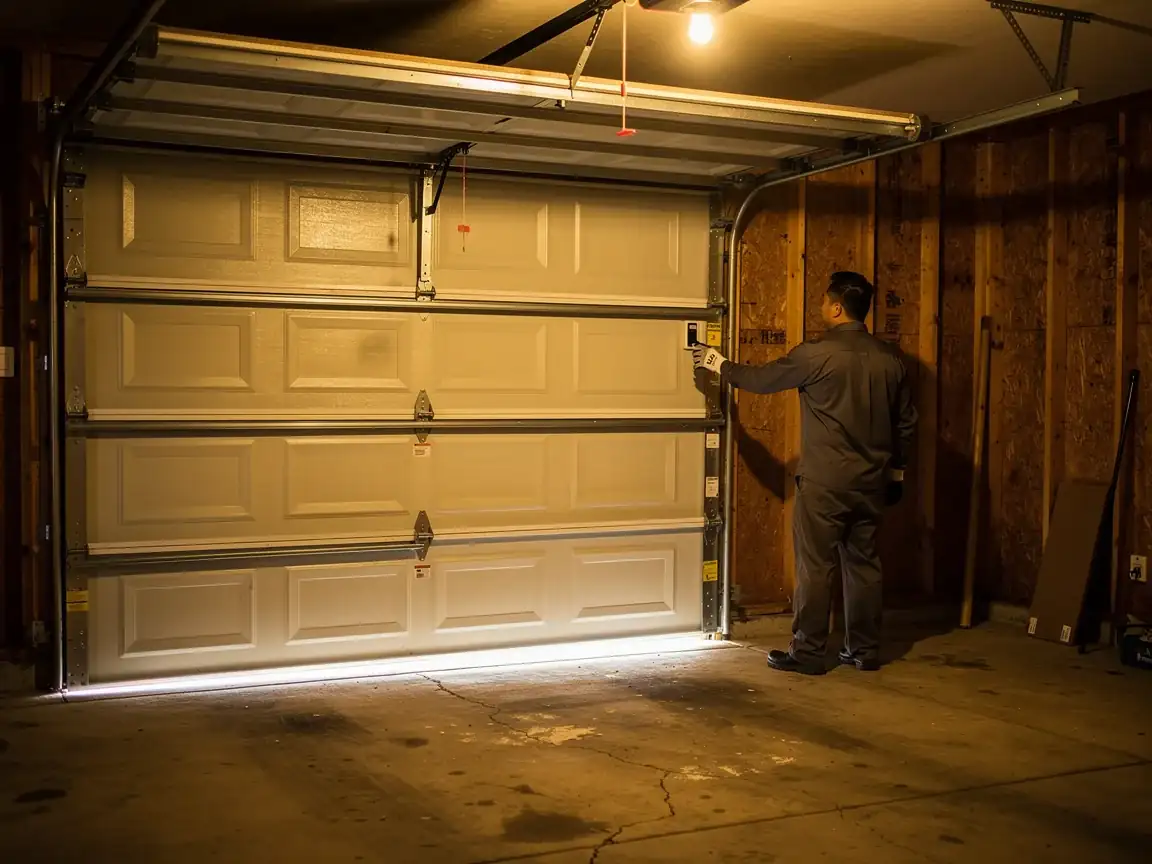
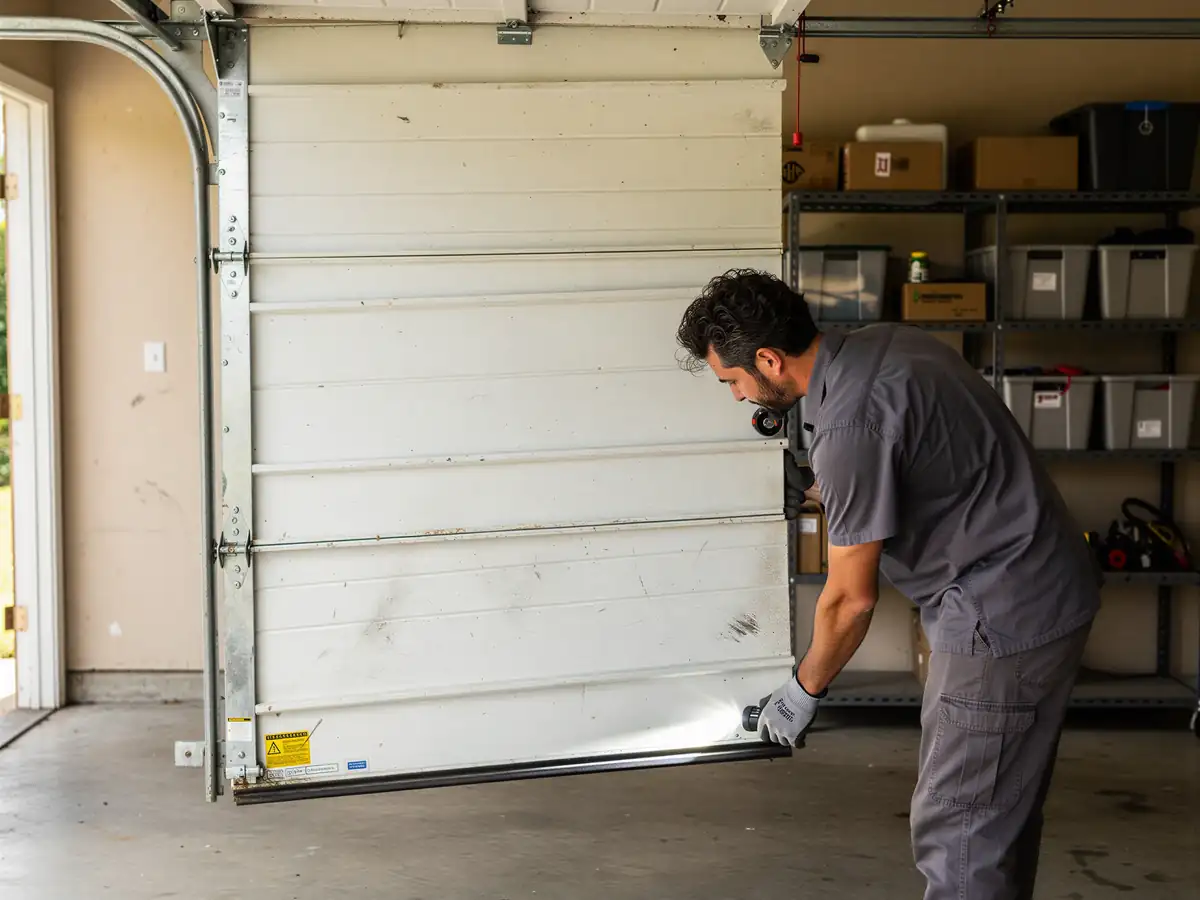
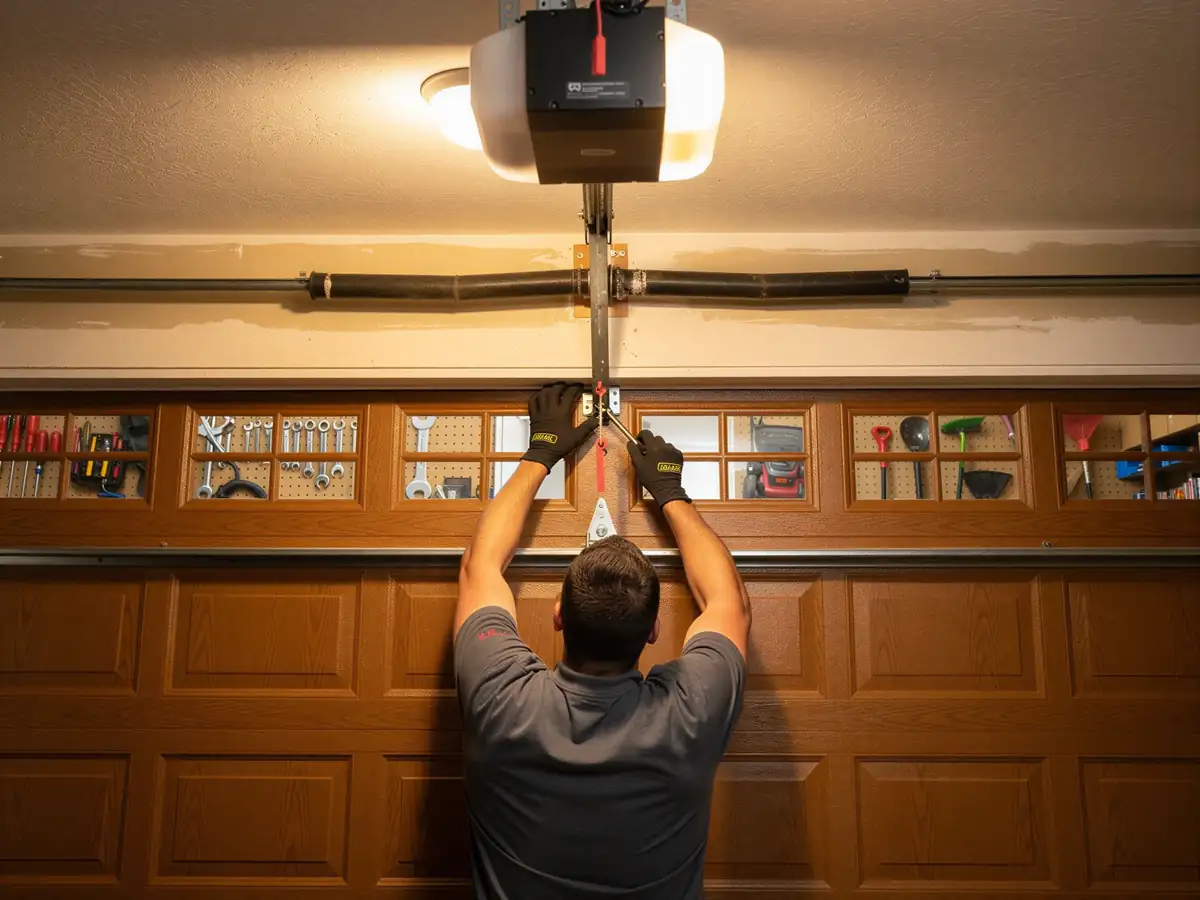
Des Plaines housing mostly went up between 1938 and 1996, with the median build year sitting around 1972, and most of what we roll up on is 1960s-70s stock. That matters because a door hung in 1968 wasn't built for today's openers, and the hardware underneath it - the torsion shaft, the end bearing plates, the track brackets - is original or close to it on a lot of these jobs. Add a cold climate band with real winter swings, and steel contracts, lubricant stiffens, and spring tension shifts enough that a door working fine in September binds or won't close right by January. A service call here isn't generic troubleshooting. We're checking whether the hardware matches the house's age, whether the spring is wound for the weight of a 50-year-old panel door versus a lighter modern one, and whether cold has pulled a track out of plumb. None of that shows up on a quick visual from the driveway. It takes opening the door, running it by hand with the opener disconnected, and feeling where it drags or binds. On a lot of these older Des Plaines houses, that's the whole diagnosis - the rest is just confirming which part failed first.
When Waiting Is Fine
Not every noise or stiff morning means a same-day call. If a door built in the 1972 window is sluggish on a single cold snap but runs fine within a day or two once temperatures climb back up, that's the steel and the lubricant doing exactly what cold steel and grease do - it's not a failure, it's weather. A squeak that's been there for months and hasn't gotten worse isn't an emergency either; rollers wear slowly, and a dry one will tell you well before it quits. Where we tell people to wait: a door that's slow to open in the morning but closes fine all evening, minor cosmetic rust on an older panel door that isn't structural, or an opener that's a beat behind on the remote but responds every time. None of those strand a car in the garage or risk a spring letting go. We'd rather you call when something's actually wearing toward failure than pay for a visit that confirms the door is old and acting its age. The honest trade-off: we can't always tell over the phone which cold-weather stiffness is temporary and which is the first sign of a spring losing tension, so a quick look in person is sometimes the only way to know for sure.
The Problem
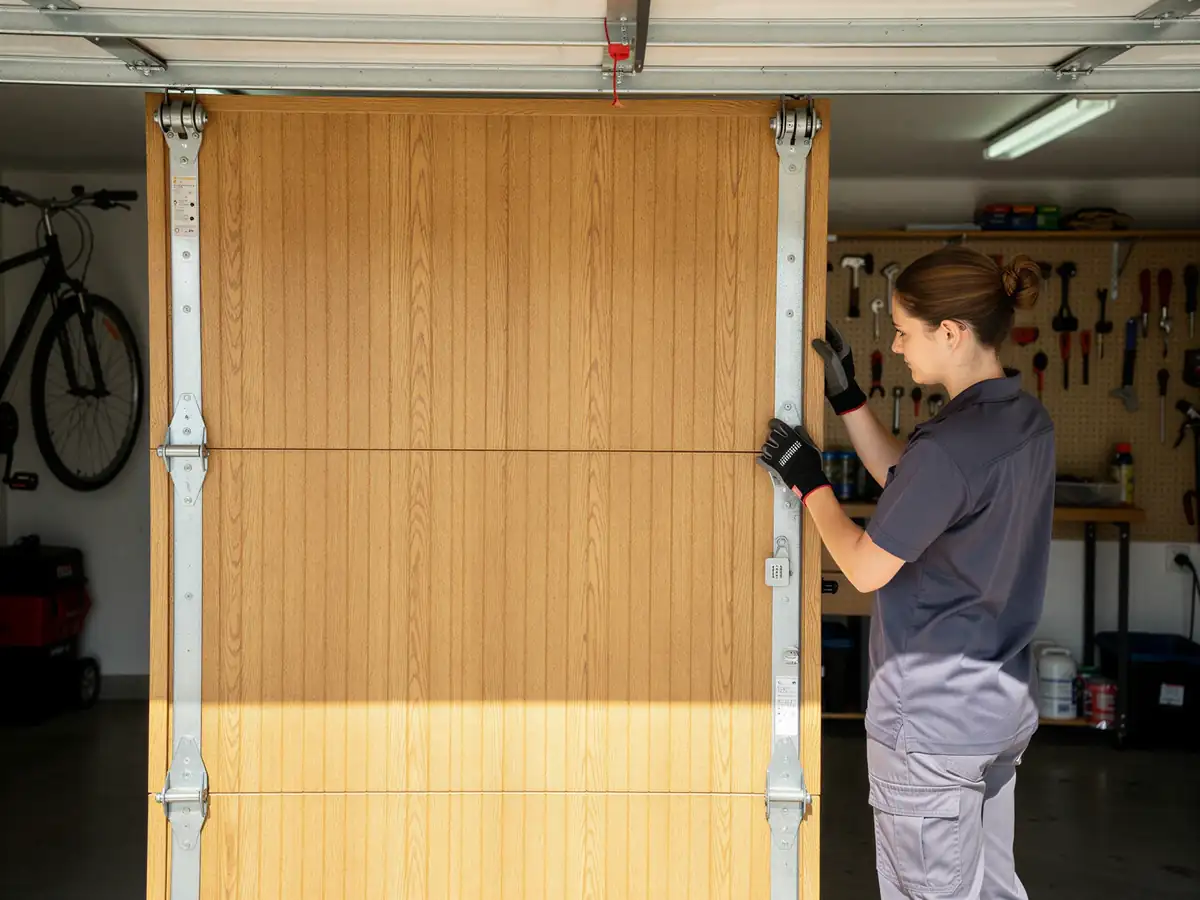
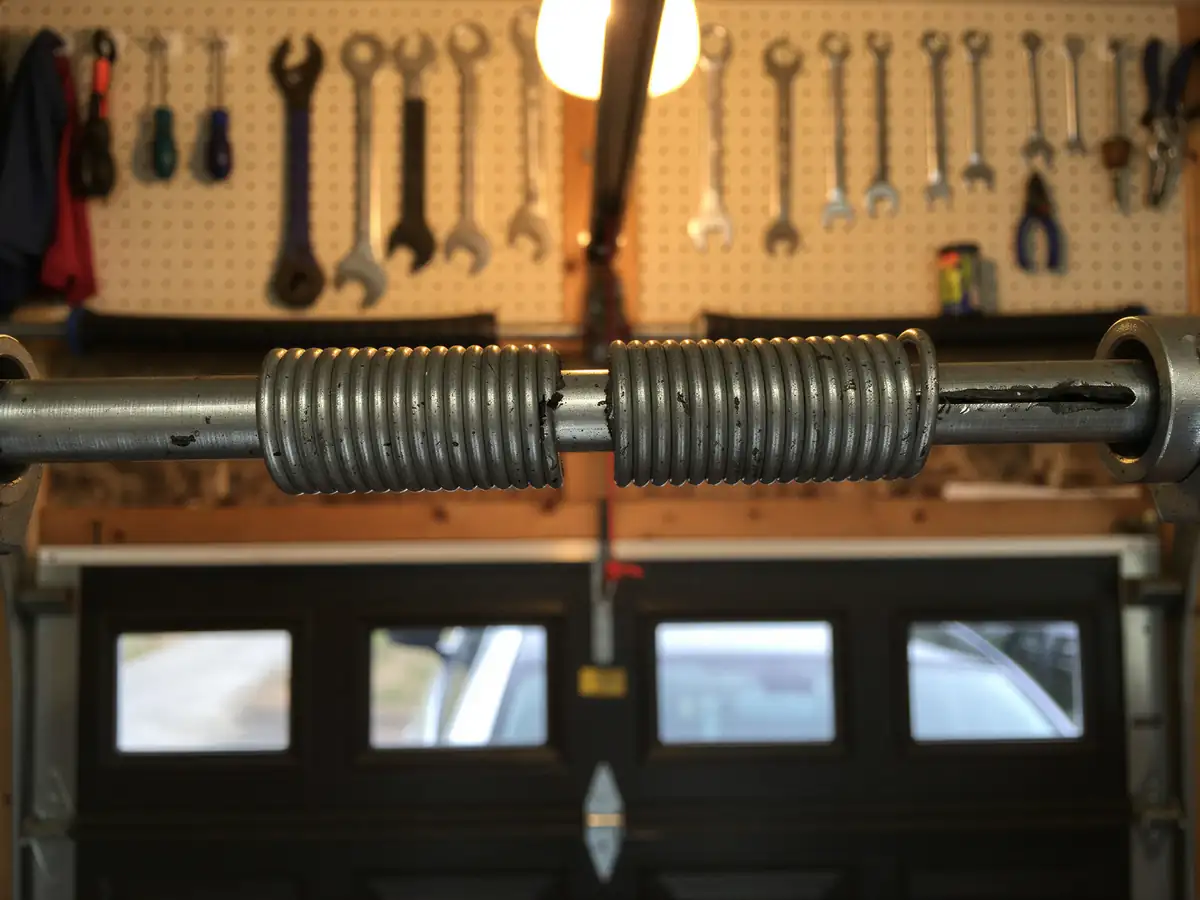
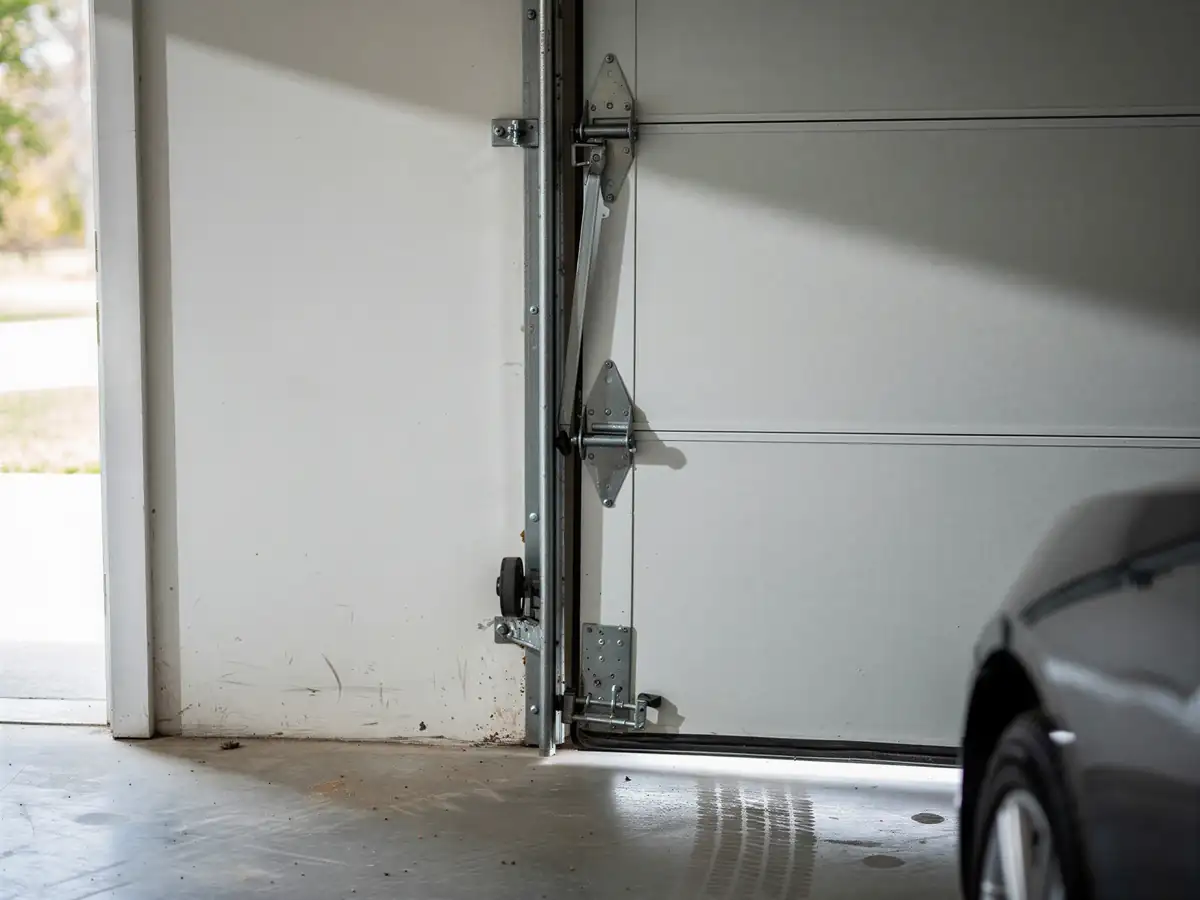
The actual failure pattern on 1960s-70s Des Plaines doors is pretty consistent. Torsion springs rated for the era's heavier wood or early steel panel doors lose tension gradually, and cold makes the last bit of give disappear fast - a spring that's been marginal all fall often lets go on the first hard freeze. Track brackets on houses from that build window were set with lag screws into jamb framing that's shifted slightly over 50-plus years, so a track that's a quarter-inch out of plumb isn't rare, it's close to normal. And a lot of these original doors were never matched to a modern opener's force settings, so the opener strains against hardware it was never sized for, which burns out the motor or strips the gear long before it should fail. The pattern repeats across the older sections of town because the houses share a build era, not because of anything unusual about any one address. What we can't do is make 50-year-old track metal behave like new steel - past a certain point of wear or rust, realigning a track is a stopgap, and replacement is the honest call even if it costs more upfront.
What to Check
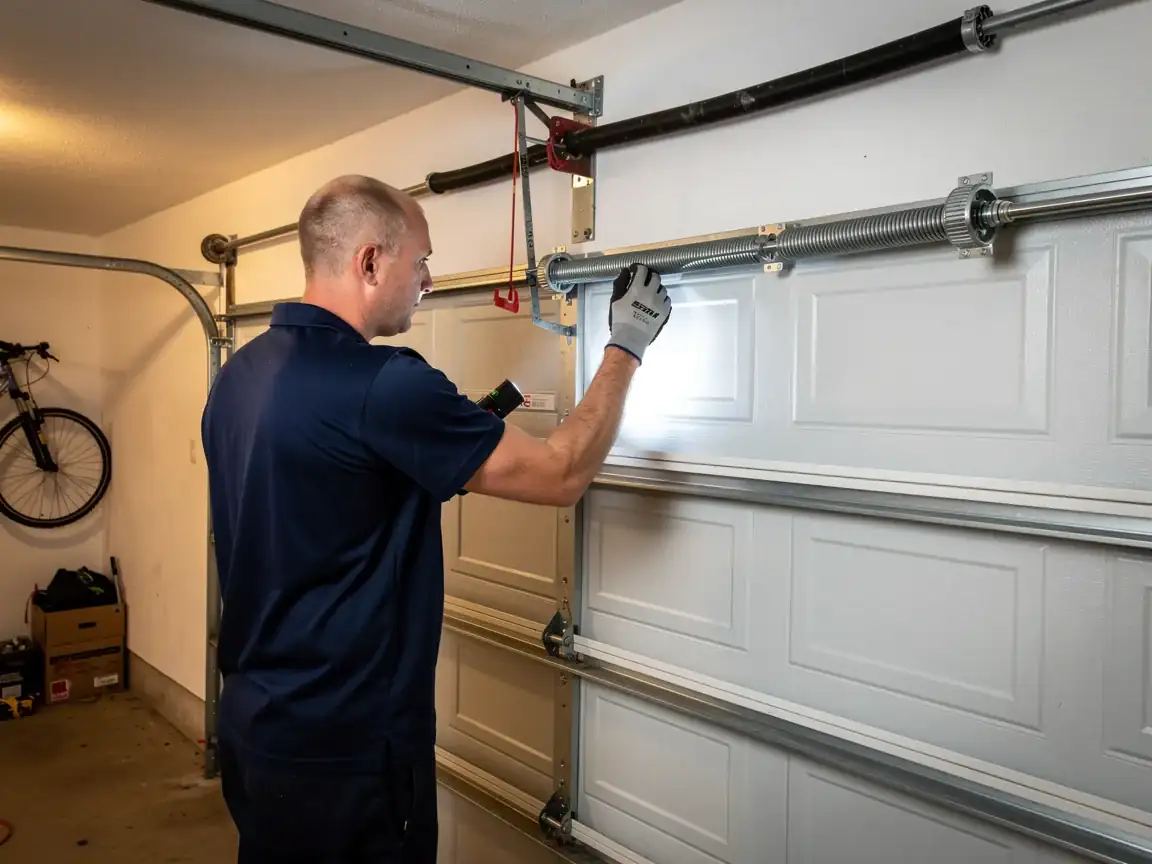
Before you call, there are a few things worth a look. Pull the opener's emergency release and try moving the door by hand - if it's hard to lift or drops on its own, that's spring tension, not an opener problem, and it's not a DIY fix. Look at the tracks from inside the garage: on older Des Plaines houses, check where the track meets the bracket near the top, since that's the joint that loosens first as framing settles. Check for visible rust or fraying on the cables running alongside the springs - cold makes brittle cable more likely to snap, not less. If the door reverses randomly or won't close all the way, check the sensor eyes near the floor for dust or a knocked-out alignment before assuming it's electrical. And if your house falls into that 1938-1996 build range, it's worth knowing roughly when the door and opener were last replaced, since original hardware from that window is now well past any reasonable service life. None of this replaces an in-person look, but it tells you whether what you're dealing with is a five-minute fix or something that needs a spring swapped under tension, which isn't a job to do yourself.
Straight answers about garage door repair in Des Plaines. Still unsure? Ask us directly.
Why does my garage door get stiff every winter?
In a cold climate band like this one, steel torsion springs and track hardware contract with temperature swings, and old lubricant thickens. On a door built in the 1960s-70s stock common here, that stiffness is often the first sign tension is already marginal, so it's worth a check rather than assuming it'll loosen up on its own.
Is my garage door hardware original to the house?
If your house was built in the 1938-1996 range that covers most of Des Plaines, with a lot of stock from the 1960s and 70s, there's a real chance the track brackets and spring setup are original or close to it. That's hardware nobody engineered for modern opener force settings, which is why it fails differently than newer installs.
Can I just tighten the track myself if it looks crooked?
You can check it, but tightening a lag screw into 50-plus-year-old jamb framing without knowing why it loosened often just delays the same failure. If the bracket's pulled away because the frame shifted, re-driving the same screw into the same worn hole rarely holds for long.