Des Plaines Garage Door Pros fixes the spring, cable, and opener failures that show up on the city's 1960s-70s housing stock once cold weather sets in.
Call us and tell us what the door is doing - or not doing
A door that won't budge, one that drops partway and stalls, an opener that clicks but goes nowhere. We ask a few questions about the door's age and whether it's done this before, because on a street built in the 1960s or 70s, most of these calls trace back to the same handful of parts.
02
We book around what's actually failing, not a generic slot
A stuck door with the car trapped inside gets priority over a noisy roller that's been grinding for a month. If you can tell us the door's approximate age, that helps us bring the right spring and bracket sizes the first time, since torsion hardware from a house built in 1965 isn't always what's sold off the shelf today.
03
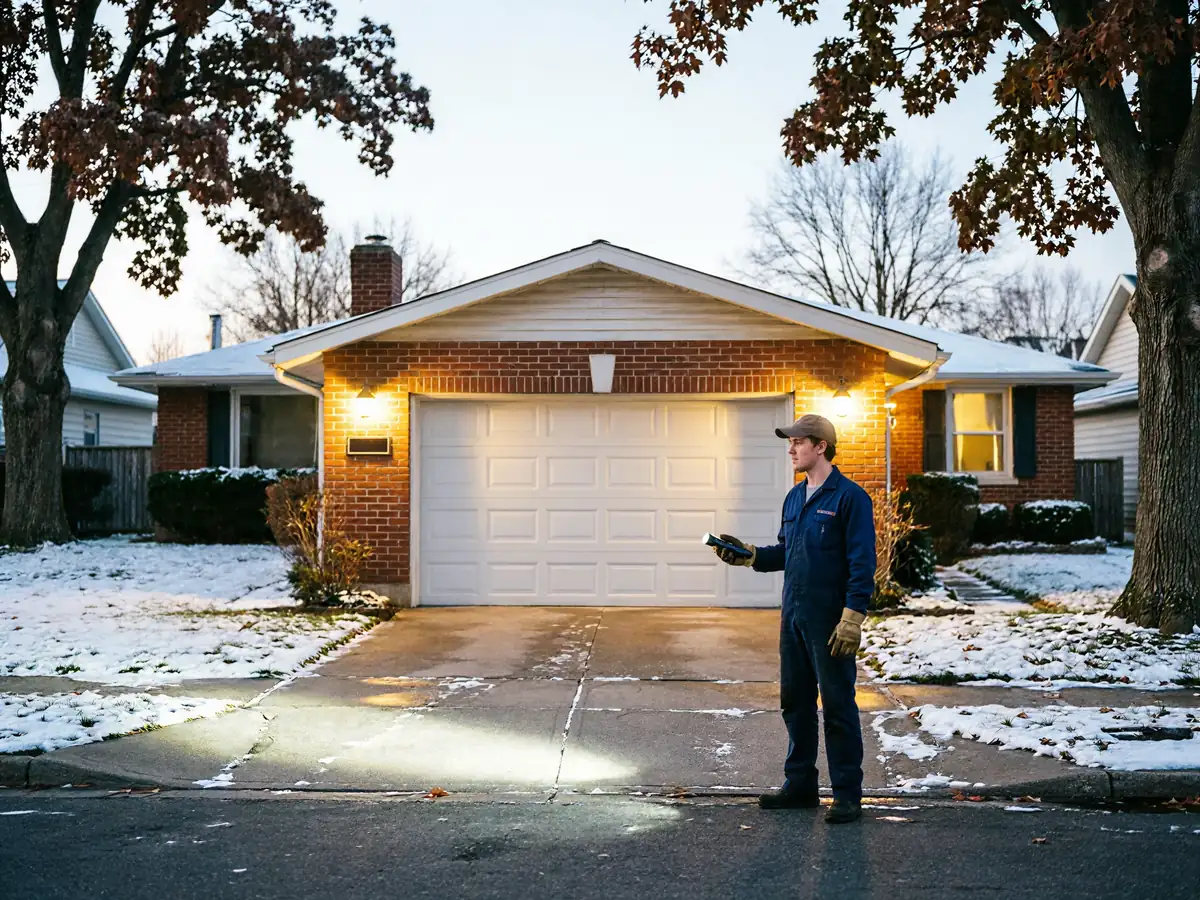
We work across the Des Plaines area and the near suburbs
Mount Prospect, Rosemont, Niles, Prospect Heights - so if you're near any of those and the symptoms match what's below, the diagnosis is usually the same.
How It Shows Up
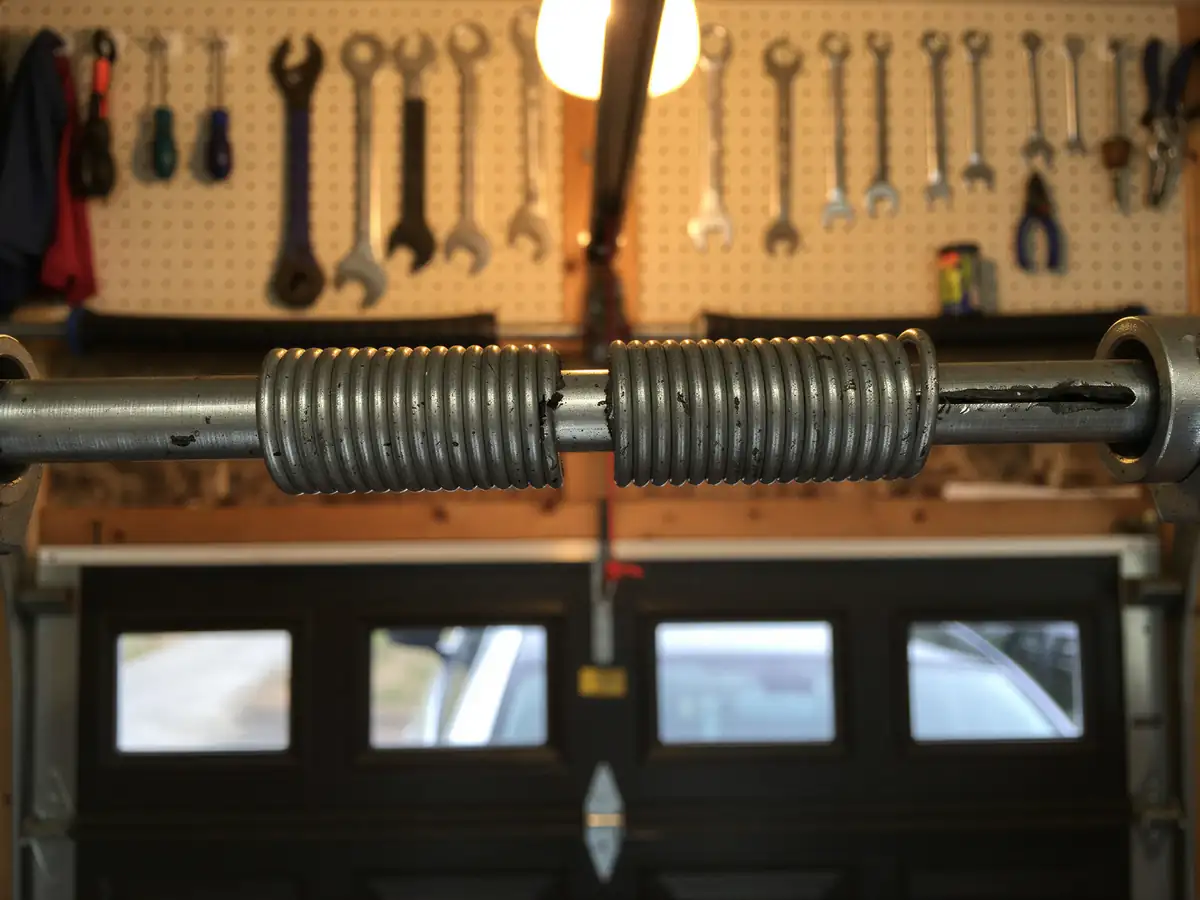
The door hesitates halfway up, or it comes down faster than it used to and lands hard. Sometimes the opener runs but the door doesn't move at all - that's usually a broken spring, not the opener. Other times you hear a bang from the garage on a cold morning and the door won't lift by hand either.
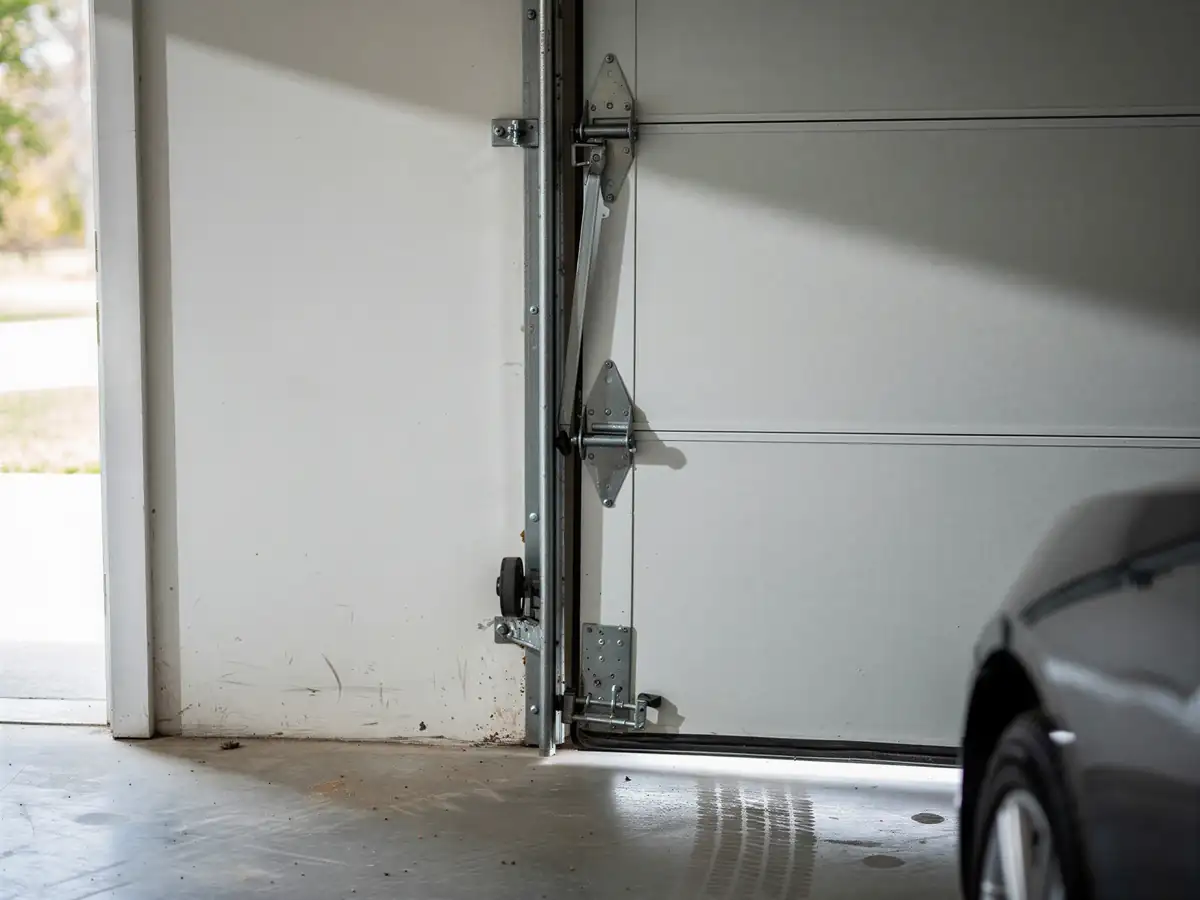
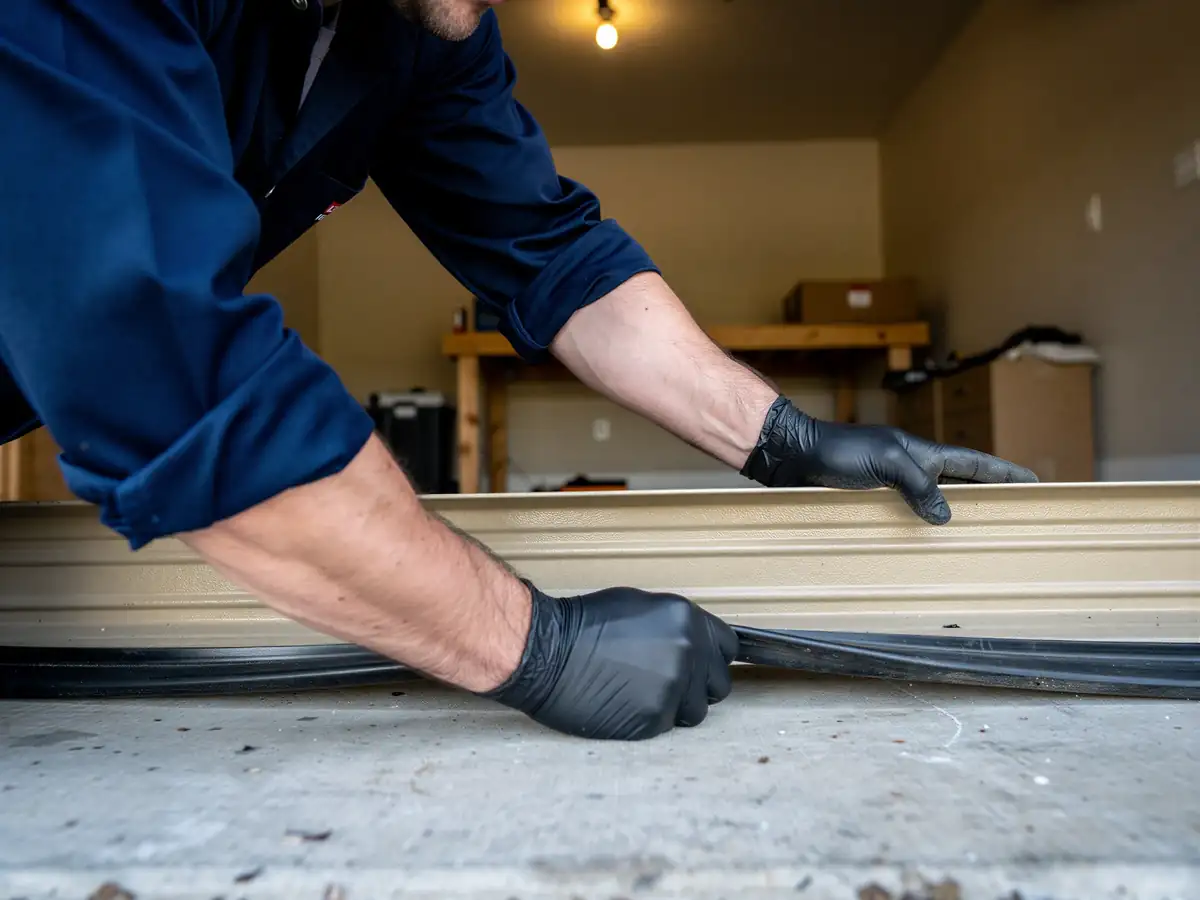
On houses built through the 1970s, we also see panel seams working loose and steel sections that have started to bow near the bottom roller tracks, especially on doors that were never insulated to begin with. None of this is dramatic until the day it is - a cable frays quietly for months, then lets go all at once.
If your door is original to a house from that era, a sudden full stop rather than a gradual slowdown is common. The hardware doesn't wear evenly; it holds until it doesn't.
Why It Happens Here
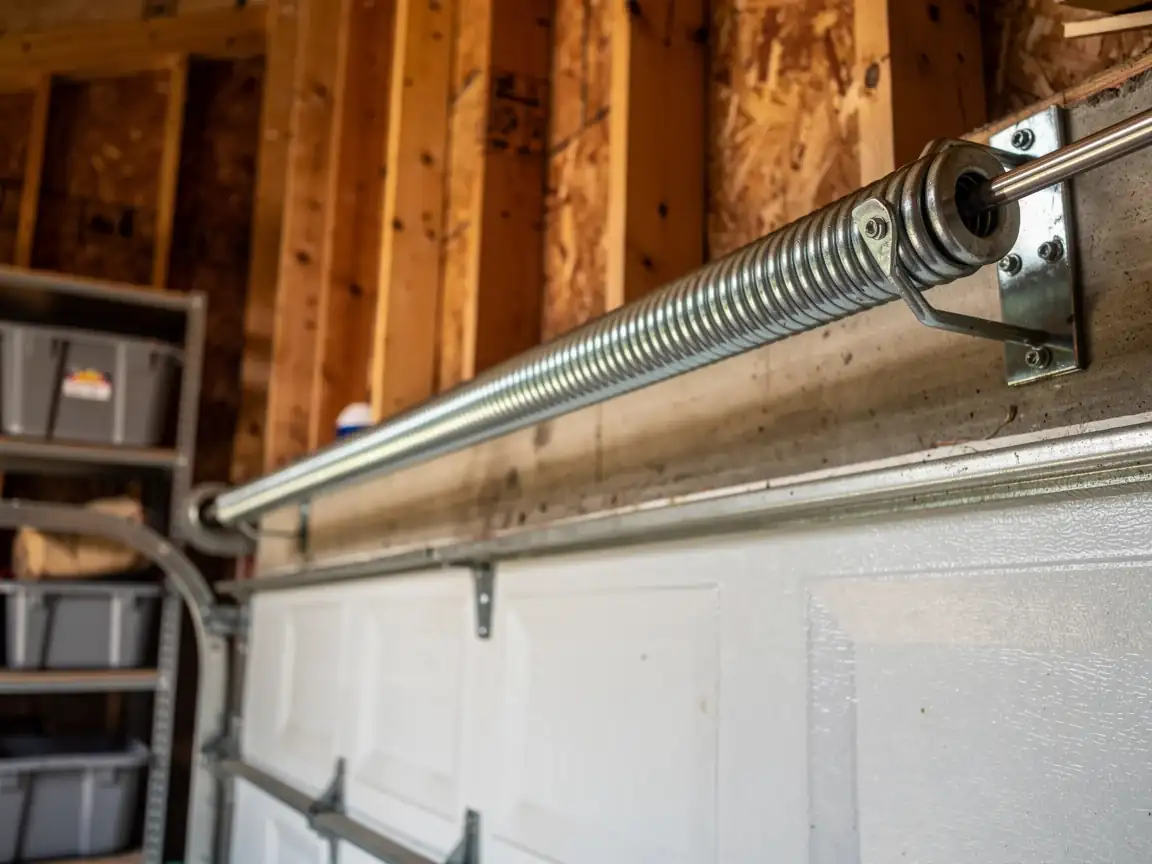
Housing in this area runs older than a lot of newer subdivisions - F1 puts the typical build year around 1938 to 1996, with the bulk of it, per F2, going up in the 1960s and 70s. That means a large share of the doors and torsion hardware in Des Plaines are original or close to it: steel that's lived through fifty-plus winters, springs that were never rated for the cycle count they've since put in.
The cold matters too. F3 puts this area in a moderate cold climate band, which means repeated freeze-thaw swings rather than one brutal season. Steel contracts in a hard freeze and expands back during a thaw, and that cycle works on metal fatigue a lot faster than steady cold would. A spring that's a few years past its rated life is exactly the kind of part that snaps on the first sub-zero morning, not gradually over the summer before.
It's not that Des Plaines doors are built worse - it's that a lot of them are old enough, in a climate that cycles enough, to be due.
What the Fix Involves
01
Most of these calls end with a spring replacement, a cable swap, or a track realignment
Not a new door. We'll tell you straight if the door itself is too far gone, usually when the steel's bowed or the seams have separated, but replacing a whole door over a bad spring is a waste of money and we won't push it.
02
One limitation worth knowing
If your opener or spring size is an older or odd dimension from a house built decades back, we may not have that exact part on the truck, and it can take an extra day to source. We'll tell you that up front rather than make you wait at the curb for a part that isn't coming.
03
For torsion spring jobs we match the wind and wire gauge to the door's actual weight rather than guessing off a chart
Since doors from the 1960s and 70s weren't built to one standard. Cable and roller work usually gets done same visit. Track realignment is quick once we know whether the slab under it has shifted, which on older Des Plaines foundations it sometimes has.
How it works
From “it’s stuck” to “it’s fixed”
01
Tell us what’s wrong
Describe the symptom - won’t open, loud bang, opener runs but the door won’t move.
02
On-site diagnosis
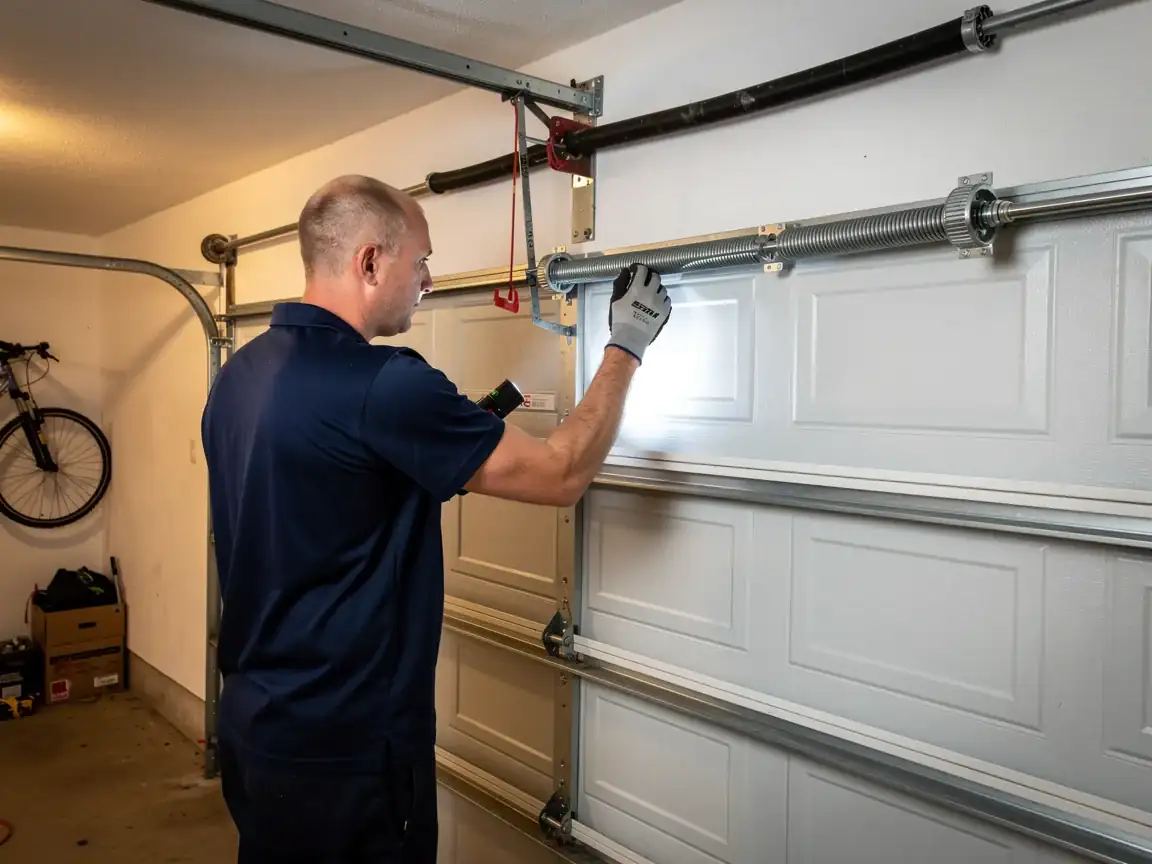
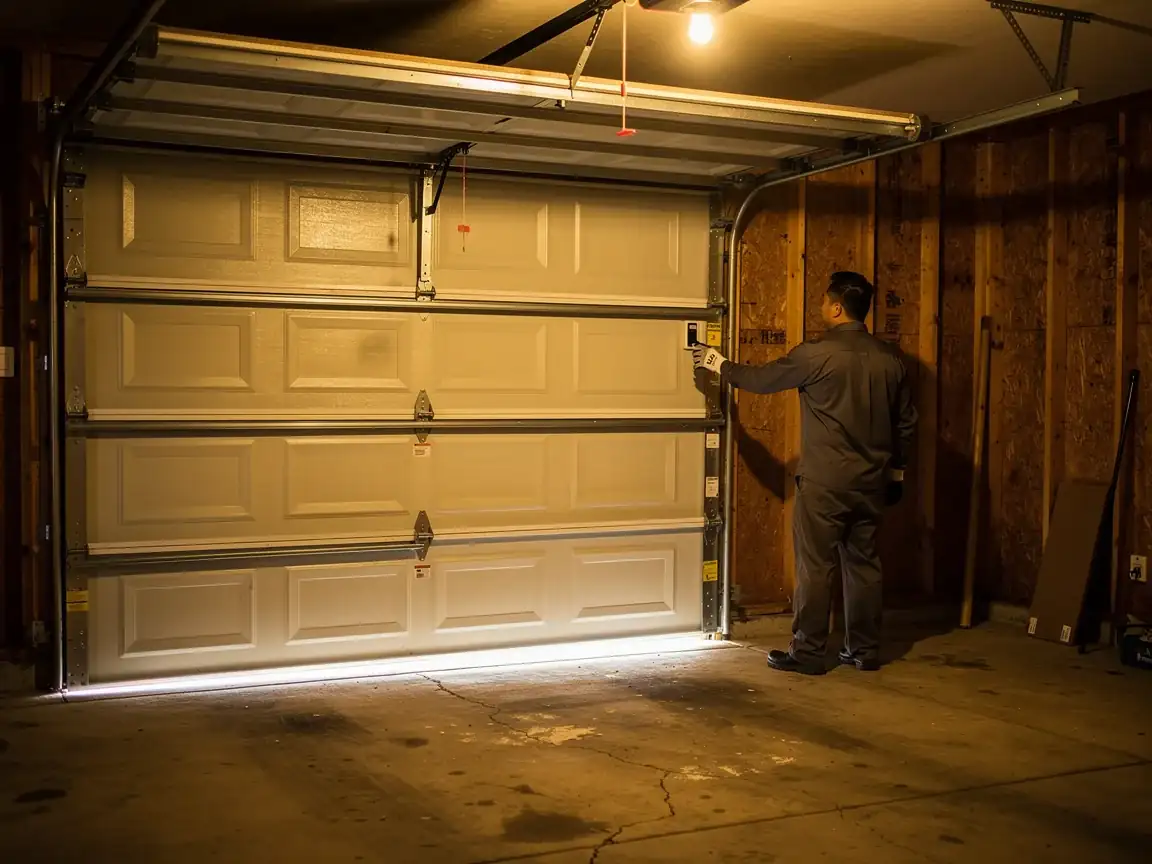
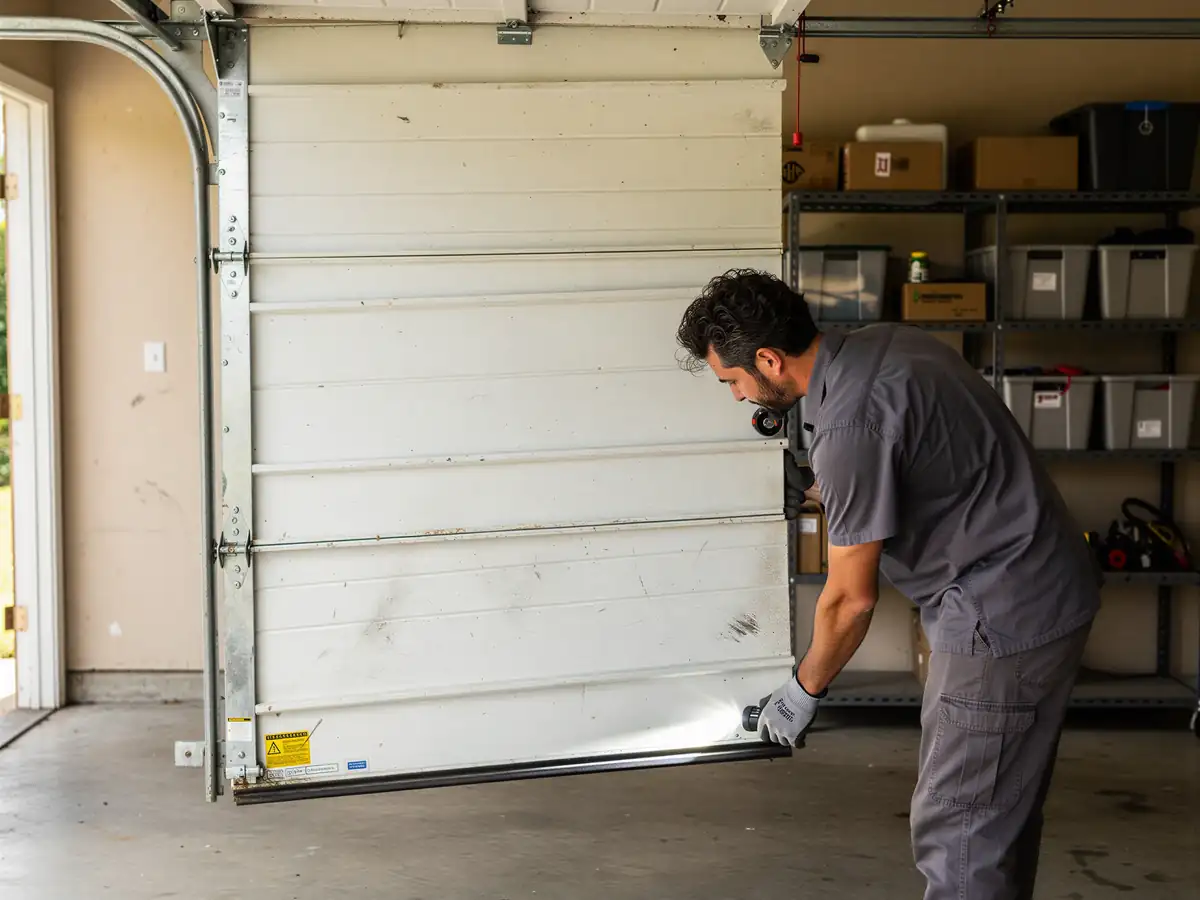
A technician tests the door under power and by hand and finds what actually failed.
03
Clear, up-front plan
You get the fix that’s needed and what drives the cost - before any work starts.
04
Repaired & tested
The repair is done, the door is set true and tested, and the work area left clean.
Next step
Not sure which repair your door needs in Des Plaines, IL? Describe what it’s doing - every job starts with a diagnosis.
Straight answers about garage door repair in Des Plaines. Still unsure? Ask us directly.
Why did my garage door spring break on such a cold morning?
Steel contracts in a hard freeze, and a spring that's already near the end of its cycle life is the first thing to give. In a moderate cold climate like this one, the freeze-thaw swings happen repeatedly through the season, which fatigues metal faster than one steady cold stretch would.
Is my door too old to repair?
Usually not just for age. A lot of Des Plaines houses have doors dating to the 1960s or 70s, and the steel itself often holds up fine. We replace rather than repair when the panels have bowed or the seams have separated - we'll tell you straight which one you've got.
Do you carry parts for older torsion hardware?
Most of the time, yes. Occasionally a house from that 1960s-70s build era has an odd spring size or bracket that isn't on the truck, and sourcing it can add a day. We'd rather tell you that upfront than have you wait on a part that isn't coming.
How do I know if it's the spring or the opener?
If the opener motor runs but the door doesn't move, or barely creeps, that points to a broken or weakened spring doing none of the lifting. An opener that doesn't engage at all, with no motor noise, points the other direction.