When an Old Garage Door in Des Plaines Is Still Worth Fixing
Des Plaines homes mostly date from 1938 to 1996, median build year 1972. Here's how that history and our cold winters decide whether an old door is worth saving.
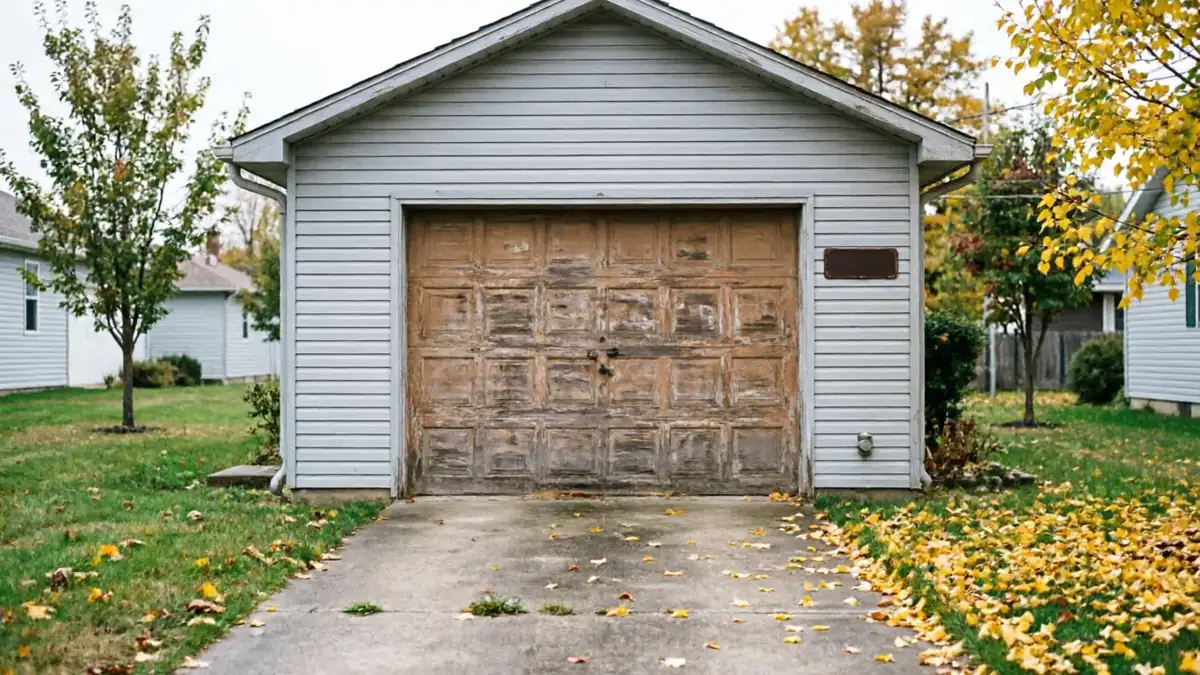
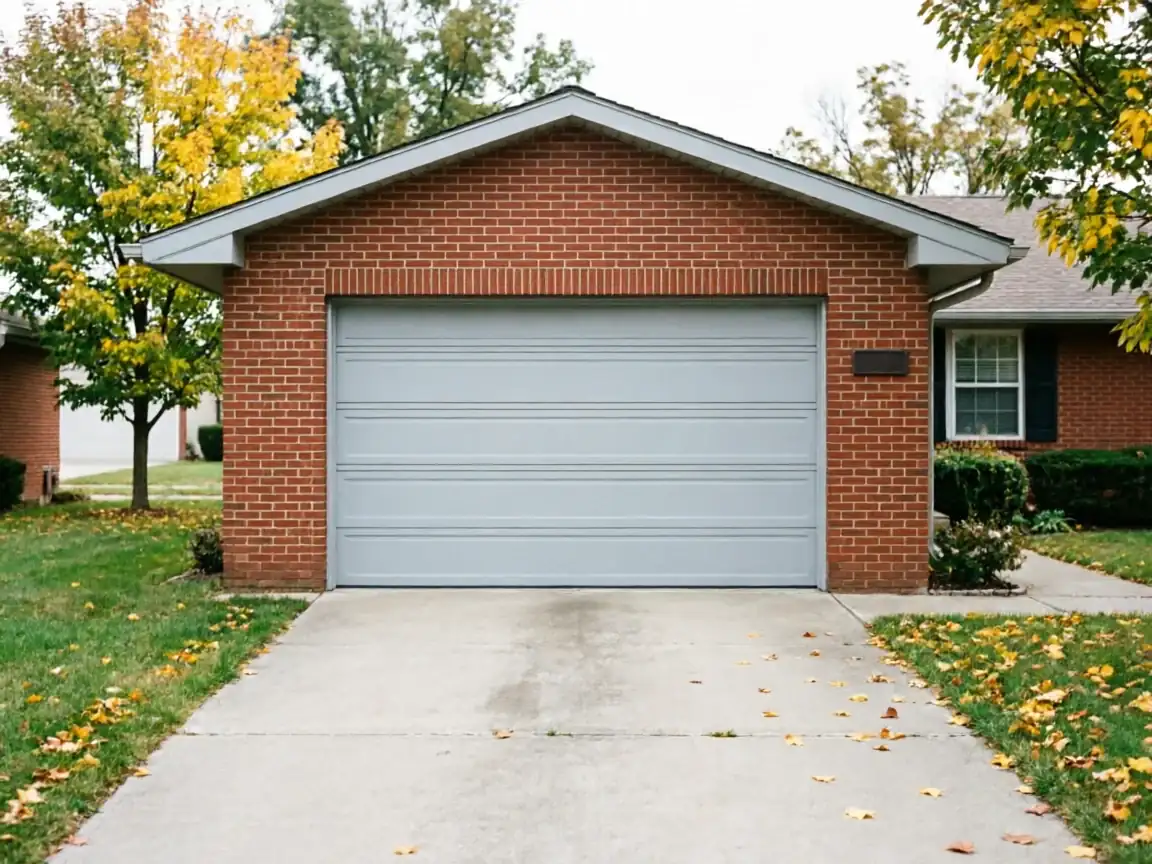
Most houses around here went up between 1938 and 1996, with the median landing around 1972. That means a lot of garage doors and openers in Des Plaines are original to houses built during that stretch, or replaced once sometime in the decades since. A door that old has usually been through forty or more winters in a cold climate zone, which is hard on steel hardware even when nobody's touched it. Torsion springs lose tension cycle by cycle, and the cold makes galvanized coatings brittle faster than they'd wear in a mild climate. None of this means the door is junk. A lot of the doors from that era are steel panel construction that outlasts the opener mounted to it, and the track and drum hardware on a well-kept torsion system from the 1960s or '70s can still be sound. What matters is whether the moving parts have been replaced along the way or whether you're looking at the original spring and cable setup still doing the job it was built for fifty years ago. That's the real question before you decide to fix or scrap anything.
When Waiting Is Fine
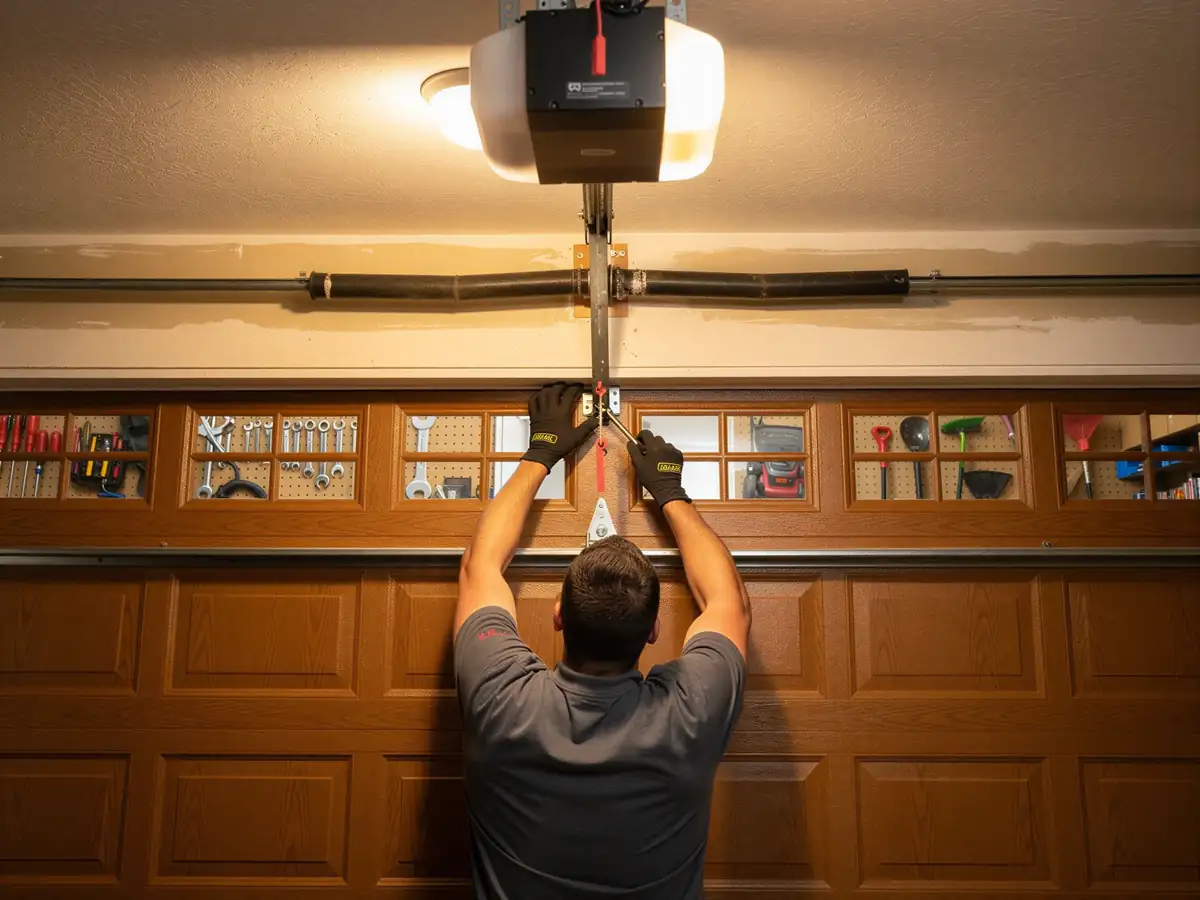
If the door still opens and closes level, holds its position halfway up when you disconnect the opener, and the only complaint is noise or a dent in a panel, there's no reason to rush into a replacement. A door that balances correctly is telling you the springs are still doing their job, which on an older torsion setup is the part most likely to fail first in a cold climate. Cosmetic wear, a scraped bottom panel, faded paint, a slightly bent top section that doesn't bind, these are things you can live with for years. We'd rather tell a Des Plaines homeowner to wait and save the money than sell a replacement on a door that's still structurally fine. The honest limit is that we can't tell you how much life is left in a specific spring without seeing it, since cycle count depends on how often the door's used, not just its age.
The Problem
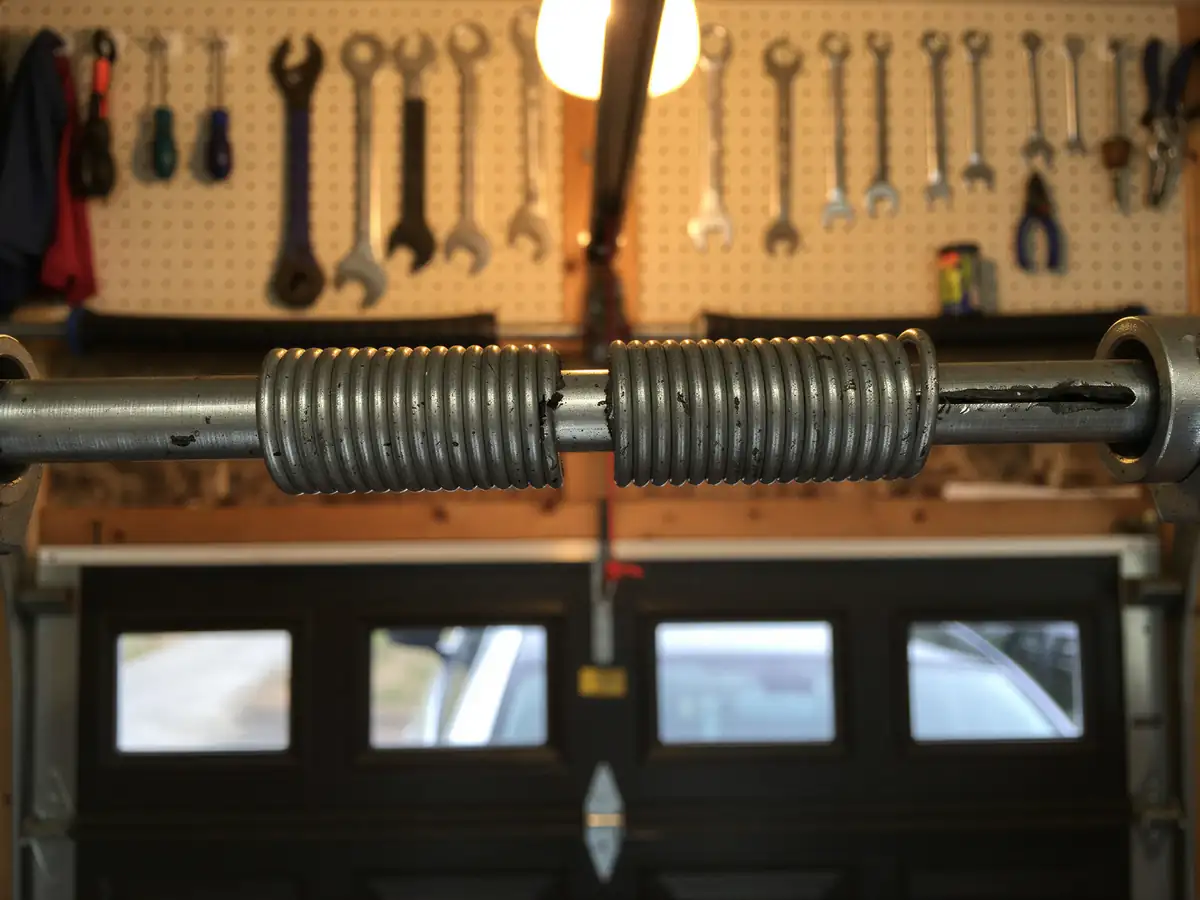
The doors that actually fail on us are usually from houses near the older end of that 1938 to 1996 build range, especially the 1960s and '70s stock that makes up most of the neighborhood. Those doors often carry the original torsion spring, sized for the lighter steel sections common at the time, and cold snaps are when a spring at the end of its life finally lets go. A spring doesn't fail gradually most of the time. It holds, then it doesn't, usually on a morning when the temperature's dropped hard overnight and the steel's at its most brittle. On top of that, a lot of these older doors were never insulated, which was standard practice decades ago and isn't a defect, but it does mean the door and its hardware see the full swing of a cold climate with nothing buffering the temperature change inside the garage.
What to Check
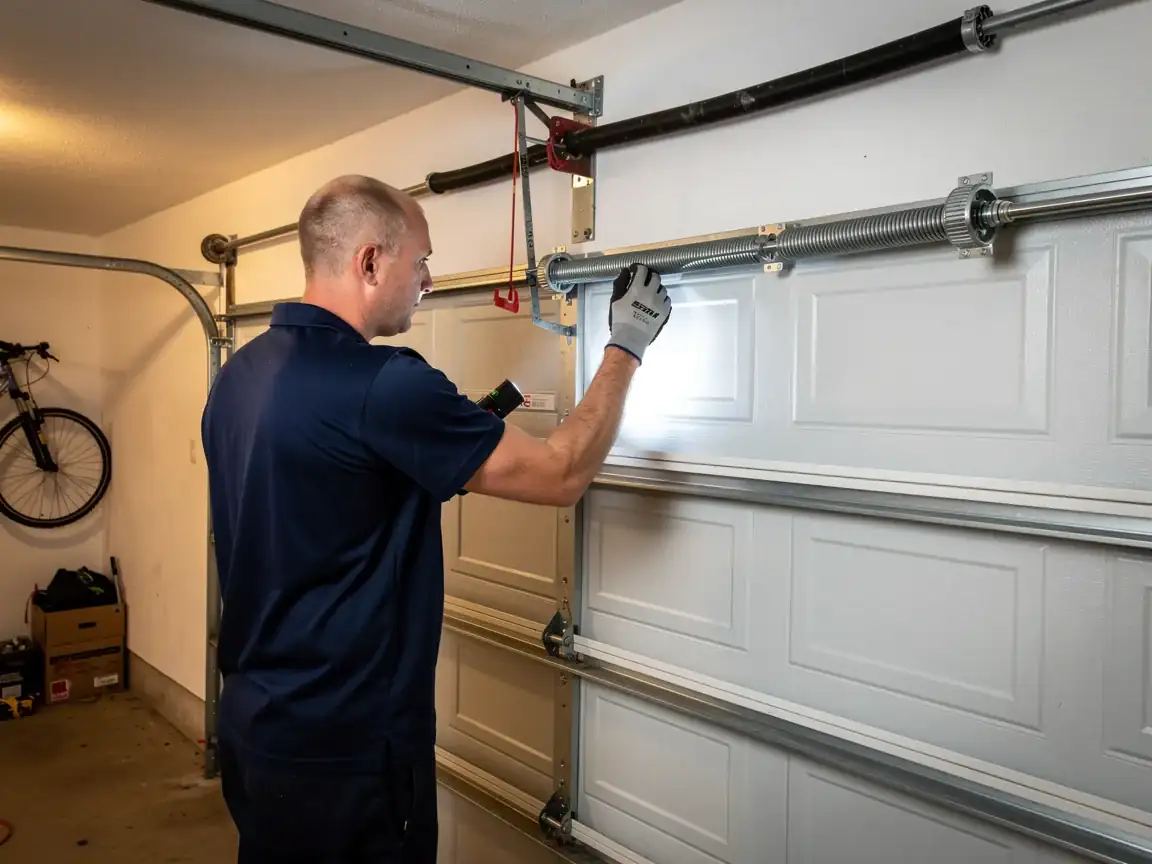
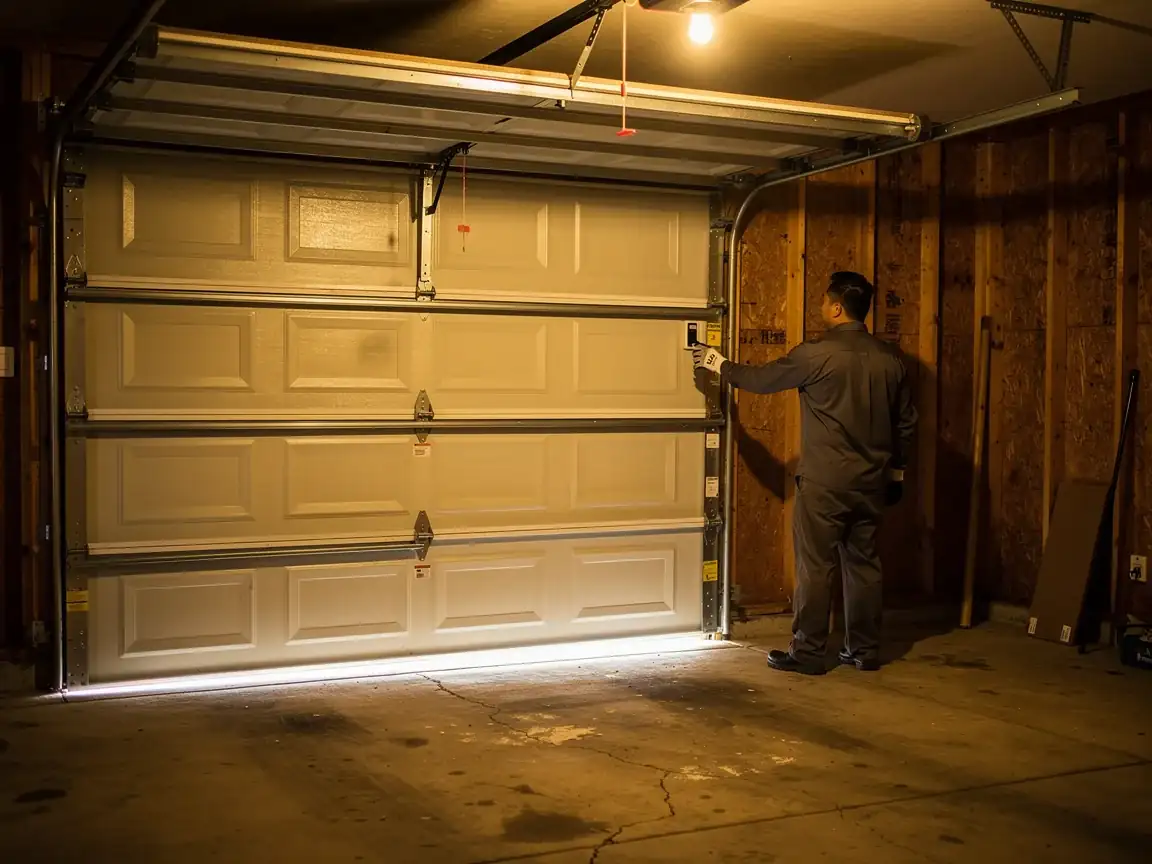
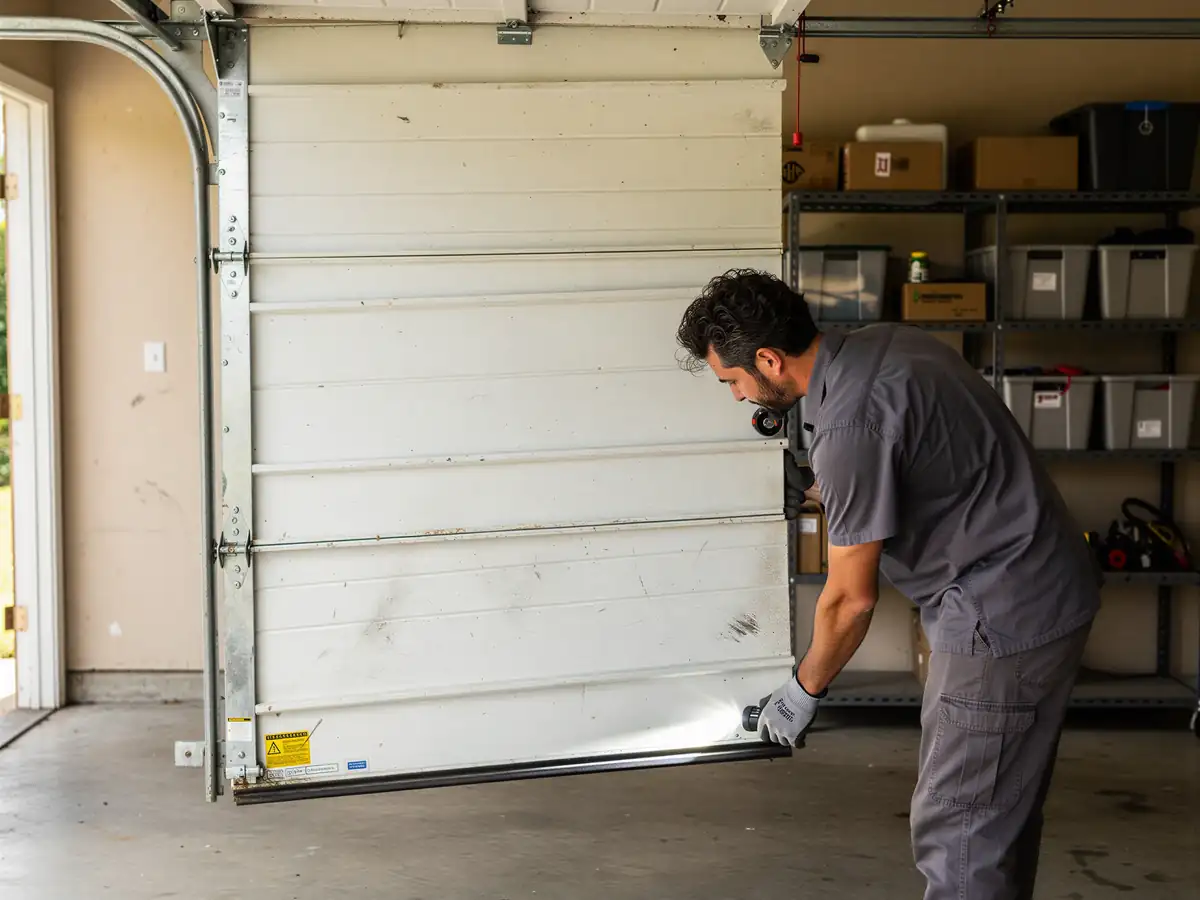
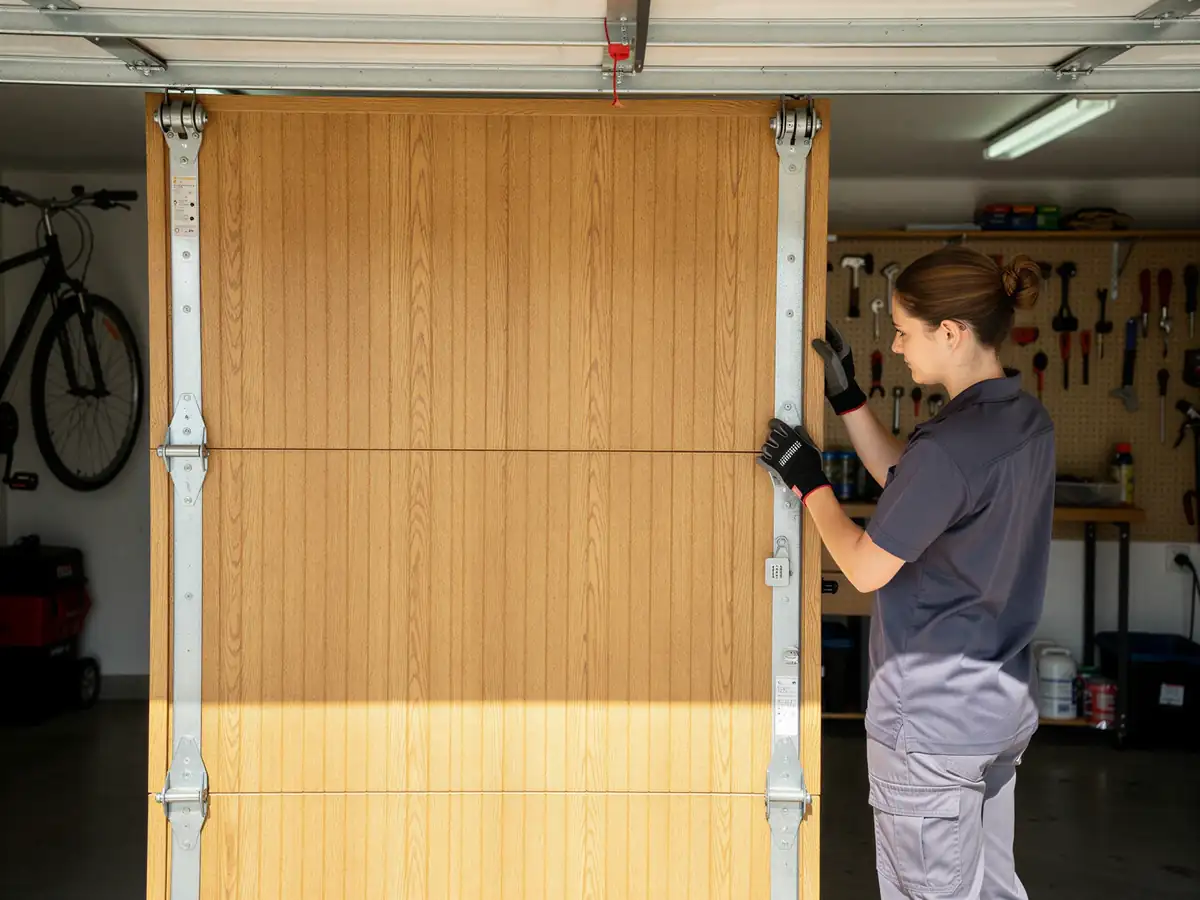
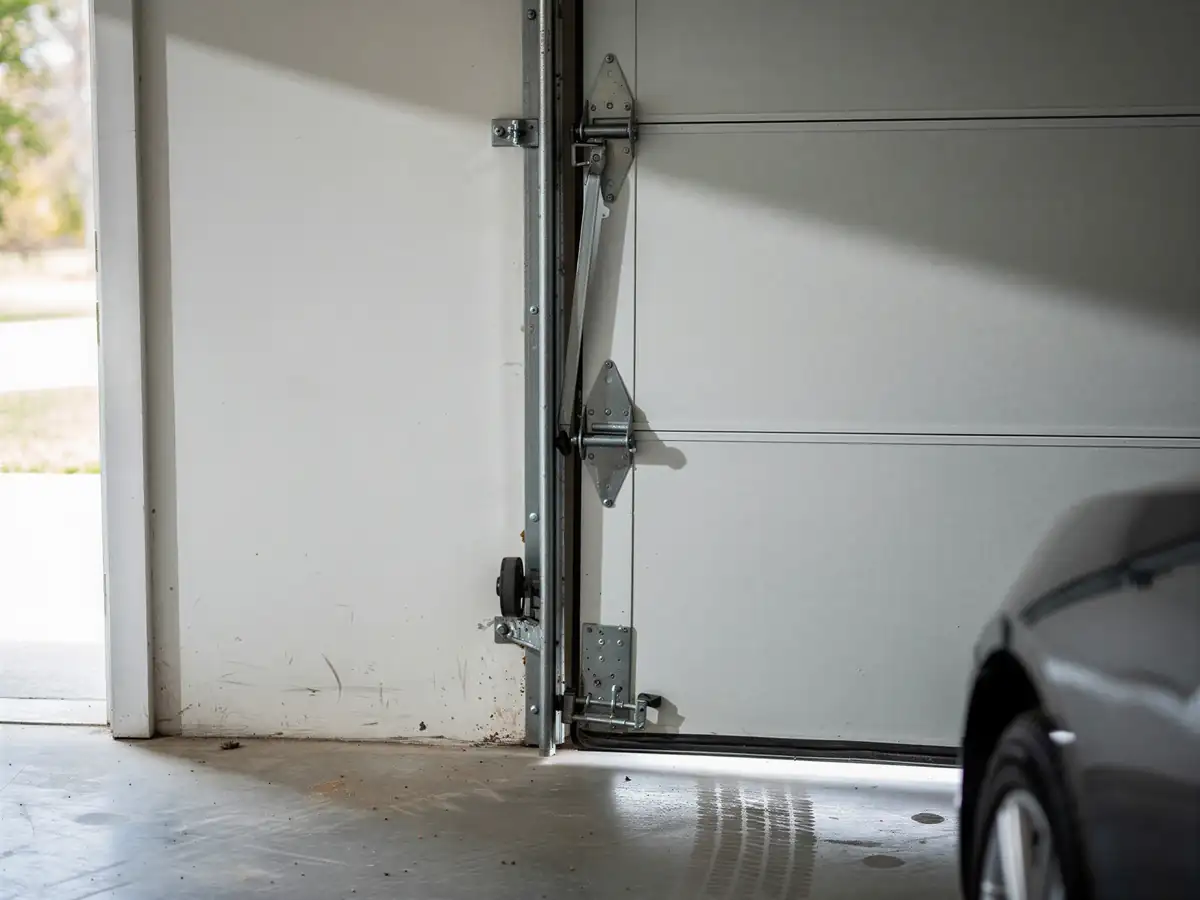
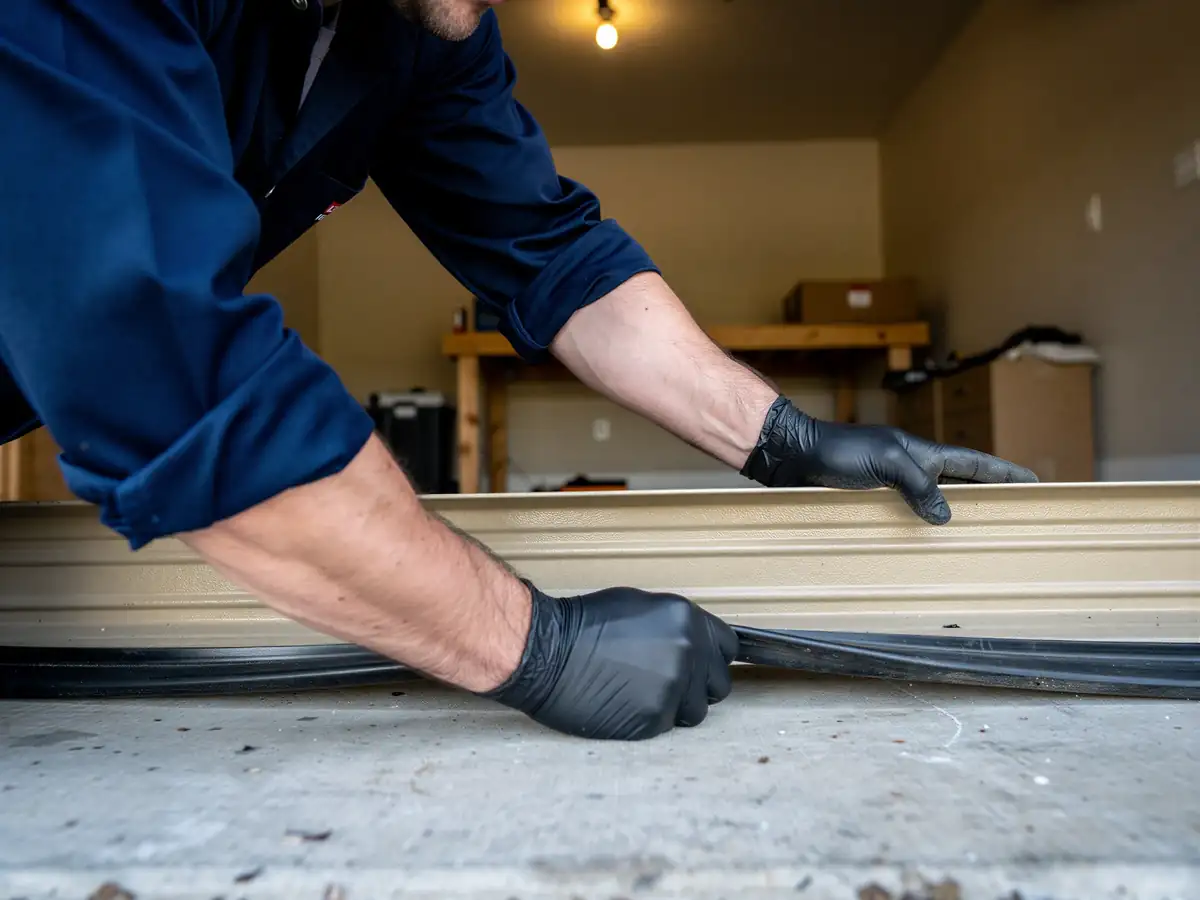
Start with the spring itself. Look for a visible gap in the coil or rust concentrated at one spot rather than spread evenly, both signs it's near the end. Next, disconnect the opener and lift the door by hand. It should move smoothly and stay put at waist height. If it drops or shoots up, the spring's lost its tension and the door is not safe to keep running on the opener until that's addressed. Check the bottom panel and the track brackets for rust bloom, especially where road salt spray collects in winter, since that's common on doors this age in a cold climate region. Last, check the cables at the bottom bracket for fraying. If the door is original to a 1960s or '70s build and the spring, cables, and rollers are all original too, replacing the full hardware set usually makes more sense than fixing one piece at a time.
Straight answers about garage door repair in Des Plaines. Still unsure? Ask us directly.
How do I know if my garage door is original to the house?
If your house was built in the 1960s or '70s, which covers a lot of Des Plaines, and nobody's mentioned a door replacement, there's a decent chance the door or at least its spring and track hardware is original. Check the spring for uneven rust or a visible gap in the coil. That's usually the first part to go on a door that old.
Does cold weather actually break garage door springs?
Yes. Steel gets more brittle as it gets colder, and a torsion spring near the end of its life is more likely to snap during a hard overnight temperature drop than during a mild stretch. This is one of the reasons older doors in a cold climate area fail in clusters during the coldest weeks of winter.
Is it worth replacing just the spring on an older door?
If the panels, track, and rollers are in good shape and the door still balances correctly once the new spring is on, yes. Where it stops making sense is when several parts are failing at once, which is common on doors original to houses built decades ago, since the labor adds up fast compared to a full replacement.