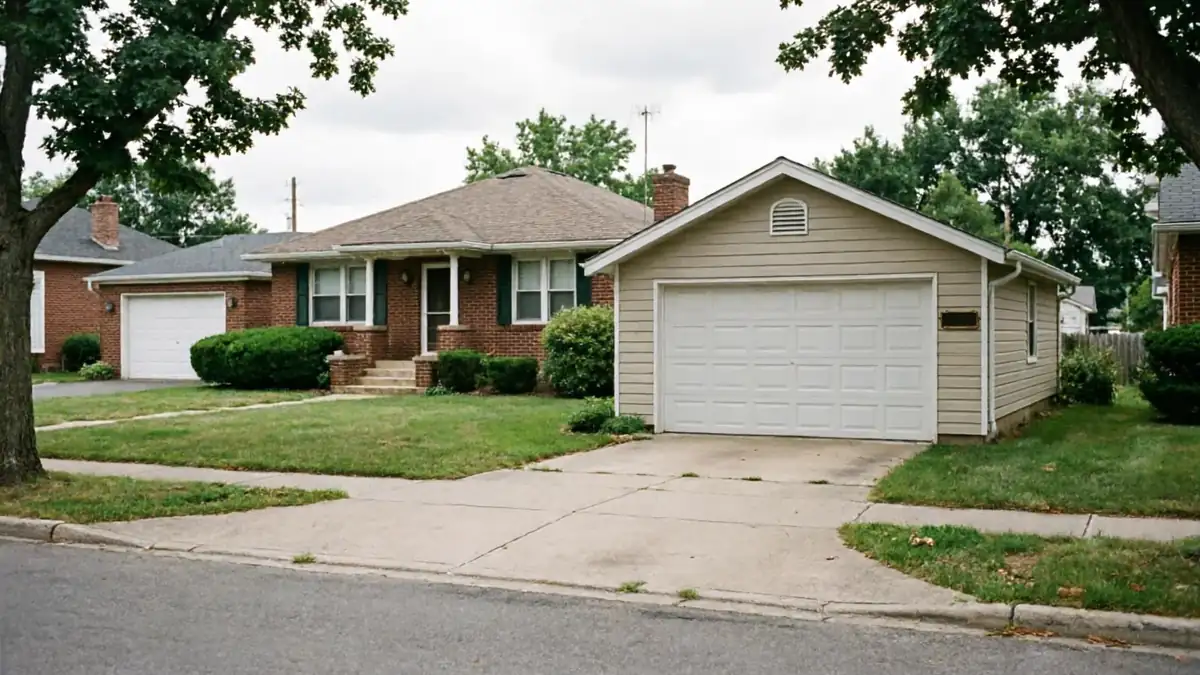
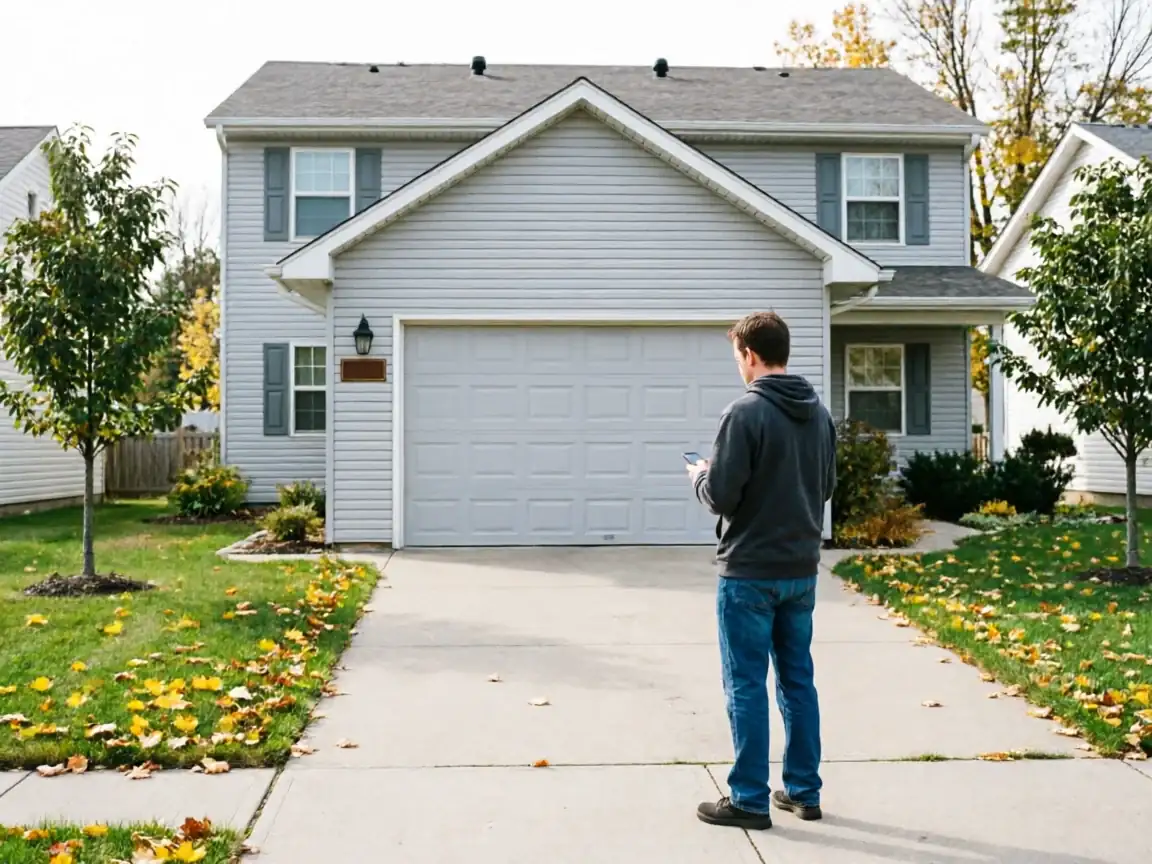
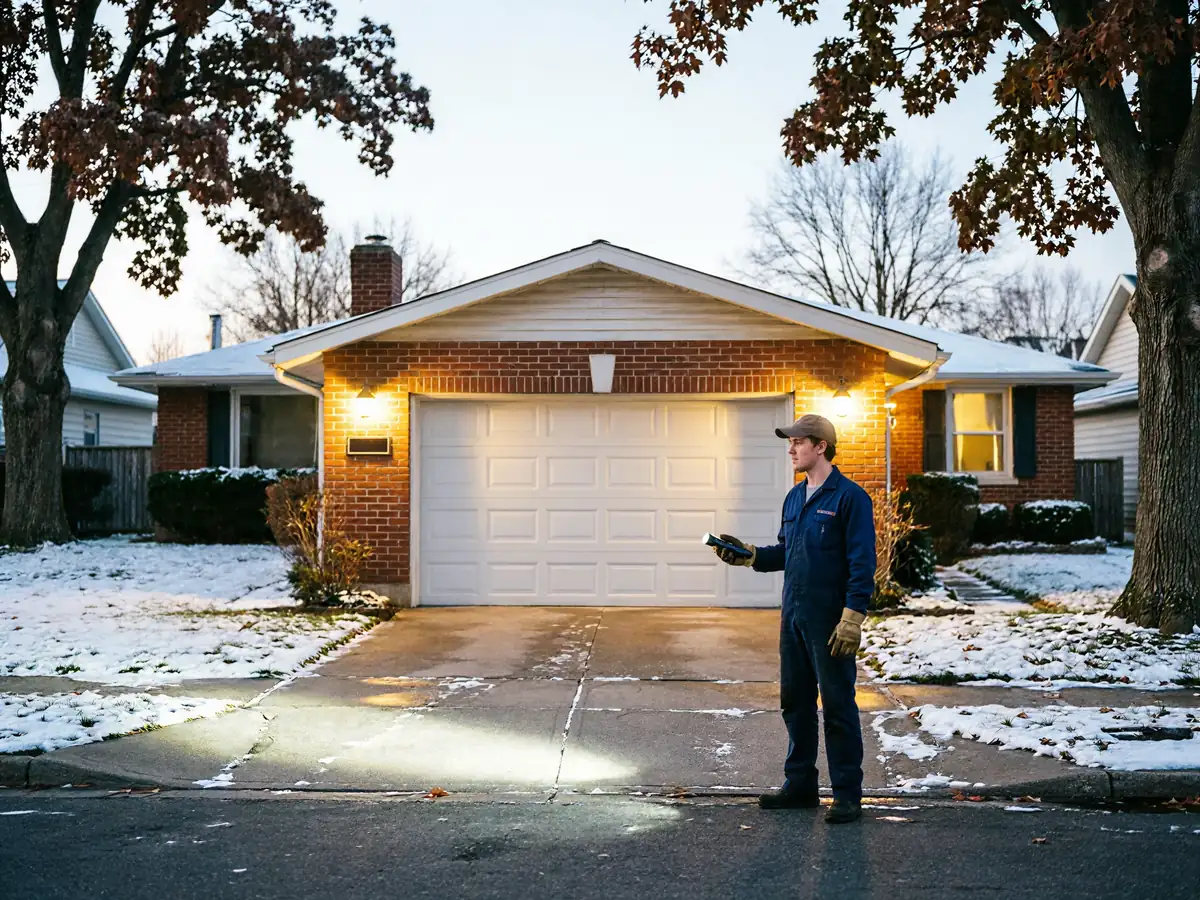
Most Des Plaines garages date back to houses built between 1938 and 1996
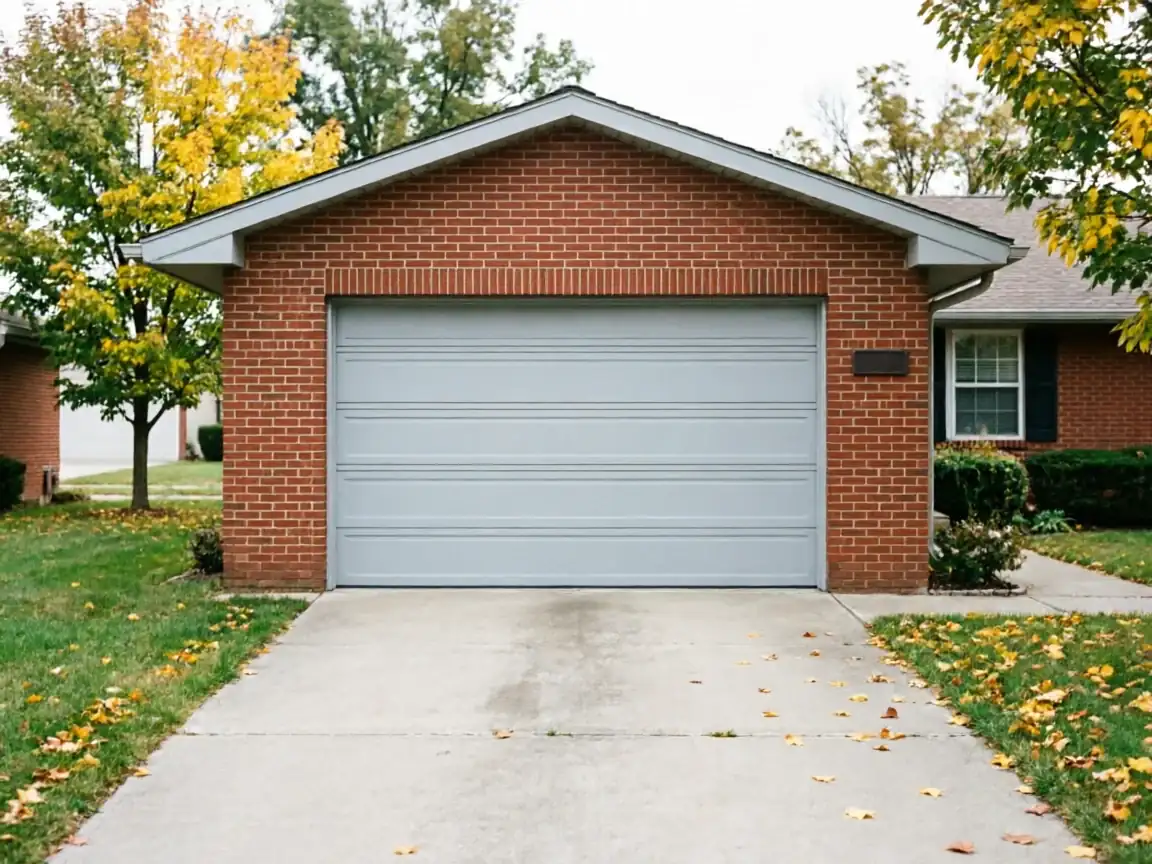
With the typical home going up around 1972. That spread matters because a detached garage from that era was usually framed as its own small building, on its own footing, with no heat source and no shared wall to borrow warmth from. An attached garage from the same build years shares at least one wall with conditioned living space, which changes how fast the door and track cool down overnight.
02
In a cold moderate climate band, that difference shows up every winter
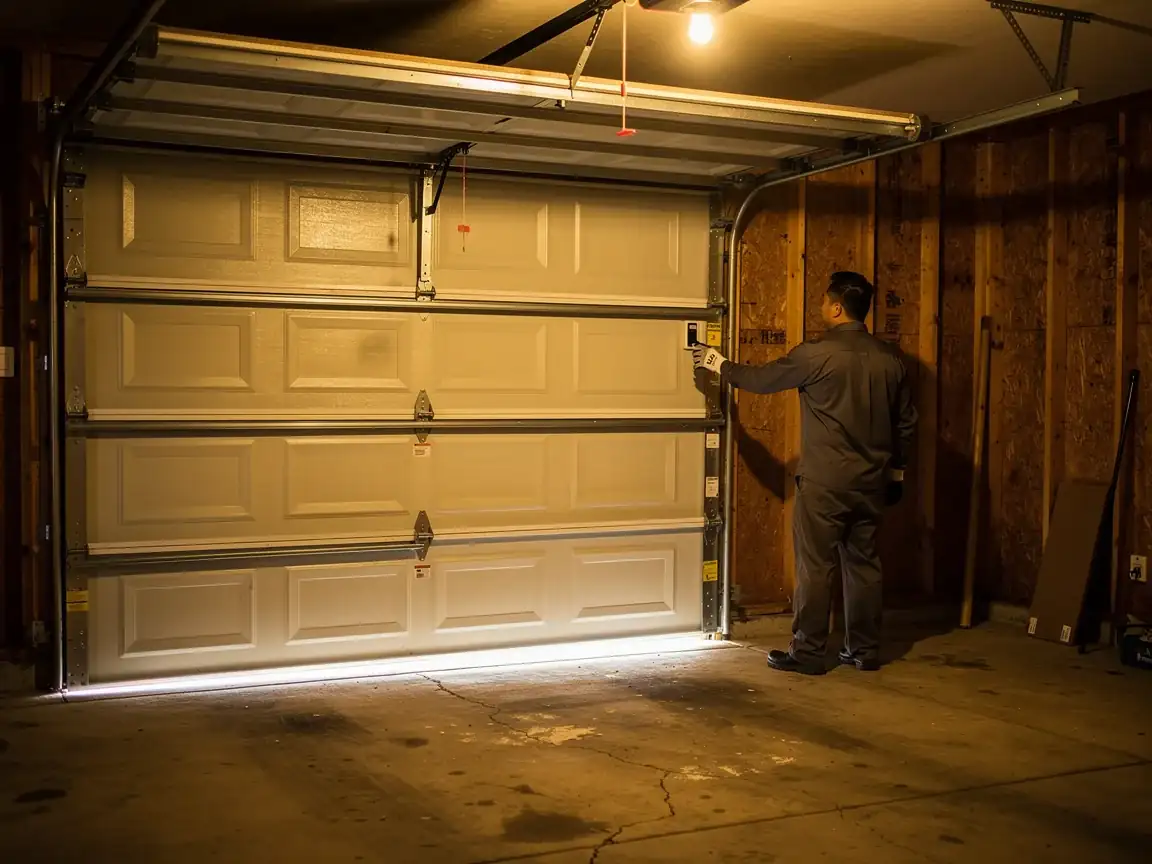
A detached garage door takes the full swing of outside temperature on all four sides - top, bottom, and both jambs - with nothing buffering it. The steel contracts, the weatherstrip stiffens, and a spring that was fine in October can start binding by January. An attached door loses heat through the panel but gets some benefit from the wall it's bolted next to, so the hardware doesn't see quite the same swing. Same door, same spring size, different exposure - and in this area, where a lot of the stock is 1960s-70s vintage steel with no insulation core, that exposure is the whole story.
When Waiting Is Fine
Not every noise from a detached garage needs a same-week call. If the door is original to a 1960s or 70s build and it's just gotten louder in cold weather - more rattle on the track, a slight catch at the bottom - that's often the steel and the hardware doing exactly what aging steel does in a cold moderate climate. Lubricating the rollers and hinges and giving it a season to see if the noise settles is a reasonable thing to try first.
An attached door that's merely stiff in the morning but closes fully and reverses on the safety sensor is usually fine to watch, too. The wall it shares with the house is keeping the worst of the temperature swing off the track, so a little morning stiffness isn't a sign the spring is about to go. Where we'd tell you not to wait: a door that won't fully seat, a cable that's frayed, or an opener that reverses without hitting anything. Those aren't climate quirks - they're wear, and on a door of this age that wear doesn't reverse itself.
The Problem
The actual problem in Des Plaines isn't that detached or attached garages fail more often - it's that homes here were mostly built in a 25-year window, 1938 to 1996, and a big share of that is clustered in the 1960s and 70s. That means a lot of the original hardware across this area is the same vintage, sized for doors that are lighter and less insulated than what's sold today. On a detached garage, that older hardware is doing its full job with zero help from an adjoining wall - it's the first thing to feel a cold snap and the first thing to show it.
On an attached garage, the issue is usually different: these are often slab additions poured sometime after the original house went up, which means the garage floor and the house foundation don't always move together through a frost cycle. That slab movement can tilt a frame just enough that a door that used to seal cleanly starts leaving a gap at one corner. Neither problem is dramatic. Both get worse if ignored through a second winter.
What to Check
01
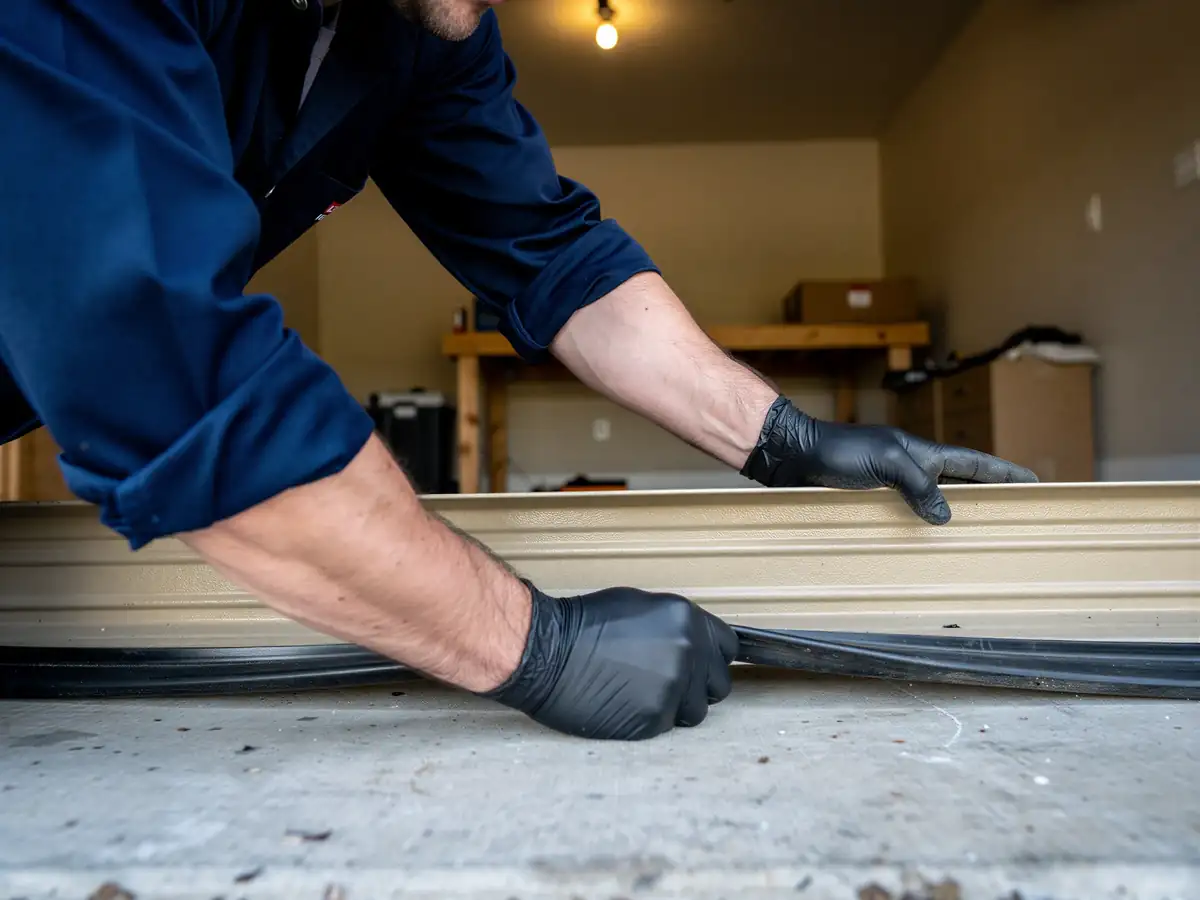
On a detached garage, check the bottom seal first
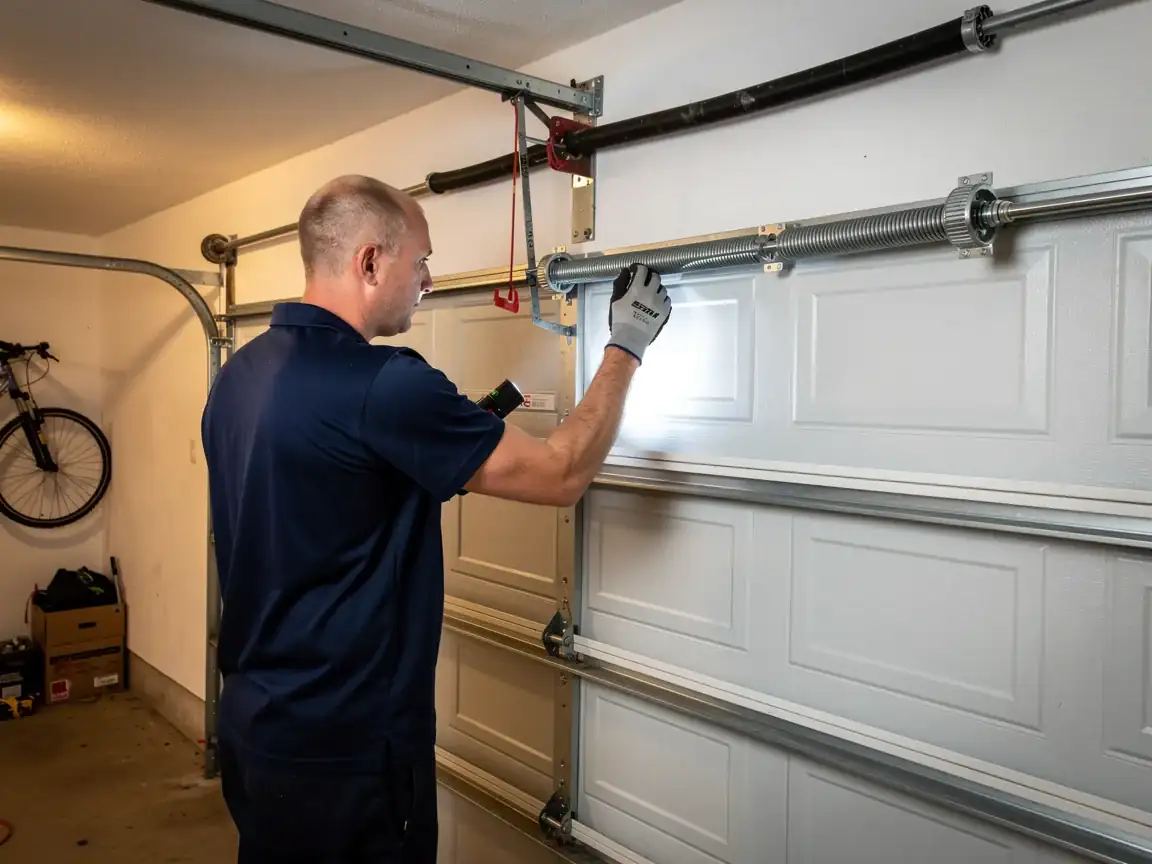
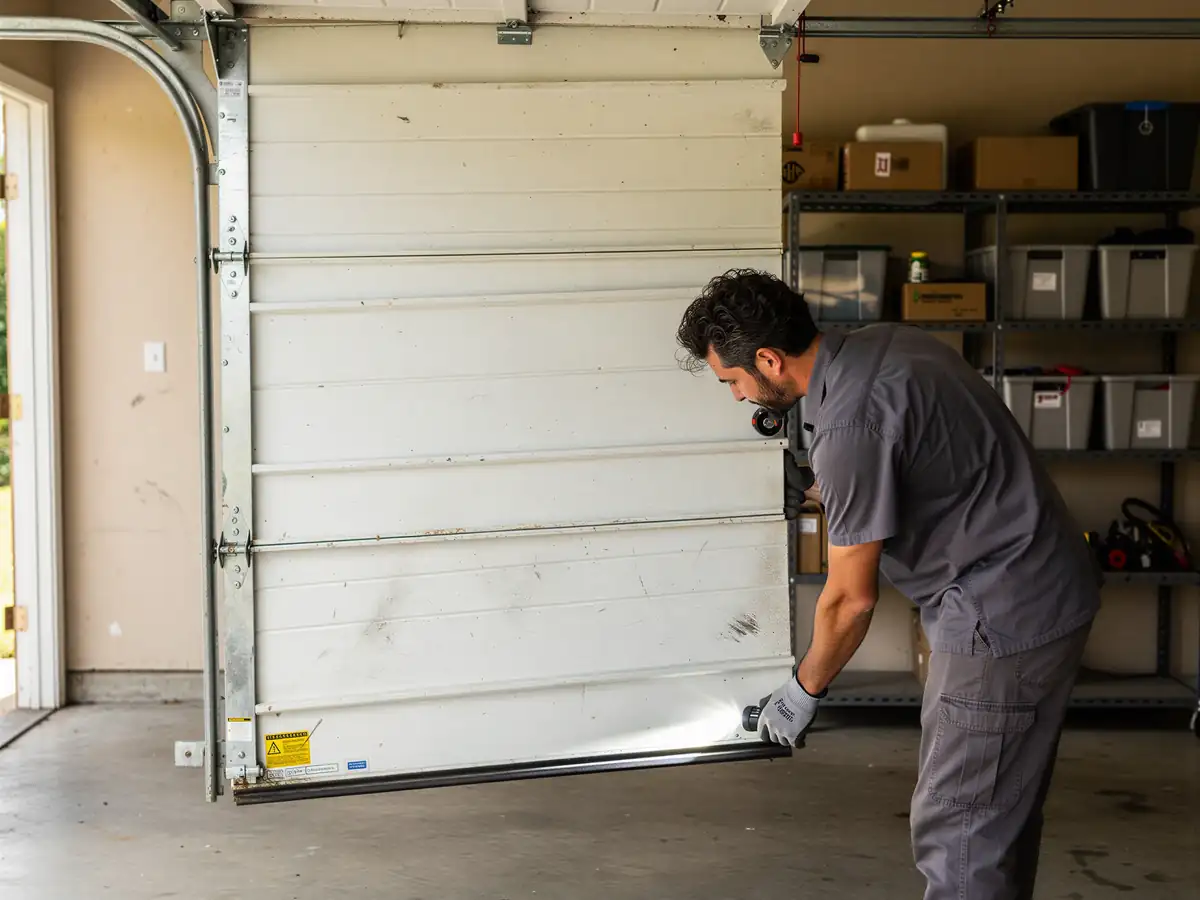
Pull up on the door partway and look at whether the weatherstrip is making even contact across the full width, or just at the center. Uneven contact on a standalone structure usually means the track has shifted slightly with the building settling, which happens on its own timeline in homes from this era.
02
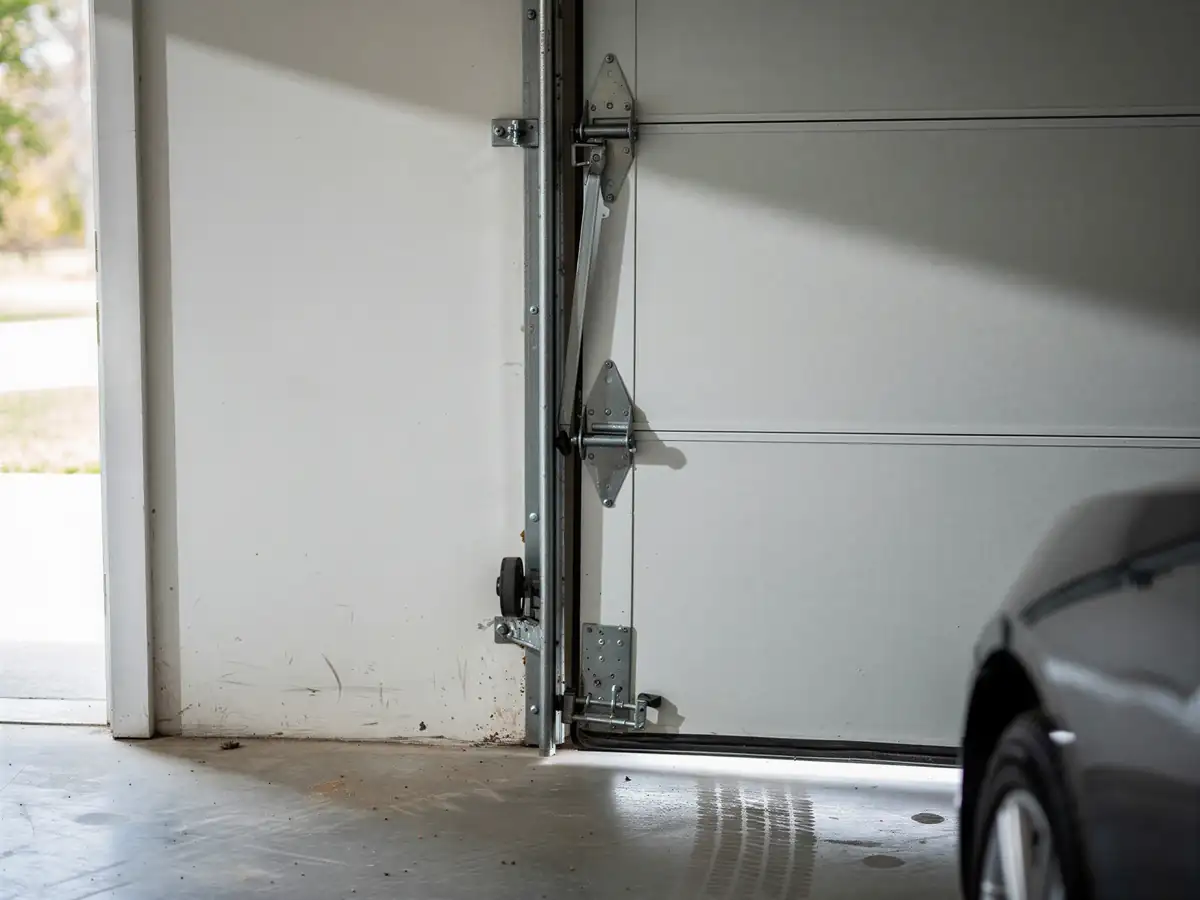
On an attached garage, check where the door frame meets the slab at both bottom corners
If one side has a visible gap that the other doesn't, that's the slab-and-foundation mismatch showing up, not a spring problem.
03
On either type, if the door is original steel from a 1960s-70s build
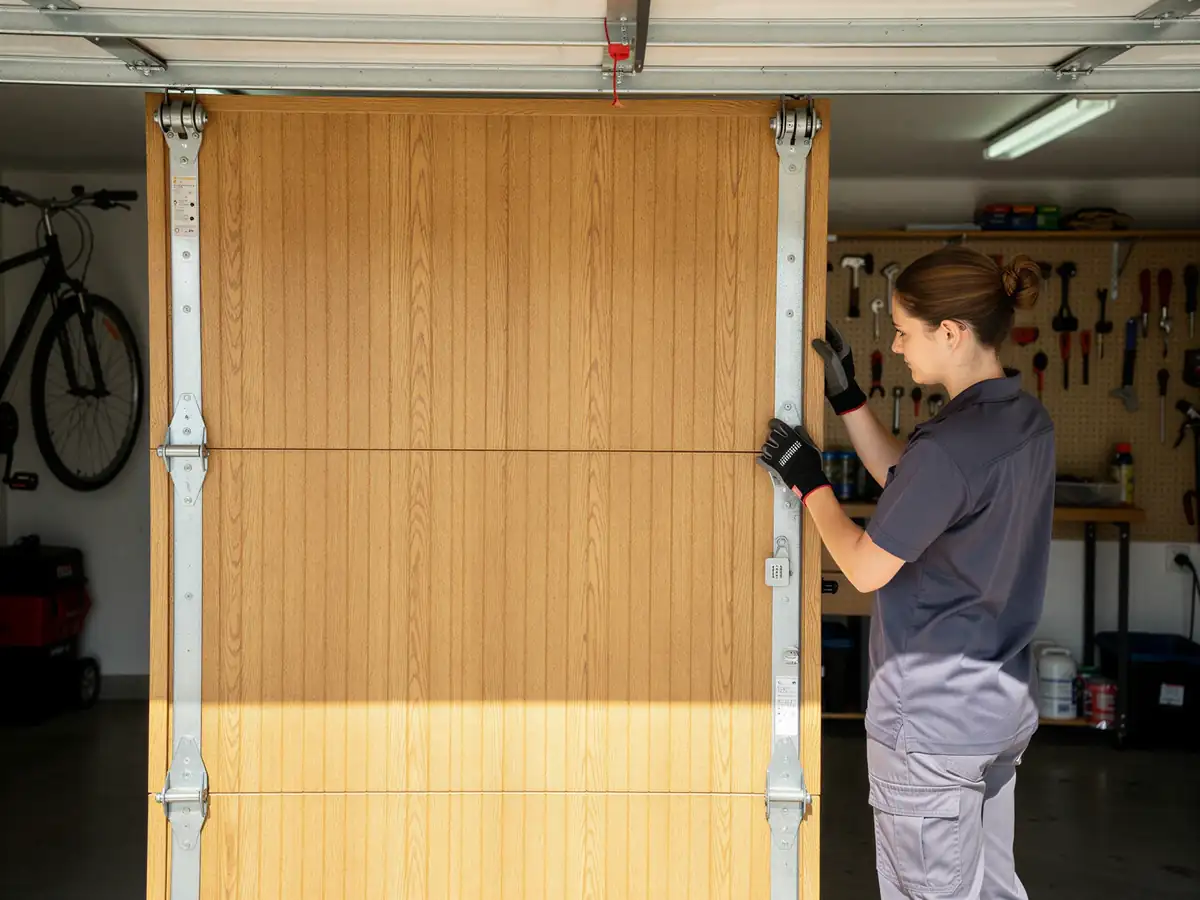
Look at the panel itself for flex when you push on it - thin, uninsulated steel will show some give that a modern insulated panel won't. That's not a defect, it's the door doing what it was built to do fifty-some years ago. We don't carry parts for every original hardware configuration from that period - some of it is old enough that replacement makes more sense than trying to source a match.
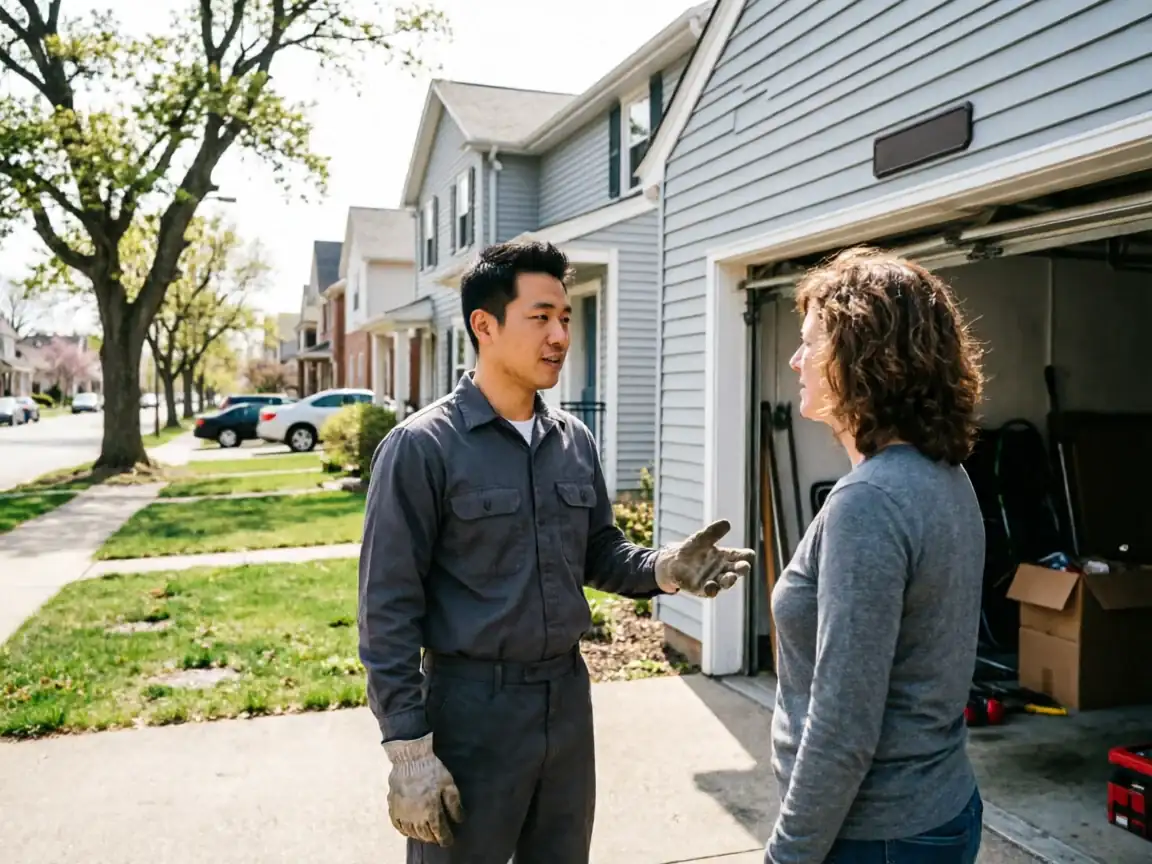
Straight answers about garage door repair in Des Plaines. Still unsure? Ask us directly.
Does a detached garage need a different door than an attached one in Des Plaines?
Not a different door model, but different expectations. A detached garage takes the full cold-moderate climate swing on all sides with no help from the house, so hardware tends to show wear sooner. An attached garage shares a wall with living space, which softens that swing but introduces its own issue - slab movement where the garage floor meets the house foundation.
My detached garage door is original to the house - is that normal around here?
Yes. Most houses in this area were built between 1938 and 1996, with the typical home going up around 1972, and a lot of that stock is 1960s-70s construction. It's common to find original steel doors still in place on detached garages from that period.
Why does my attached garage door seal unevenly at the bottom?
Attached garages are often slab additions poured after the main house foundation, and the two don't always settle at the same rate through winter frost cycles. That can tilt the frame slightly, leaving a gap at one bottom corner while the rest of the door seals fine.
Can I keep my 1960s-70s original garage door hardware?
Sometimes, but not always. Some original hardware from that era is old enough that we can't source a direct match anymore. If a part is failing rather than just worn, replacement with modern equivalent hardware is often the more practical call.