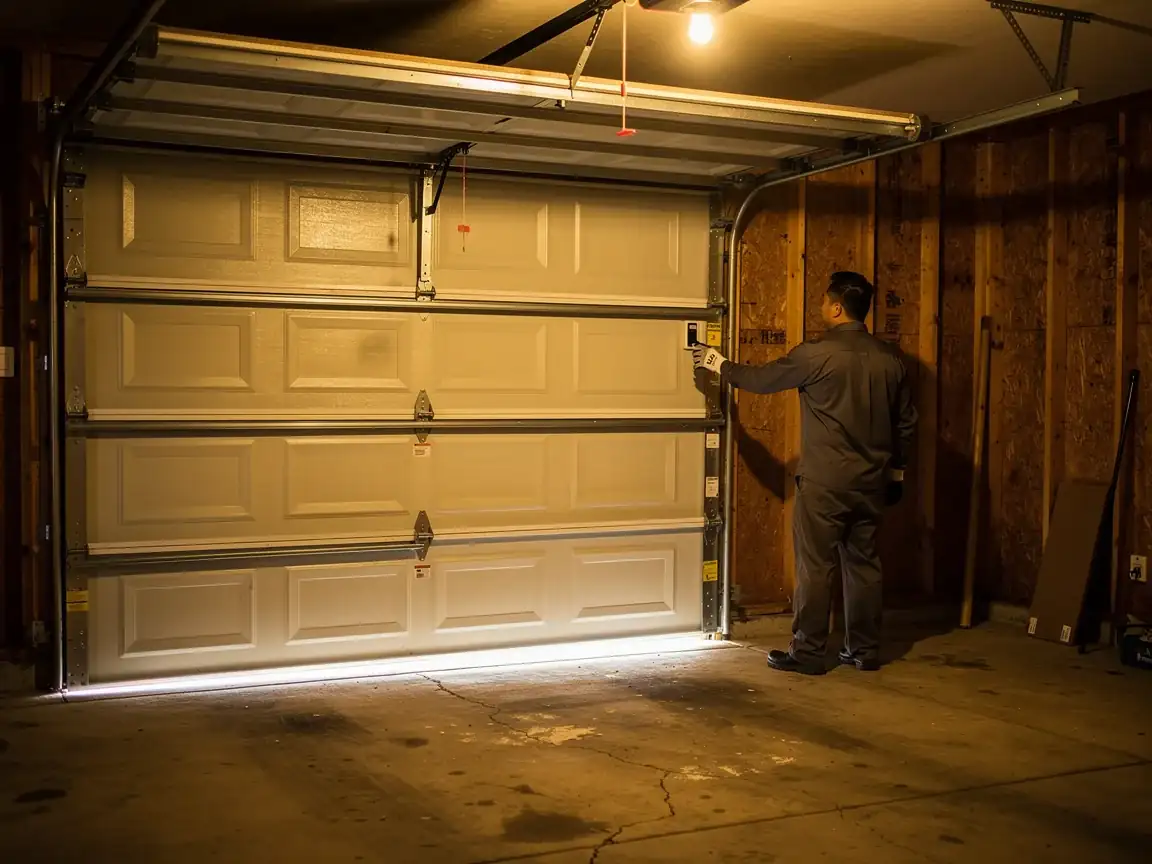
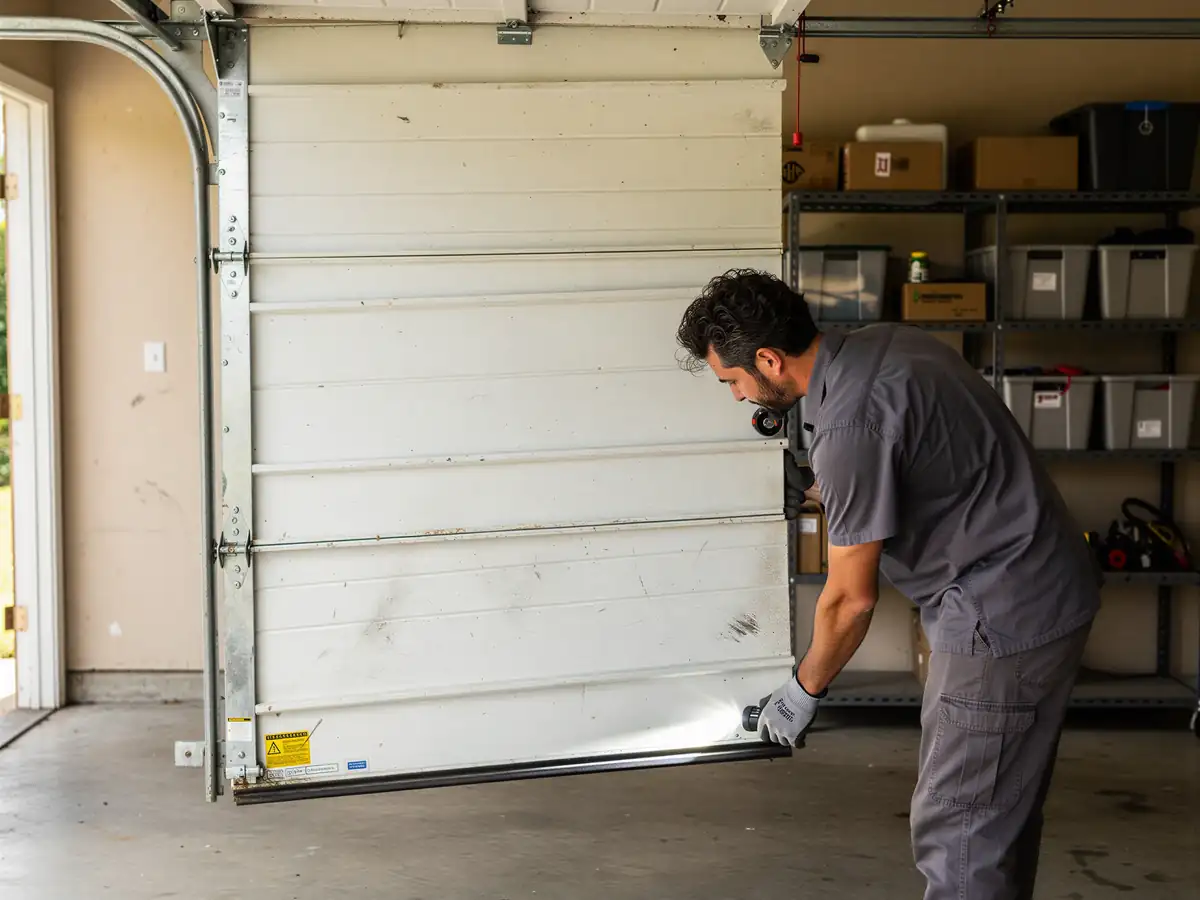
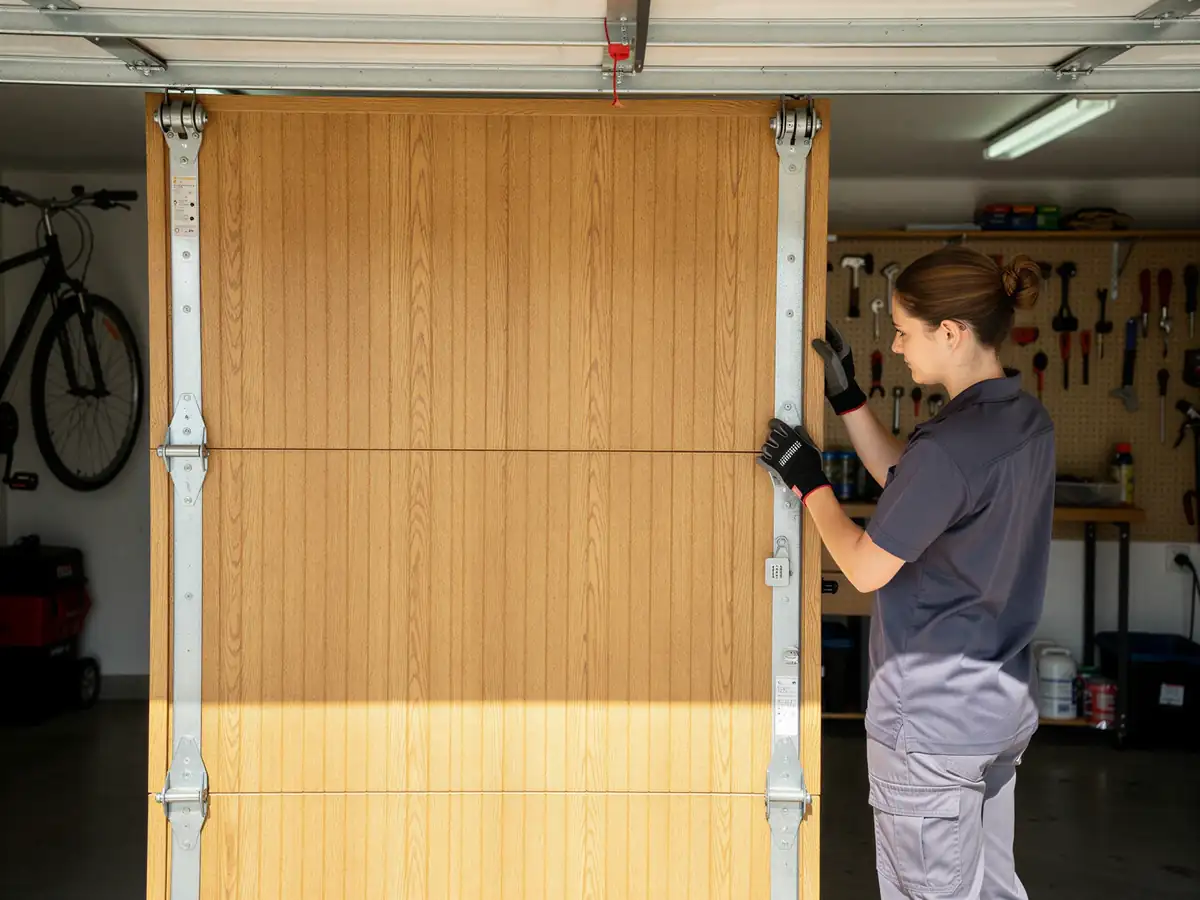
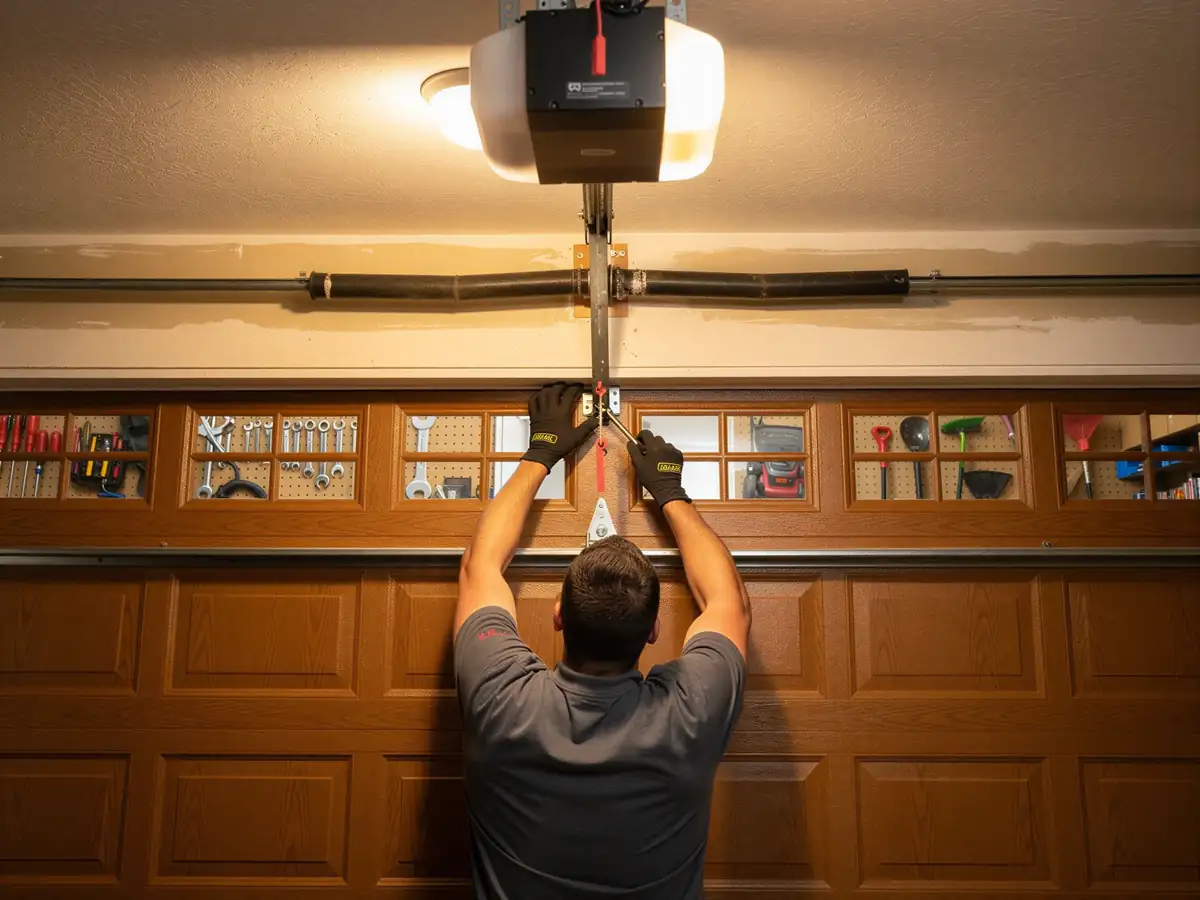
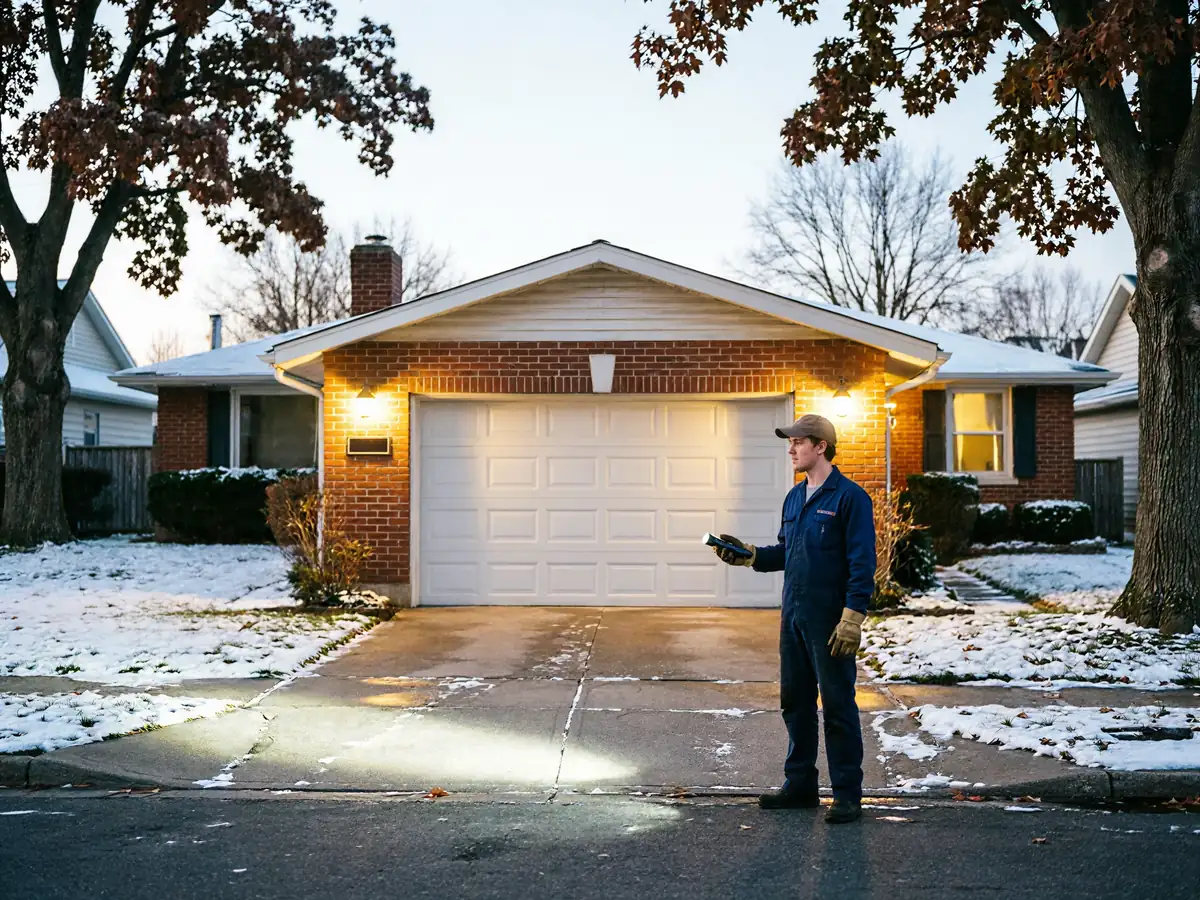
Des Plaines Garage Door Pros covers what a technician checks first on 1938-1996 homes, where cold winters stress aging torsion springs and worn rollers.
Most houses in this part of Des Plaines went up somewhere between 1938 and 1996, with the typical build dating to 1972, and the bulk of the stock reflecting 1960s-70s construction methods. That matters because a door and opener installed or replaced during that window was sized and sprung for a lighter steel panel than what's common now, and the hardware wasn't built with 50 more years of thermal cycling in mind. Add a cold-moderate climate on top of that - real winters, real swings between a 20-degree morning and a 45-degree afternoon - and you get steel brackets that contract and expand, galvanized torsion springs that lose coating integrity faster than they would in a mild climate, and nylon rollers that go brittle in January and loud by February. None of this is dramatic. It's slow wear that shows up as a specific set of symptoms: a door that's quieter in July and grinds in December, a spring that held fine for fifteen years and then snaps on the coldest week of the year. A technician who knows the housing stock here starts by assuming the hardware is older than the homeowner remembers, because odds are it is.
When Waiting Is Fine
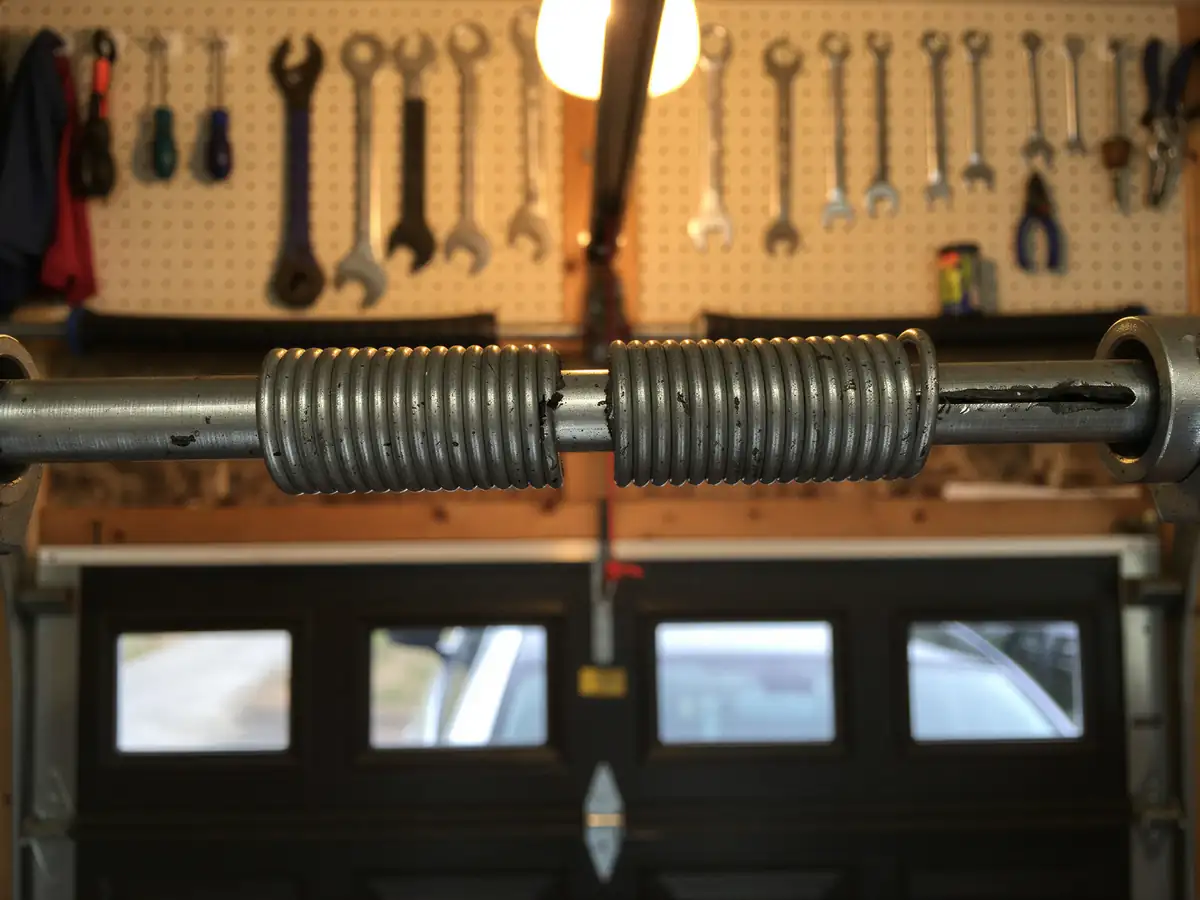
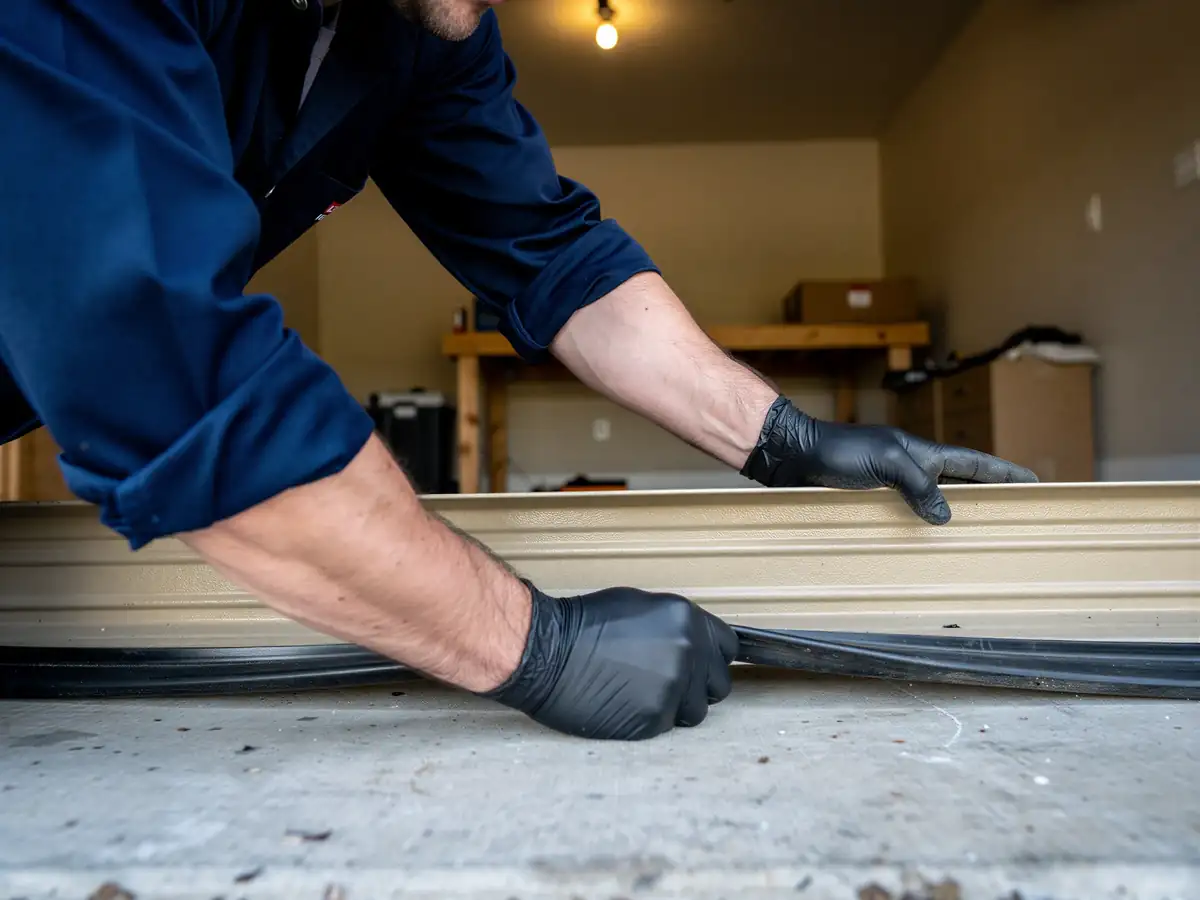
Not every noise is an emergency, and we won't tell you otherwise just to get a truck out. If your door is still opening and closing on command, tracks straight, and the only issue is a squeak that shows up on the coldest mornings, that's a lubrication problem, not a safety one - it can wait for a scheduled visit. Same goes for a slightly uneven gap at the bottom of an older panel; on a house from the 1960s or 70s, a quarter-inch of settling in the slab or jamb is normal and rarely worth tearing into unless the door is binding. Cold-climate moderate conditions mean we don't get the extreme freeze-thaw heaving that cracks slabs in harsher zones, so a lot of the alignment issues that would be urgent elsewhere are cosmetic here. What isn't fine to wait on: a spring that's visibly gapped or rusted through, a cable that's frayed, or a door that reverses unpredictably. Those get worse with one more cold snap, not better. The honest answer is that most of what people call in a panic about is the squeak, and most of what should worry them is the thing they haven't noticed yet.
The Problem
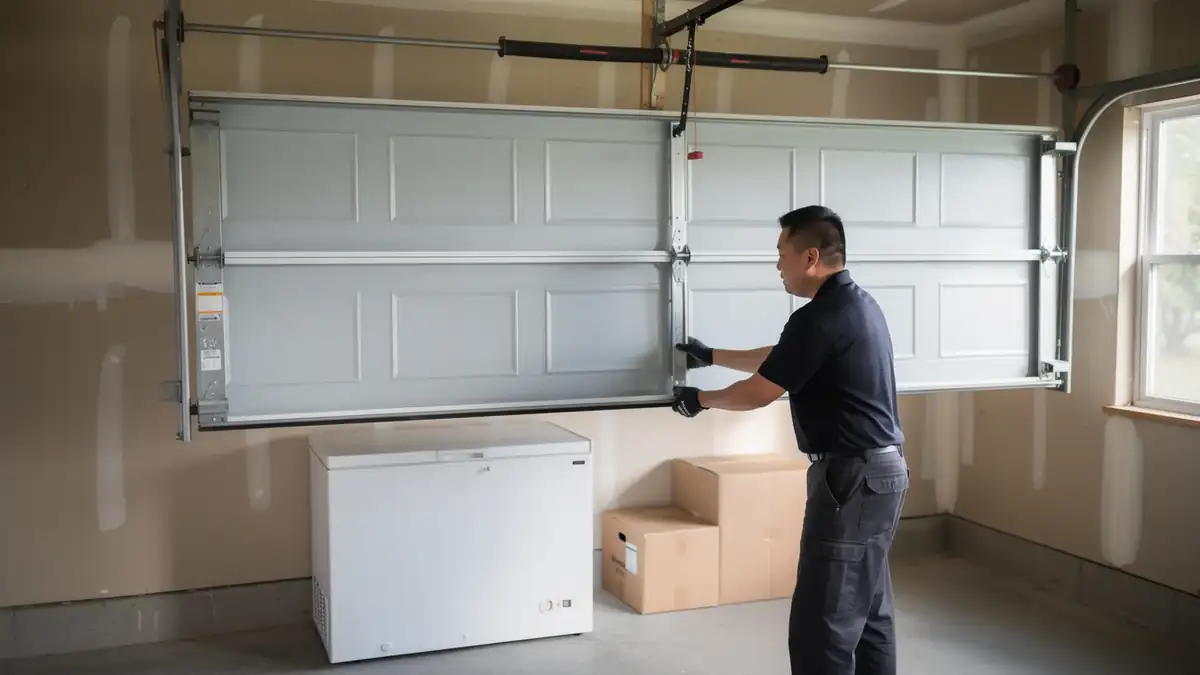
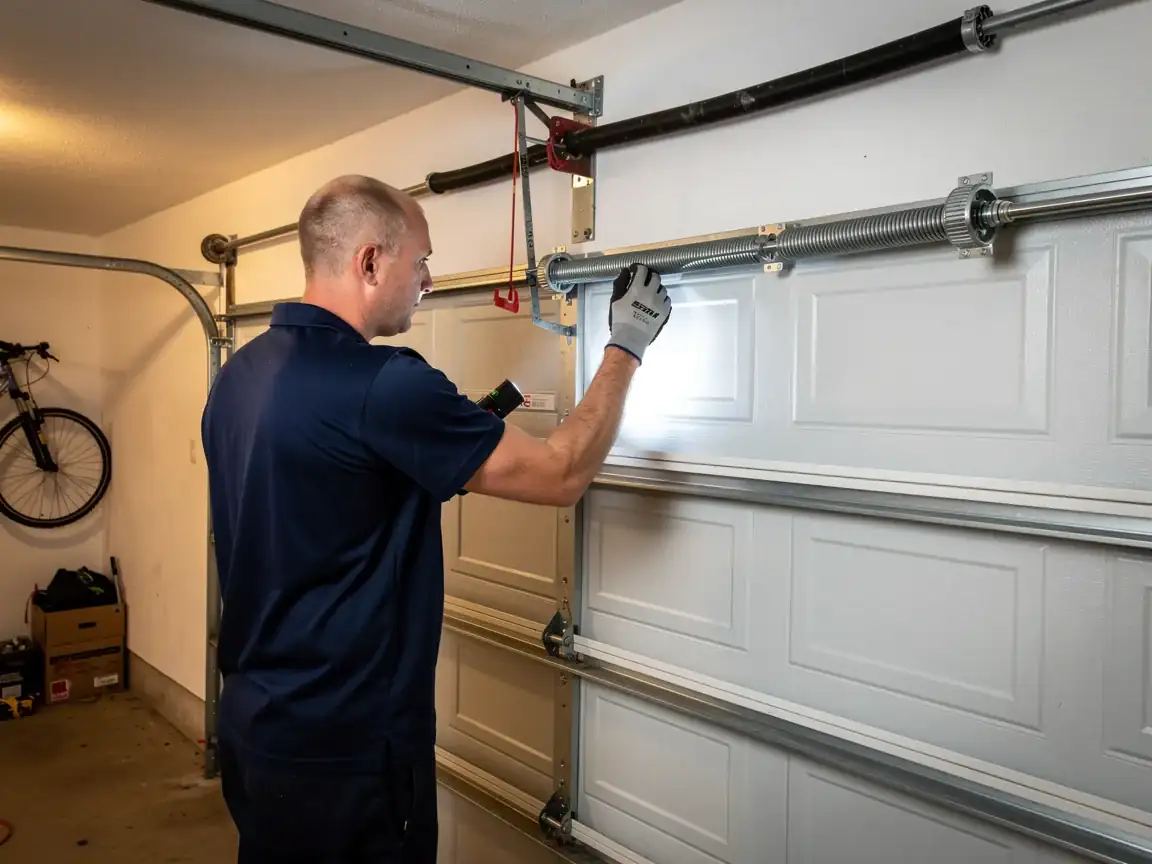
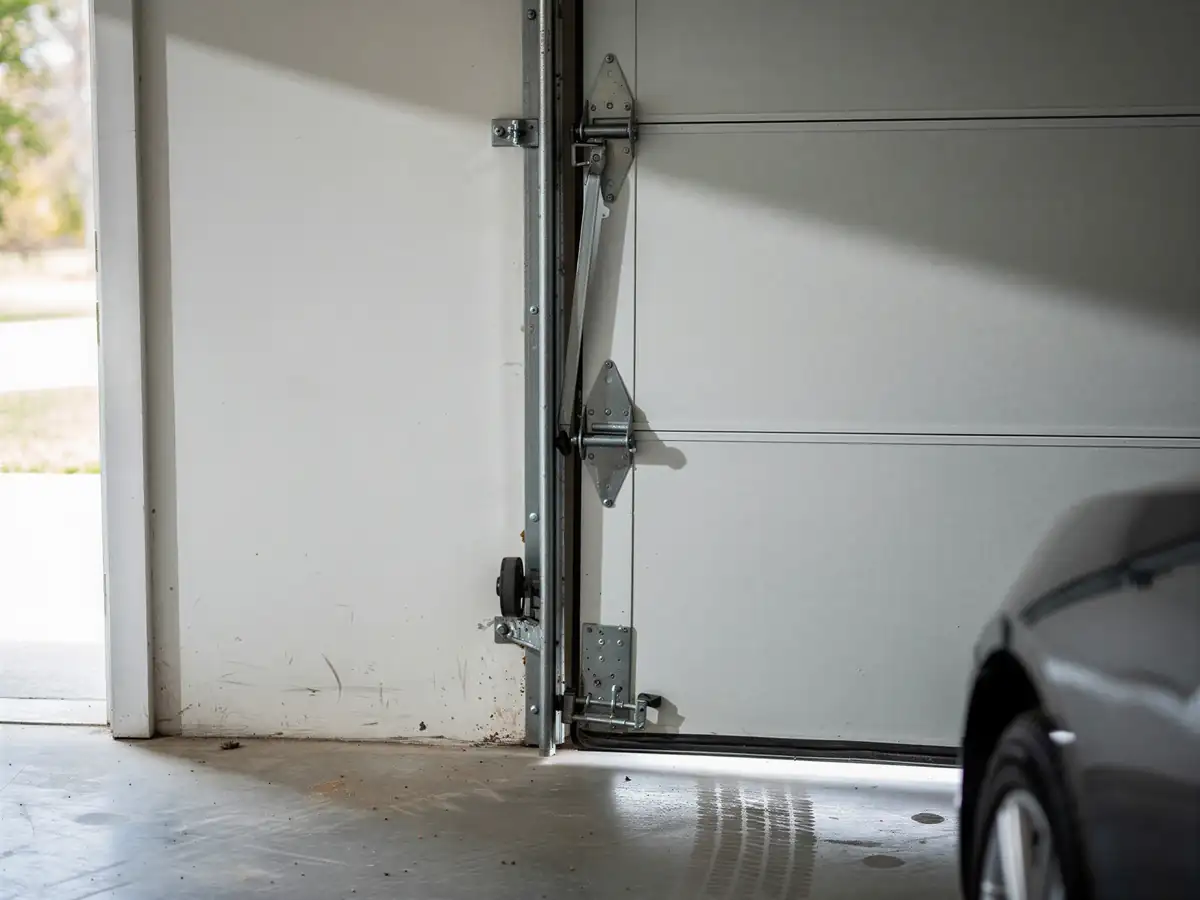
The recurring failure on houses from this era is a torsion spring that was never upgraded past its original cycle rating, paired with a steel track that's held plumb by shims nobody has checked since the house was built. On a home dating to the 1972 median, that's roughly five decades of a spring doing a job it was sized for once, under load conditions - door weight, insulation added later, a heavier replacement panel - that have since changed. Cold makes it worse: steel springs lose a measurable amount of tensile give as temperature drops, so the same spring that flexed fine in August is under more real stress in January, right when galvanized coating on an older spring has usually started to pit. The second common issue is drift in the track-to-jamb alignment on houses built before modern framing tolerances were standard; a track that's a sixteenth of an inch off doesn't matter in June but binds a roller hard enough to seize it once cold tightens every clearance in the system. Neither problem announces itself cleanly. They show up as
Straight answers about garage door repair in Des Plaines. Still unsure? Ask us directly.
Why does my garage door get louder in the winter?
Cold tightens metal-on-metal clearances and stiffens any grease or lubricant left on rollers and hinges, especially on hardware original to a 1960s or 70s build. The noise isn't new damage - it's old wear becoming audible once temperatures drop. A technician checks roller condition and track alignment before assuming the opener itself is at fault.
How old does a torsion spring have to be before it's a risk?
We don't have a universal cycle count to quote you without seeing the spring, but on a house built in the 1960s-70s window, a spring that's never been replaced has outlived its typical duty cycle. Combined with a cold-climate winter adding stress, that's the spring we check first, not the opener.
Is it normal for my door to sit slightly crooked?
On houses from this era, minor settling in the slab or jamb is common and usually cosmetic. It's only a problem if the door binds, drags, or the gap is uneven enough that the door won't seat evenly on both sides. If it closes square and doesn't scrape, it can wait for a scheduled check rather than an emergency call.