Uninsulated Garage Doors in Des Plaines: What the Housing Stock Tells You
Des Plaines homes built between 1938 and 1972 often have garage doors with no insulation layer at all. Here's what that means in a cold-climate winter.
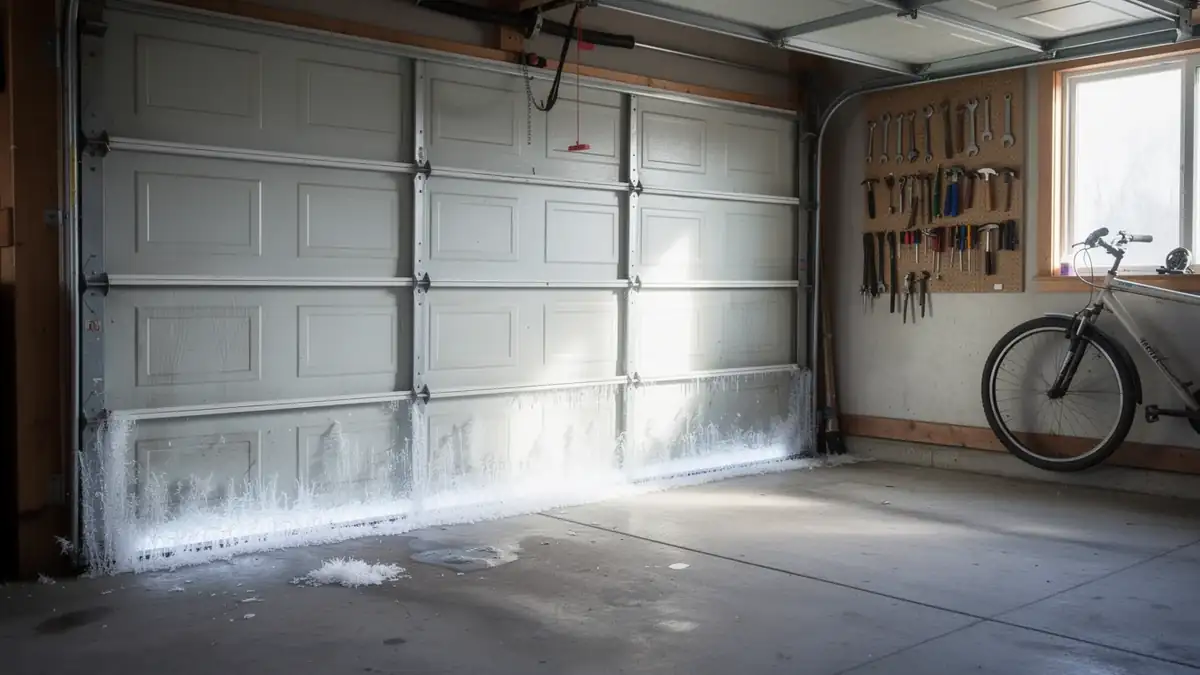
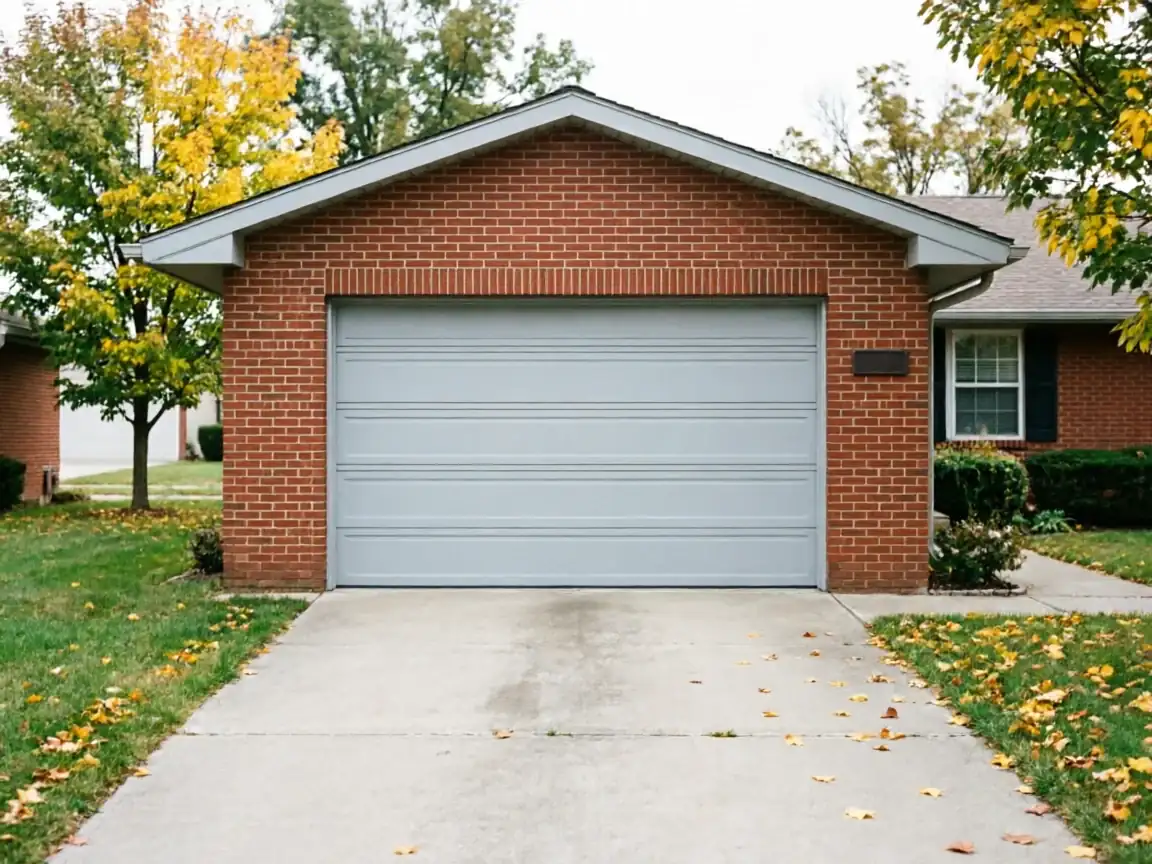
Des Plaines housing runs mostly 1938 to 1996, with a median build year of 1972, and the bulk of the stock across the area's named neighborhoods dates to the 1960s and '70s. Insulation requirements for garage doors weren't standard practice when most of these houses went up, which means a lot of original or early-replacement doors here are single-layer steel or wood with no foam core and no thermal break at the track. In a cold-moderate climate band like this one, that single layer does two things: it lets the garage run close to outdoor temperature all winter, and it sweats condensation on the inside face when warm house air meets a cold panel. If your attached garage shares a wall with living space, or if pipes run through it, an uninsulated door from that era is doing you no favors on the coldest stretches of the season. This isn't a defect so much as a product of when the house was built - the door matches the code and materials available in 1965 or 1972, not what's built today. Knowing your house falls into that window tells you what to look for before you assume a problem is mechanical rather than material.
When Waiting Is Fine
Not every uninsulated door needs attention right now. If your garage is detached, unheated, and holds nothing that minds the cold, a single-layer door from the 1960s or '70s can keep doing its job for years with no change. The lack of insulation only matters where it touches a heated space or where moisture has somewhere to collect and freeze. If the door still seals at the bottom, closes square in the track, and you're not seeing frost or rust bloom on the inside panel, there's no reason to replace it on a calendar. A lot of Des Plaines garages built in that mid-century window are standalone structures, and for those, an insulated upgrade is a comfort choice, not a repair. The honest answer is that insulation value matters most when the garage is functioning as semi-living space - a workshop, a laundry spot, a room over an attached heated wall. If that's not your situation, put the money toward something that actually fails.
The Problem
The trouble shows up on attached garages where the house was built in that 1938-1996 window and the original door was never swapped for an insulated model. Cold steel against warm interior air condenses, and that moisture runs down into the bottom seal, the track, and sometimes the slab. Over a full cold season that cycle of wet-then-freeze works on the hardware too - rollers, hinges, and the bottom bracket see more corrosion than they would on an insulated door that keeps the panel temperature closer to room temperature. On houses from the 1972 median build year especially, we also see the original door still running on its original track alignment, which was never engineered with a heavier insulated panel in mind, so a straight swap isn't always a drop-in job. The door isn't broken in the sense of failing to open and close - it's just losing you heat and building moisture damage you don't see until the bottom panel rusts through or a roller seizes mid-winter.
What to Check
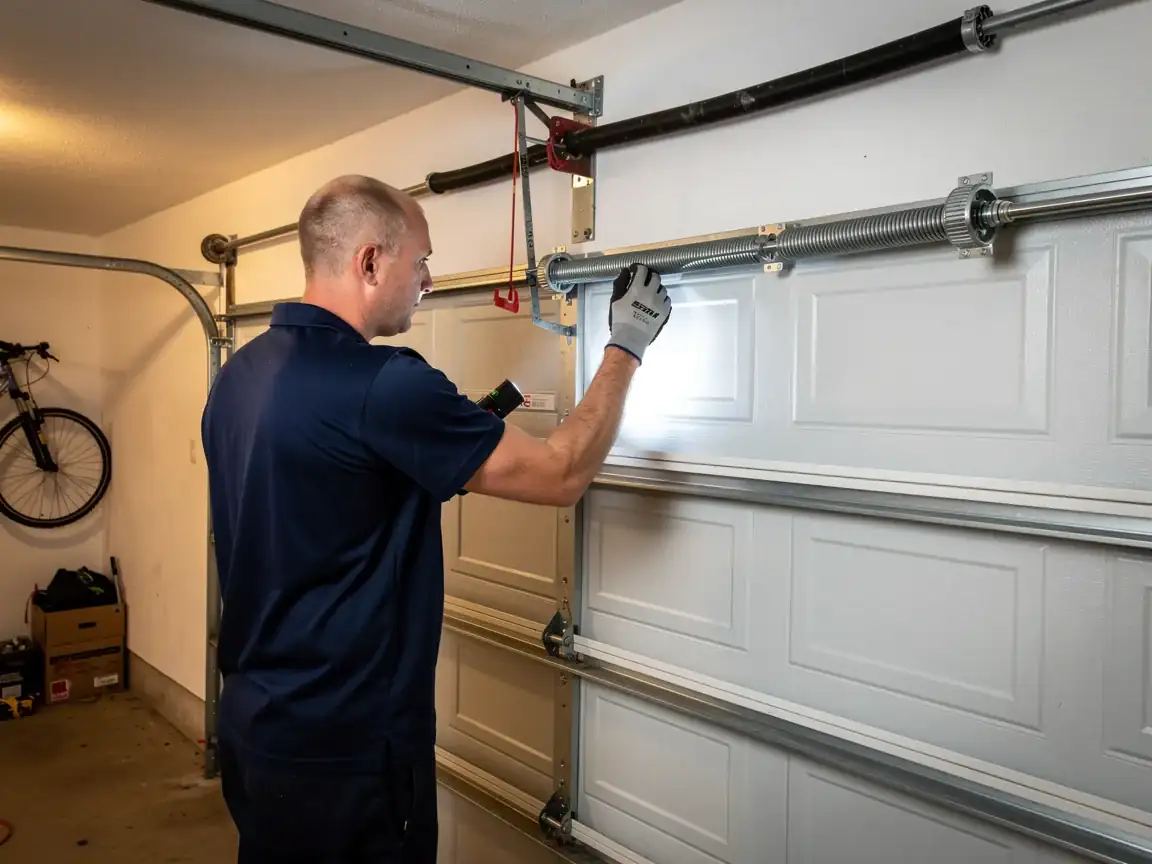
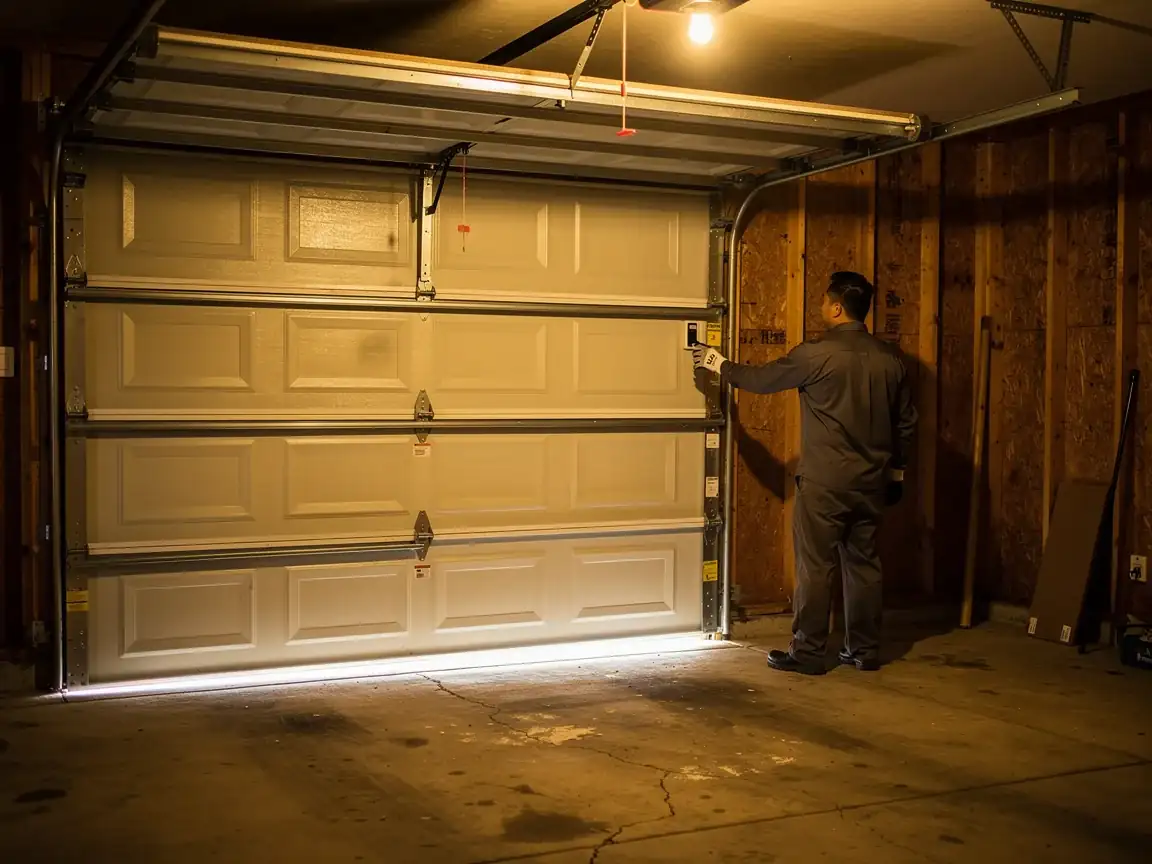
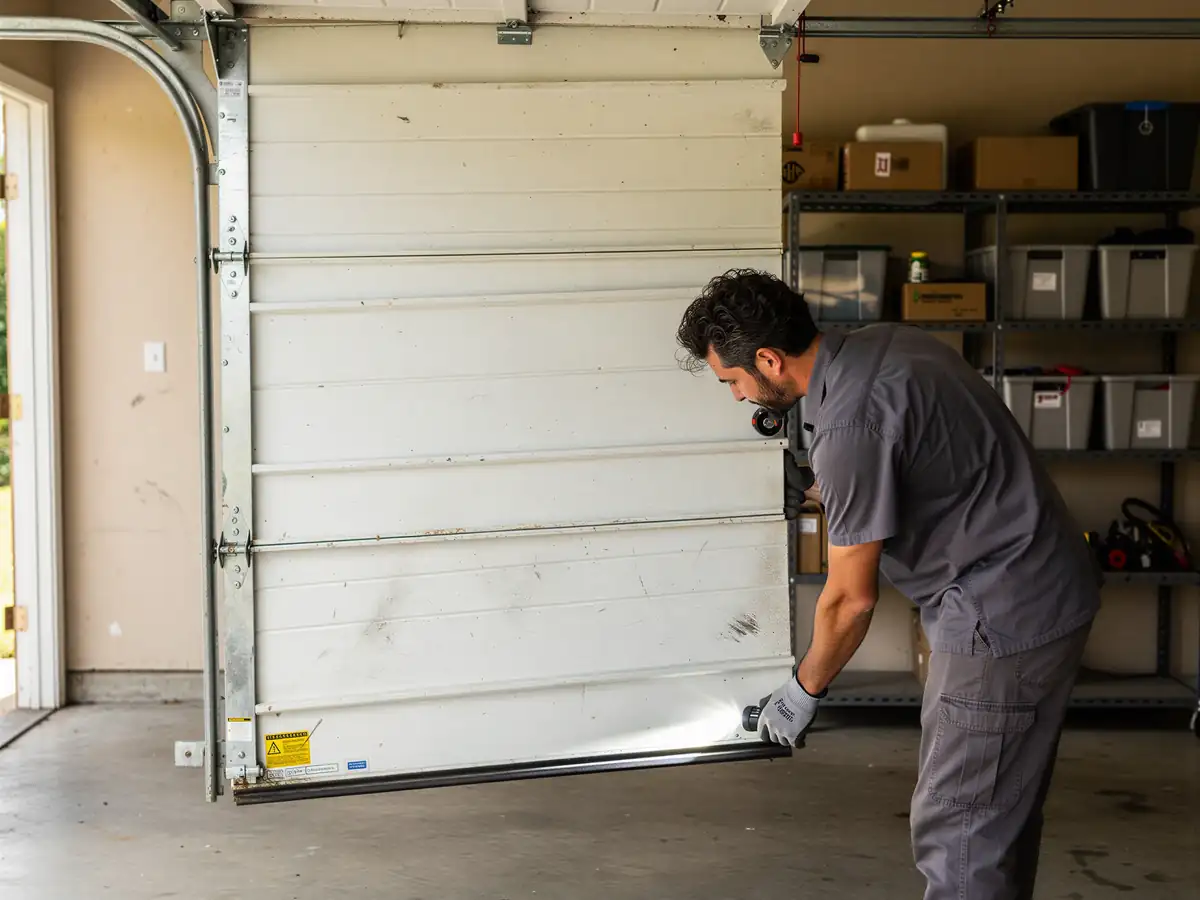
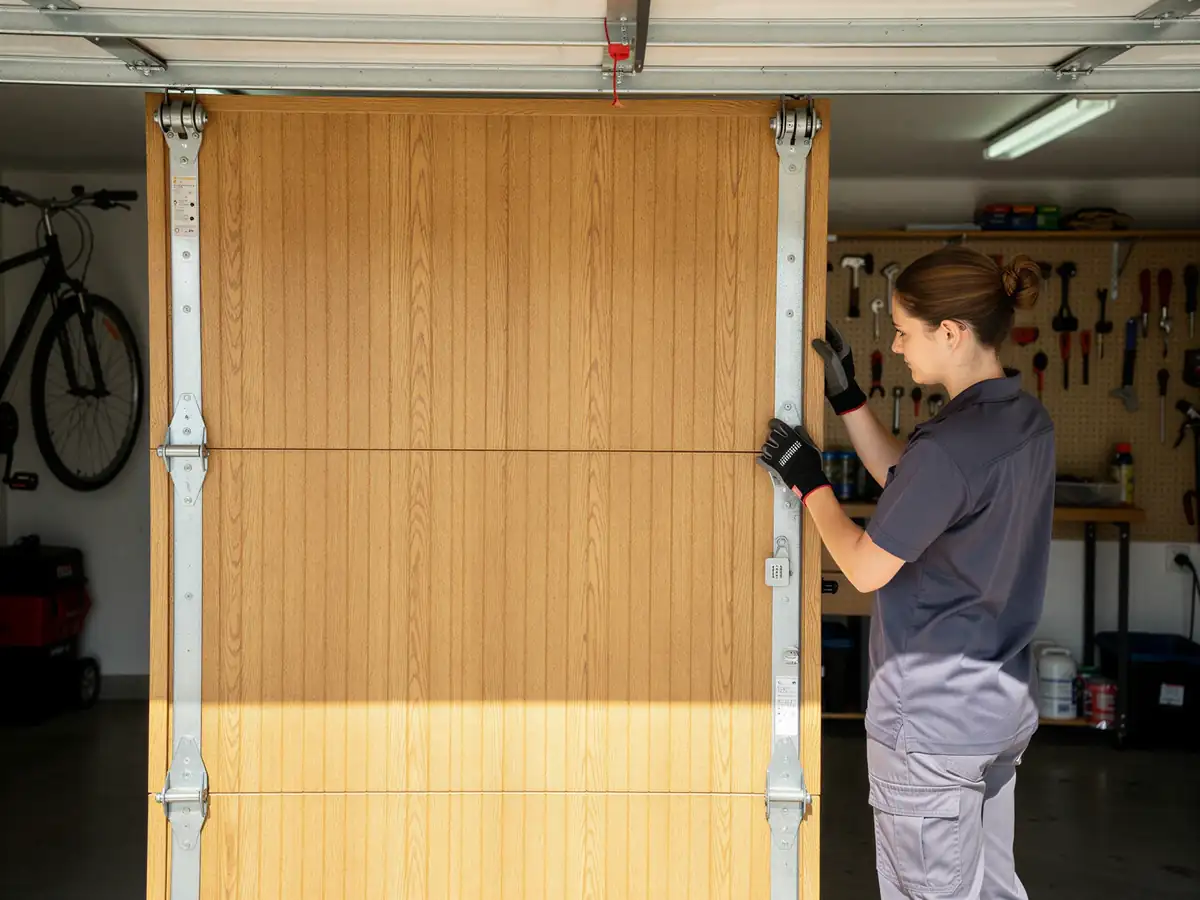
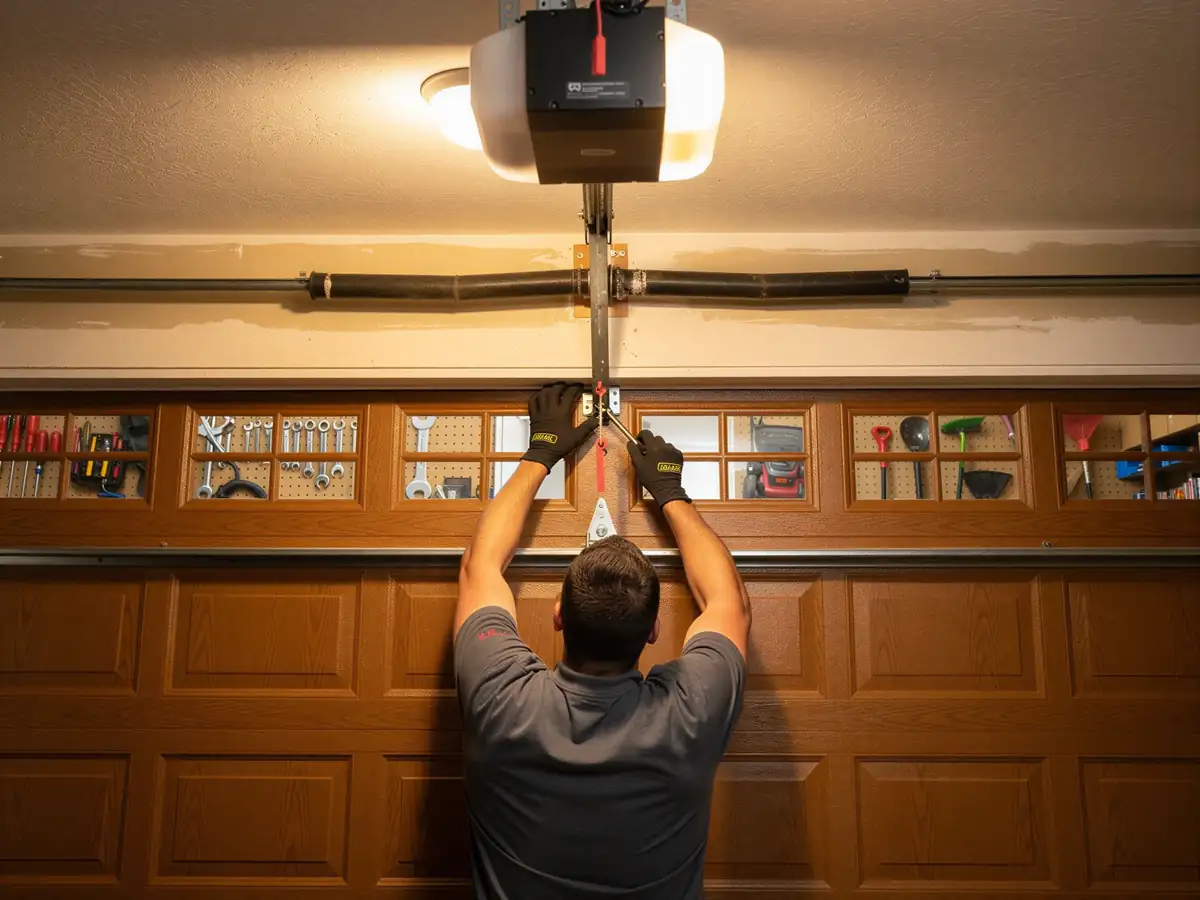
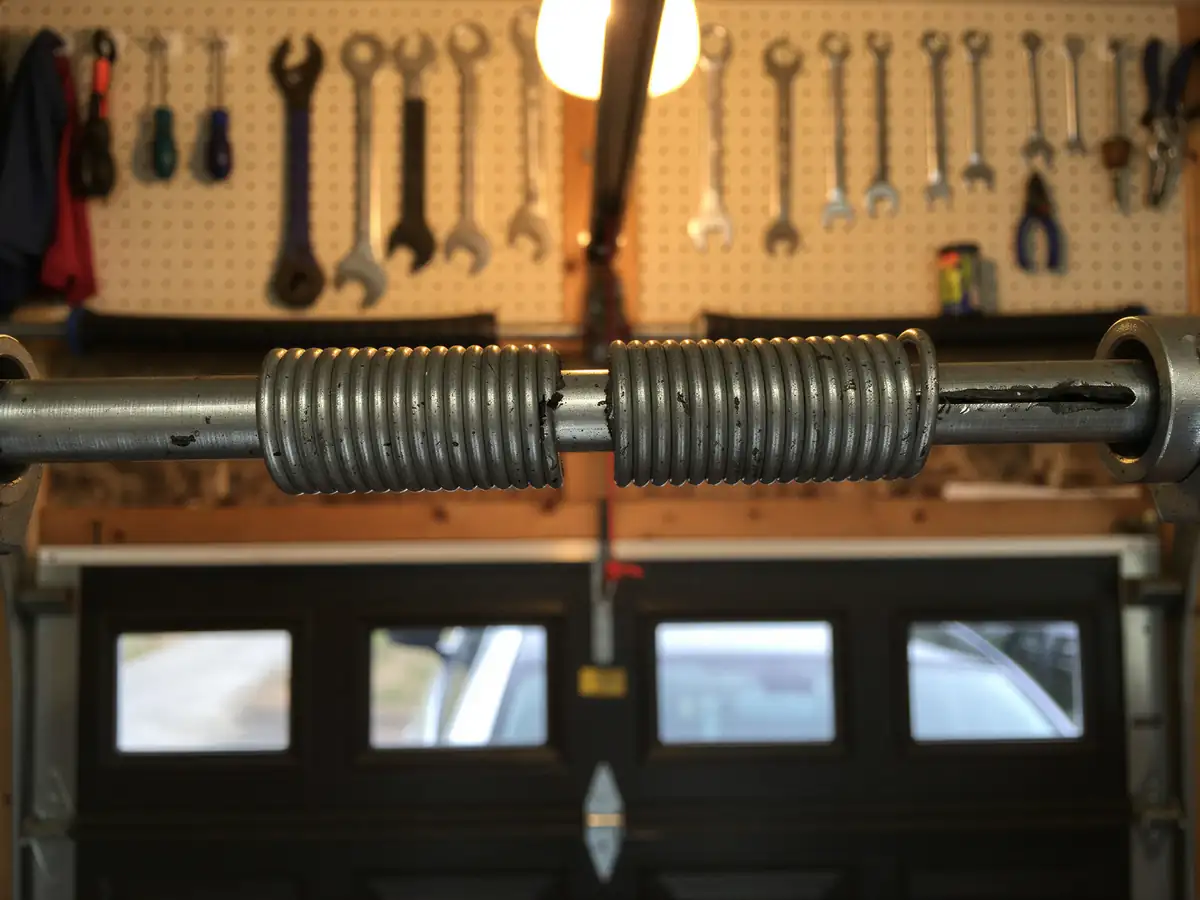
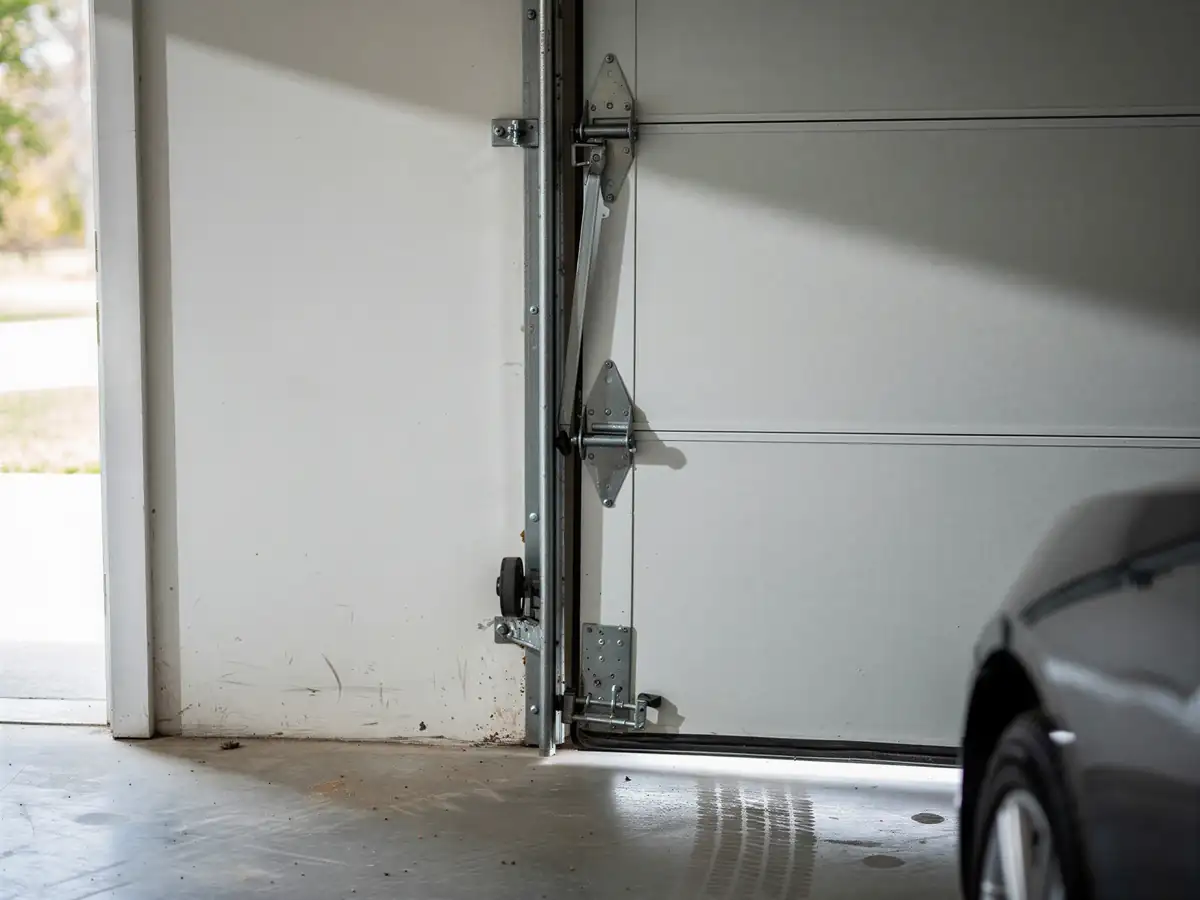
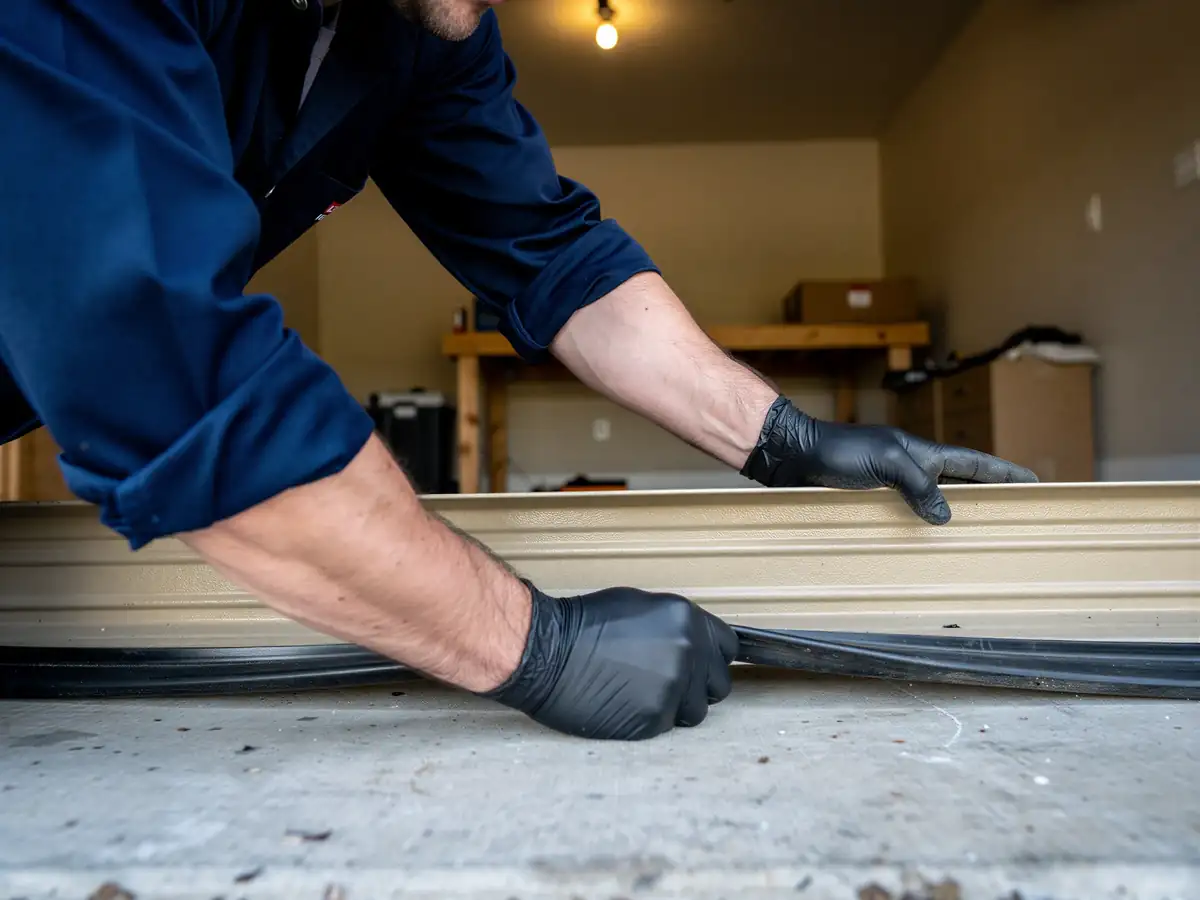
Start at the bottom panel and bottom seal - that's where condensation collects first on an uninsulated door, and rust shows there before anywhere else. Run a hand along the inside face in cold weather; if it's noticeably colder than the surrounding wall, there's no thermal break doing any work. Check the rollers and hinges for surface rust, which on a 1960s or '70s door usually means repeated wet-freeze cycles rather than age alone. Look at the track mounting - original hardware on a house from that build era was sized for the original panel weight, so if anyone's floated the idea of an insulated replacement, the track and springs likely need a look too, not just the door slab. If you see daylight at the bottom corners or the weatherstrip has gone stiff and cracked, that's a cheap fix regardless of whether you insulate. We don't carry every panel style that matches a door from 1965 - some of those profiles aren't made anymore, so a full match-up replacement sometimes isn't possible and the honest move is a new door rather than a patched one.
Straight answers about garage door repair in Des Plaines. Still unsure? Ask us directly.
Is my Des Plaines house old enough to have an uninsulated garage door?
If your house was built anywhere in the 1938 to 1996 range that covers most of this area, and especially if it's close to the 1972 median, there's a real chance the original door has no insulation core. Houses from that window were built under codes that didn't require it, so plenty of original and early-replacement doors are single-layer steel.
Does it matter if my garage is detached?
Less so. Insulation mainly earns its keep where the garage shares a wall or ceiling with heated living space, or where pipes run through it. A detached, unheated garage with a single-layer door from the 1960s or '70s can run fine for years without an upgrade.
Can I just add foam board to an old door instead of replacing it?
Sometimes, if the panel and track are sound. But original hardware from that build era wasn't sized for added weight, so it's worth having the track and springs checked before adding any insulation layer rather than assuming it's a simple stick-on fix.
Why does my garage door sweat on the inside in winter?
That's condensation from warm interior air meeting a cold, uninsulated steel panel - common on original doors from houses built before insulation standards existed. Left alone over a full winter it drives rust at the bottom panel and hardware.