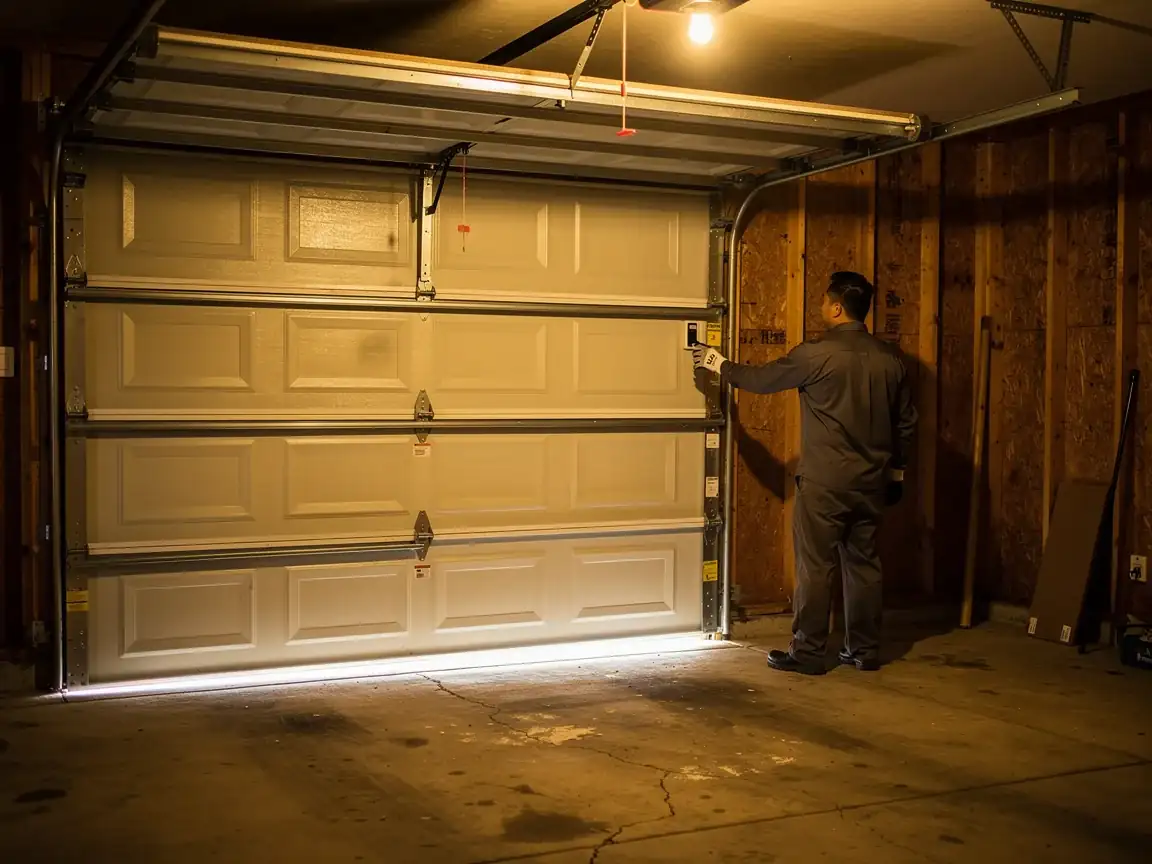
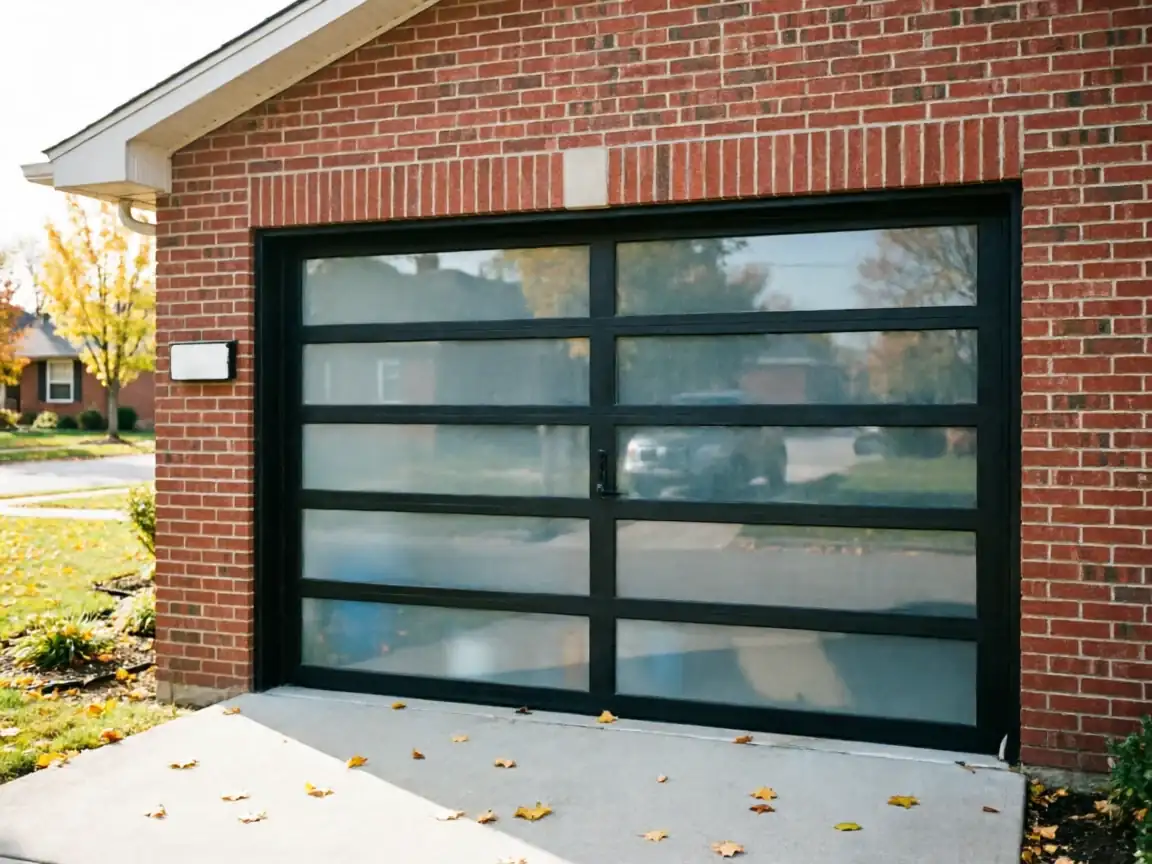
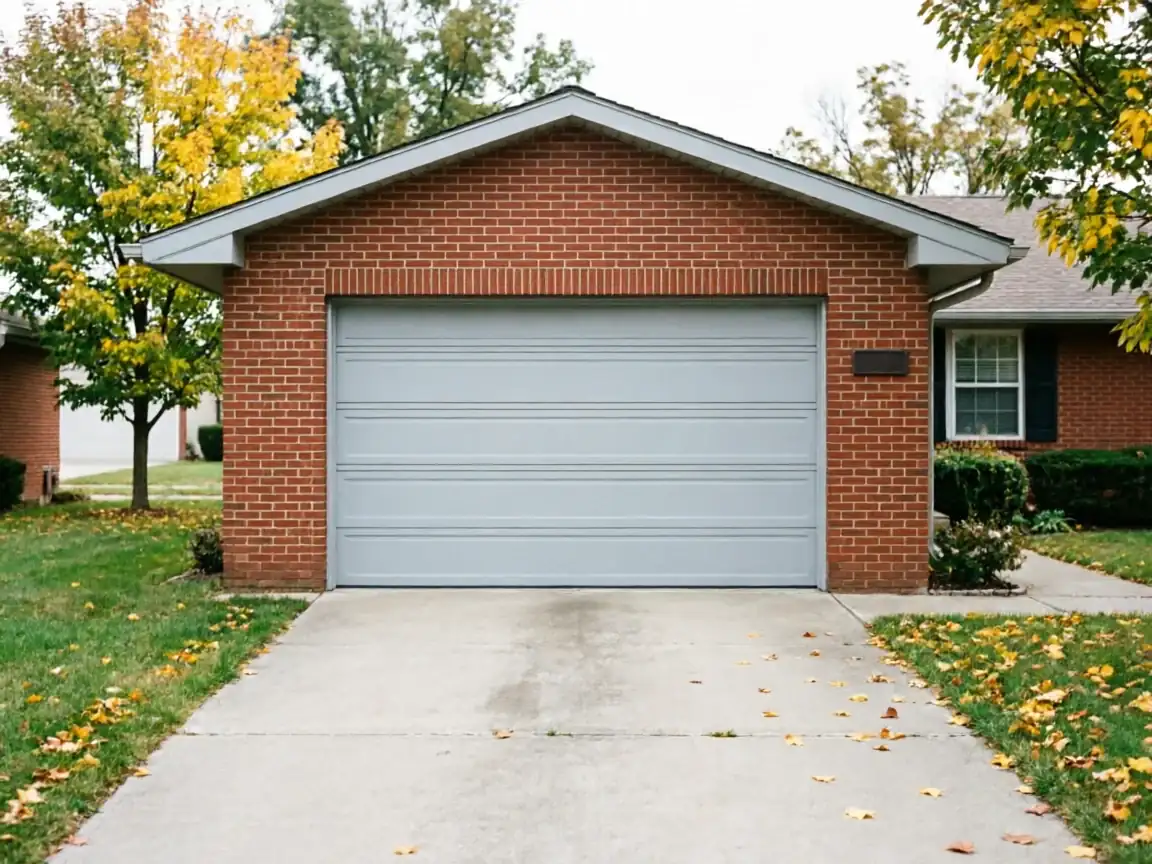
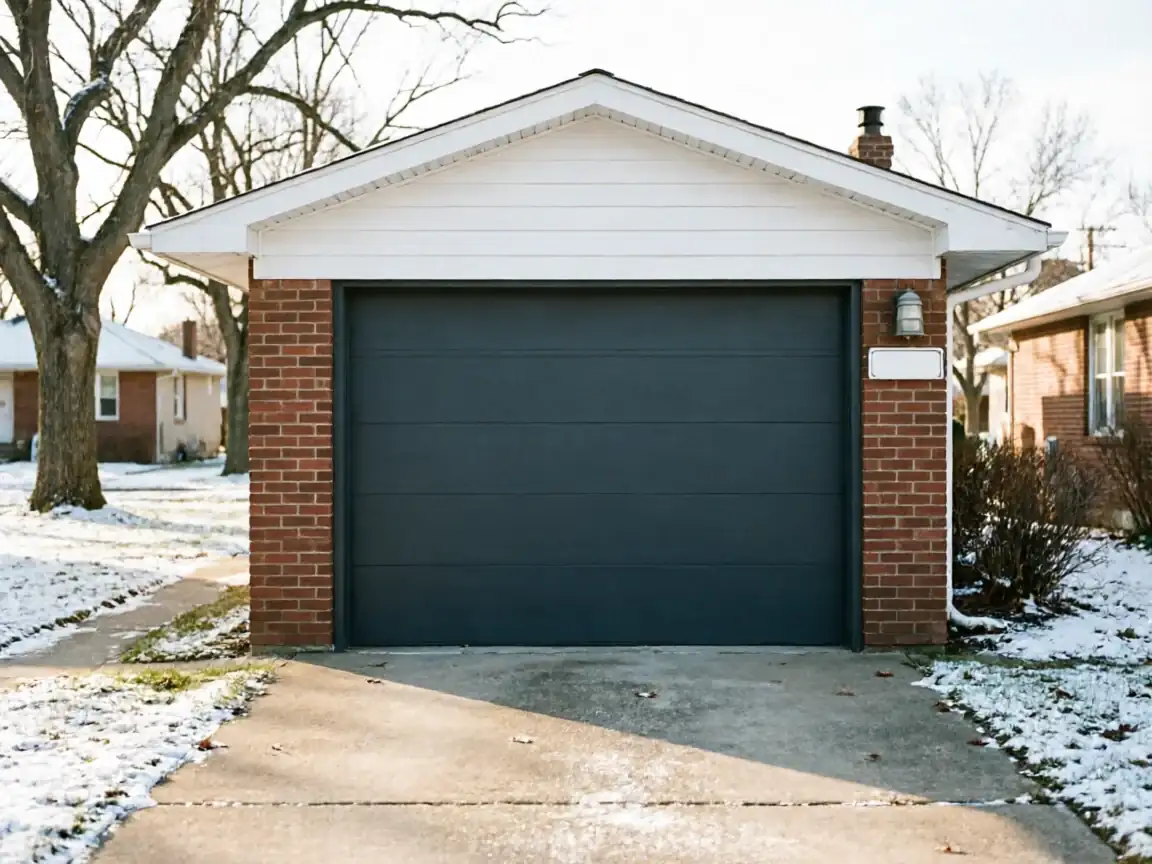
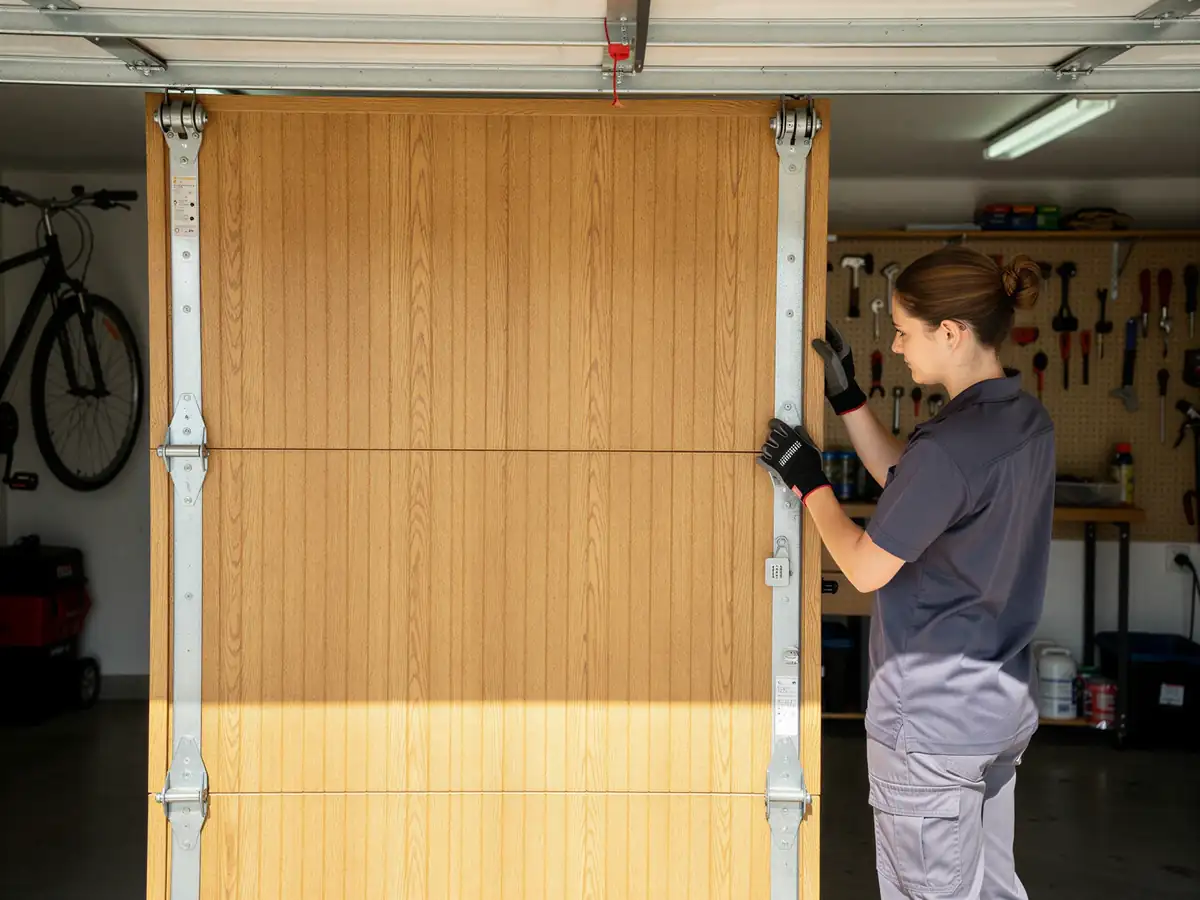
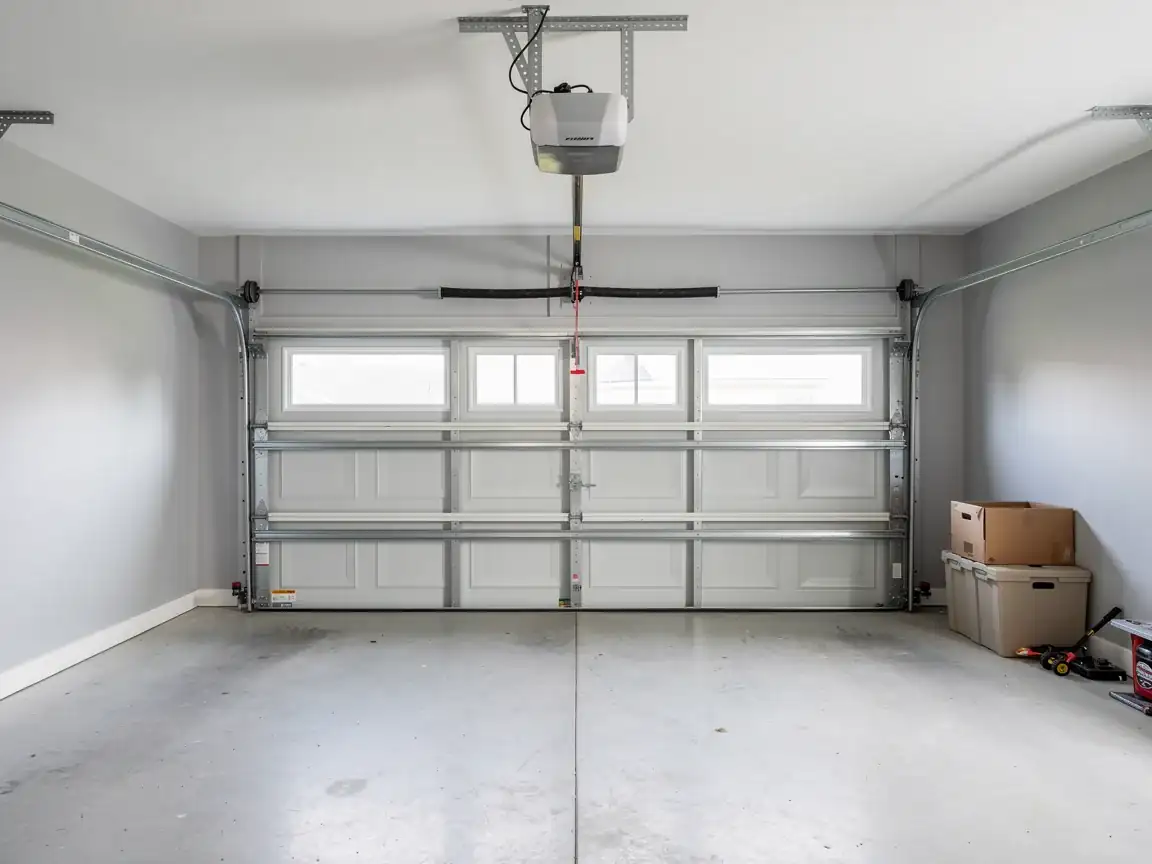
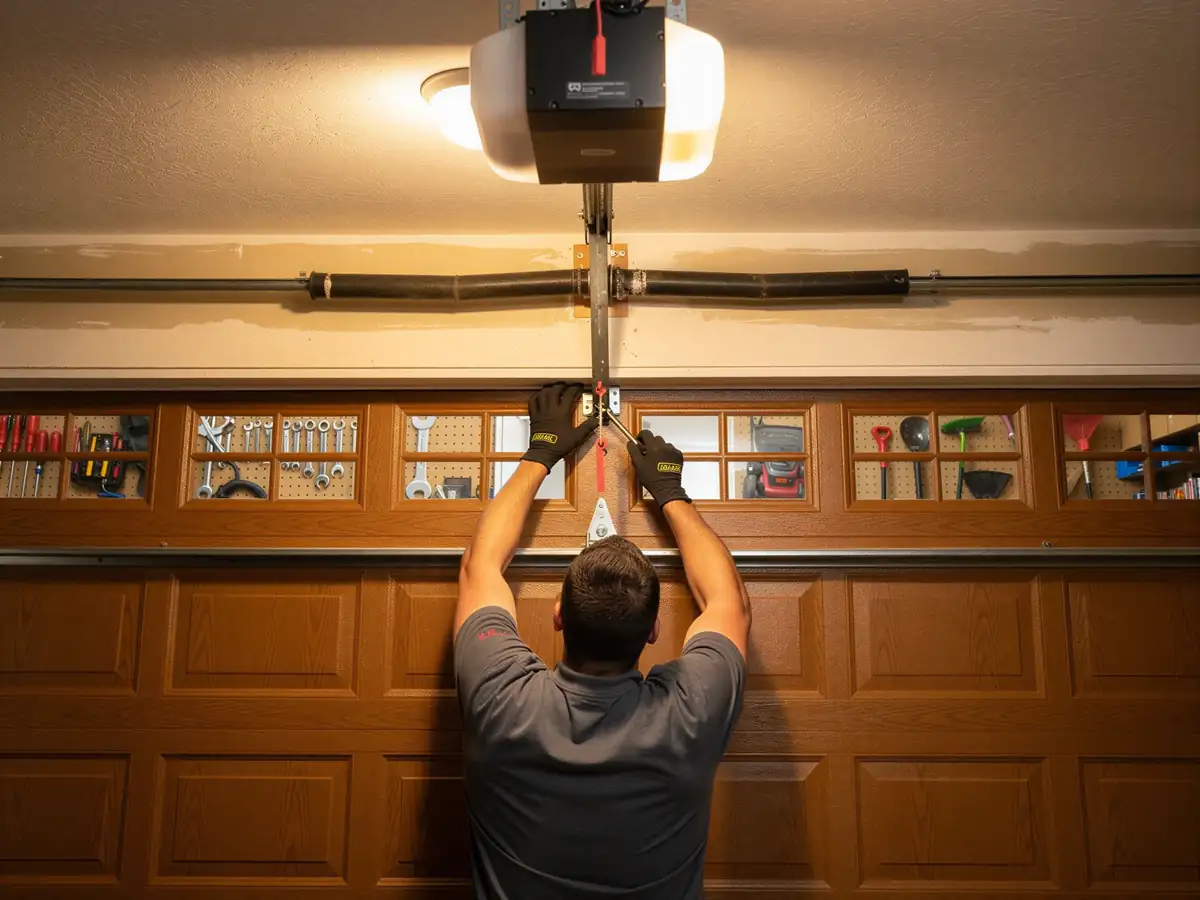
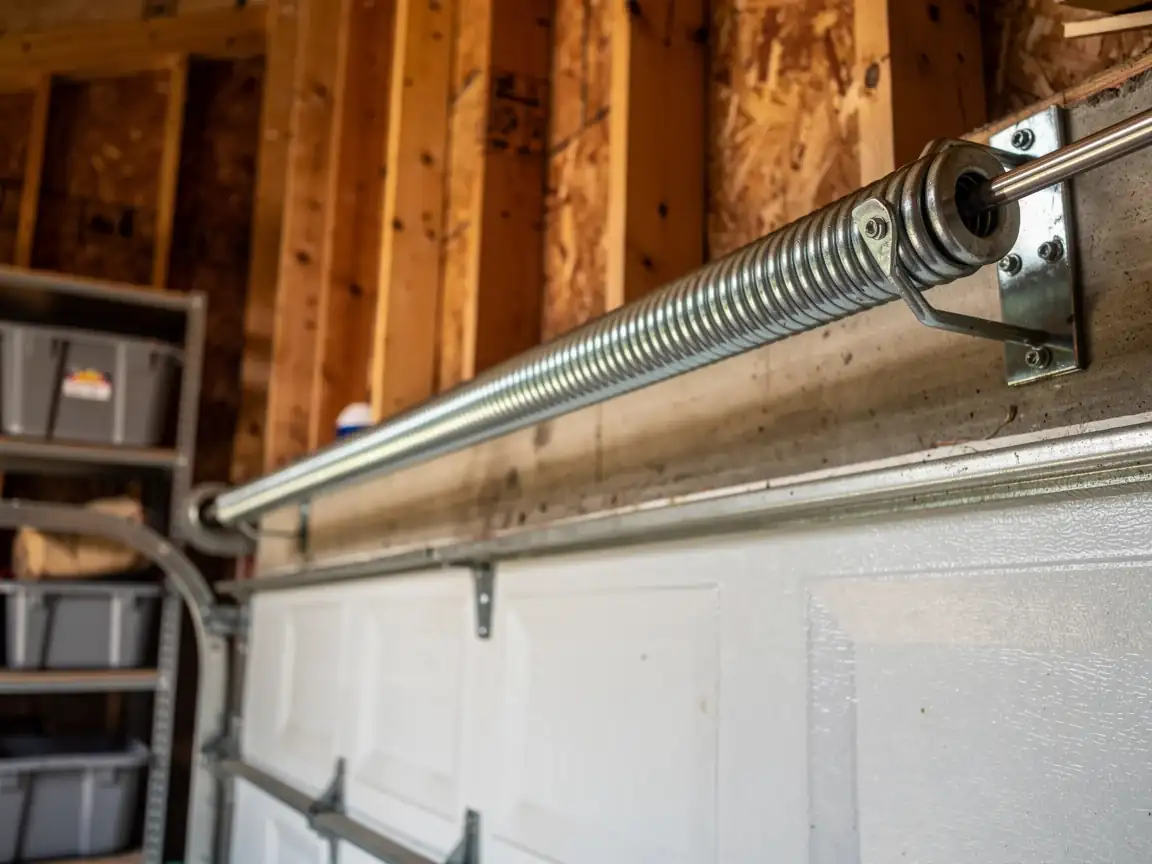
Torsion and extension spring repair for Des Plaines homes built mostly in the 1960s and 70s, where cold winters put extra strain on aging spring hardware.
A broken spring doesn't wait for a convenient day, and most of the calls we get start the same way: the door won't budge, or it slams down fast with a bang. When you call, tell us whether you've got one spring or two, and whether the door is a single or double - that changes what we load on the truck before we leave the shop. Des Plaines houses built in the decades after World War II often have single-car doors on older torsion setups, while newer additions and garages built since may run a double door on two springs. Either way, we want to know the size of the door and roughly how old the spring setup is, if you know it. If you don't, that's fine - we can measure on site. We book spring jobs as same-trip repairs whenever the parts match what's common in this area, which is most of the time given how uniform the housing stock is here.
How It Shows Up
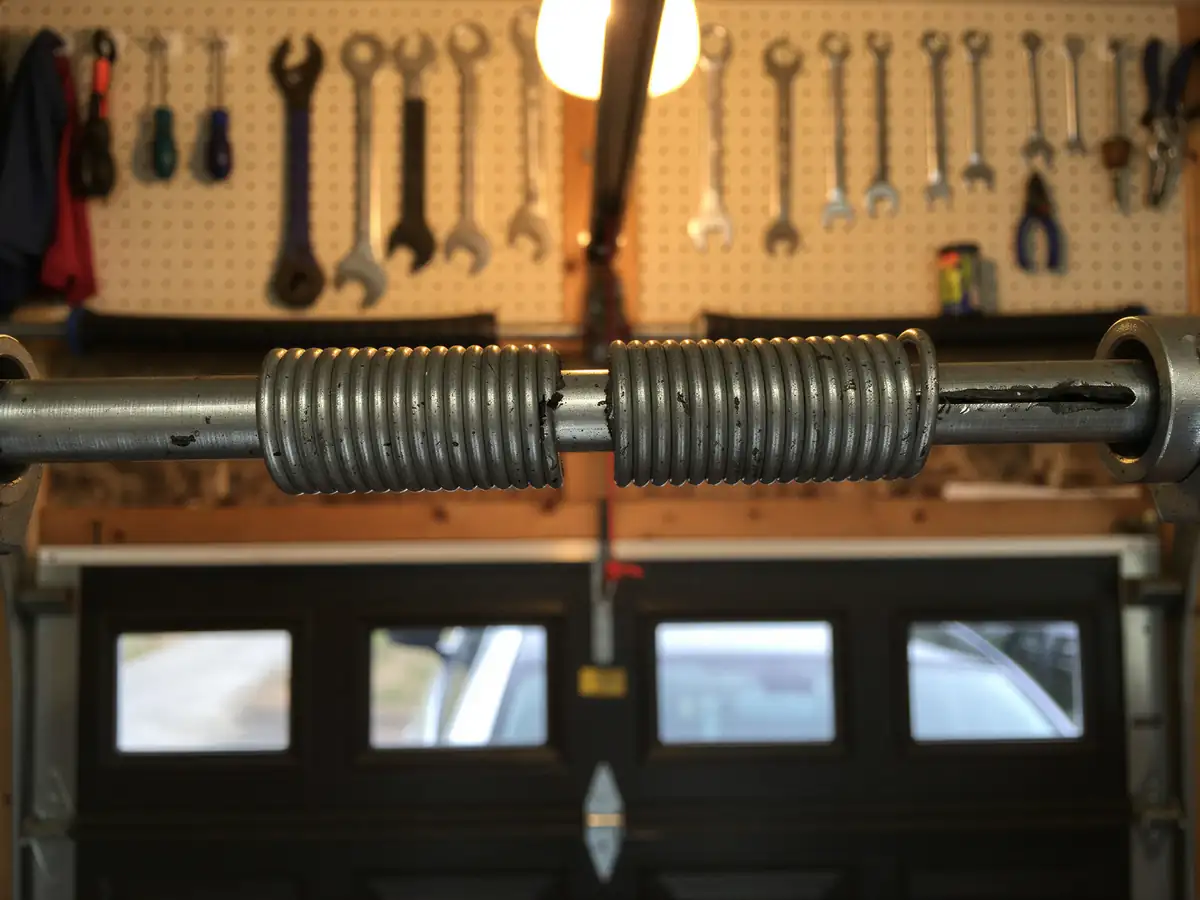
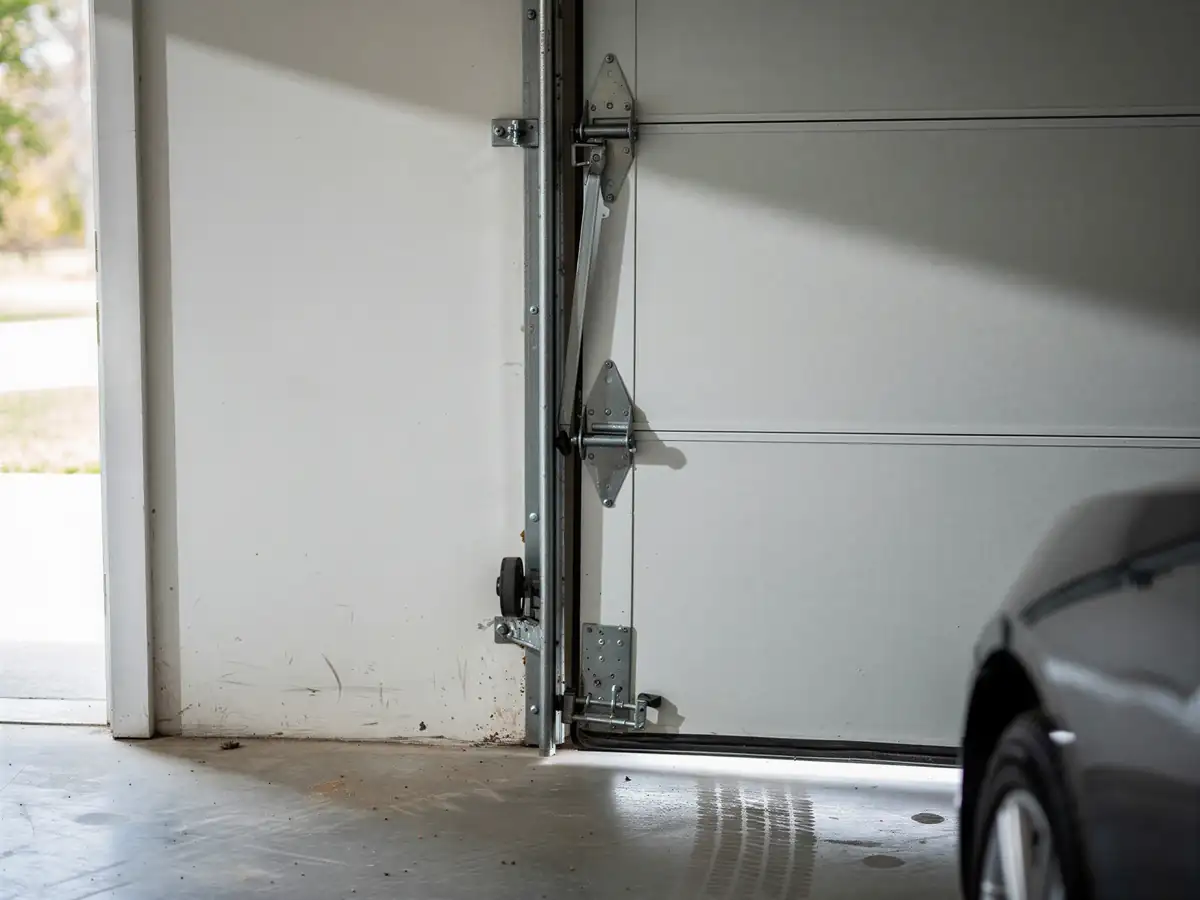
The classic sign is a loud bang from the garage, usually when nobody's touched the door - that's a torsion spring letting go under tension. After that, the door gets heavy fast. You try the opener and it strains, maybe moves an inch and stalls, or the door comes down on its own weight instead of lowering slowly. Some owners notice the cable has gone slack on one side, or the door looks tilted in the frame when it's partway open. On older extension-spring setups, common in houses from the 1960s and 70s stock that makes up most of this area, you might see a stretched or snapped spring hanging along the horizontal track instead. None of these are a DIY afternoon - a wound torsion spring under tension is genuinely dangerous to handle without the right bars and clamps.
Why It Happens Here
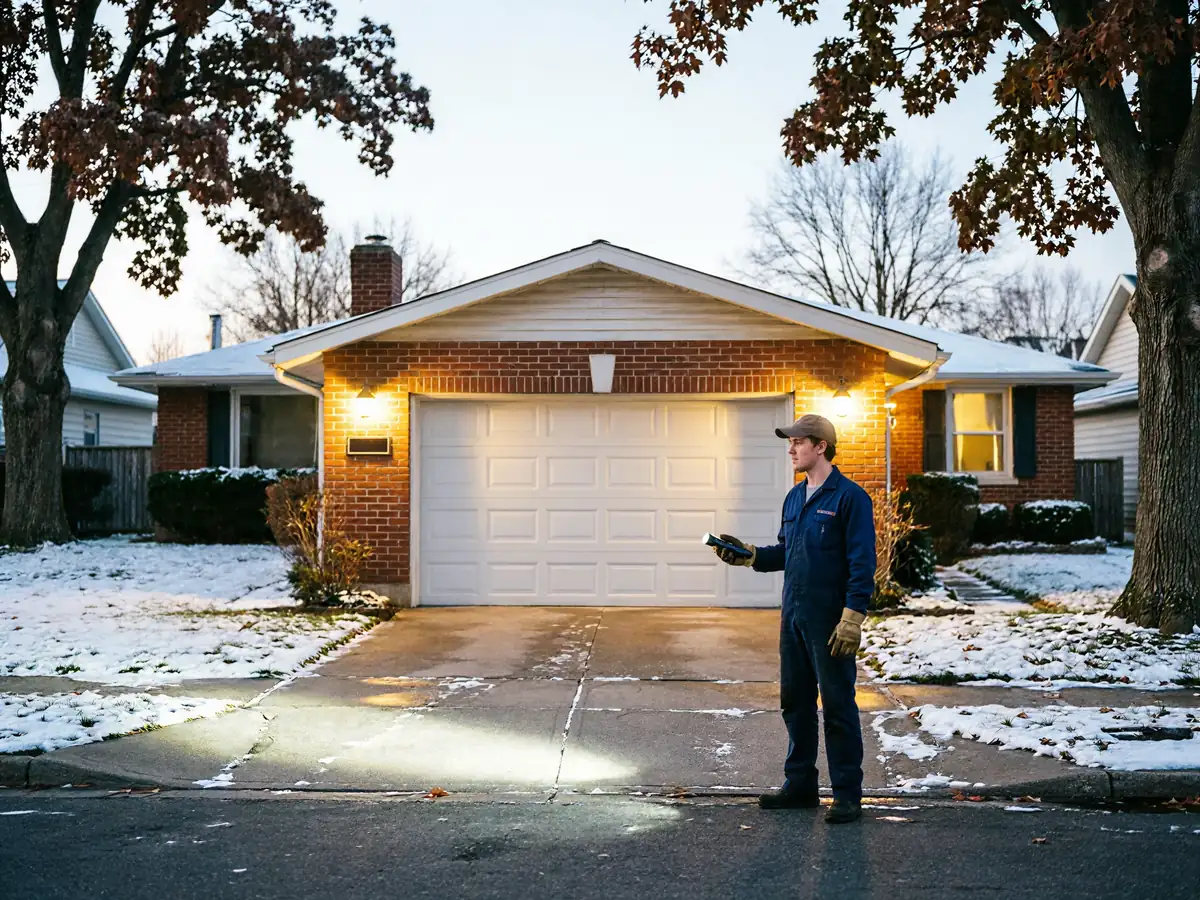
Housing in this part of the region mostly went up between 1938 and 1996, with the bulk clustered in the 1960s and 70s - meaning a lot of garage door hardware is well past the point where the original springs were ever meant to last. Springs are rated in cycles, not years, but age alone stiffens the coil and makes the steel more likely to fatigue on a cold morning. This area sits in a cold moderate climate band, and that matters more than people think: steel contracts in the cold, and a spring that's already near the end of its life is far more likely to snap on a sub-freezing morning than in July. Garages here aren't usually heated, so the door hardware feels every swing in temperature straight through winter. Combine decades-old torsion or extension springs with that kind of seasonal stress and you get a predictable failure pattern - not random, just physics catching up with old steel.
What the Fix Involves
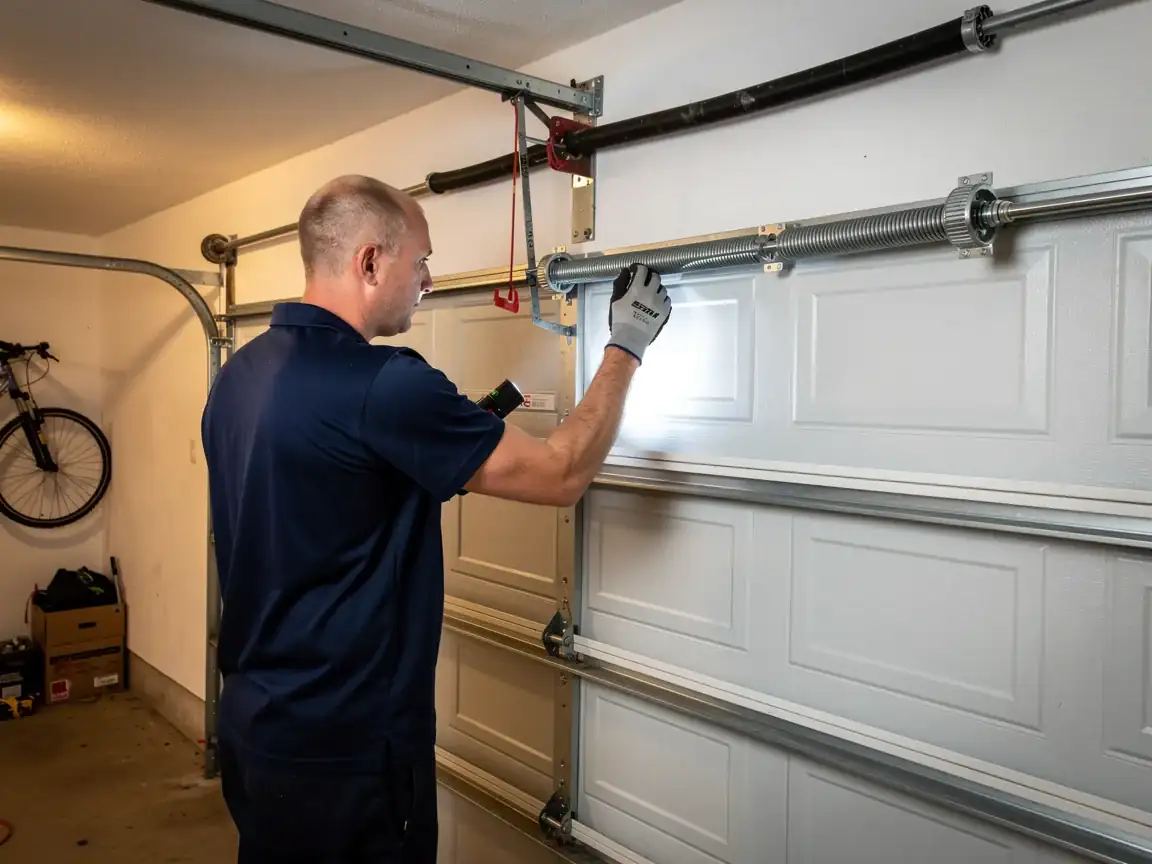
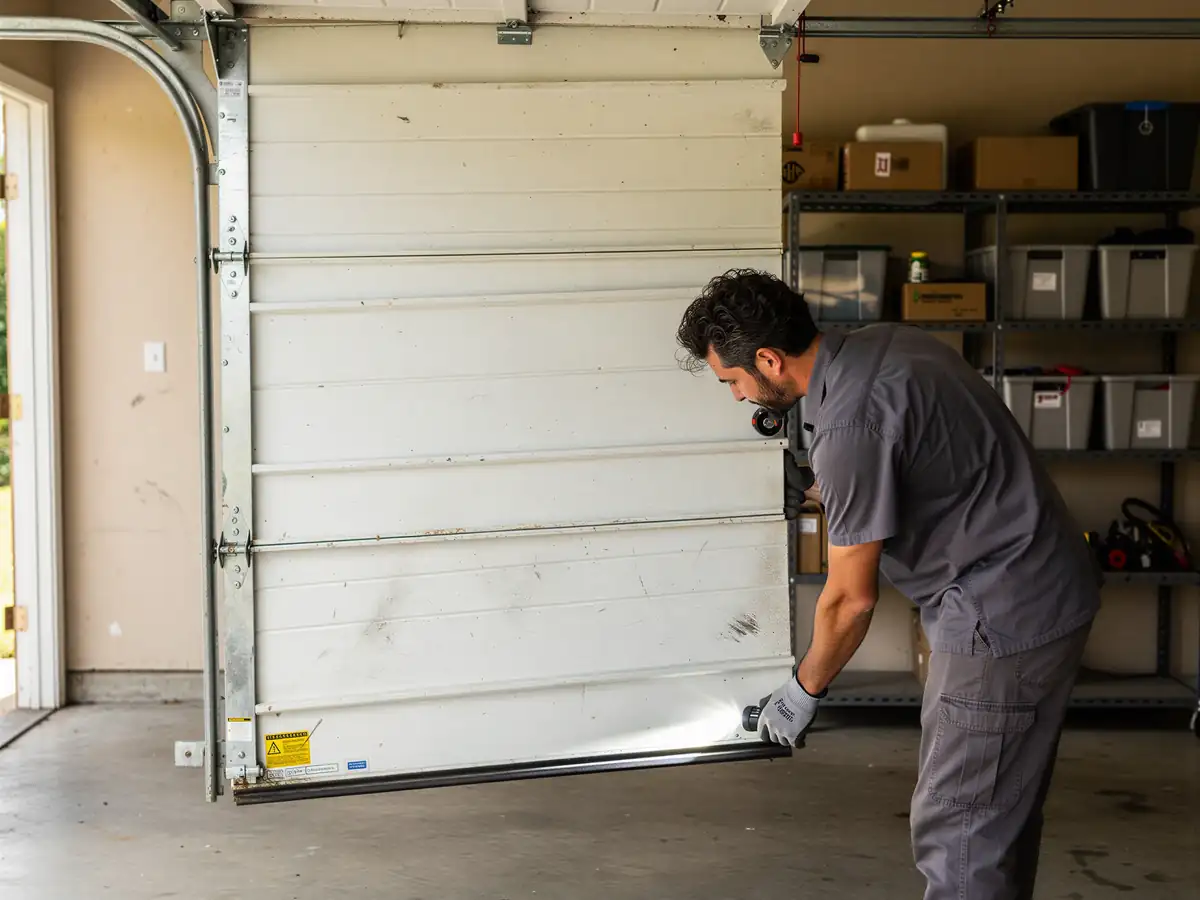
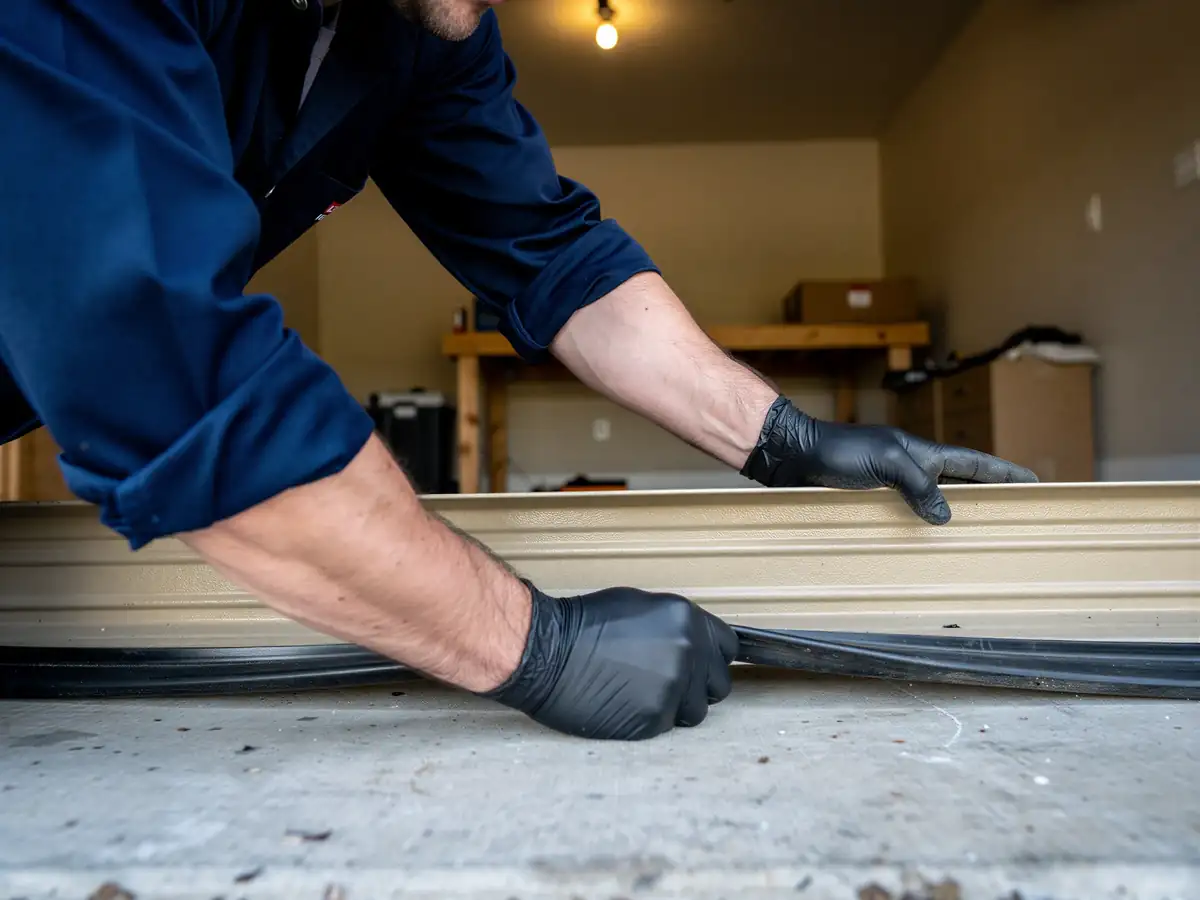
For a torsion spring, we measure the door's weight and the existing wire size, then replace both springs as a pair even if only one broke - the other is carrying the same cycle count and fails soon after if you leave it. Extension spring setups get the same logic: we replace in pairs and check the safety cables while we're in there, since a lot of older installs in this area never had them added. We also check the drums, bearing plates, and cable condition, because a spring failure under load sometimes nicks a cable on its way down. One honest limit here: if the track is bent or the opener's gears are already stripped from fighting a dead spring, that's a separate repair we'll quote separately rather than bundle in - no point pretending a spring swap fixes a bent track. Most straightforward spring jobs are done in one visit.
How it works
From “it’s stuck” to “it’s fixed”
01
Tell us what’s wrong
Describe the symptom - won’t open, loud bang, opener runs but the door won’t move.
02
On-site diagnosis
A technician tests the door under power and by hand and finds what actually failed.
03
Clear, up-front plan
You get the fix that’s needed and what drives the cost - before any work starts.
04
Repaired & tested
The repair is done, the door is set true and tested, and the work area left clean.
Next step
Not sure which repair your door needs in Des Plaines, IL? Describe what it’s doing - every job starts with a diagnosis.
Straight answers about garage door repair in Des Plaines. Still unsure? Ask us directly.
Why did my garage door spring break with no warning?
Springs fail from cycle fatigue, not sudden damage, so there's rarely a warning. In this area, where a lot of houses still run springs installed decades ago, cold weather adds extra stress to steel that's already near the end of its life, which is why winter mornings see more snapped springs than summer afternoons.
Should I replace one spring or both?
Both, in almost every case. If one spring broke from age and cycle fatigue, the other spring on the same door has the identical history and is close behind it. Replacing just one often means a second service call within months, so we do pairs on torsion and extension setups alike.
Can I drive on a broken spring until the repair?
No. With a broken spring, the opener and the cables are carrying weight they weren't built to hold alone, which strains the opener motor and can snap a cable. Leave the door down, use the manual release only if you must get a car out, and call for the repair instead of waiting.
Is spring repair something I can do myself?
We'd tell you not to. A wound torsion spring holds enough tension to cause serious injury if the winding bars slip, and extension springs under load aren't much safer. This is one job where the right clamps and bars matter more than general handyman skill.