Most of the calls we get for a tune-up aren't emergencies yet
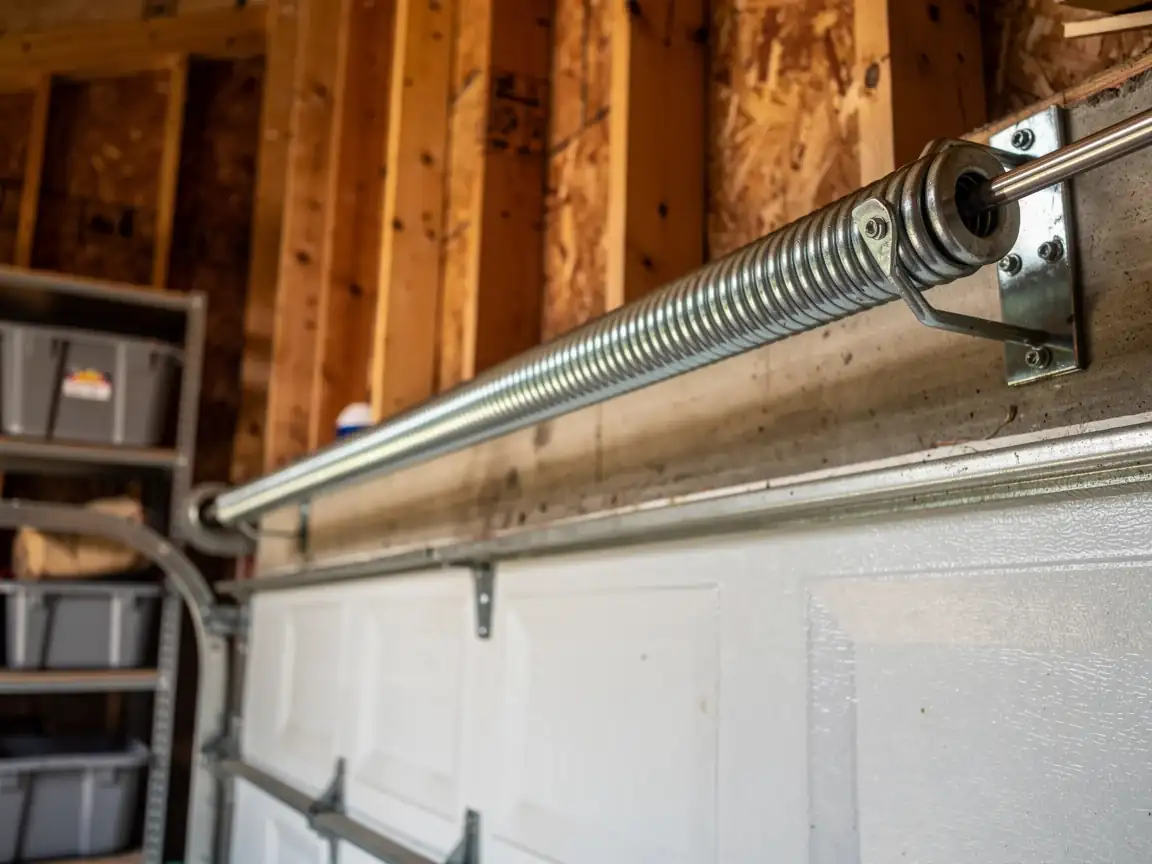
They're owners who noticed the door is louder than it used to be, or the opener strains a little going up. That's the right time to call, not after the spring lets go. We cover the service area from Des Plaines out to the surrounding towns - Mount Prospect, Rosemont, Niles, Prospect Heights, Schiller Park, and the rest of the named areas within a few miles. Scheduling a maintenance visit is straightforward: we ask what year the house was built, whether the door has been serviced before, and whether it's a single or double. That last part matters more than people expect - double doors carry more weight on the torsion spring and show wear sooner.
02
We won't try to sell a full tune-up on a door that was serviced eight months ago and still runs quiet
If a quick look says it's fine, we'll say so. That's a limitation worth knowing up front - not every door needs the full service every single visit, and we'd rather tell you that than bill for work that isn't needed yet.
How It Shows Up
The pattern we see across this part of the service area is pretty consistent. A door that used to lift smoothly starts hesitating a few inches off the floor. Rollers that were quiet start grinding in the track. The opener's motor runs longer than it should to finish a cycle it used to do in half the time. None of that is dramatic on its own, which is exactly why it gets ignored until the spring snaps or the cable frays through.
Across the 87 named areas that make up this housing stock, the symptoms track with age. Houses built in the 1938-1996 range, with most construction clustered in the 1960s and 1970s, were built with hardware that's now 50-plus years old in a lot of cases, even where the door itself has been swapped once. Original torsion setups, steel tracks that have never been re-aligned, and openers from an earlier generation all show the same slow decline: more noise, slower travel, more resistance at the midpoint of the cycle. If your door does any of that, it's not unusual for this area - it's the hardware telling you its age.
Why It Happens Here
This region sits in a moderate-cold climate band, and that matters more for garage doors than most people assume. Steel track and torsion springs don't fail because of one hard freeze - they fail from the cycle of cold tightening metal and summer heat expanding it, repeated every year for decades. On a door with original 1960s or 1970s hardware, that cycling has had a long time to work lubricant out of the springs and loosen the bolts holding the track to the jamb.
The housing stock here - median construction year 1972 - means a lot of these doors are running on hardware that was never designed for today's heavier insulated panels, if the door's been upgraded without the opener or springs being resized to match. We see this a lot: a newer door riding on 50-year-old spring tension that was sized for a lighter, uninsulated panel. It's not a defect, it's a mismatch that builds slowly, and it's common enough in this area's housing that we plan maintenance visits around it rather than treating it as a one-off.
What the Fix Involves
01
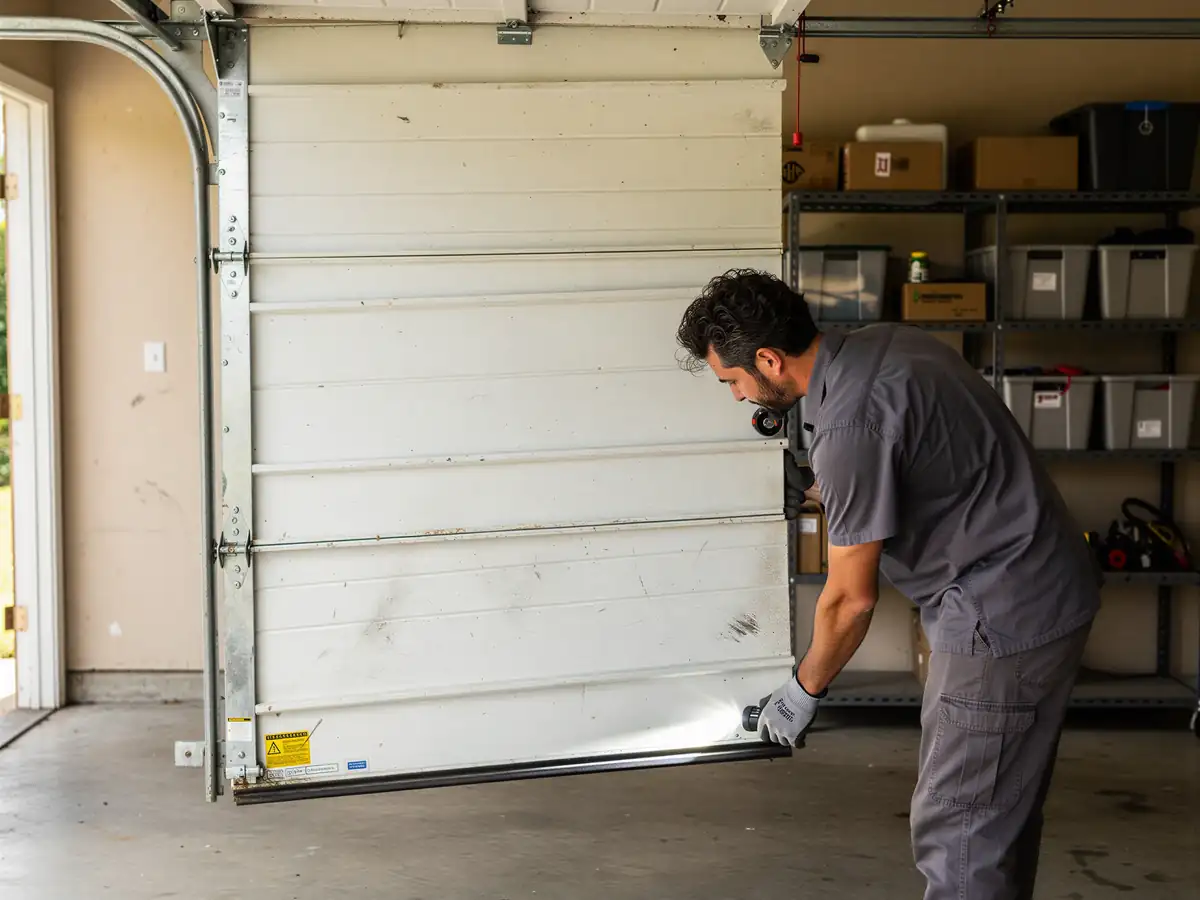
A real maintenance visit isn't just a squirt of oil on the rollers
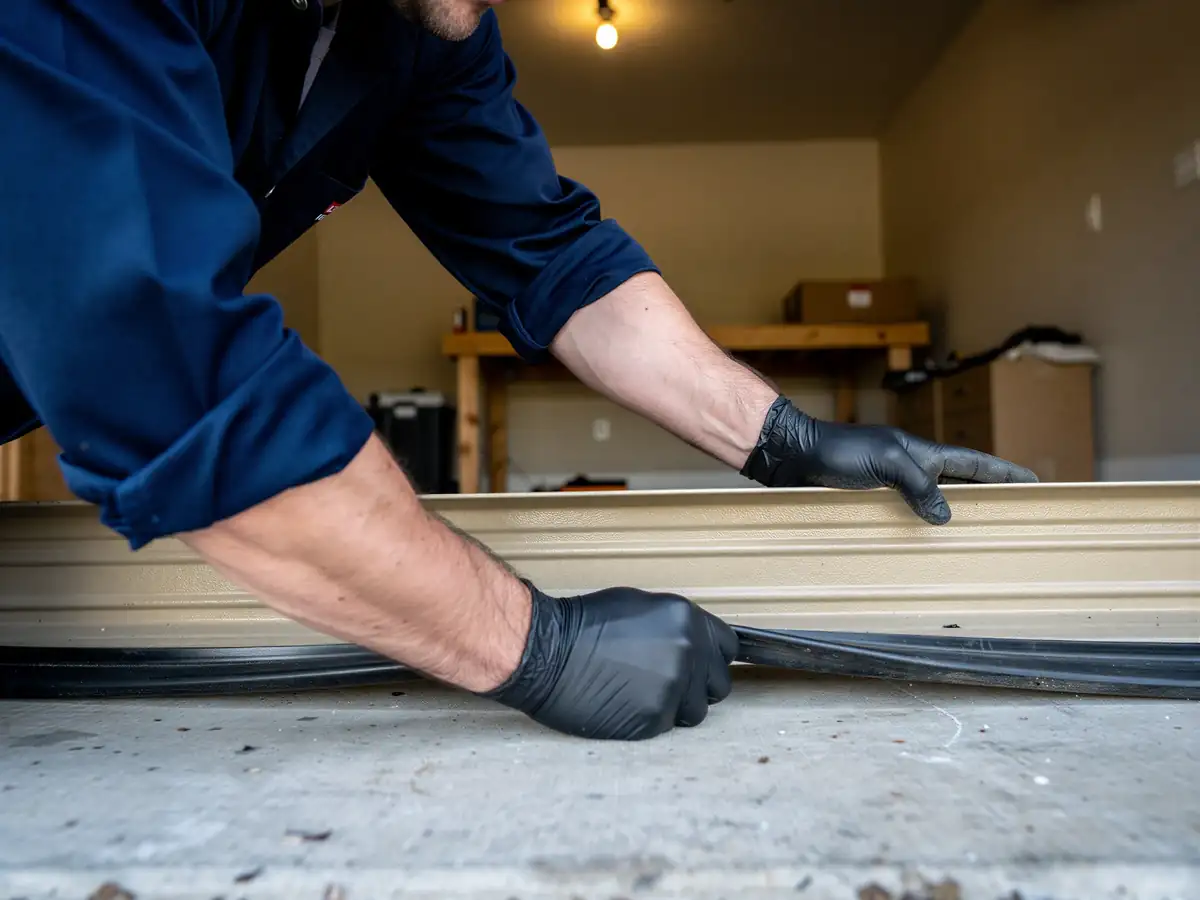
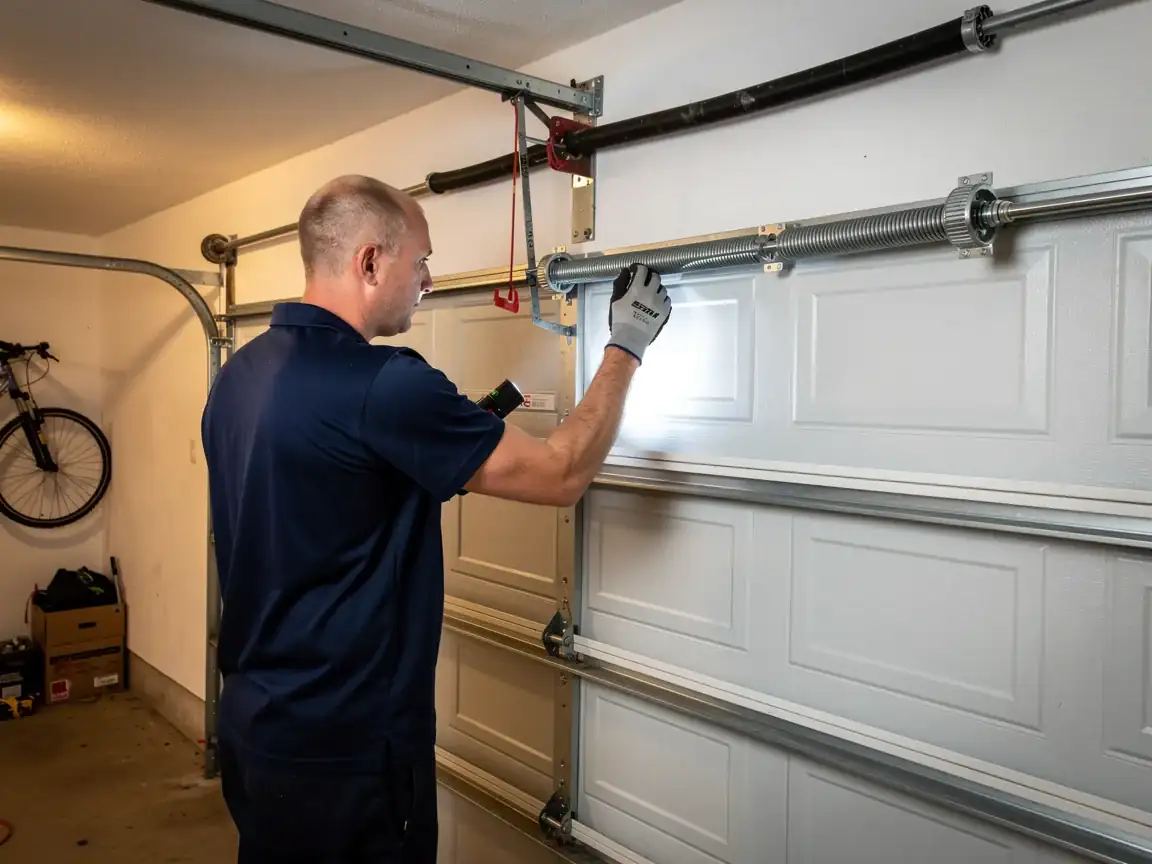
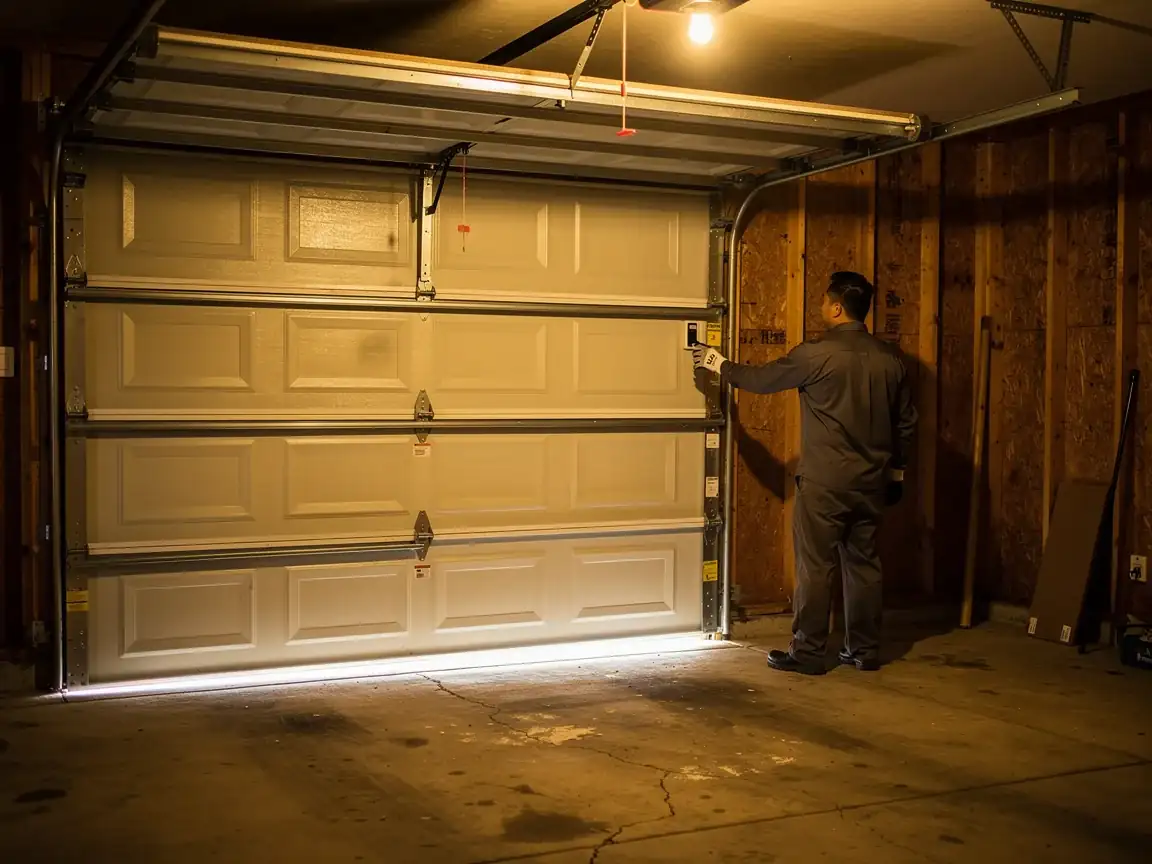
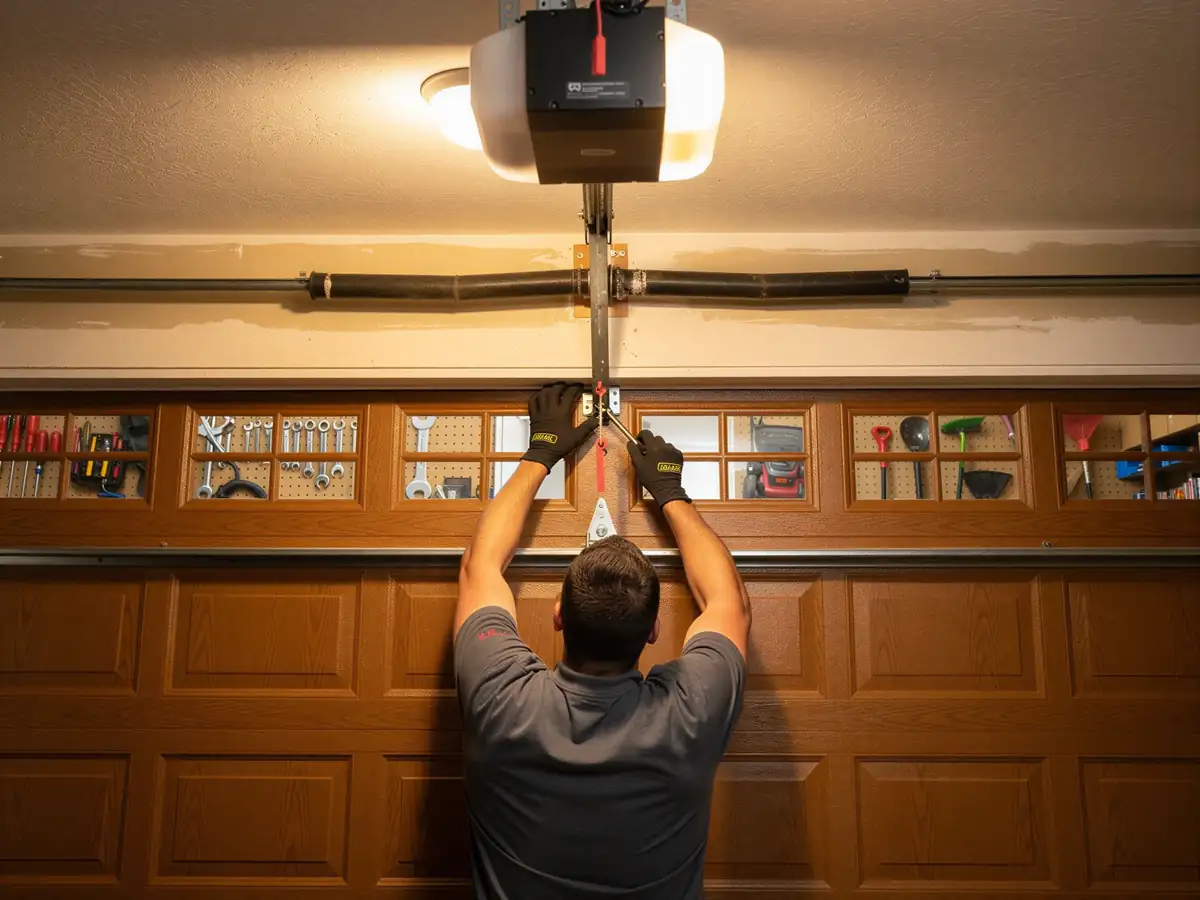
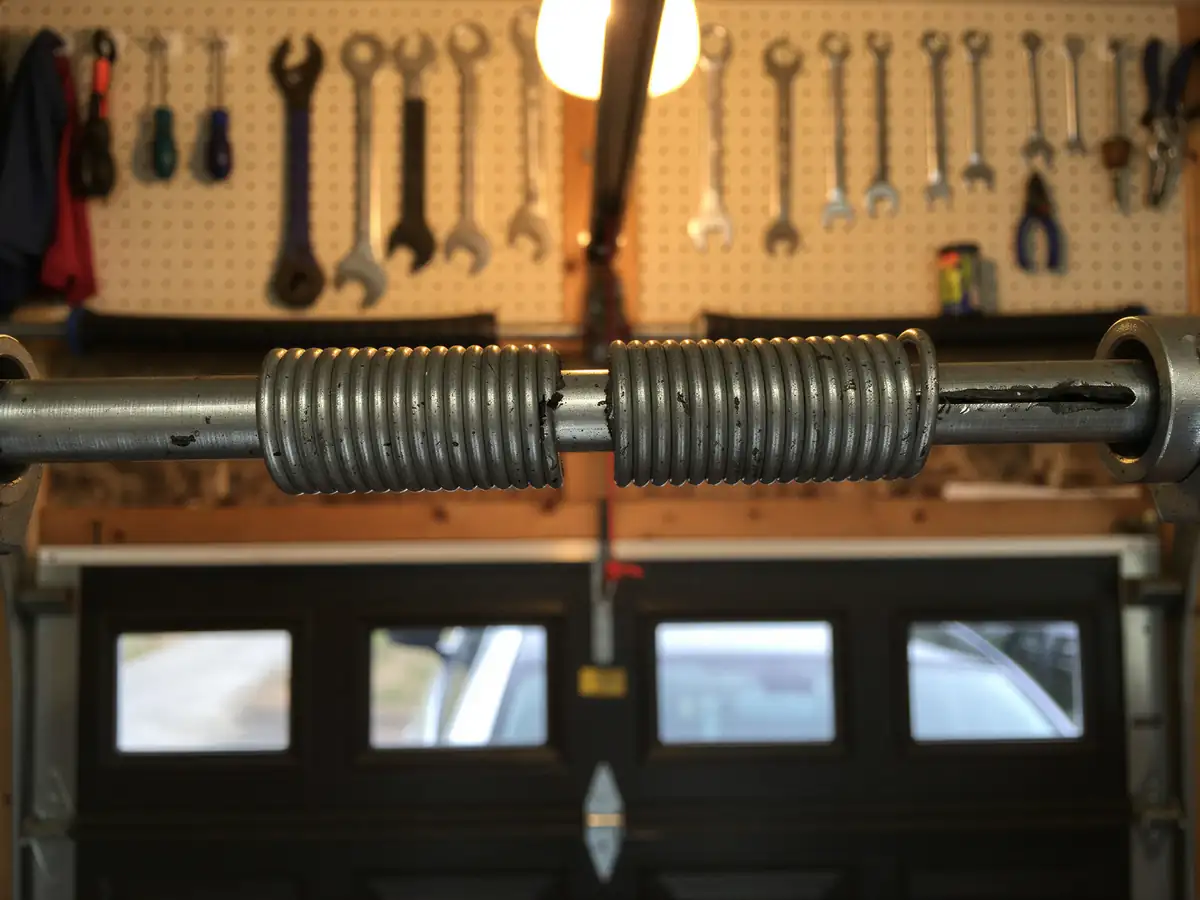
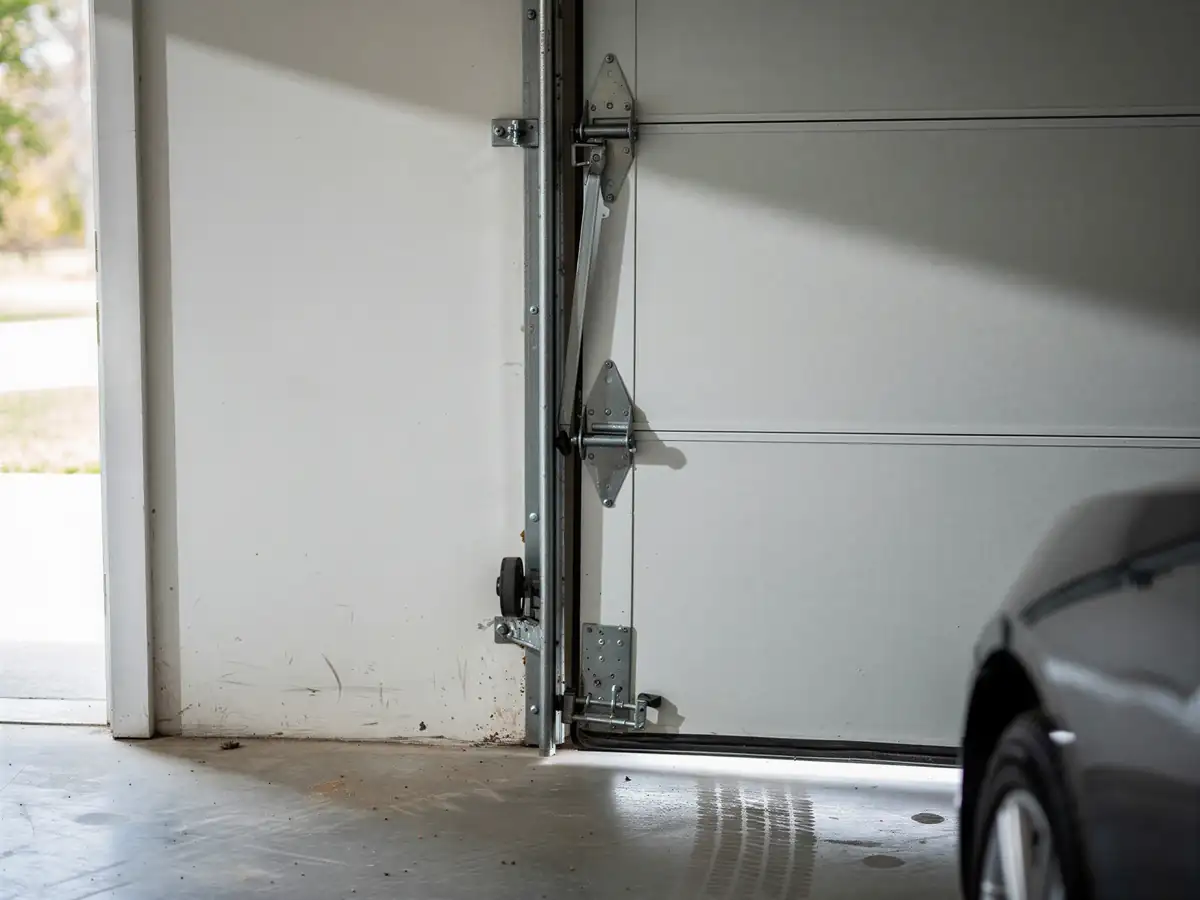
We check spring tension and balance - critical on a door this age, since springs sized for an original lighter panel often need rebalancing if the door's ever been replaced. We inspect the track for the kind of misalignment that comes from decades of thermal cycling, tighten the hardware that's worked loose, and check the cables for fraying before they're close to failing.
02
On openers from an earlier generation, we check the gear and the travel limits
These are usually where the strain shows up first on original-era doors. We lubricate the moving parts with something made for the temperature swings here, not a generic household oil that thins out in the cold.
03
One honest limit: if the spring tension is badly mismatched to the panel weight, a tune-up alone won't fix it
That's a spring replacement job, not maintenance, and we'll tell you that rather than patch around it. Given the median household income of $103,911 across the service area and roughly 218,505 owner-occupied houses in it, most owners here treat this as routine upkeep rather than a deferred repair, and that's the approach that actually keeps the door out of emergency territory.
$103,911 median household income
218,505 owner-occupied
How it works
From “it’s stuck” to “it’s fixed”
01
Tell us what’s wrong
Describe the symptom - won’t open, loud bang, opener runs but the door won’t move.
02
On-site diagnosis
A technician tests the door under power and by hand and finds what actually failed.
03
Clear, up-front plan
You get the fix that’s needed and what drives the cost - before any work starts.
04
Repaired & tested
The repair is done, the door is set true and tested, and the work area left clean.
Next step
Not sure which repair your door needs in Des Plaines, IL? Describe what it’s doing - every job starts with a diagnosis.
Straight answers about garage door repair in Des Plaines. Still unsure? Ask us directly.
How often should a garage door get serviced in this area?
With housing stock mostly from the 1960s and 70s and a moderate-cold climate putting steel hardware through yearly expansion and contraction cycles, once a year is a reasonable baseline, more often if the door is on original torsion hardware that's never been serviced.
Will maintenance fix a door that's already struggling to open?
Sometimes. If it's loose hardware, dry rollers, or a track out of alignment, a tune-up usually sorts it. If the spring tension is mismatched to the panel weight - common when an older door's been swapped without resizing the springs - that's a repair job, not a maintenance fix.
Does the age of my house matter for garage door upkeep?
Yes. Houses built in the 1938-1996 range that make up most of this area often still have original or early-replacement hardware. That hardware has had decades of cold-weather cycling to work loose or wear down, which is why older homes here tend to need more frequent checks than newer construction.