Wind, Wide Doors, and the Houses Des Plaines Built
Des Plaines homes built 1938-1996 carry original double-door hardware not rated for wind flex. Here's what that means for your garage door, and when to call.
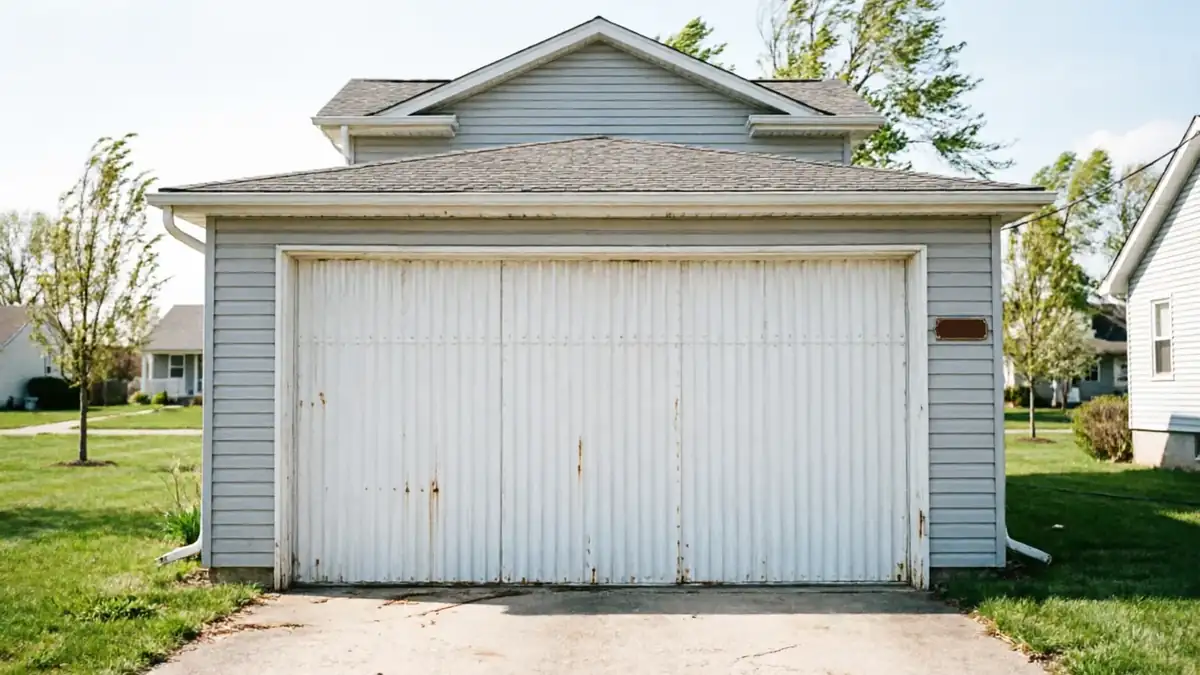
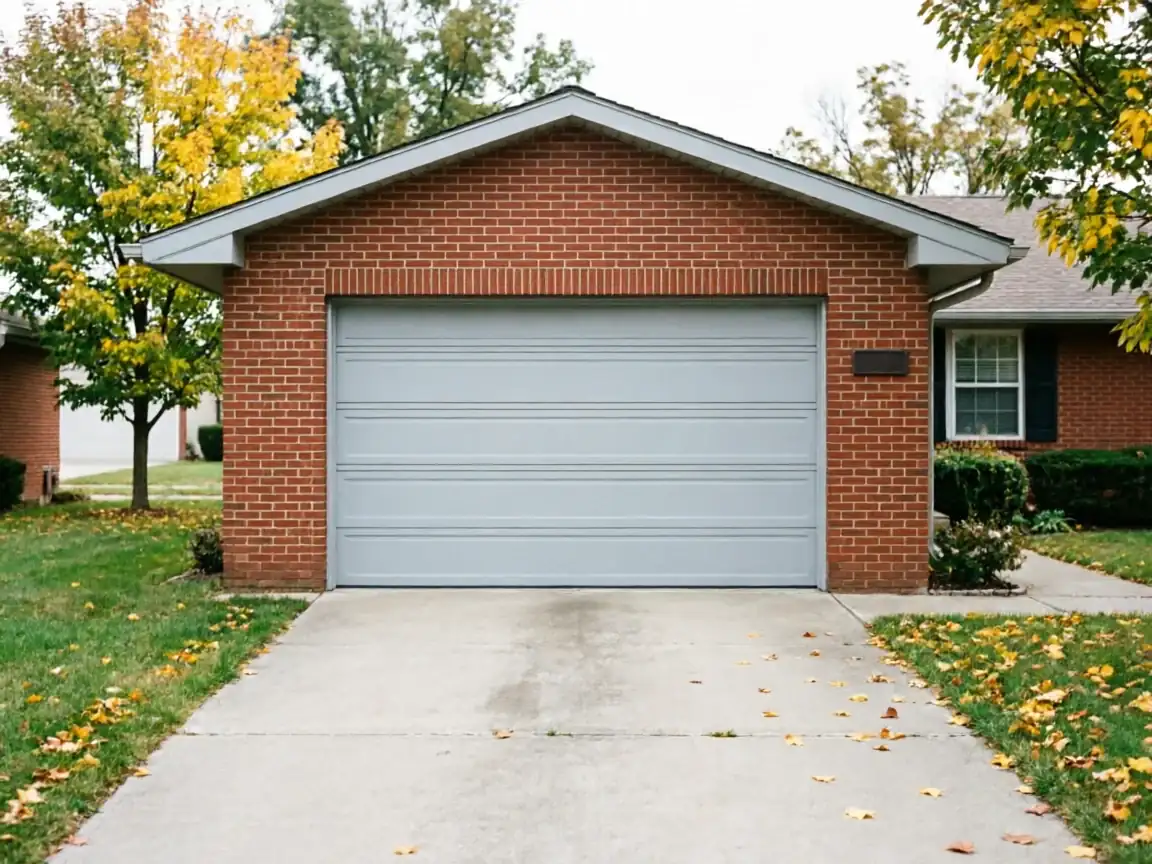
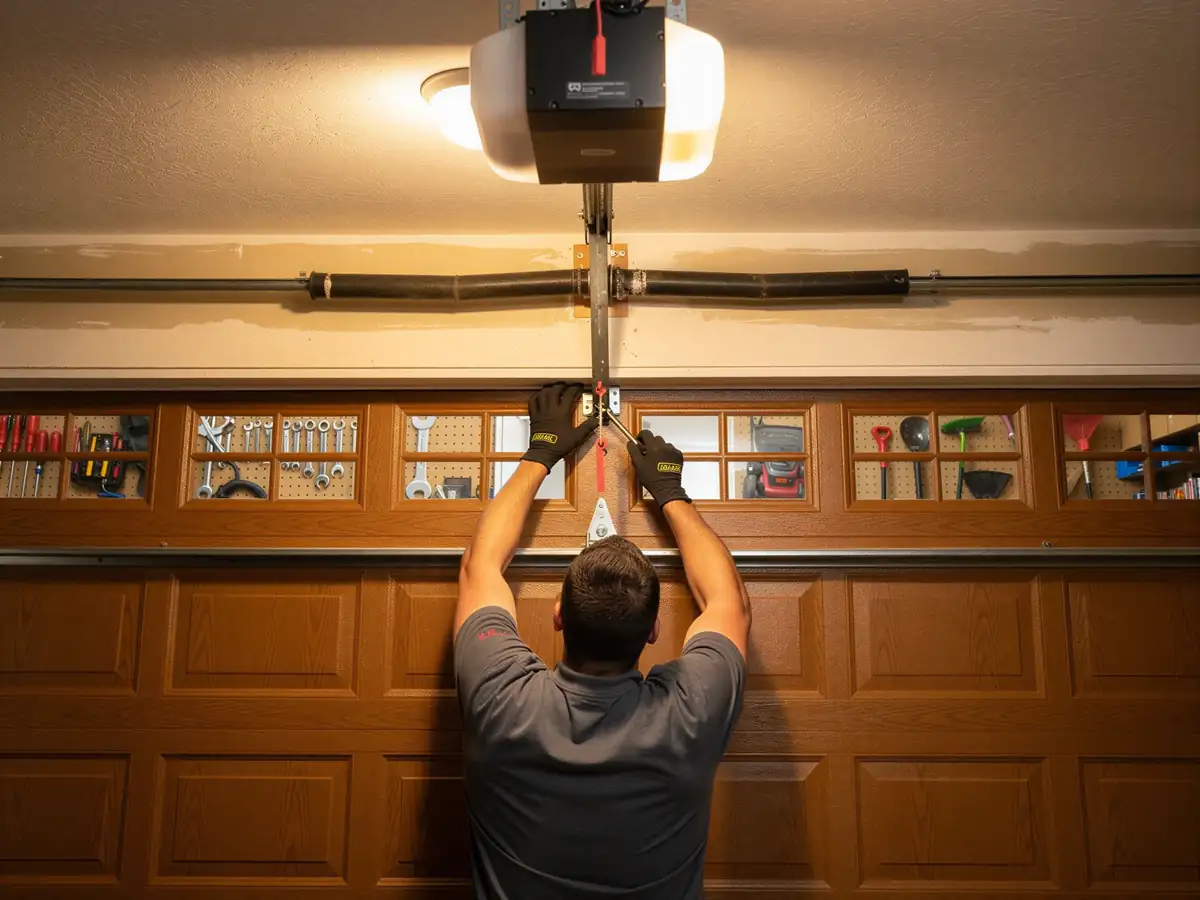
Most garages around Des Plaines sit on houses built between 1938 and 1996, with the bulk of that stock going up in the 1960s and '70s - a median year of 1972. That matters for wind because a double-wide garage door is a big flat panel, and the bracing standards for that panel changed a lot after the era most of this town was framed in. A door installed when your block was built was engineered to the wind-load thinking of its decade, not today's. Add the cold-moderate climate this area sits in, and you get a second problem on top of the first: steel struts and track brackets that were fine in July get stiffer and less forgiving in January. A gust that flexes a 16-foot-wide door a half inch in the middle is a non-event on a newer, reinforced panel. On an original-era door with a single centered strut, that same flex works the fasteners loose at the track brackets, cycle after cycle, until the door starts walking off true. This isn't a one-town phenomenon in the sense that wind exists everywhere - it's that the specific housing stock here, built mostly across the 1960s-70s window, left a lot of garages with doors that were never built for the flex a wide panel takes on.
When Waiting Is Fine
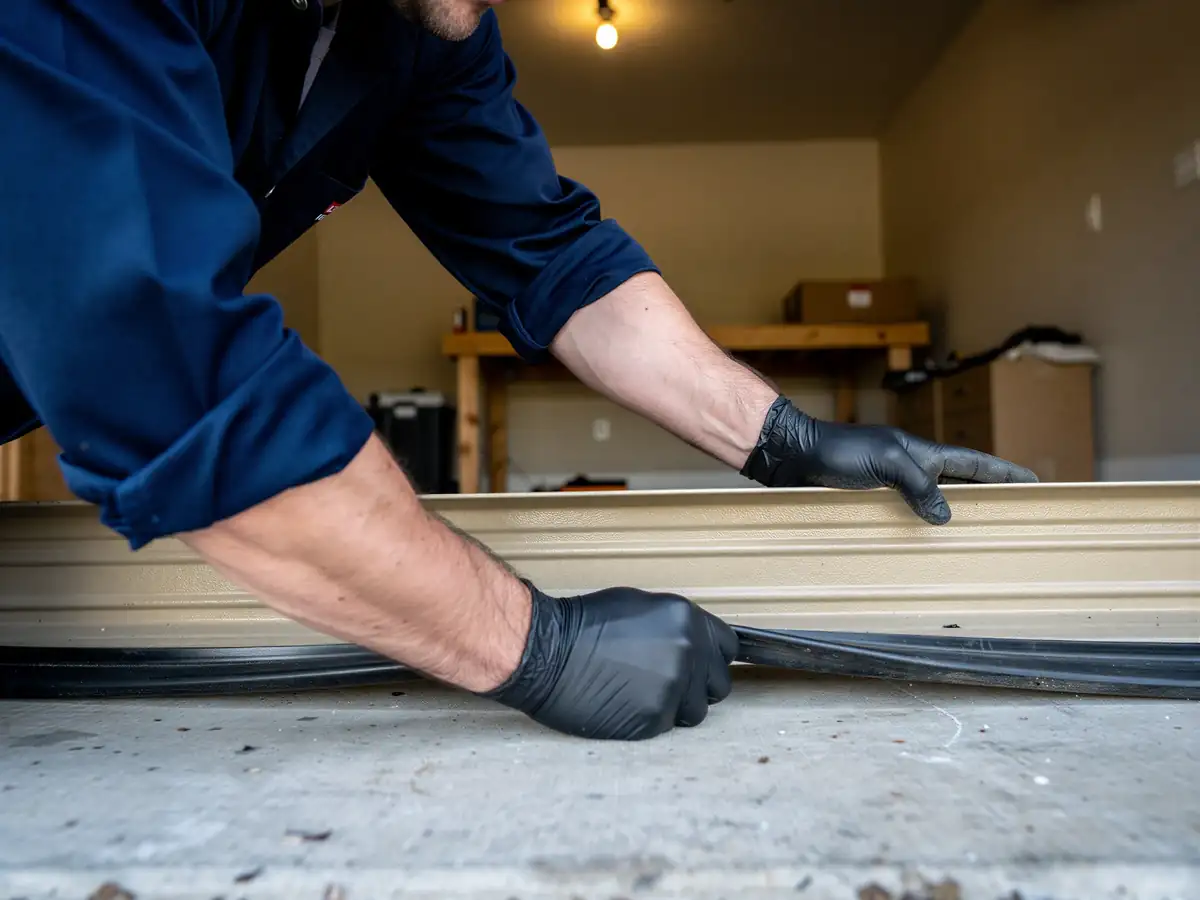
If your door is a single, narrower opening - common on some of the smaller, older homes from the 1938-era end of this town's housing range - wind flex is a much smaller concern. A narrow door just doesn't rack the way a 16-footer does. You can also wait if you've already had the door reinforced with horizontal struts across the top two or three panels; that's the fix for exactly this problem, and once it's done, routine wind isn't doing meaningful damage. And if you're hearing a little flex-and-pop on a gusty day but the door still opens, closes, and seals evenly at the bottom, that's cosmetic stress, not structural failure - note it, don't panic about it. Waiting is also fine if nothing's changed: same noise, same slight give, for years. New or worsening symptoms are the signal to stop waiting, not the presence of wind itself.
The Problem
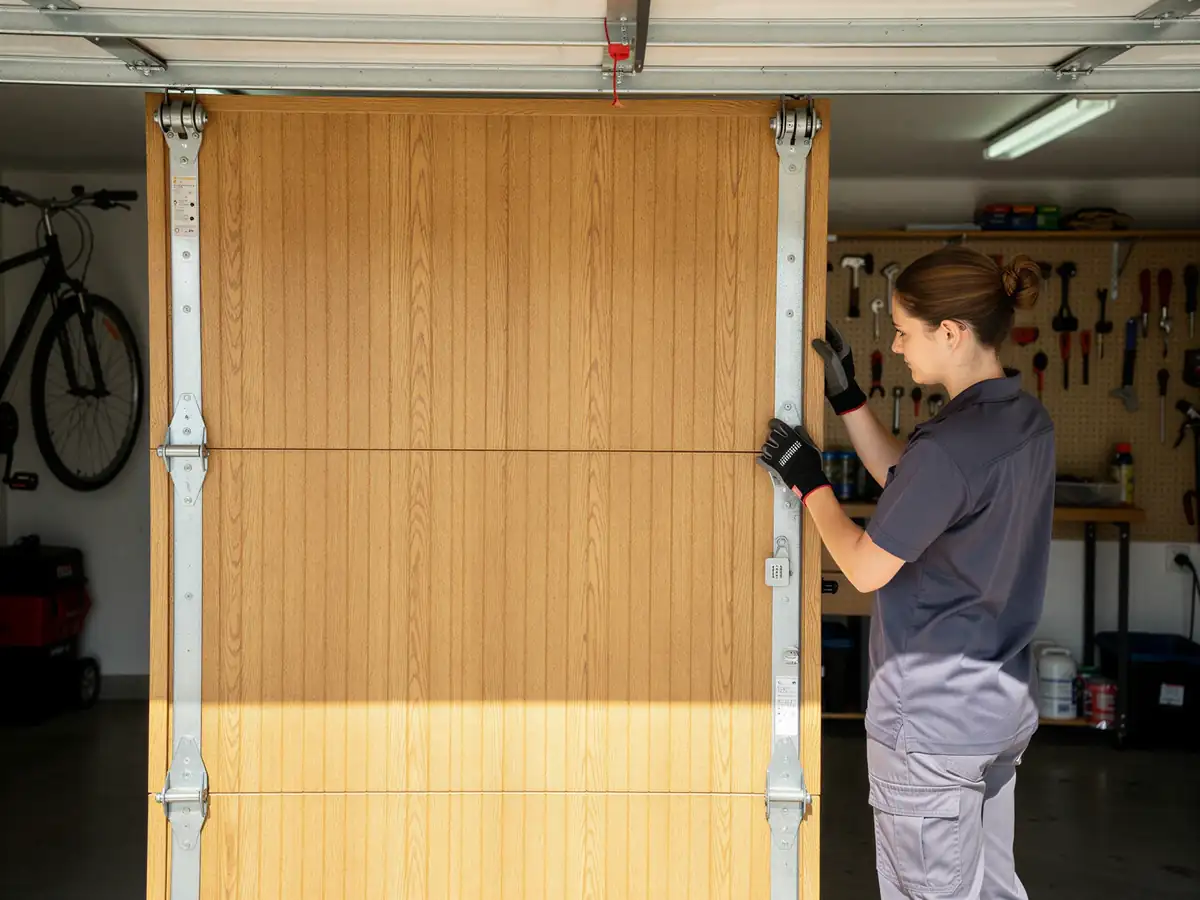
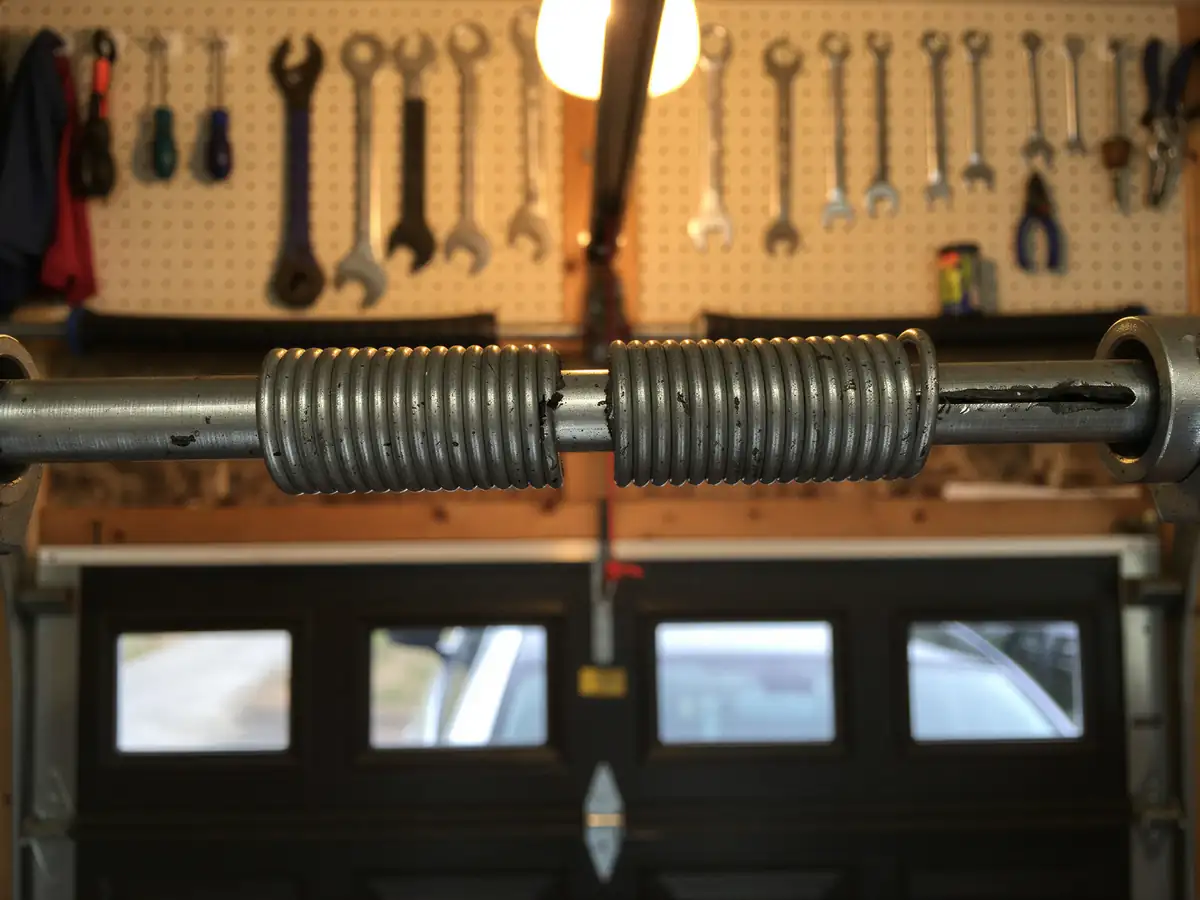
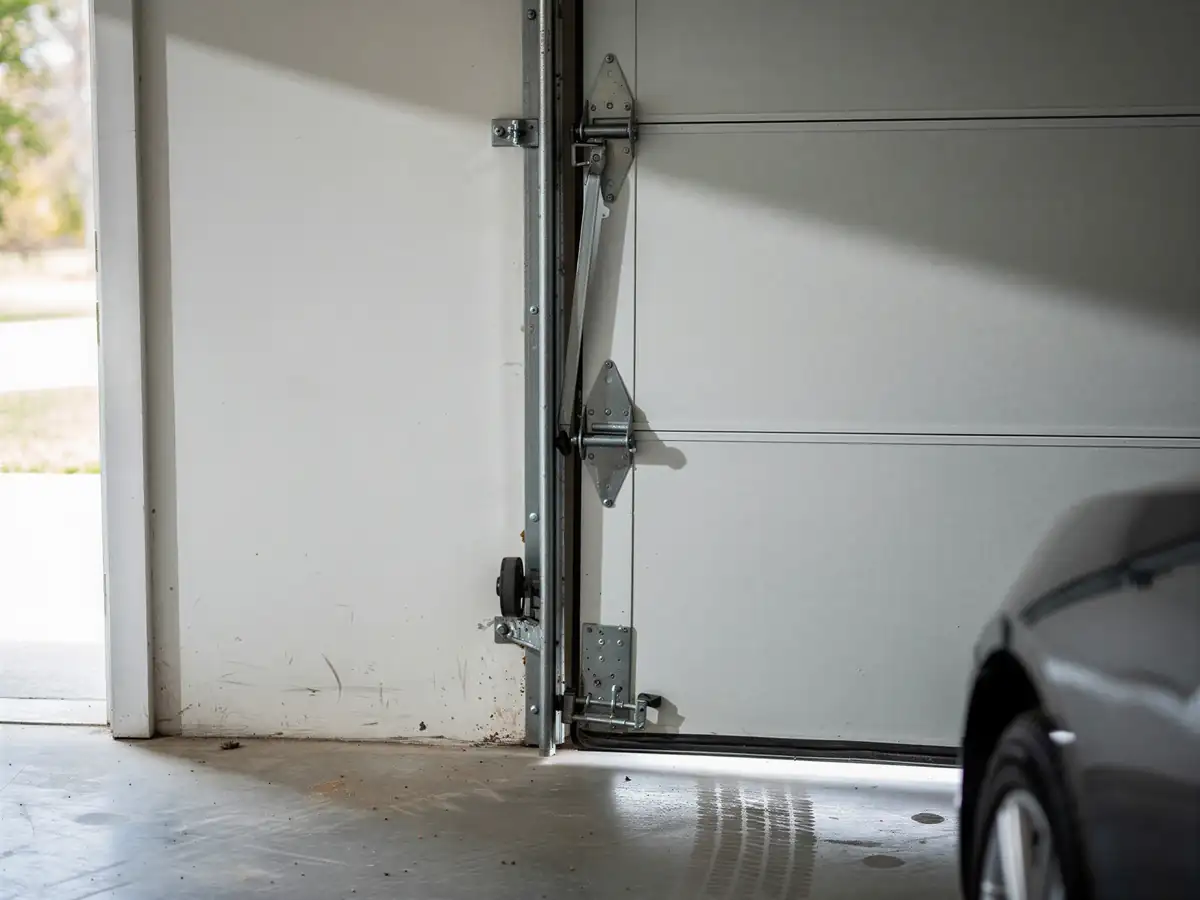
The failure mode is almost always the same on these older wide doors: the top panel bows in toward the car on a gust, the track brackets take the load at two or three attachment points instead of the six or eight a modern reinforced door spreads it across, and the lag screws holding those brackets to the jamb slowly back out. You won't see it happen. You'll see the door start binding in the track, or closing unevenly, months later. In cold-moderate conditions, the steel in an original 1960s-70s strut doesn't flex as cleanly as it did when installed decades ago - metal fatigue plus seasonal stiffness is a bad combination for a panel that's already undersized for its width. The honest limit here: if the door is original to a house from that build era and the track brackets have already pulled loose more than once, adding struts after the fact sometimes just moves the stress to the next weakest point. At that stage replacement is usually the better call, not another round of reinforcement.
What to Check
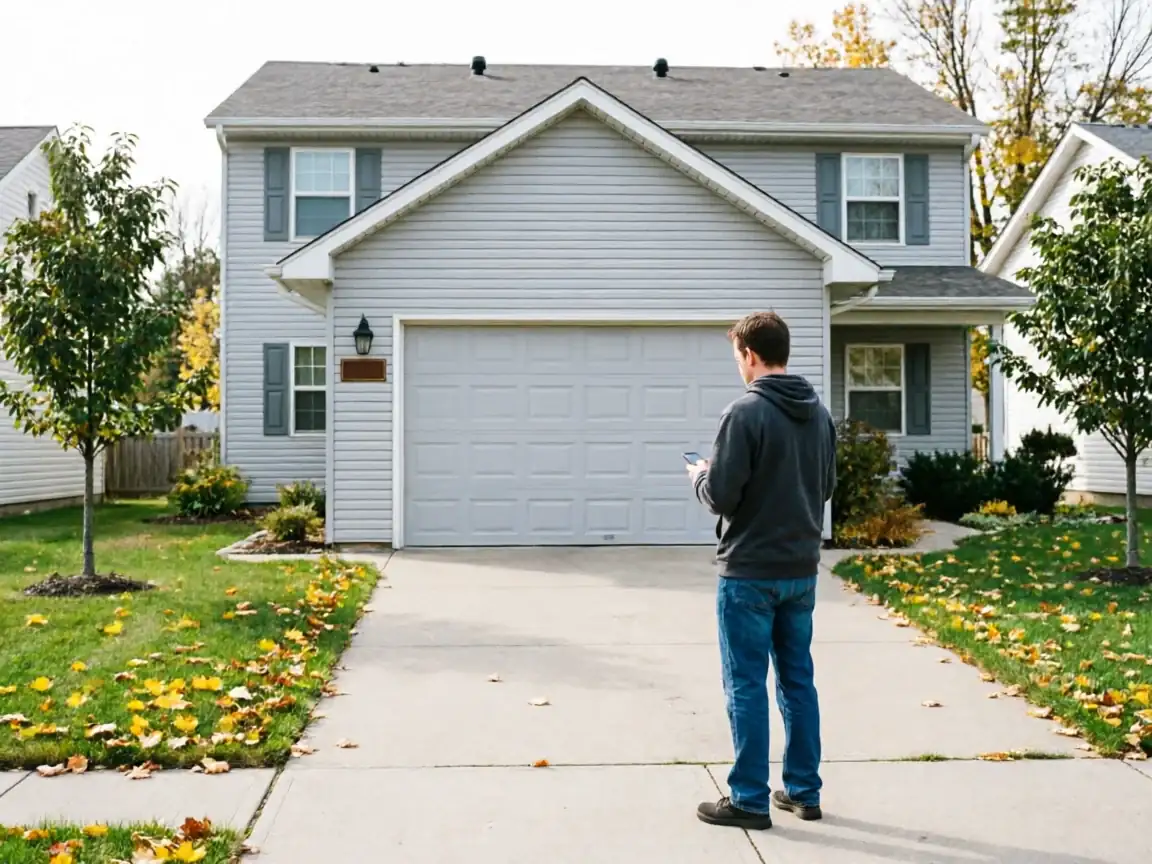
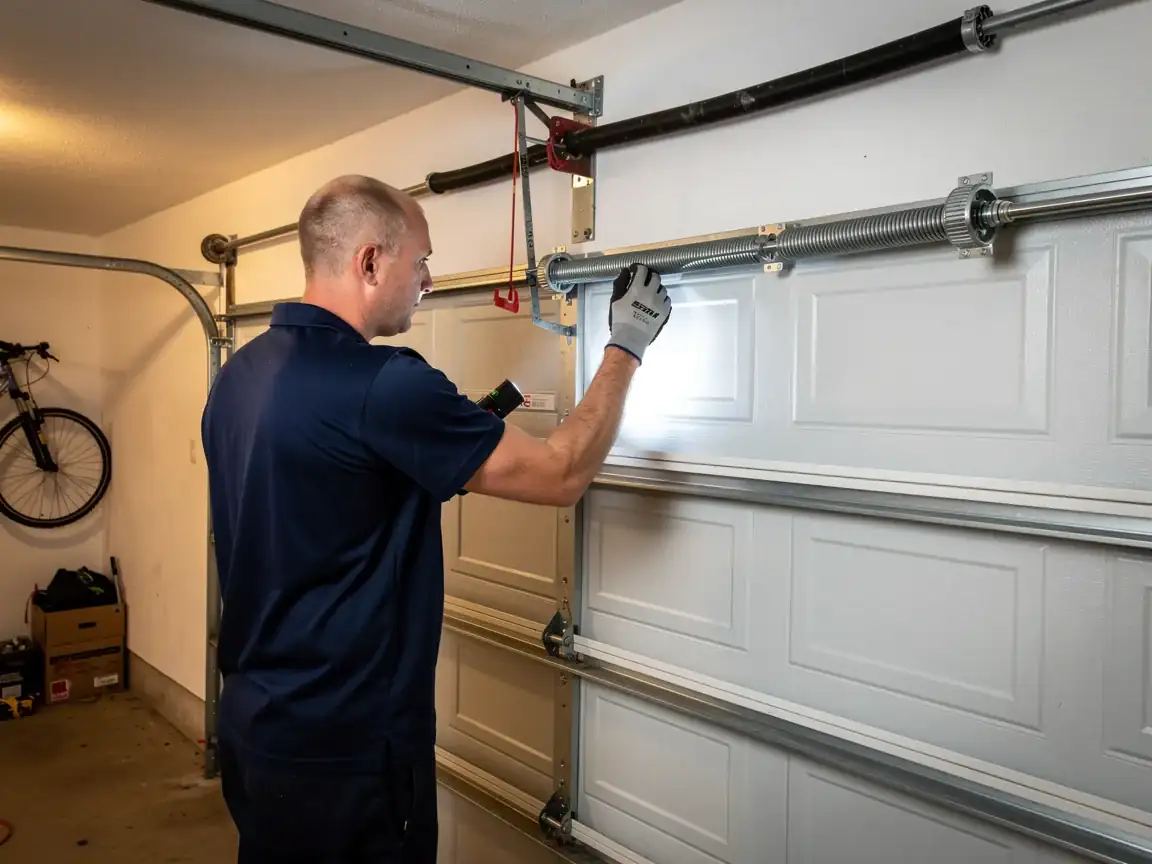
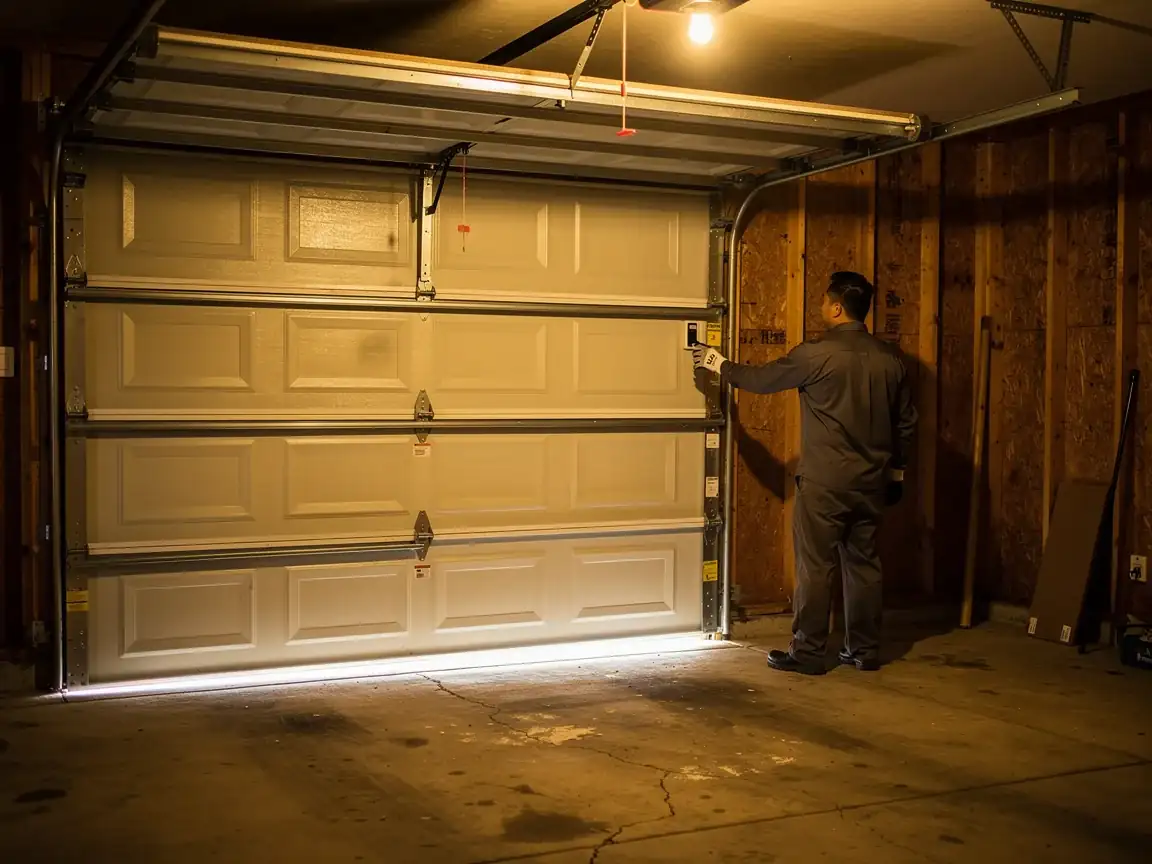
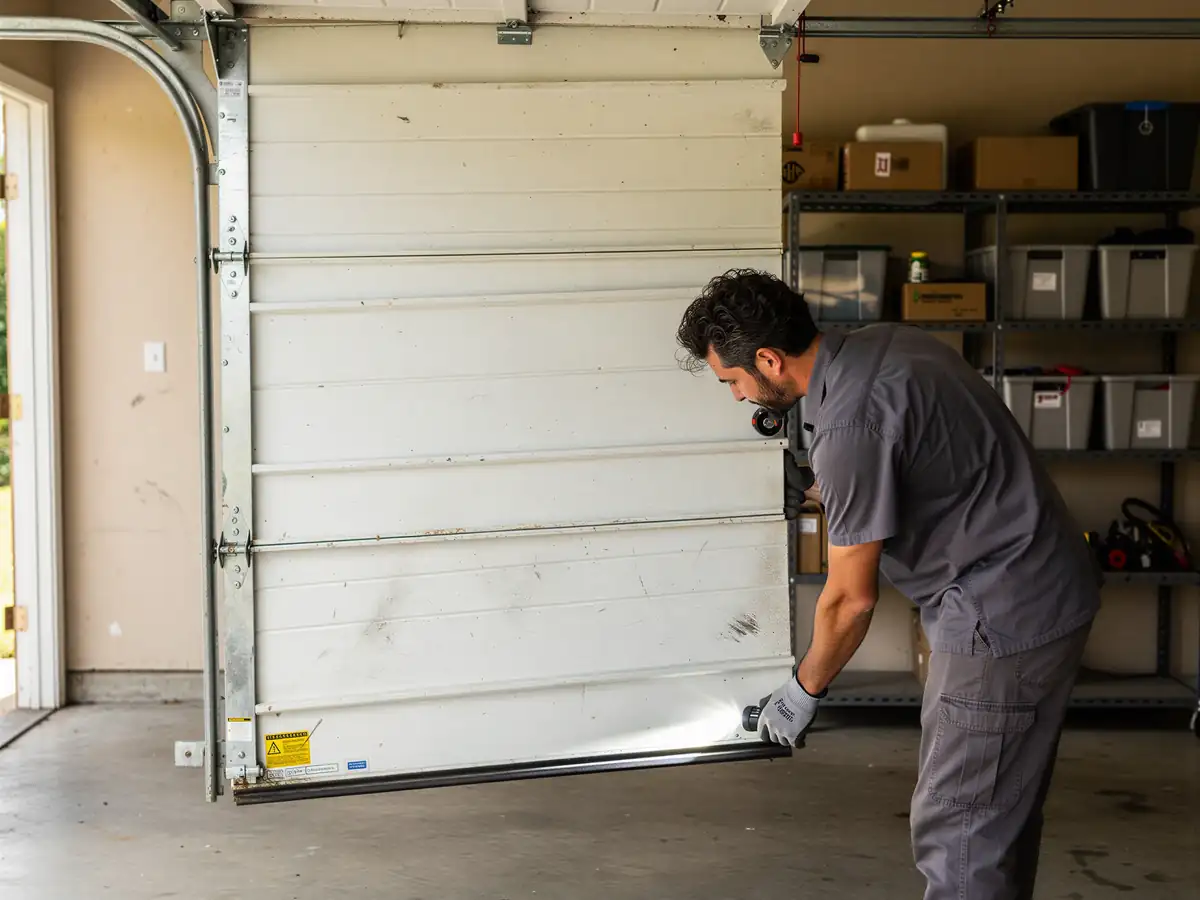
Walk out after a windy day and look at the top panel while the door is closed - sight along it edge to edge. Daylight or a visible bow in the middle means the panel is flexing more than it should. Check where the vertical track bolts to the wall: if you see fresh gaps around the lag screws, paint cracking at the bracket, or the bracket itself sitting slightly off the stud, that's the wind doing exactly what's described above. Run the door and listen for a new rattle at the top corners specifically, not the rollers - that's often the strut working loose rather than a roller problem. If your garage was built in the earlier end of this town's 1938-1996 range and still has the original door, this is worth checking every season, not just after a bad storm.
Straight answers about garage door repair in Des Plaines. Still unsure? Ask us directly.
Does a wide garage door really need extra bracing for wind in Des Plaines?
If it's an original door from a house built in the 1960s or '70s, which covers a lot of this town's housing stock, yes - those doors were built to the standards of their decade, and bracing norms for wide panels have changed since. A double-wide door without horizontal struts flexes more than it should under gusts.
How do I know if wind has already damaged my door?
Look at the top panel for a visible bow when the door's closed, check the lag screws at the track brackets for gaps or loosening, and listen for a new rattle at the top corners. If the door closes unevenly or binds in the track where it didn't before, that's often wind flex that's worked the hardware loose over time.
Is reinforcing an old door always the right fix?
Not always. If the track brackets have already pulled loose more than once on an original door from the 1960s-70s era, adding struts can just shift the stress somewhere else. At that point replacement is usually the more honest answer than another repair.