Des Plaines homes built mostly in the 1960s and 70s run original torsion hardware that wasn't made for Chicago-area cold snaps. We fix the springs, cables, and openers that fail here.
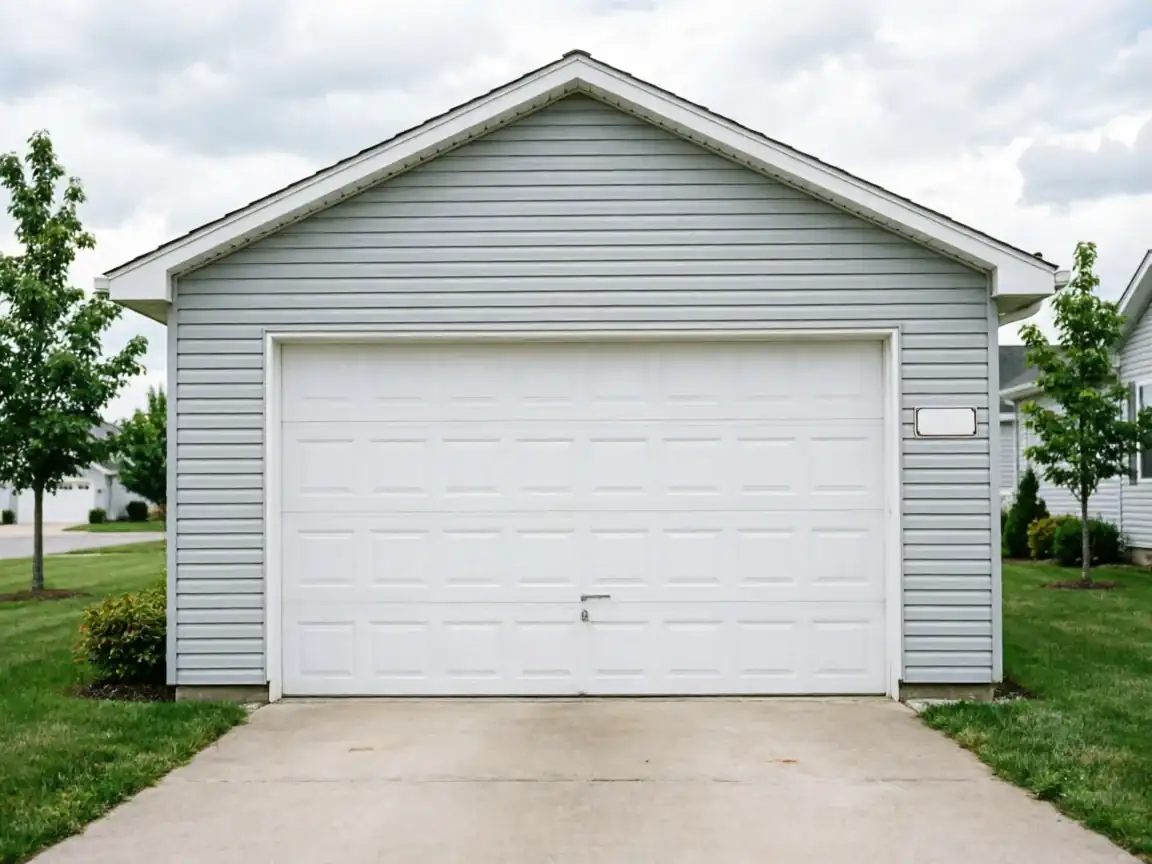
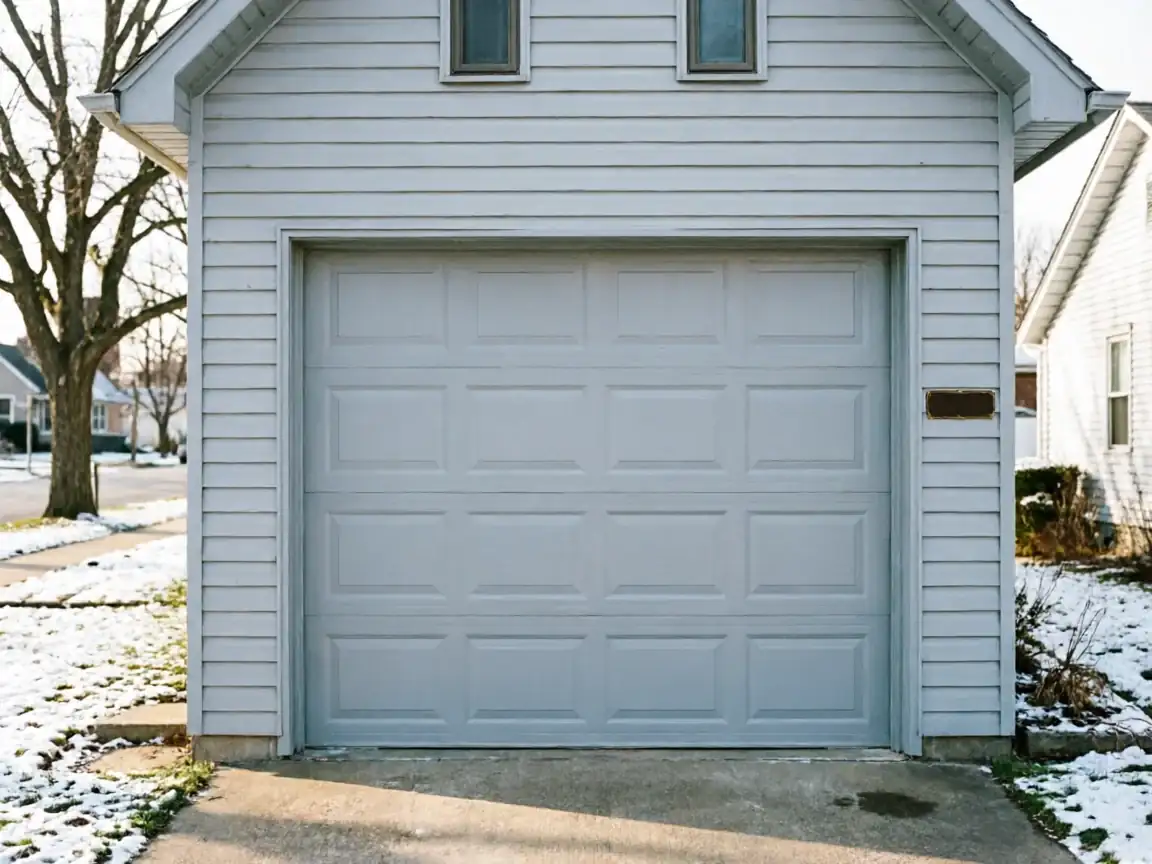
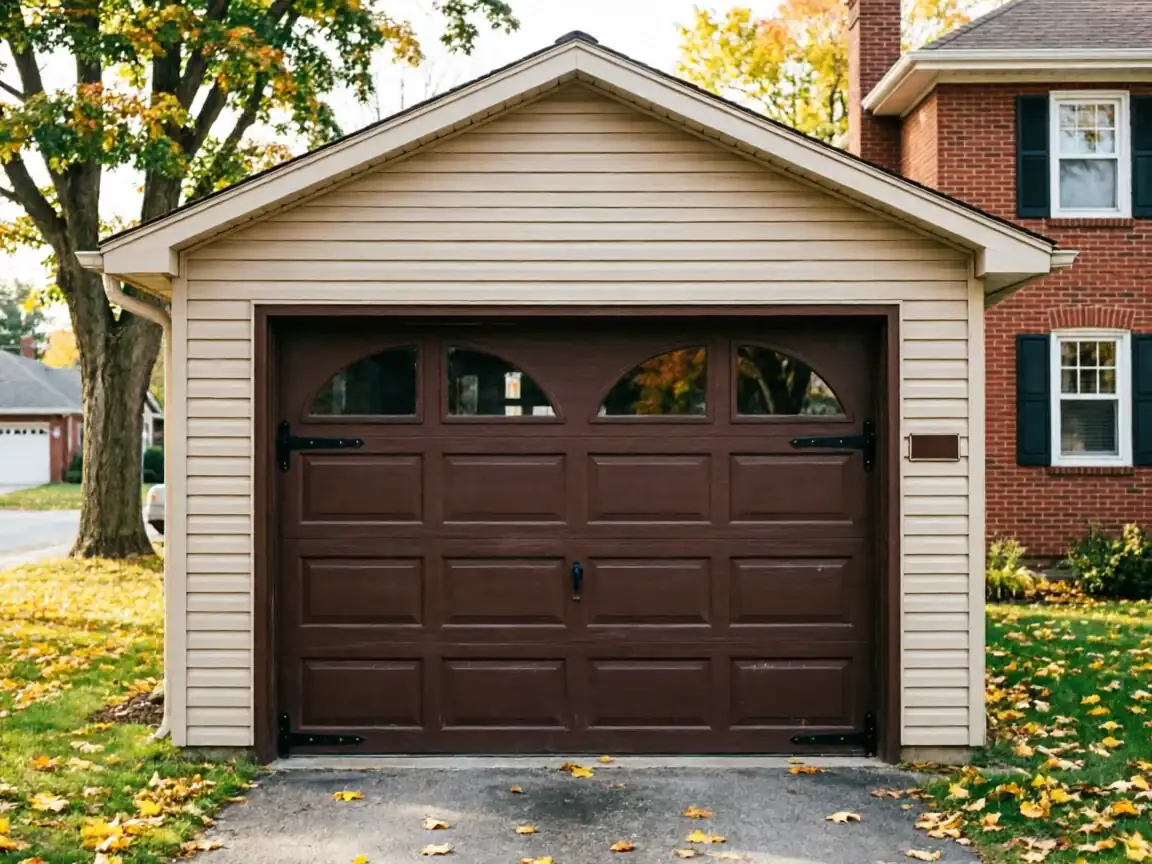
Call and tell us what the door is doing - won't open, opens crooked, makes a bang when it goes up, or just sits dead with the opener light blinking. That tells us what to load on the truck before we're anywhere near your driveway. Des Plaines sits close to Mount Prospect, Rosemont, and Niles, and most of the area between them was built out in a single long stretch from the late 1930s through the 1990s, with the bulk going up in the 1960s and 70s. That matters for booking because it tells us what kind of door and hardware to expect before we see it: steel sectional doors on torsion springs, original or close to it, on a lot of these blocks. We ask a few questions up front - age of the house if you know it, whether the door was ever replaced, whether you hear a spring or just an opener grinding - so the visit is a repair, not a diagnosis. If the door is a total write-off, we'll say so on the phone instead of running the full repair bill first.
How It Shows Up
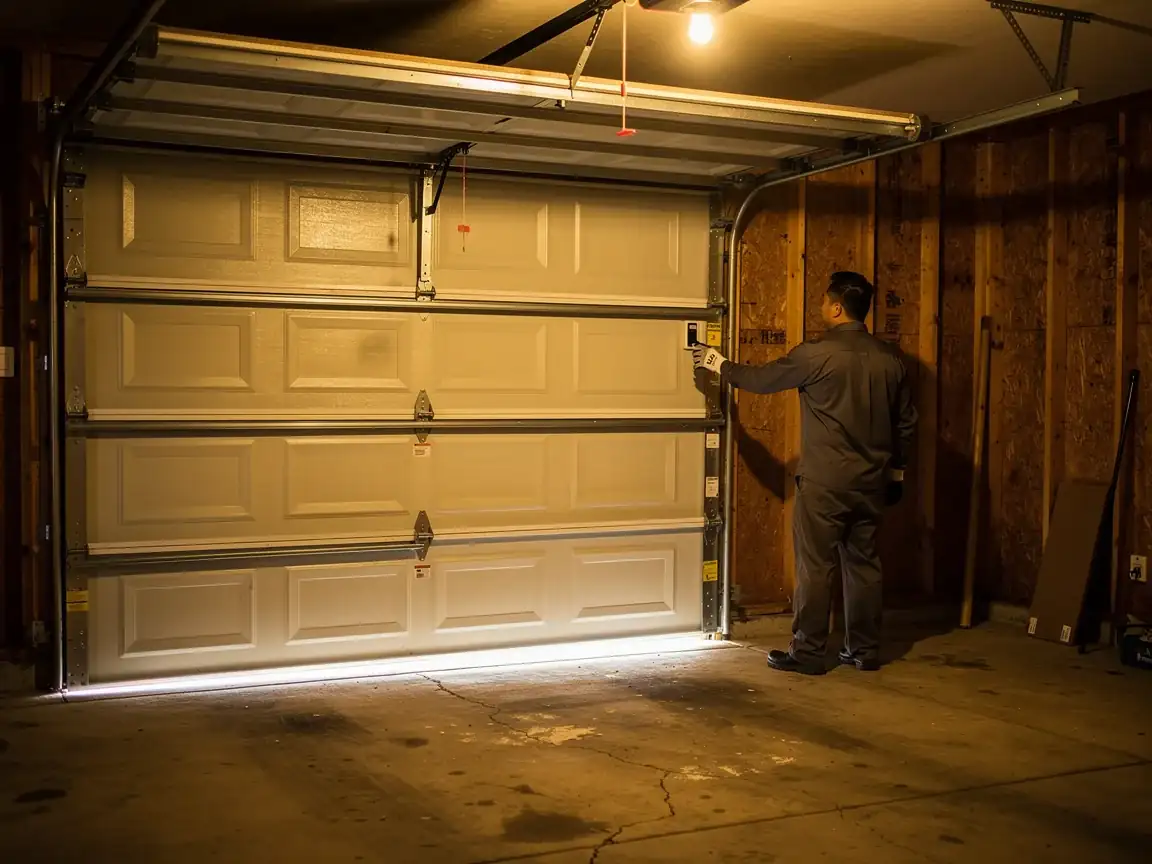
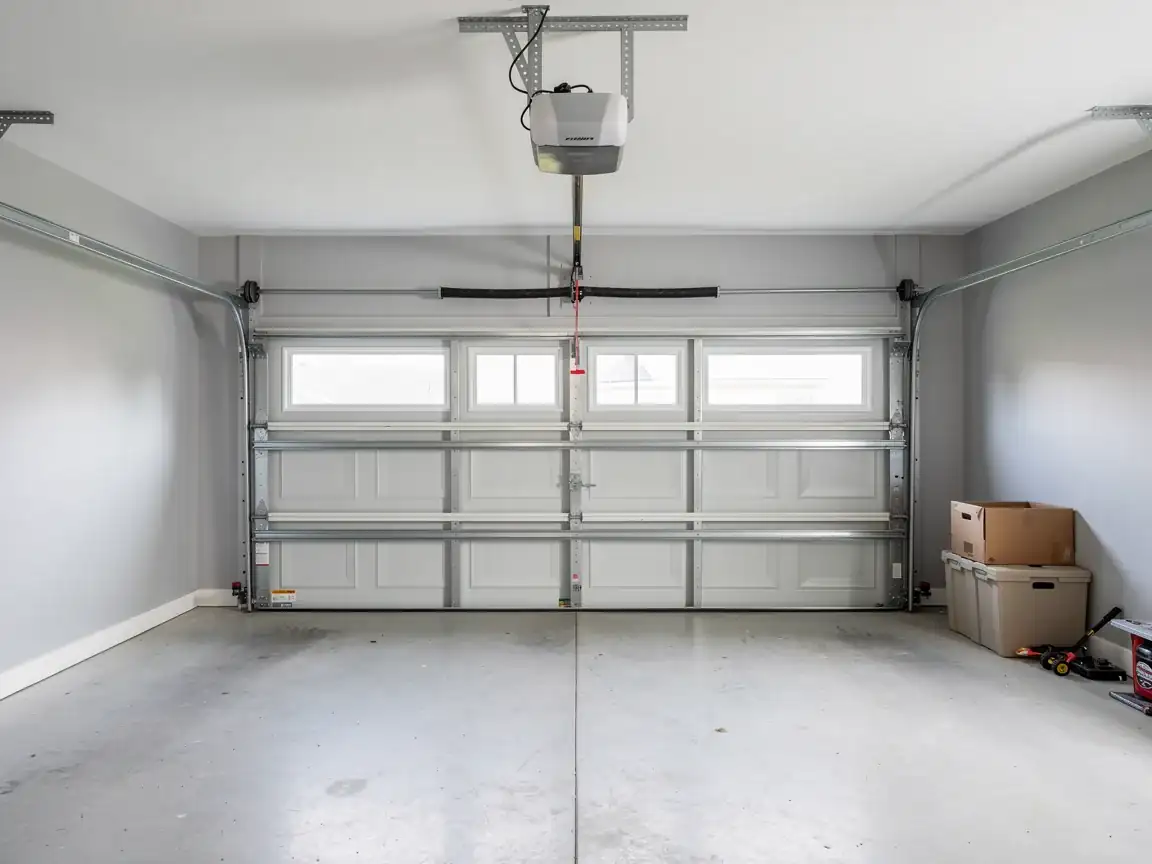
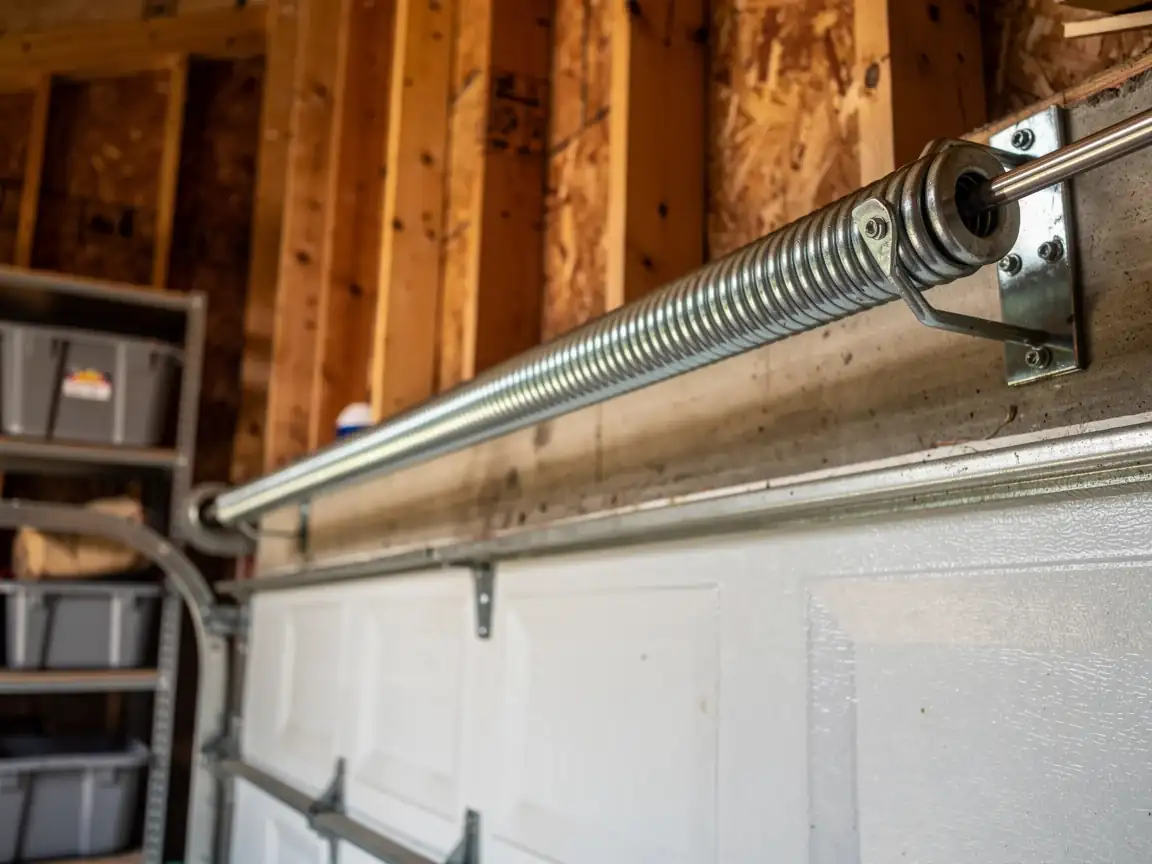
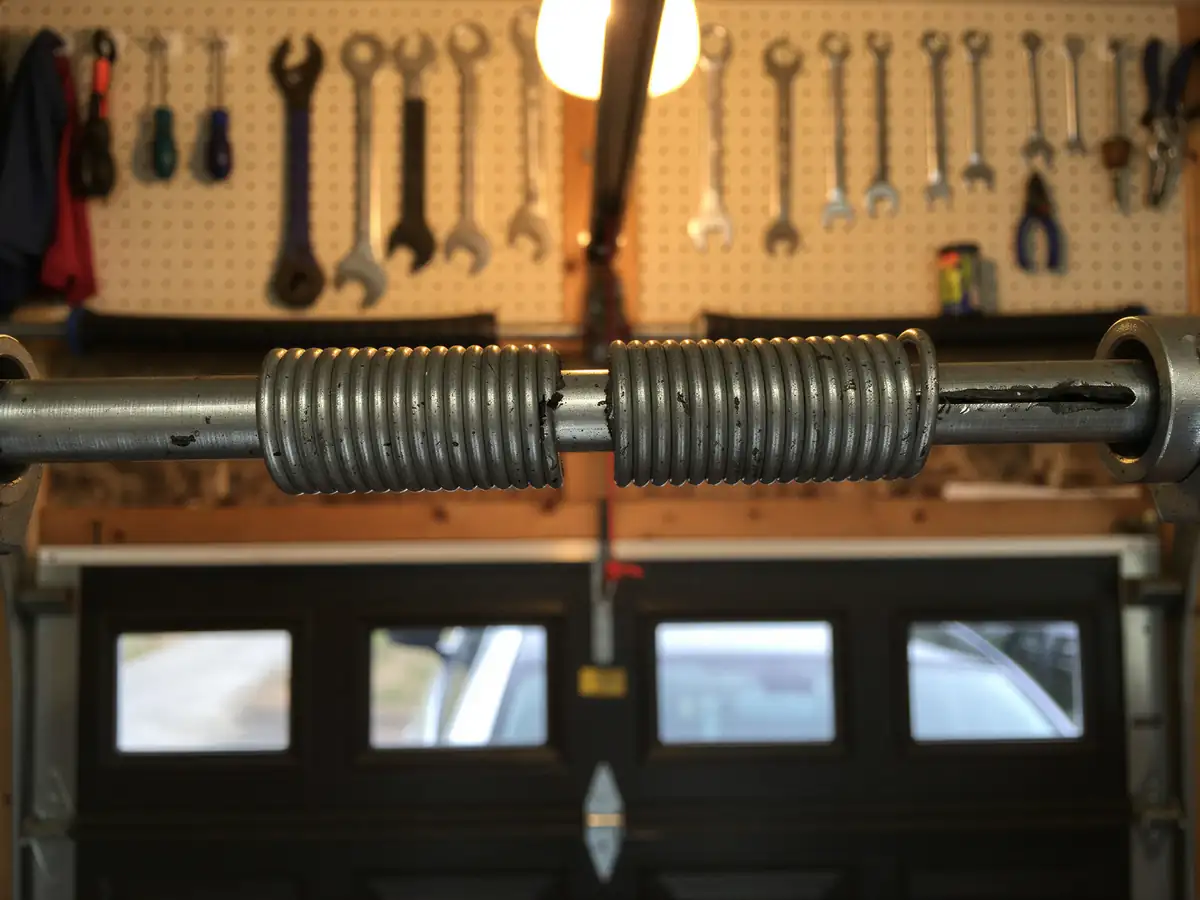
The most common call is a torsion spring that's let go, usually first thing in the morning after a hard overnight drop in temperature. The door won't budge, or it comes up six inches and stalls. Steel contracts in the cold, and a spring that's been flexing the same way for decades on a 1960s or 70s build finally gives on the one morning it's coldest. Second most common: a door that runs but sounds rough or binds partway, which on houses from this era is often a worn roller or a track that's shifted slightly out of parallel over fifty-plus years of settling. You'll also get openers that run but don't lift - that's almost always the spring taking the load off the motor, not the opener itself, and it's an easy thing to mix up if you're not the one doing this daily. None of these show up the same way twice, but the pattern across the area's housing stock is consistent enough that we usually have a guess before we unload the truck.
Why It Happens Here
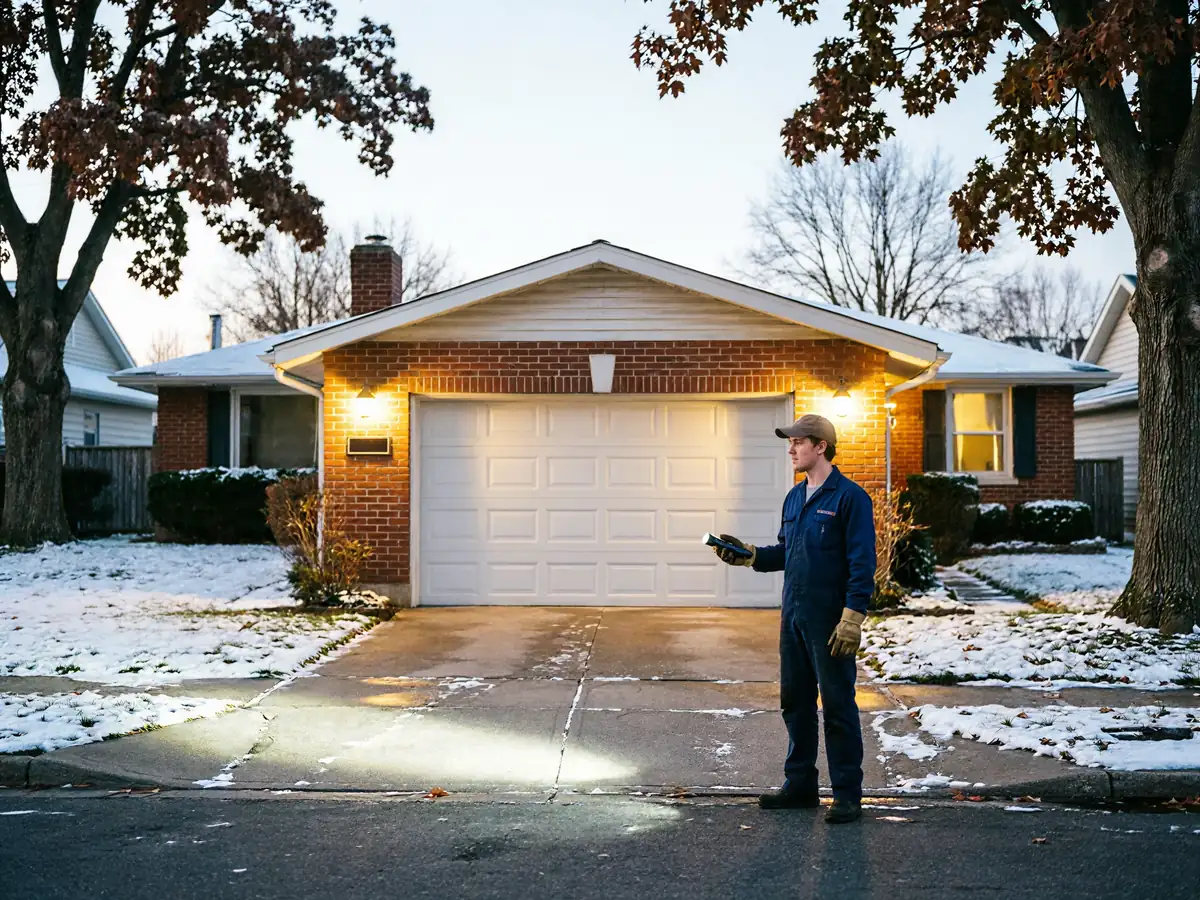
Des Plaines and the towns around it - Rosemont four miles out, Prospect Heights five, Schiller Park six - share the same build-out window, mostly 1960s and 70s construction on a COLD climate band that runs real winter swings every year. That combination is the whole story. A torsion spring is rated for a number of cycles, not a number of years, but cold makes steel more brittle and less forgiving right at the point it's already fatigued, so failures cluster hard in winter on houses old enough to be near the end of spring life anyway. Doors built in that original era also used lighter-gauge track and hardware than what goes in today, which holds up fine for decades until a cold snap exposes whatever's already worn thin. We're not fixing something unusual - we're fixing the ordinary result of 1960s-70s hardware meeting a Chicago-area winter on schedule.
What the Fix Involves
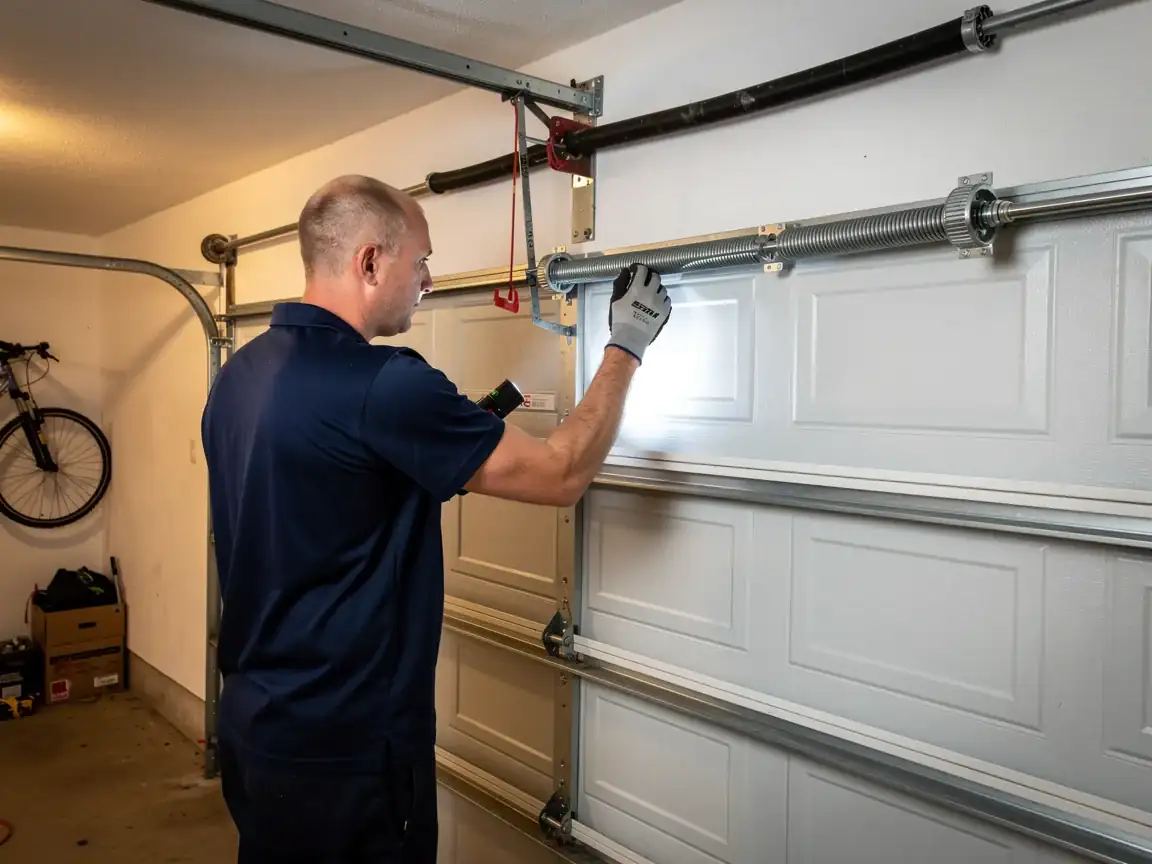
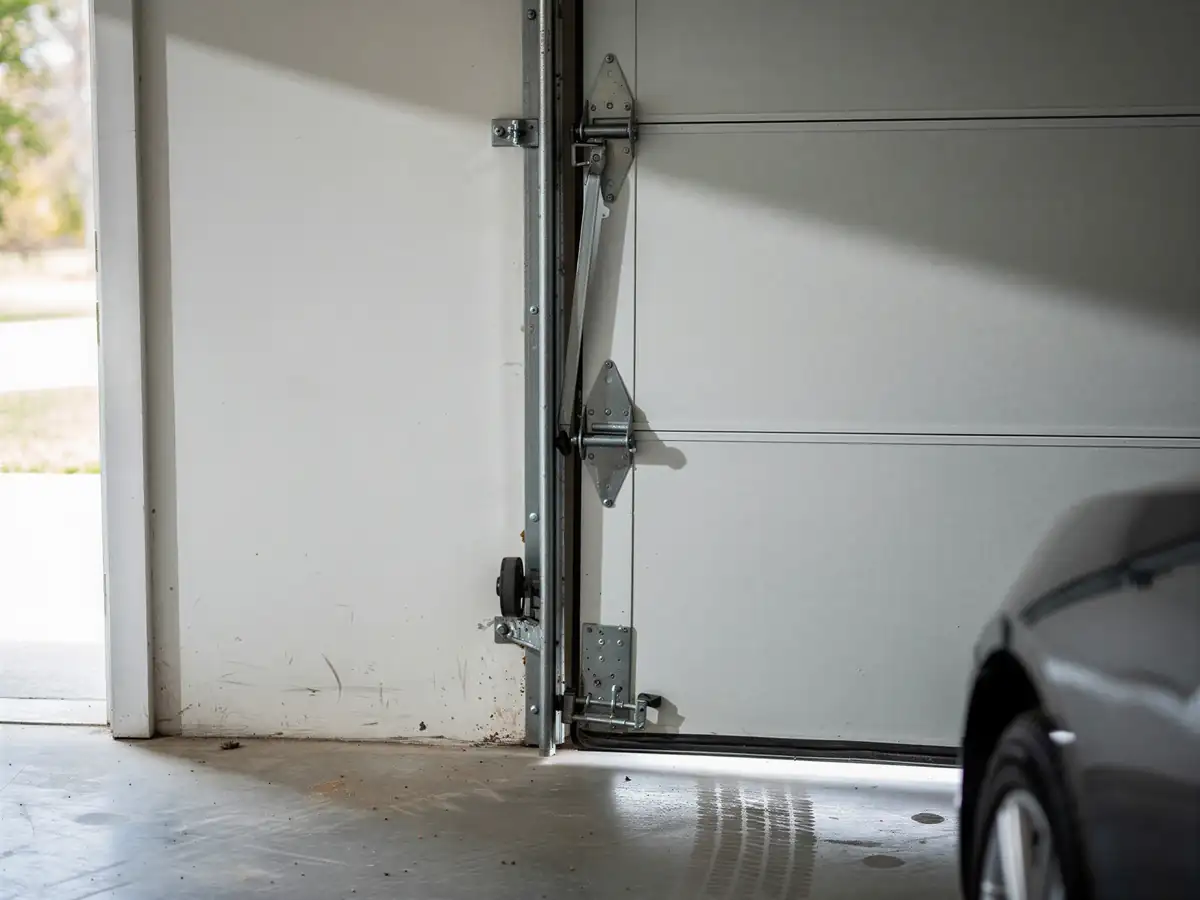
Spring replacement is a full afternoon's work done right: matching the new spring's wire size and wind to the door's weight, not just swapping in whatever's closest, then checking cable condition and track alignment while the door's open and the tension is off. If the rollers or hinges are original to a 1960s or 70s build, we'll point that out - they're usually due regardless of why you called. We don't recommend replacing a whole door over a broken spring; that's a repair, not a reason to start over, and we'll say so even though a full replacement is the bigger job. Where a fix isn't worth it is when the door itself is sagging or rusted through on top of the spring failure - at that point you're paying twice. One limit worth knowing up front: if a part needs to be special-ordered for an older or oversized door, that adds time to the job that a standard spring swap doesn't need.
How it works
From “it’s stuck” to “it’s fixed”
01
Tell us what’s wrong
Describe the symptom - won’t open, loud bang, opener runs but the door won’t move.
02
On-site diagnosis
A technician tests the door under power and by hand and finds what actually failed.
03
Clear, up-front plan
You get the fix that’s needed and what drives the cost - before any work starts.
04
Repaired & tested
The repair is done, the door is set true and tested, and the work area left clean.
Next step
Not sure which repair your door needs in Des Plaines, IL? Describe what it’s doing - every job starts with a diagnosis.
Straight answers about garage door repair in Des Plaines. Still unsure? Ask us directly.
Why did my garage door spring break overnight?
Cold snaps are the usual trigger. Steel gets more brittle in low temperatures, and a spring that's already near the end of its cycle life - common in Des Plaines houses built in the 1960s and 70s - tends to fail on the coldest morning rather than gradually. It's wear that finally shows up, not sudden damage.
Do you repair openers or just springs and doors?
We work on openers too, but a lot of calls that sound like an opener problem are actually a spring that's stopped carrying the door's weight, leaving the motor straining against the full load. We check the spring first before assuming the opener itself is at fault.
Is it worth fixing an older door instead of replacing it?
Usually, yes, if the panels and track are sound - a broken spring or worn roller is a repair, not a reason to replace the whole door. It stops being worth it once the door is sagging, rusted through, or the track is bent beyond adjustment, at which point you're paying for a repair that won't hold.