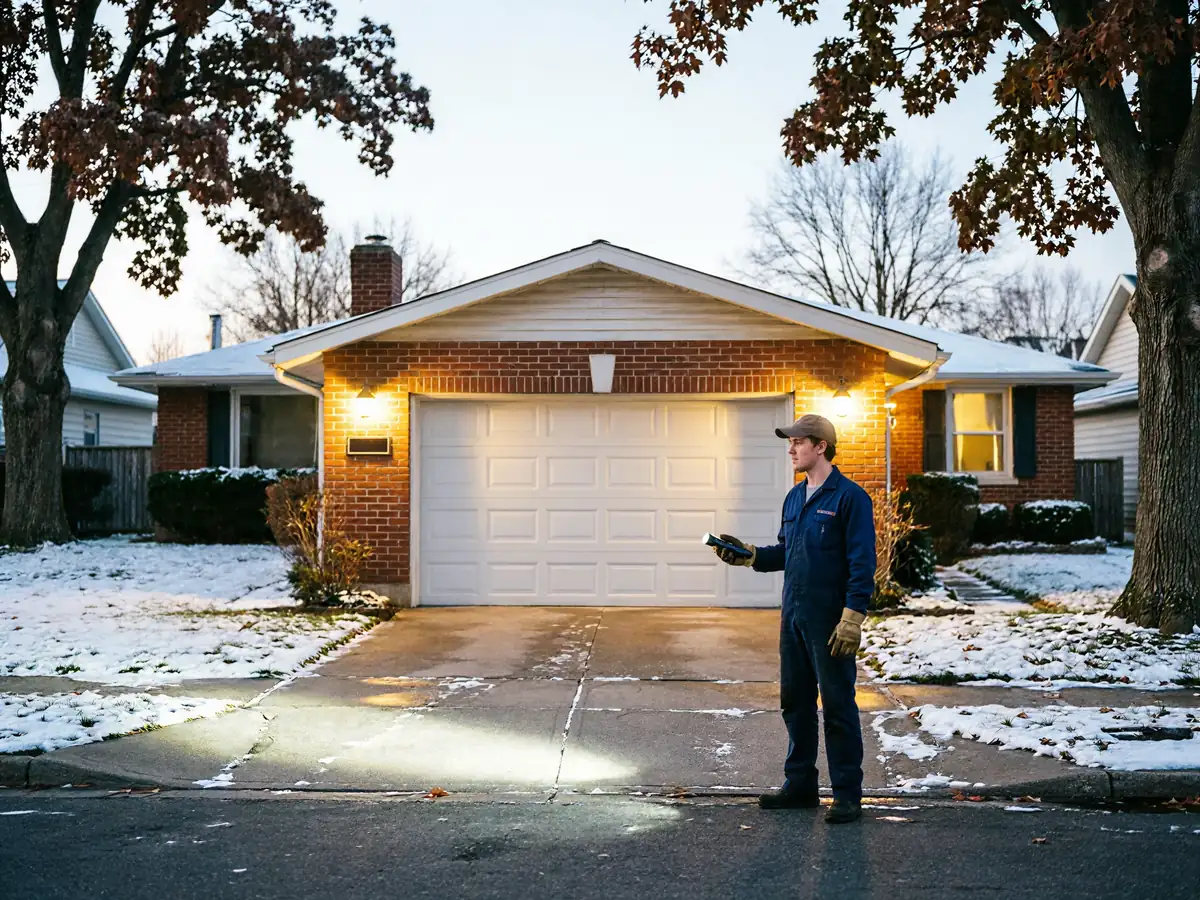
A look at when another repair stops making sense for the 1960s-70s garage doors common across Des Plaines, based on age, cold-weather wear, and parts availability.
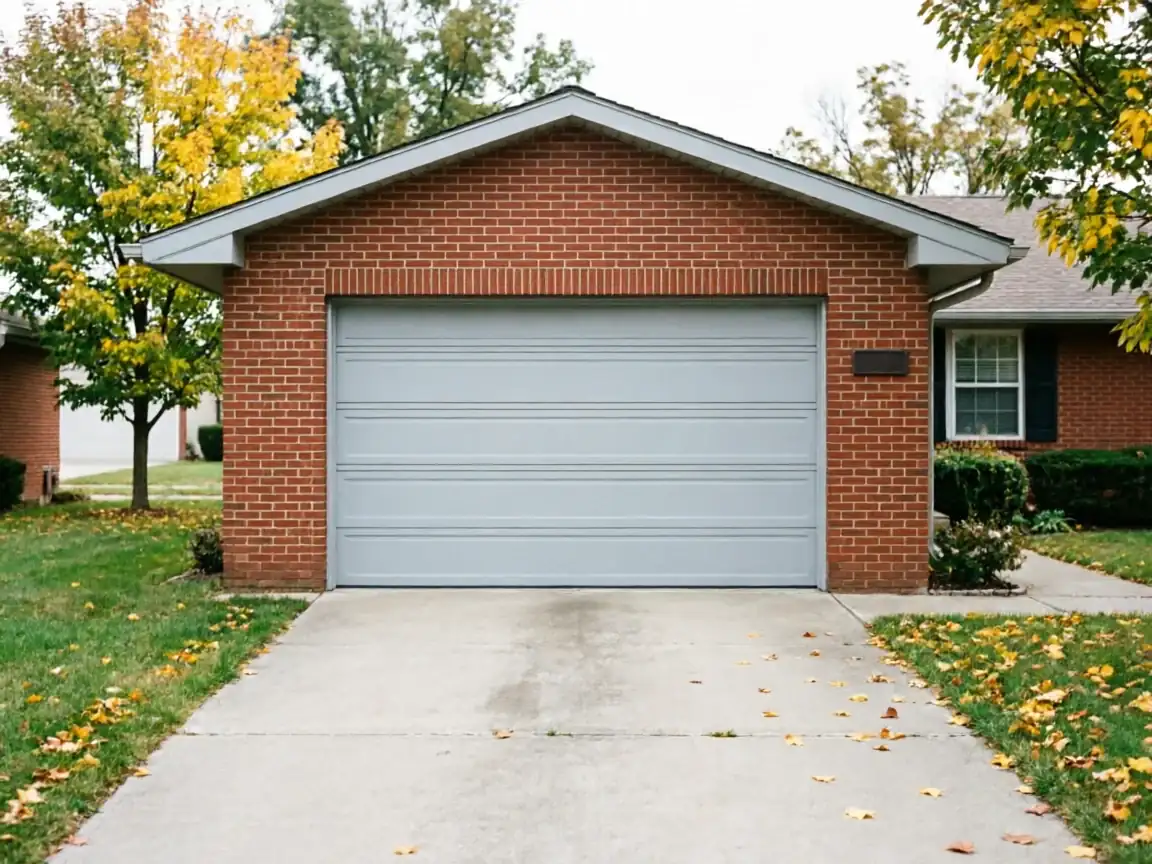
Most houses in Des Plaines went up between 1938 and 1996
With the bulk of the stock dating to the 1960s and 70s. That matters because a door from that era was built for a different climate expectation than what we actually get here. Des Plaines sits in a cold-moderate band, which means the garage sees real freeze-thaw cycling every winter - not an occasional cold snap, but months of it. Steel panels contract and expand, lubricant thickens, and the metal-to-metal contact points (hinges, rollers, the track itself) take the brunt of it season after season.
02
On a door that's 40-plus years old, that cycling has been happening for decades
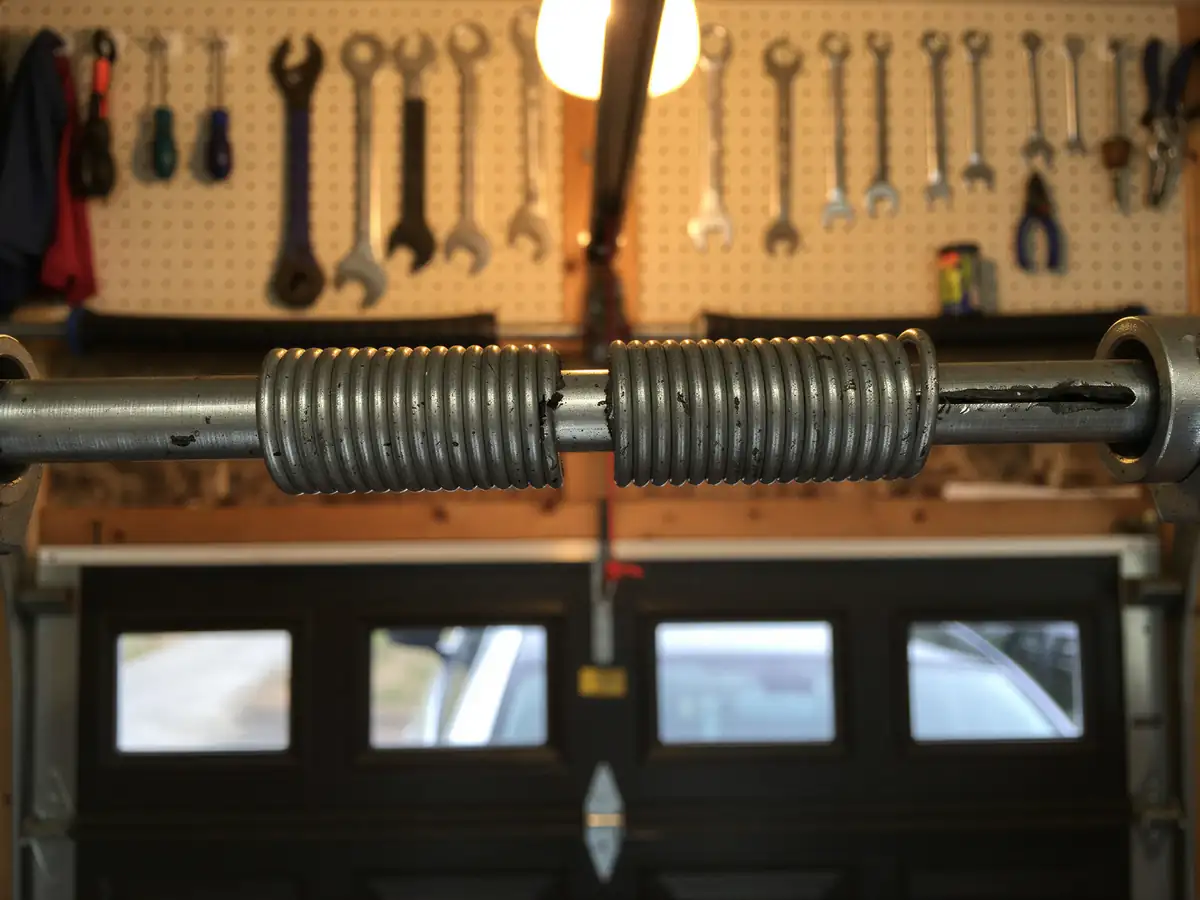
The track may have worn into a slightly different shape than the roller riding in it. The spring has gone through far more wind-and-unwind cycles than its rated life assumed. None of this shows up as one dramatic failure - it shows up as a door that needs a little more attention each winter than it did the year before. That pattern, more than any single breakdown, is the thing to pay attention to.
03
We're not saying every older door is done
Plenty of them are solid. But if your house falls in that median-1972 range and the door has never been replaced, you're working with original or near-original hardware that was never designed around today's opener torque or today's insulation expectations.
When Waiting Is Fine
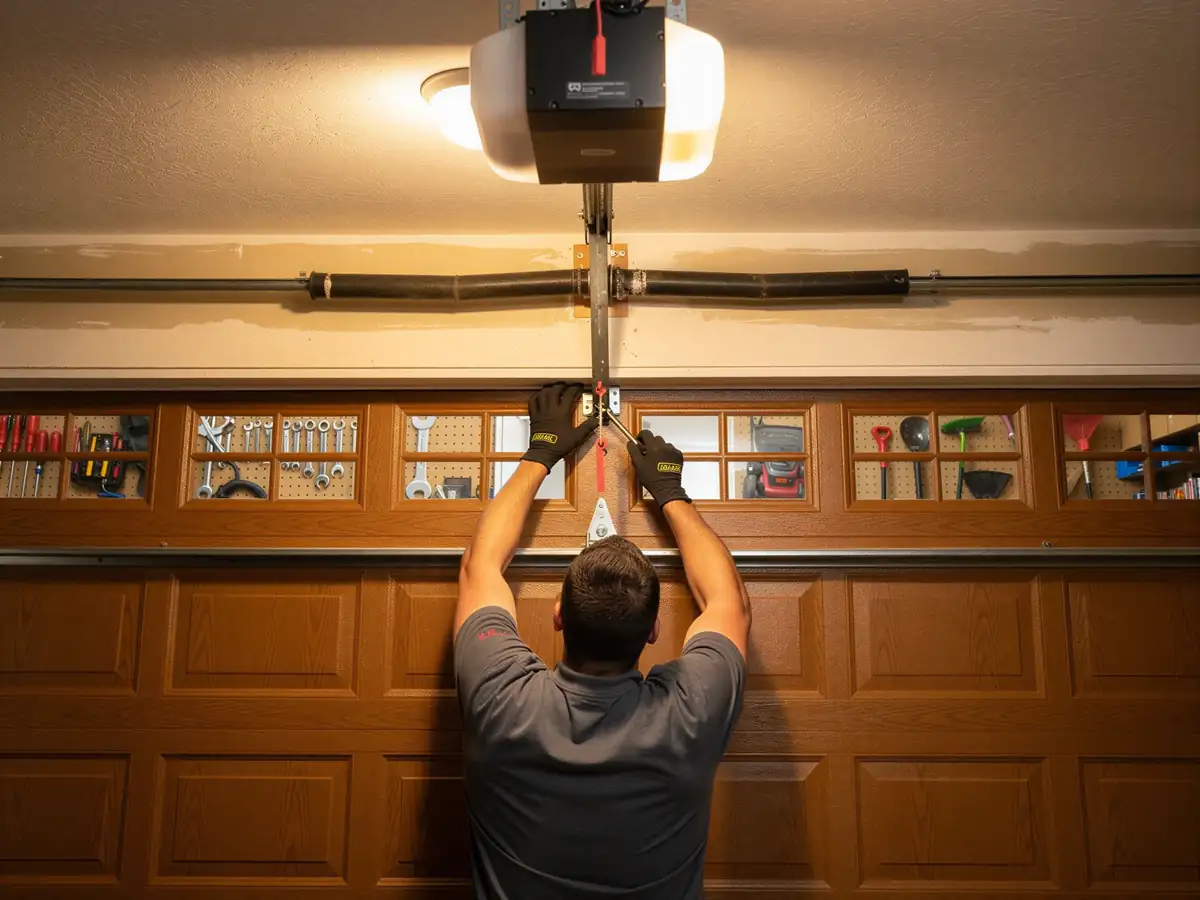
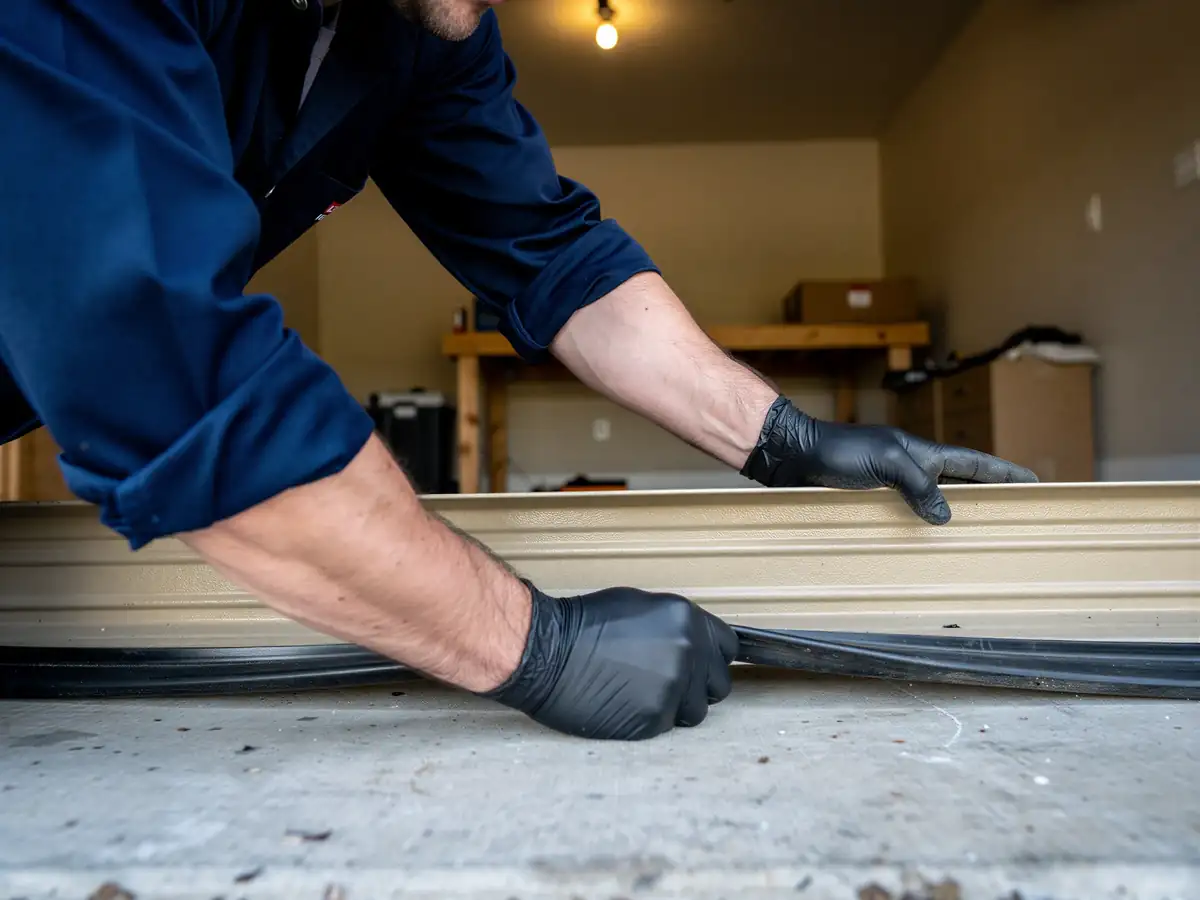
If the door still opens and closes on command, runs quiet, and the only issue is a worn weatherstrip or a squeaky roller, you don't need to do anything drastic. A seasonal tune-up - lubricating the track, snugging the hardware, checking cable tension - handles most of what cold-moderate winters throw at a door that's otherwise in decent shape.
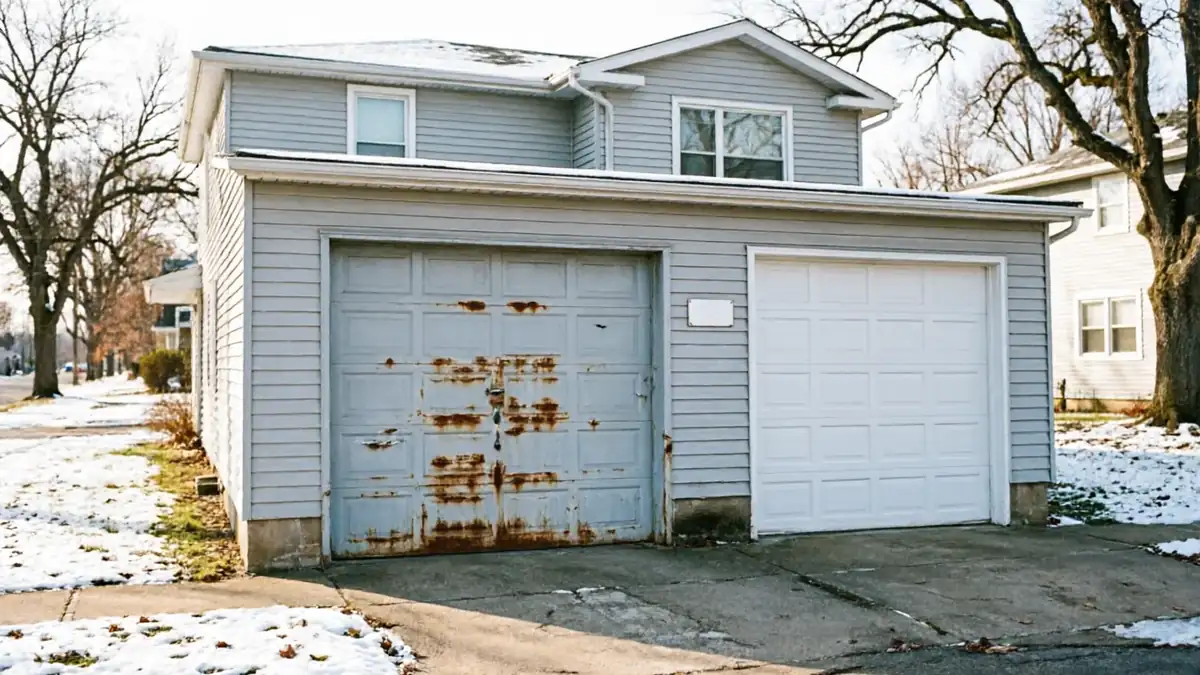
It's also fine to wait if the symptom is cosmetic: faded paint, a dented bottom panel from a stray basketball, minor surface rust that hasn't reached the structural rail. None of that affects how the door operates, and none of it gets worse on a predictable schedule the way spring fatigue or track wear does.
The honest limit here: we don't recommend replacing a door just because it's old. Age alone isn't a failure. A door built in the 1960s-70s wave that's been maintained can still run fine. What changes the math is a pattern of repeat failures on the same system, not a single year on the house.
The Problem
The problem shows up when repairs start stacking on the same door within a short stretch - a spring last year, a cable this spring, now a roller binding in a track that's visibly out of true. On houses from the 1938-1996 build range, especially the 1960s-70s cluster that makes up most of the neighborhood, that pattern usually means the track itself has worn past the point where new rollers or a new cable actually fix anything. You're patching parts around a frame that's no longer straight.
The other version of this problem is an opener and door that were matched decades ago and no longer agree with each other - an older door, heavier than modern equivalents, paired with hardware that's been rebuilt piecemeal. Each individual repair is cheap. The total, over two or three visits in a year, often adds up to more than half the cost of just replacing the door and track together.
Cold-moderate winters make this worse, not better. A door that's already borderline tends to bind hardest on the coldest mornings, right when you need it to open without a fight.
What to Check
01
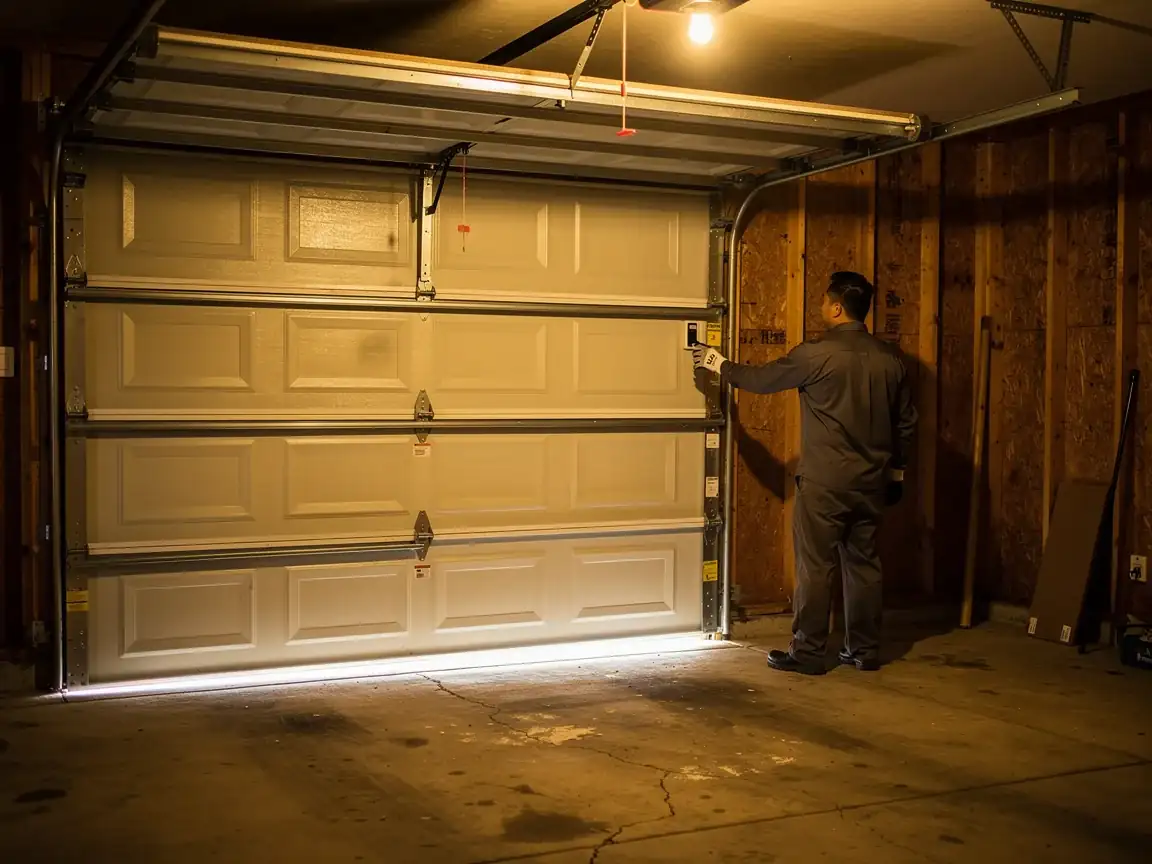
Before you call for another repair, look at three things
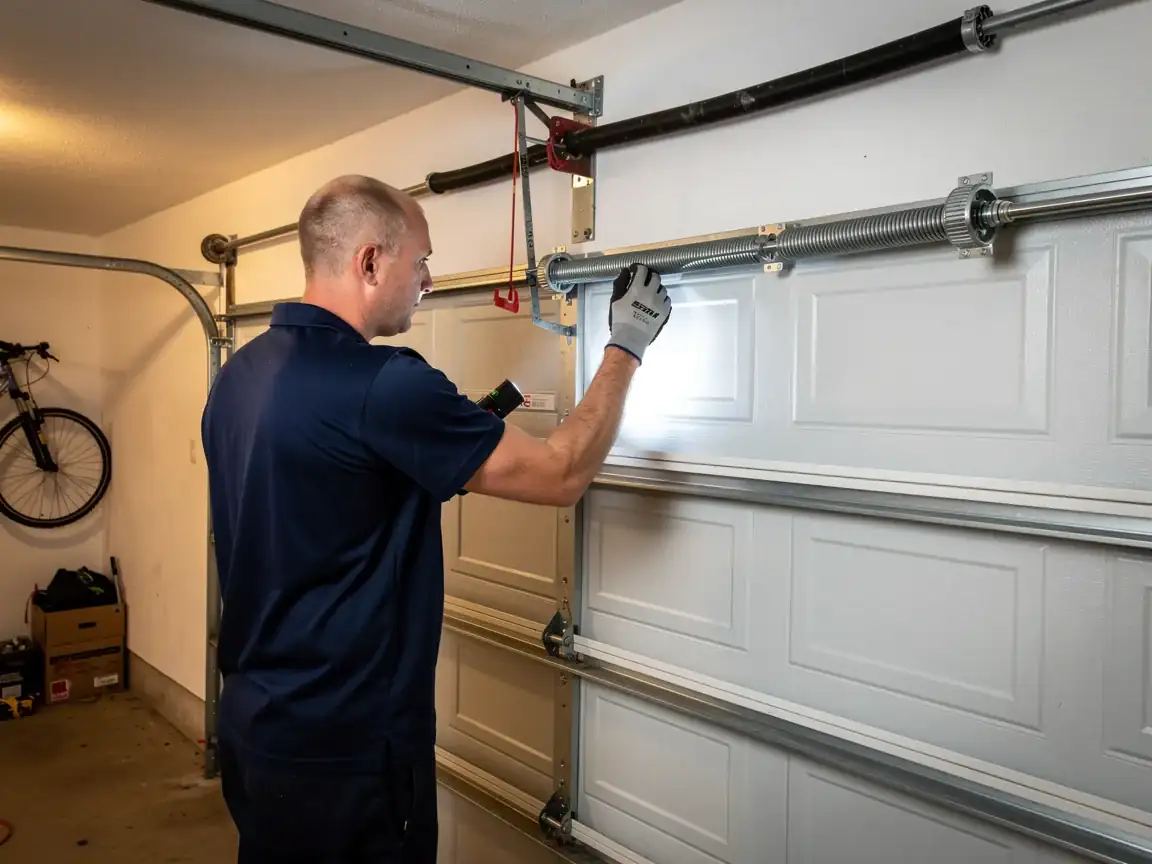
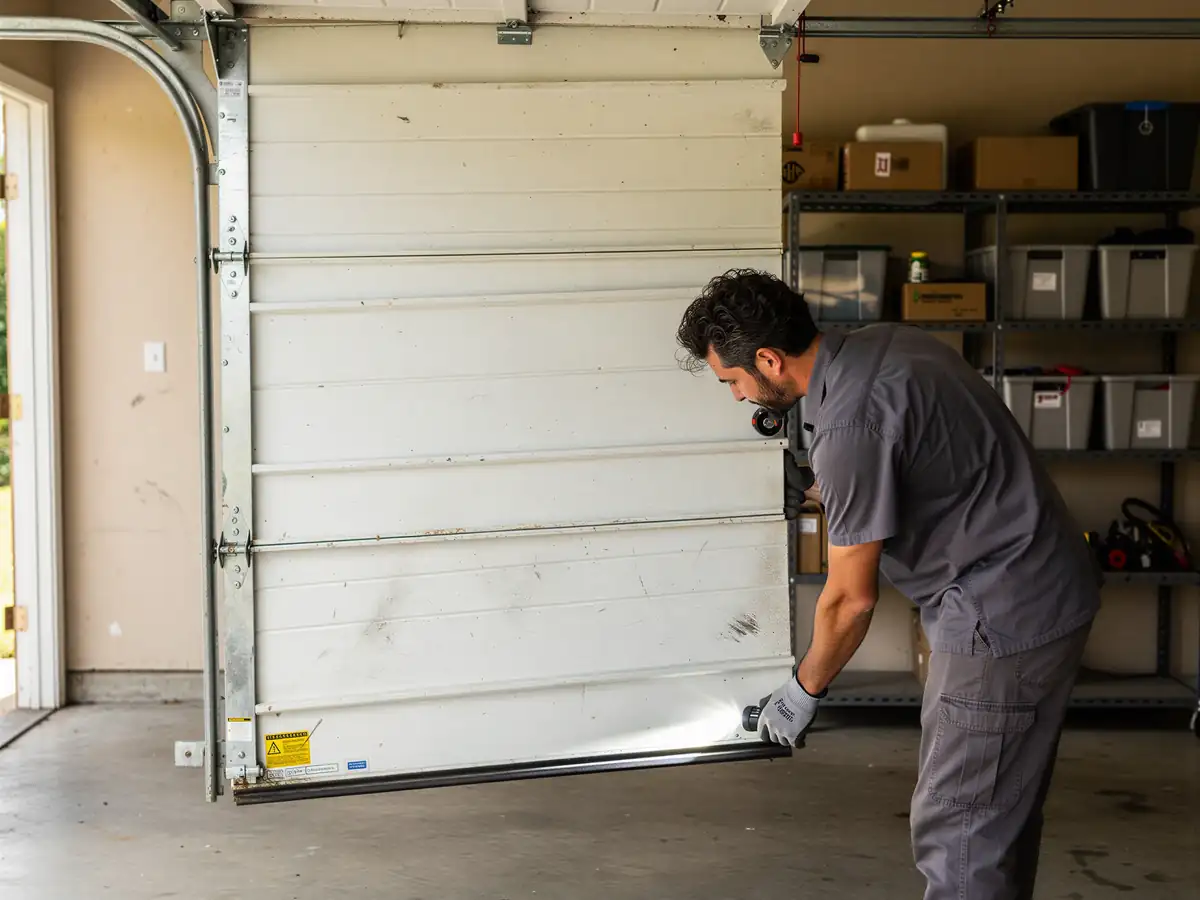
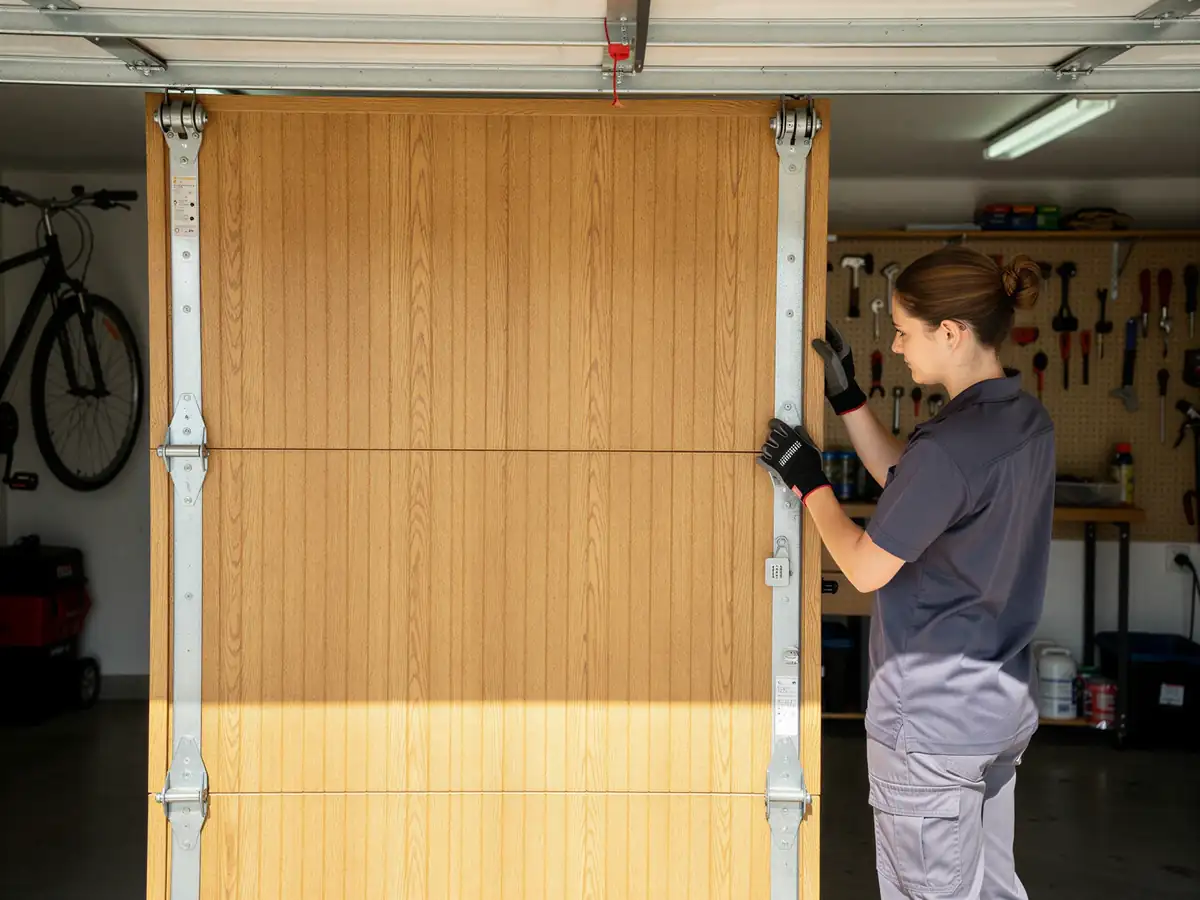
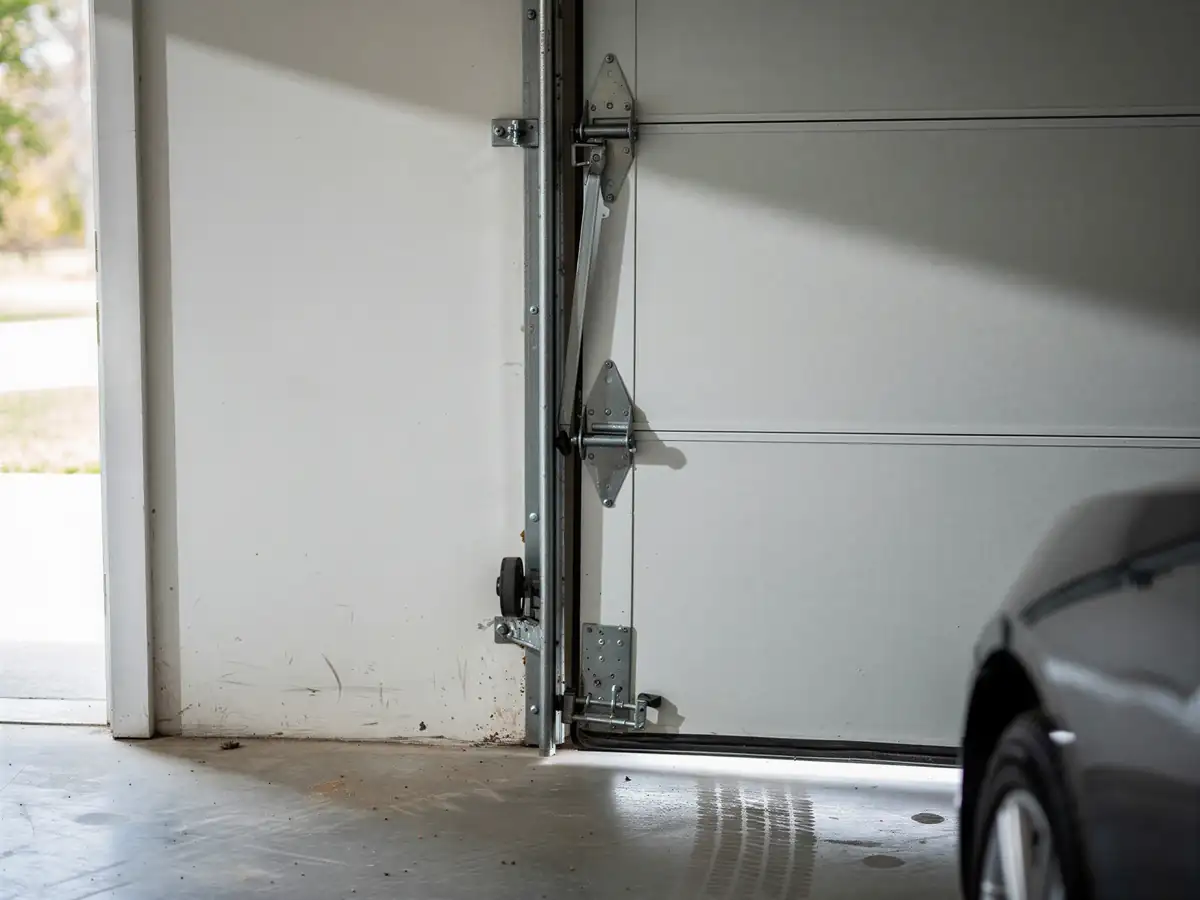
First, the track: stand at the side and sight down its length. If it bows or kinks anywhere, rollers will keep jumping no matter how many times you replace them. Second, the spring: if it's been replaced more than once in the last two or three years, that's not bad luck - that's a sign the door's weight or balance is off somewhere else in the system. Third, the panels themselves: on a house built in the median-1972 range, original steel panels have often thinned at the bottom from decades of moisture cycling. Press on the lowest panel near the corner. Give or flex there means the door's structural integrity, not just its hardware, is the issue.
02
If all three check out fine, a repair is the right call
If two or more show wear, you're likely looking at a door that costs less to replace than to keep patching. We'll tell you straight which one it is when we're out there - we don't push a new door on hardware that still has useful life left in it.
Straight answers about garage door repair in Des Plaines. Still unsure? Ask us directly.
How do I know if my garage door is just old or actually failing
Age by itself isn't a reason to replace. Look for a pattern: repeat repairs on the same part within a year or two, a track that's visibly bowed, or bottom panels that flex under light pressure. One of those, repair it. Two or more together, on a door from the 1960s-70s building wave common here, usually means replacement costs less over time.
Why does my door act up more in winter
Des Plaines sits in a cold-moderate climate band, so the garage sees real freeze-thaw cycling most winters. That stiffens lubricant and stresses metal-to-metal contact points like rollers and hinges. A door that's already borderline on spring tension or track alignment tends to bind worst on the coldest mornings.
Is it worth fixing a door from a house built in the 1960s or 70s
Often yes, if the track is straight and the spring hasn't failed repeatedly. Plenty of houses in that median-1972 range still run original or near-original doors fine with regular lubrication and hardware checks. It becomes not worth fixing once repairs start stacking within the same year or two.