Garage Door Opener Installation for Des Plaines Homes
Opener installation for Des Plaines homes built mostly in the 1960s and 70s, matched to original hardware and cold-weather demands. Local service, straight talk.
Most calls for opener installation start one of two ways: the old unit finally quit, or a homeowner is tired of babying a chain drive that grinds every time it runs. Either way, booking the job is straightforward. We ask for the door's age, whether it's the original door that came with the house, and what you've noticed - grinding, reversing on its own, a remote that only works from ten feet away. For houses in this service area, built mostly between 1938 and 1996 with a lot of stock from the 1960s and 70s, we also ask about the header above the door, since older framing sometimes needs a bracket swap to mount a newer opener bracket correctly. We'll tell you up front if your garage needs an electrician for a new outlet - some older detached garages in this area were never wired for anything beyond a single light fixture, and that's not a job we do ourselves. If that's the case, we'll say so before you spend money on a truck roll that can't finish the job that day.
How It Shows Up
The symptom pattern here is pretty consistent. Chain-drive openers from the 1980s and 90s - common replacements on houses built in the 1960s and 70s - start slipping teeth on the gear sprocket, and you hear a loud bang before the door moves. Belt-drive owners who upgraded more recently see the opposite problem: the belt runs fine but the logic board starts dropping Wi-Fi pairing or ignoring the wall button during a cold snap. On older one-piece doors still running the original hardware, the opener fights the door itself, since the drive isn't built for the weight or the track geometry those doors use. We also see the safety-eye sensors get knocked out of alignment on garages with uneven concrete slabs, which is common enough on homes from the 1960s and 70s that we check it as a matter of routine, not an afterthought.
Why It Happens Here
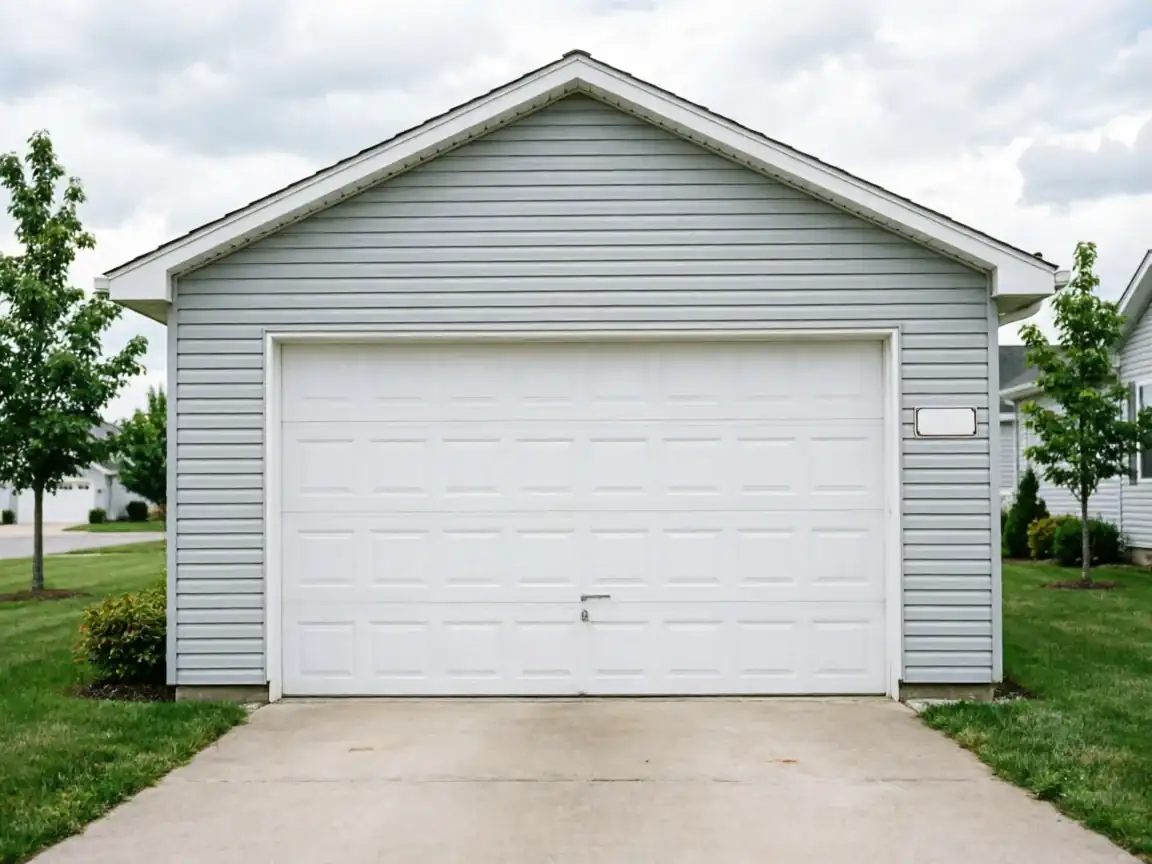
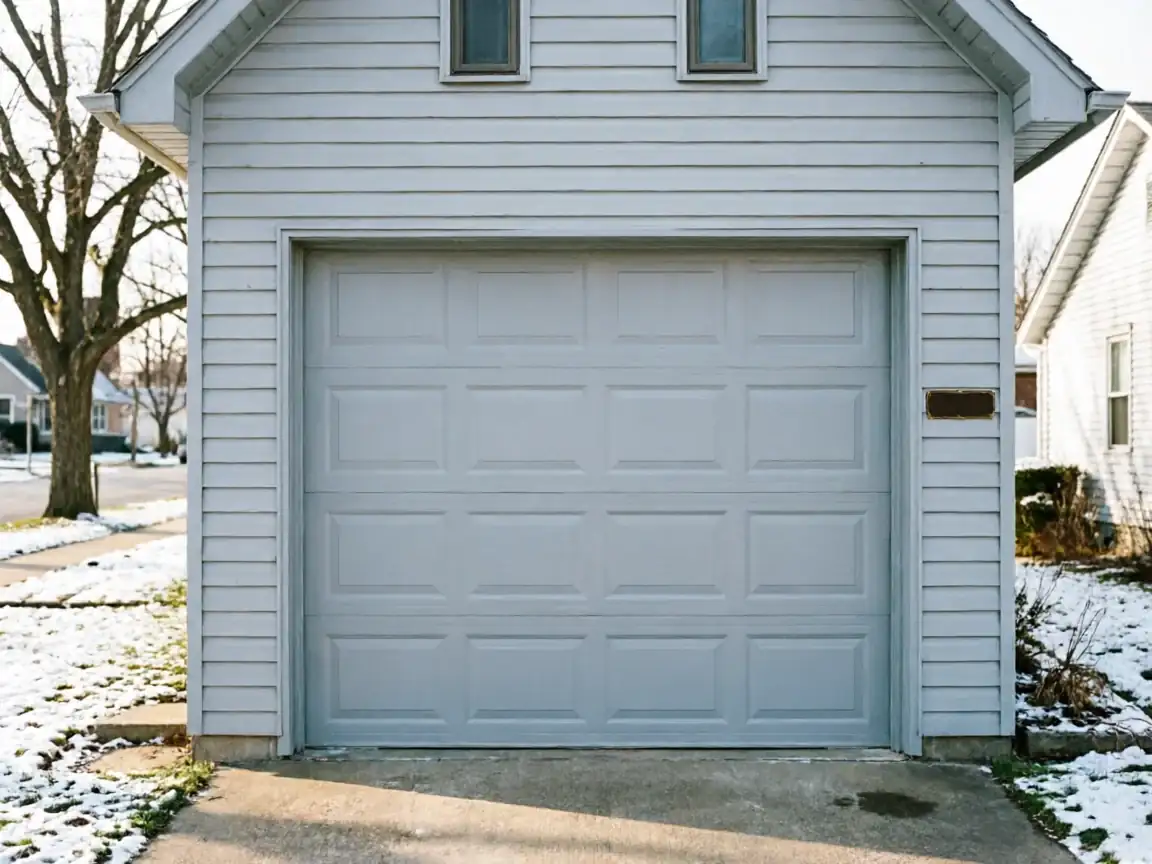
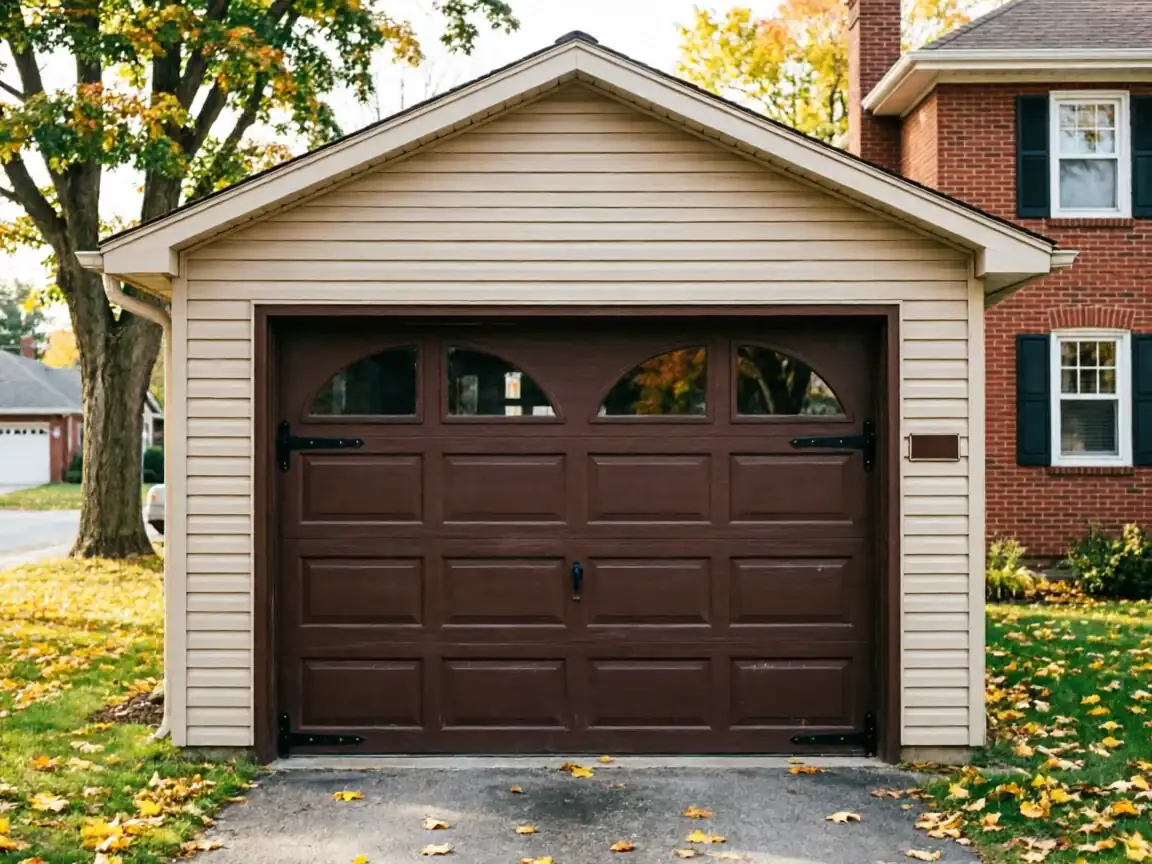
Two things line up badly in this area: the age of the housing stock and the winters. With median construction around 1972, a lot of garages were built with openers that are long past original replacement, often swapped once or twice already by a previous owner with whatever unit was cheapest at the time. Add a cold climate with real swings in both directions, and you get thermal cycling that loosens motor mounts, cracks plastic gear sprockets, and stiffens belt tension over a single winter. None of that is unique to one street - it's the combination of a 1960s-70s-era garage shell with a modern opener bolted onto header framing that wasn't engineered for it. That mismatch is the actual reason opener installs in this area skew toward full header reinforcement rather than a simple bolt-up swap.
What the Fix Involves
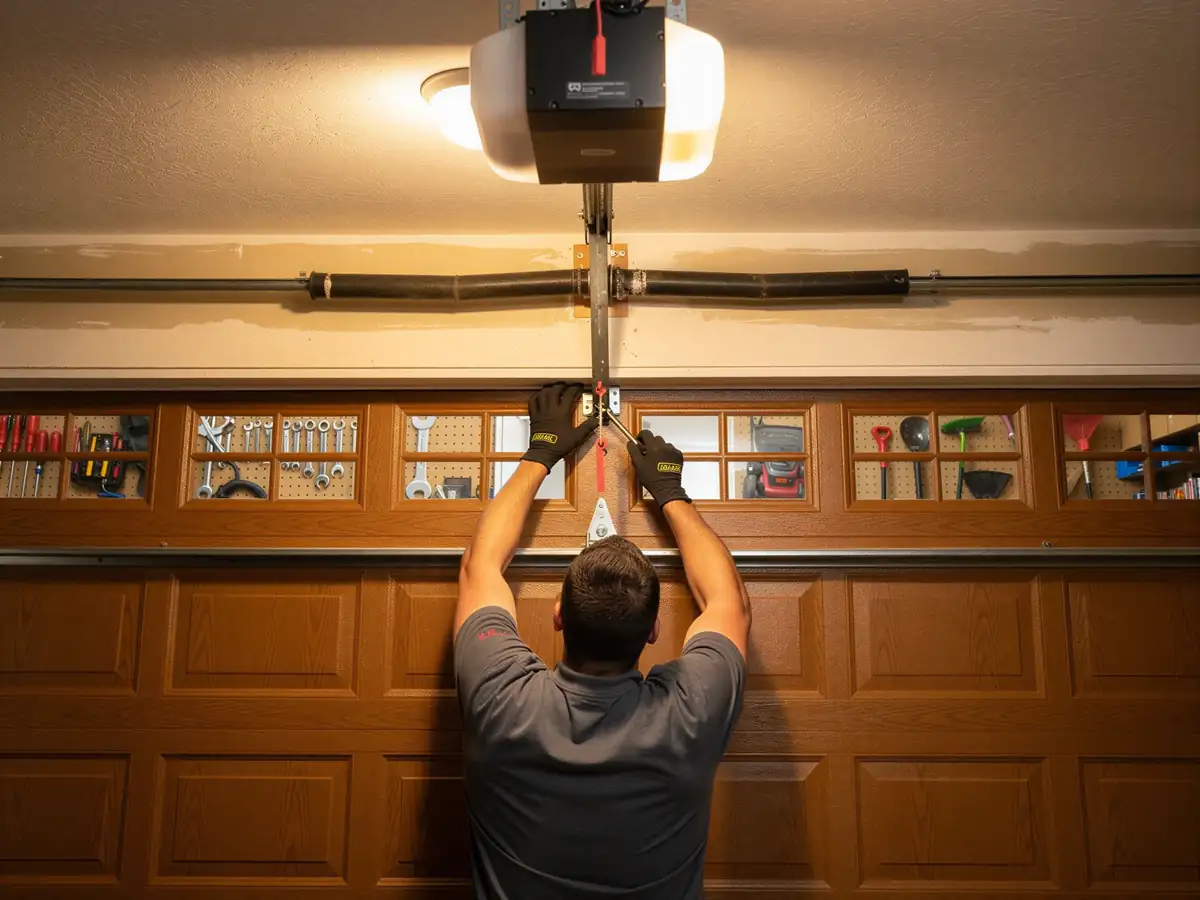
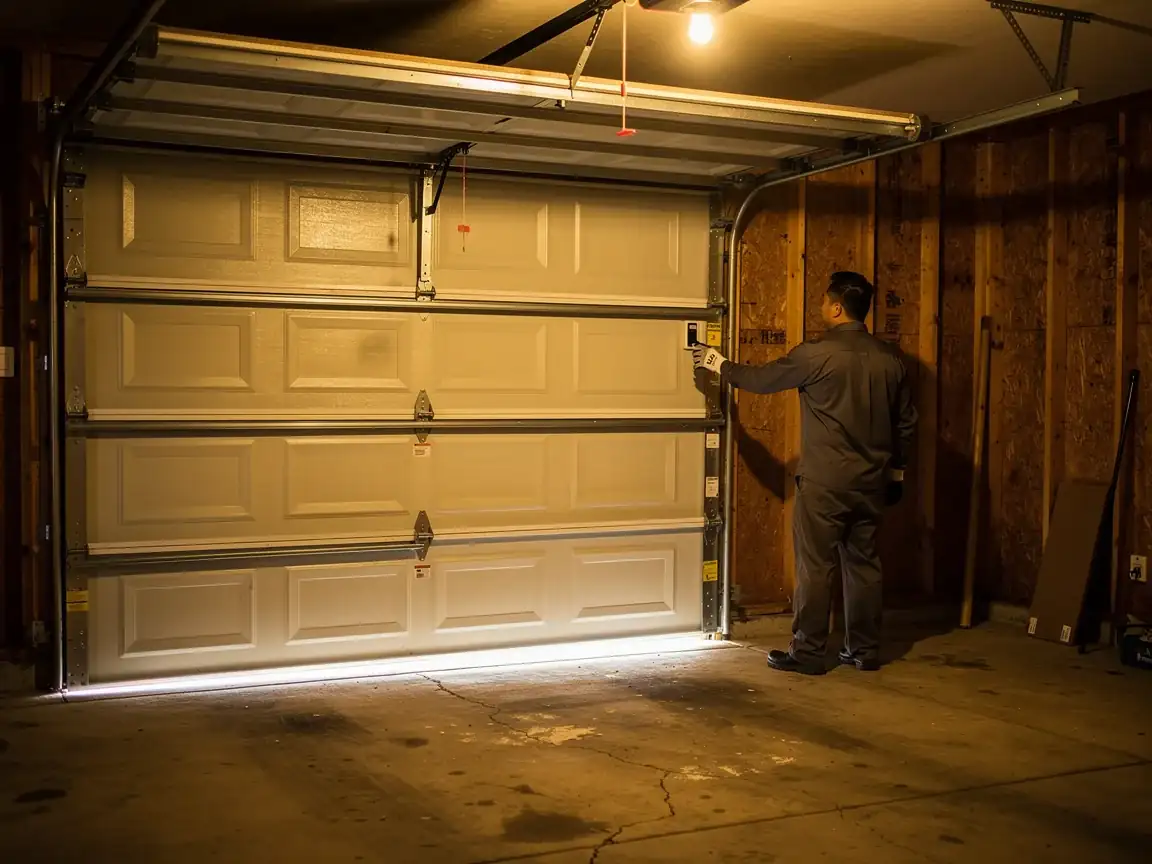
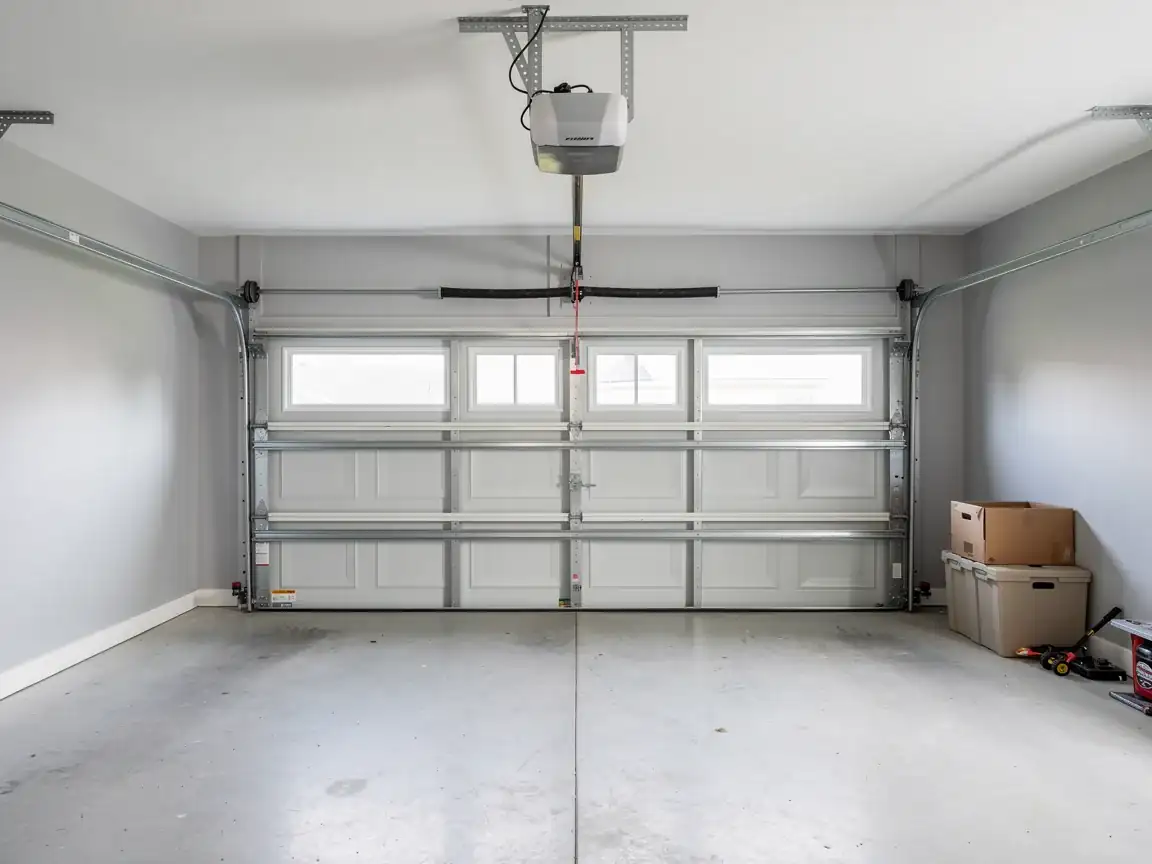
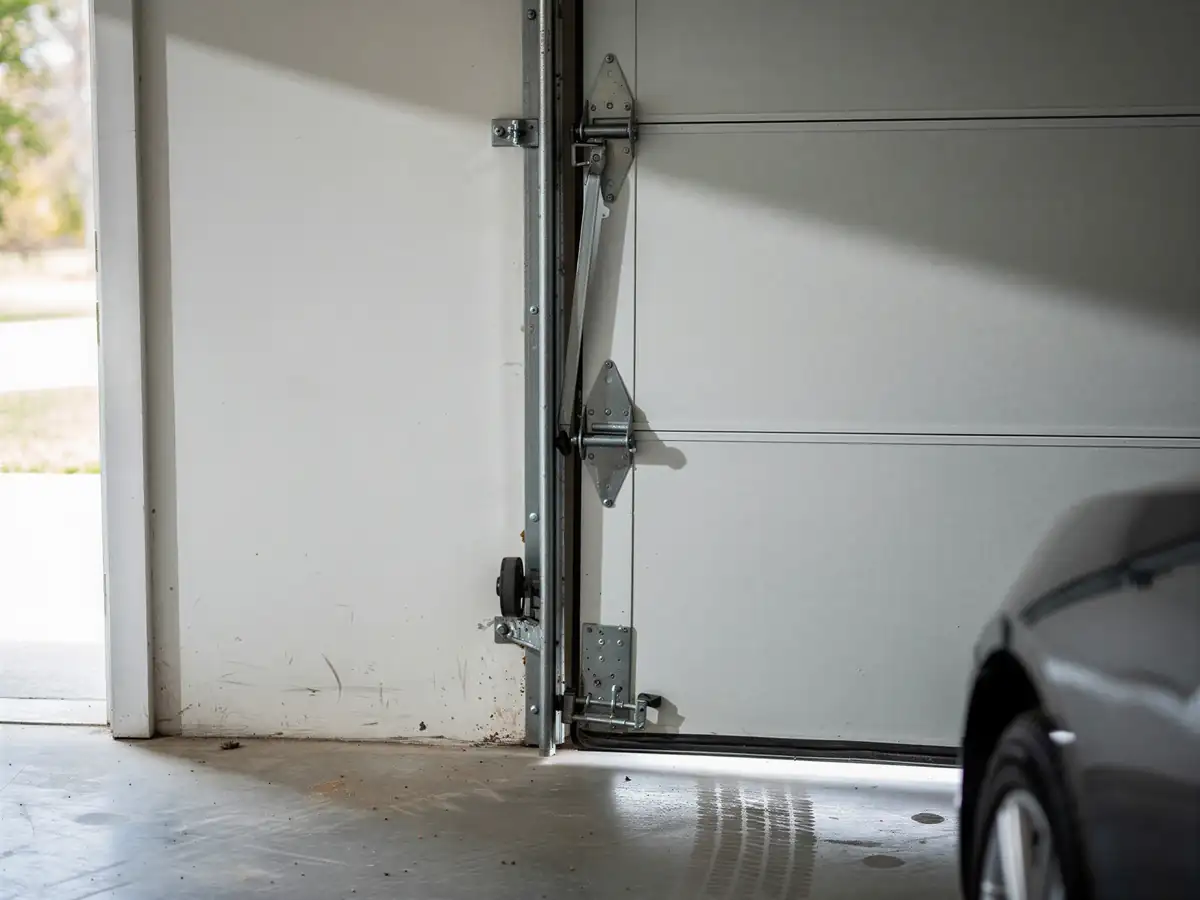
A proper install starts with the header, not the opener. If the framing above your door predates the opener era - common on houses from this area's 1938-1996 build range - we check it can carry the mounting load before anything goes on the wall. From there it's the rail, the drive (chain, belt, or screw depending on what you want and what the door weighs), the wall control, the sensor eyes at the base of the track, and setting the travel limits so the door doesn't slam the floor or crush something underneath it. Cold-climate installs get a once-over on the manual release and the battery backup, since a dead backup in a January power outage with a cold garage is a bad night for anyone. We're straight about scope: if your door itself is original and sagging, a new opener on a bad door is a short-term fix, and we'll tell you that instead of selling you a motor for a problem that's really in the panels.
How it works
From “it’s stuck” to “it’s fixed”
01
Tell us what’s wrong
Describe the symptom - won’t open, loud bang, opener runs but the door won’t move.
02
On-site diagnosis
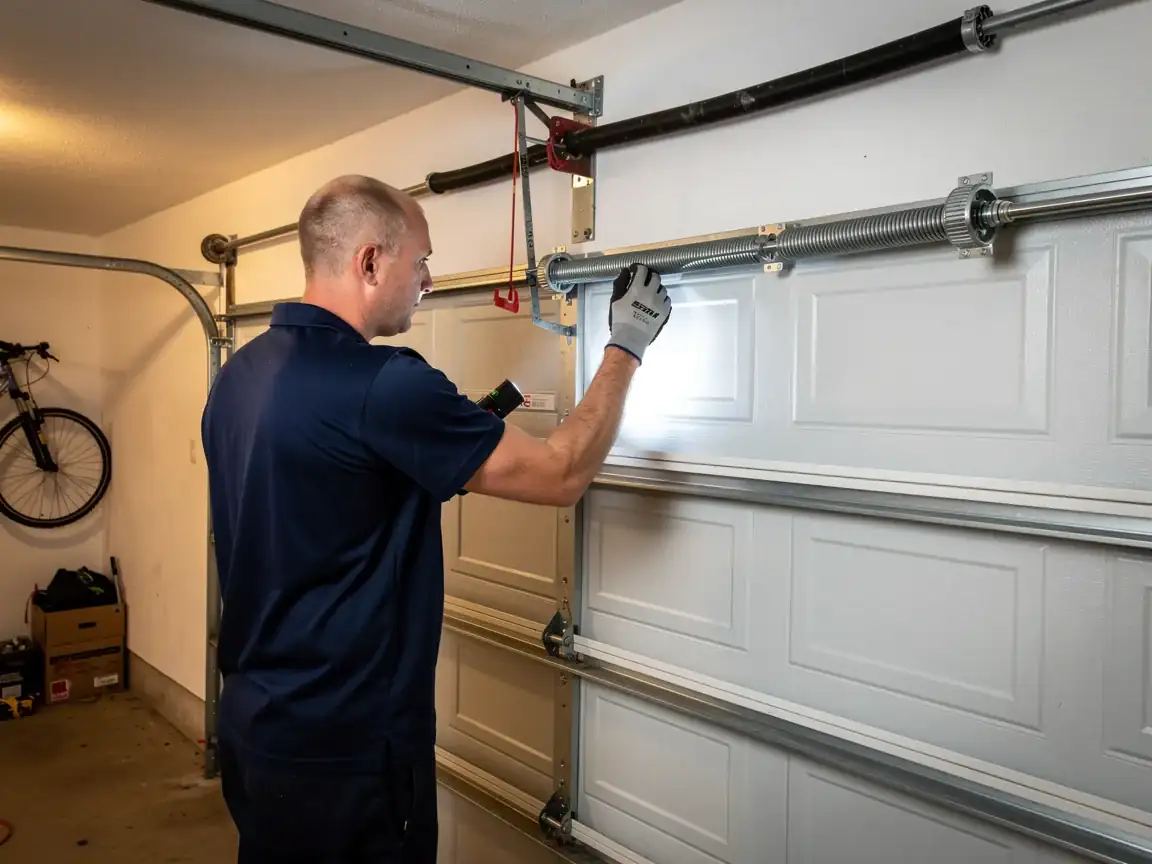
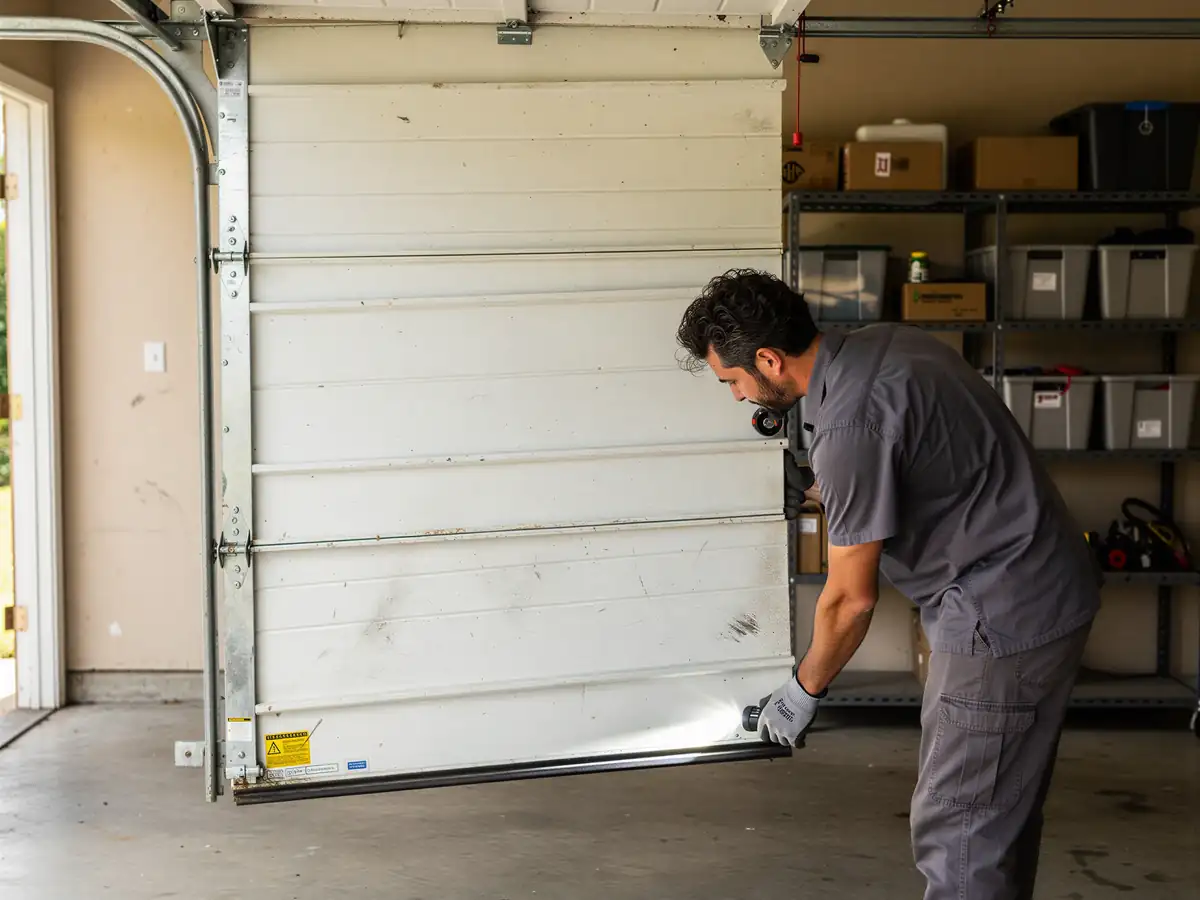
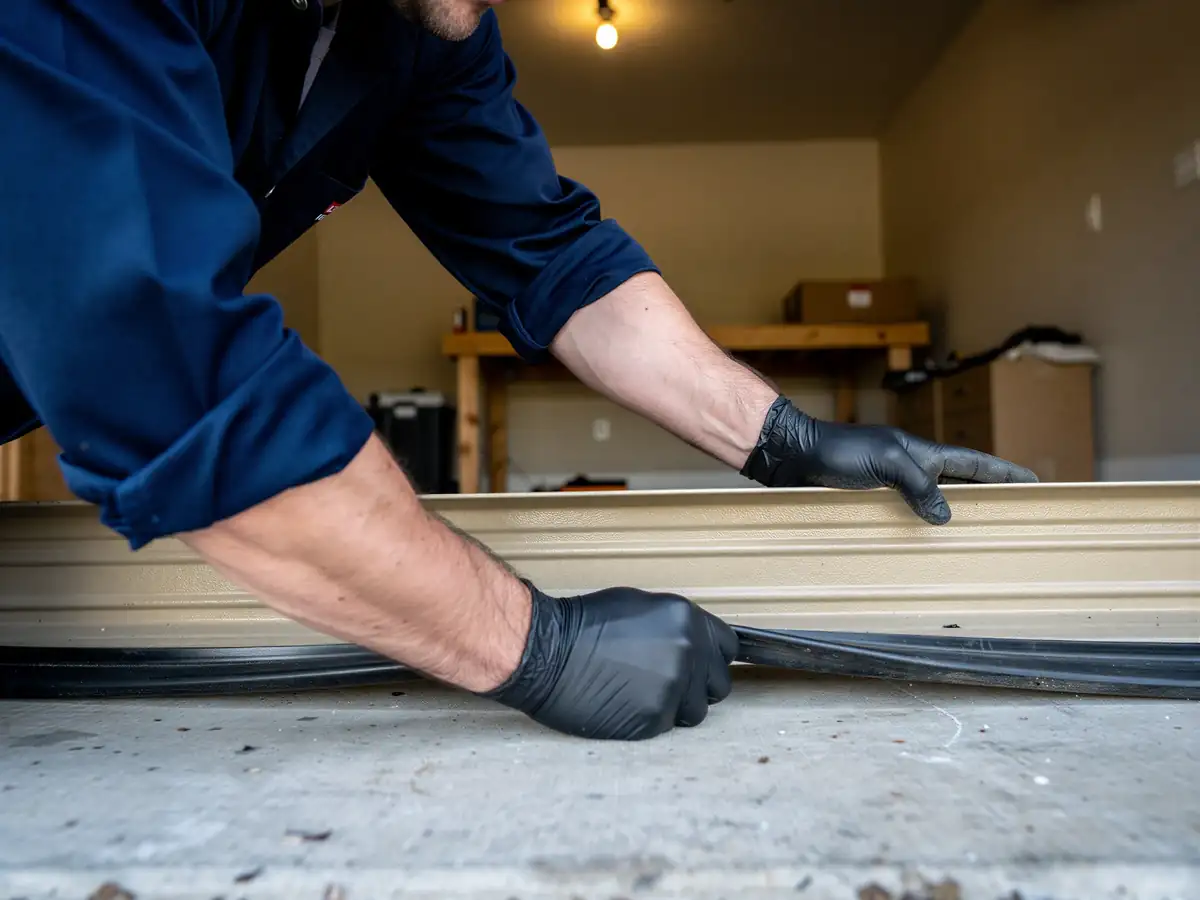
A technician tests the door under power and by hand and finds what actually failed.
03
Clear, up-front plan
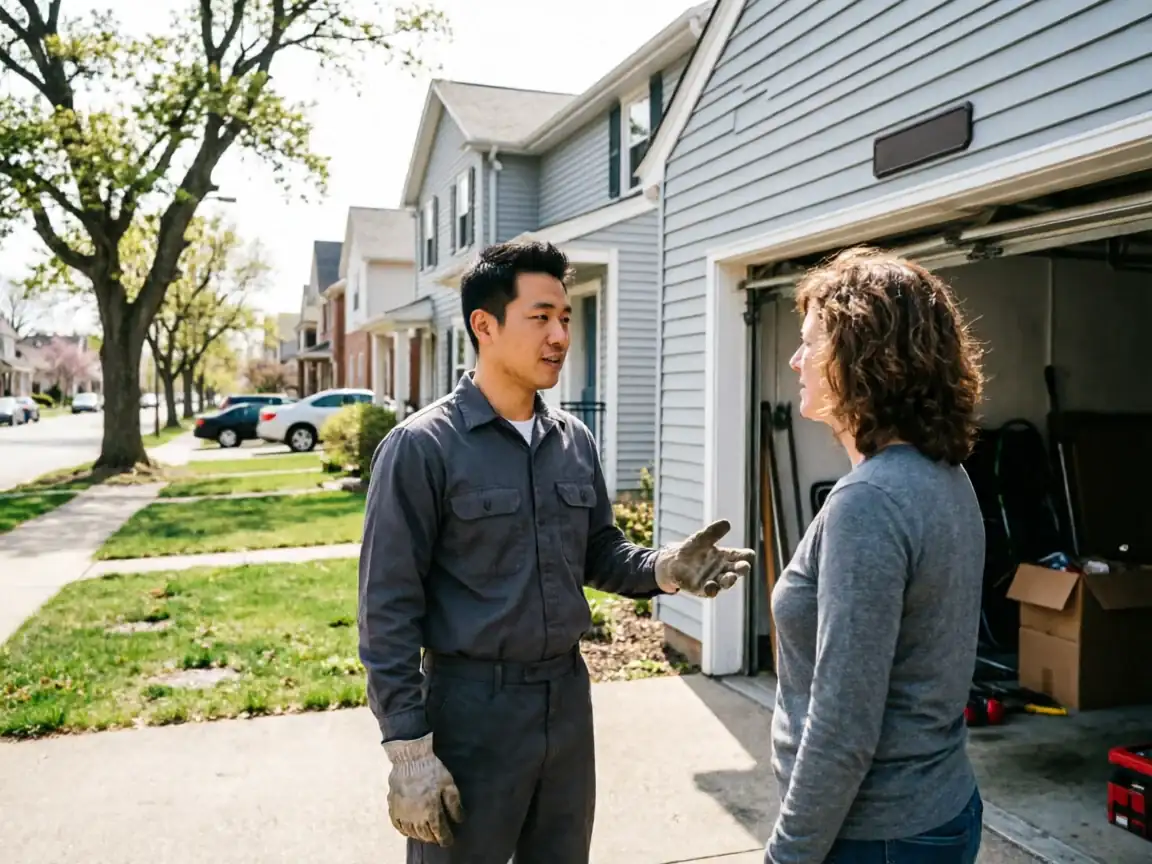
You get the fix that’s needed and what drives the cost - before any work starts.
04
Repaired & tested
The repair is done, the door is set true and tested, and the work area left clean.
Next step
Not sure which repair your door needs in Des Plaines, IL? Describe what it’s doing - every job starts with a diagnosis.
Straight answers about garage door repair in Des Plaines. Still unsure? Ask us directly.
Will a new opener work with my old garage door?
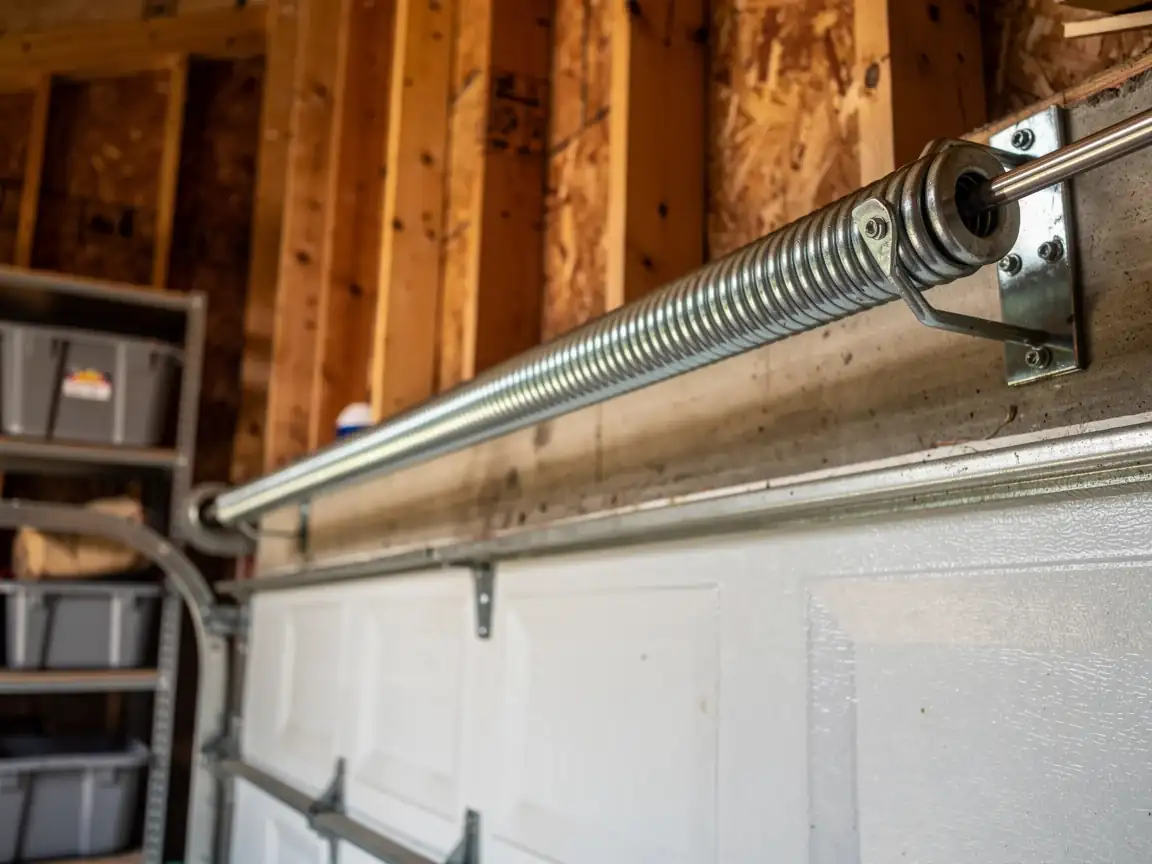
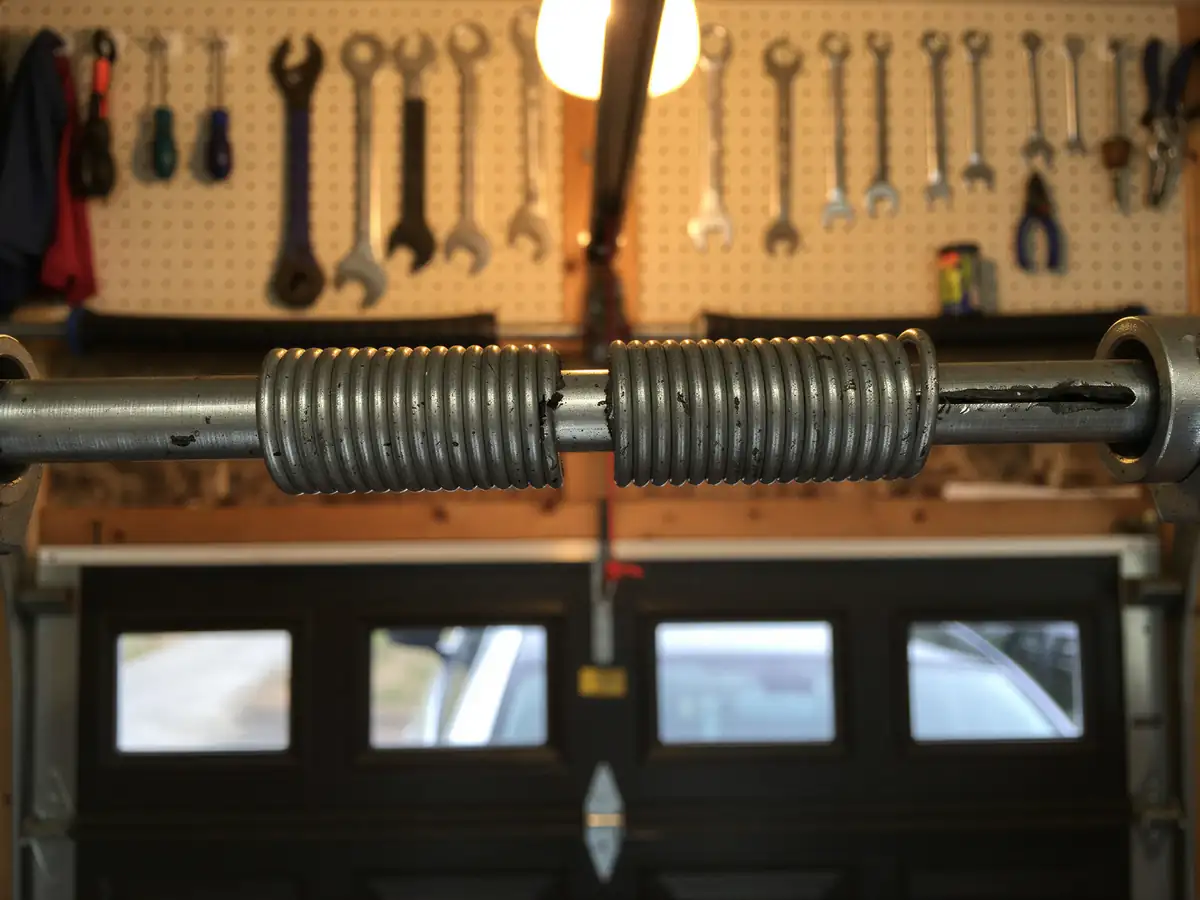
Usually, as long as the door moves smoothly by hand and the track and rollers are in decent shape. If the door is original to a house built in the 1960s or 70s and has never been serviced, we check the springs and rollers first - an opener forcing a stiff door just wears out faster.
Do you handle houses with detached garages that need new wiring?
We install the opener and set up the controls, but if your garage has no outlet or the wiring is undersized, that's an electrician's job. We'll flag it during the first visit so you're not stuck mid-install.
How does cold weather affect a new opener?
Cold stiffens lubricant and tightens belt or chain tension, which is why we set travel limits and test the battery backup as part of the install rather than treating it as optional.
Can you match an opener to an older one-piece door?
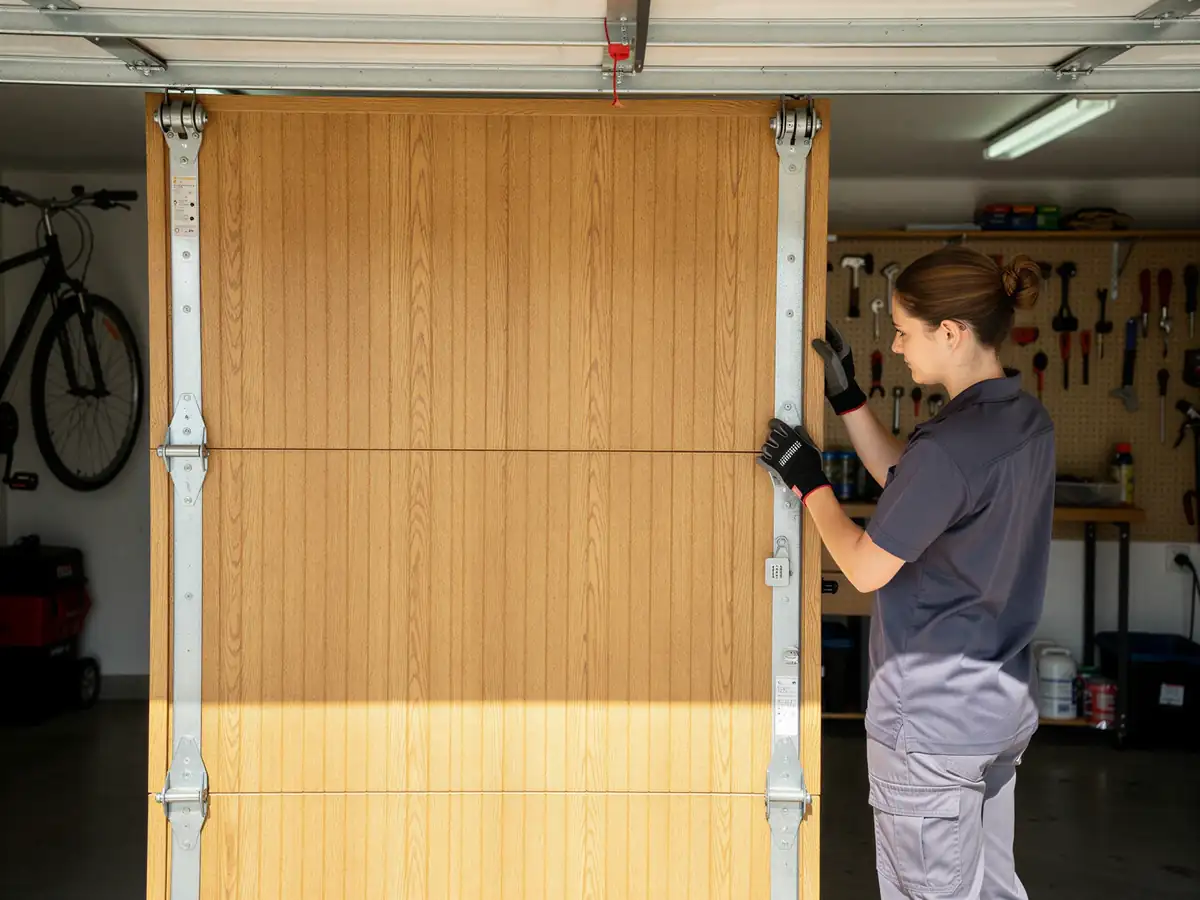
Yes, but older one-piece doors on original hardware sometimes need a bracket adjustment since the drive geometry on newer openers assumes sectional doors. We check this before quoting the job.