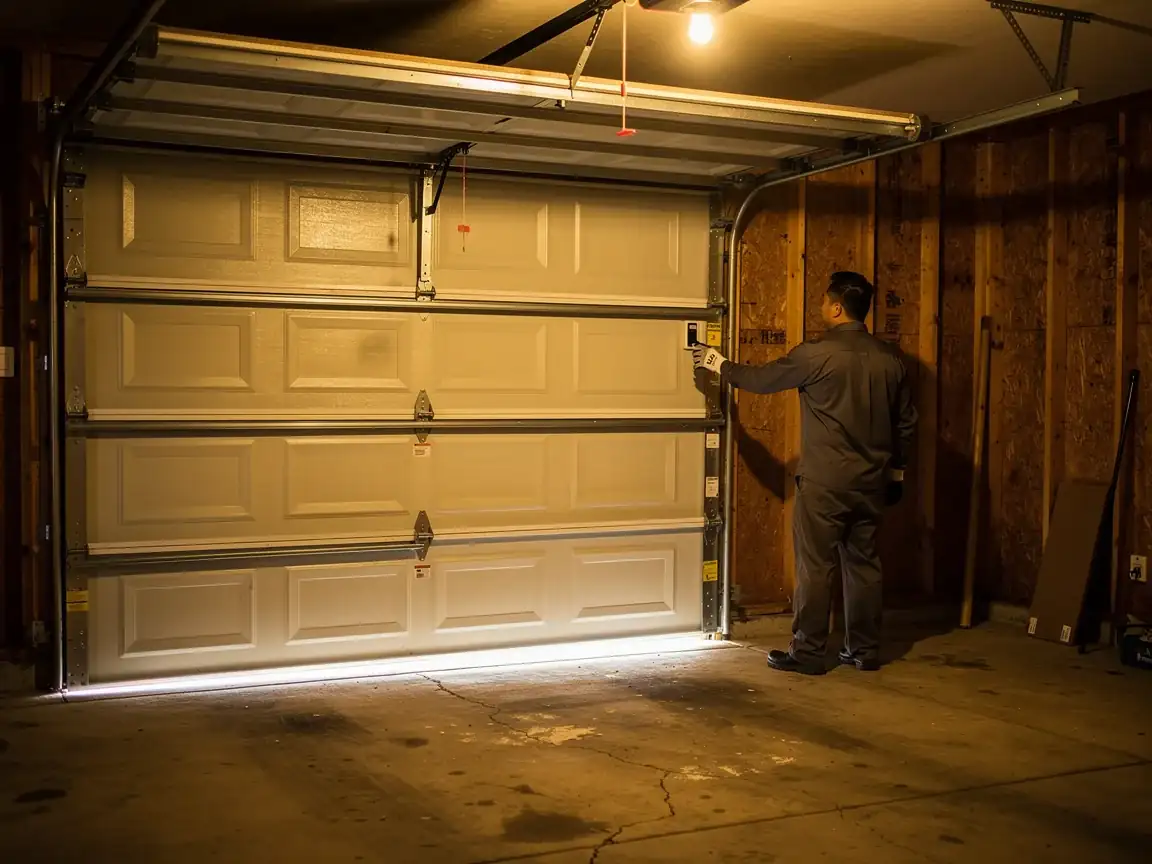
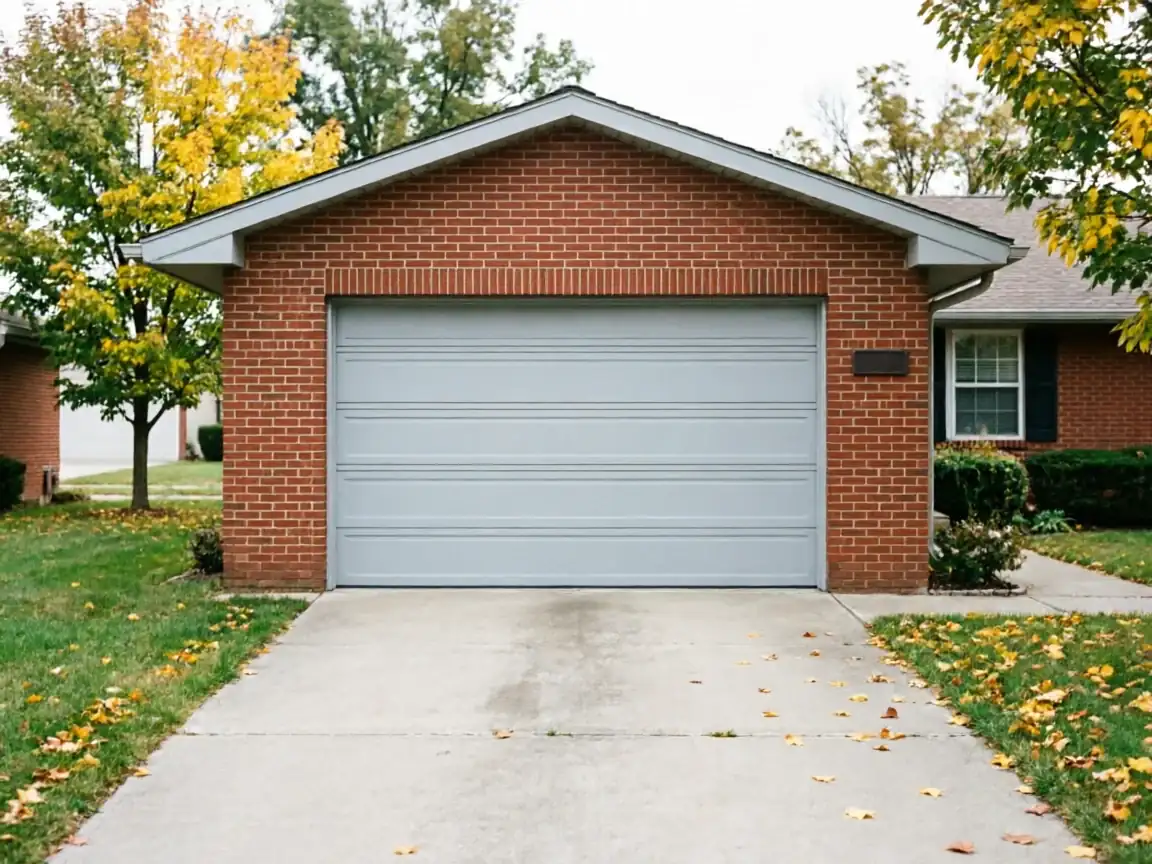
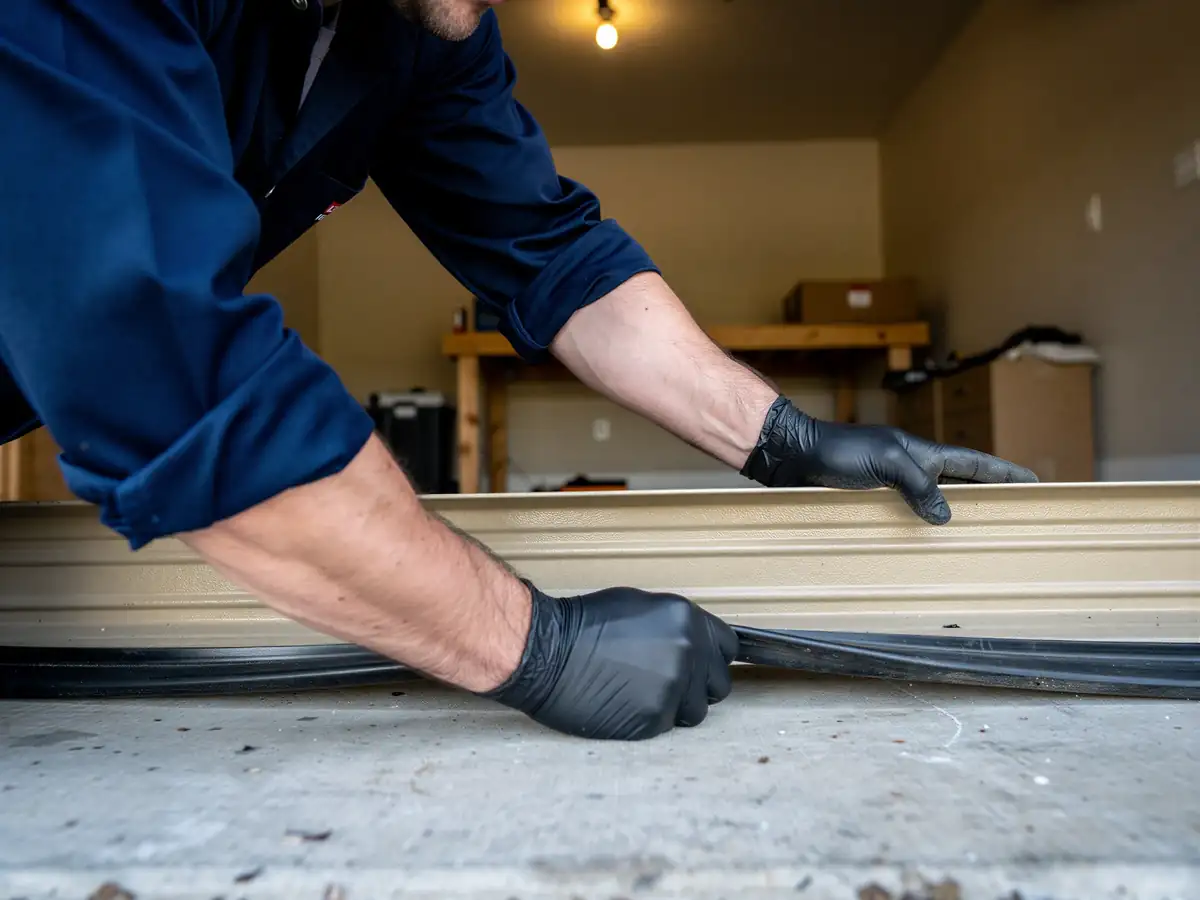
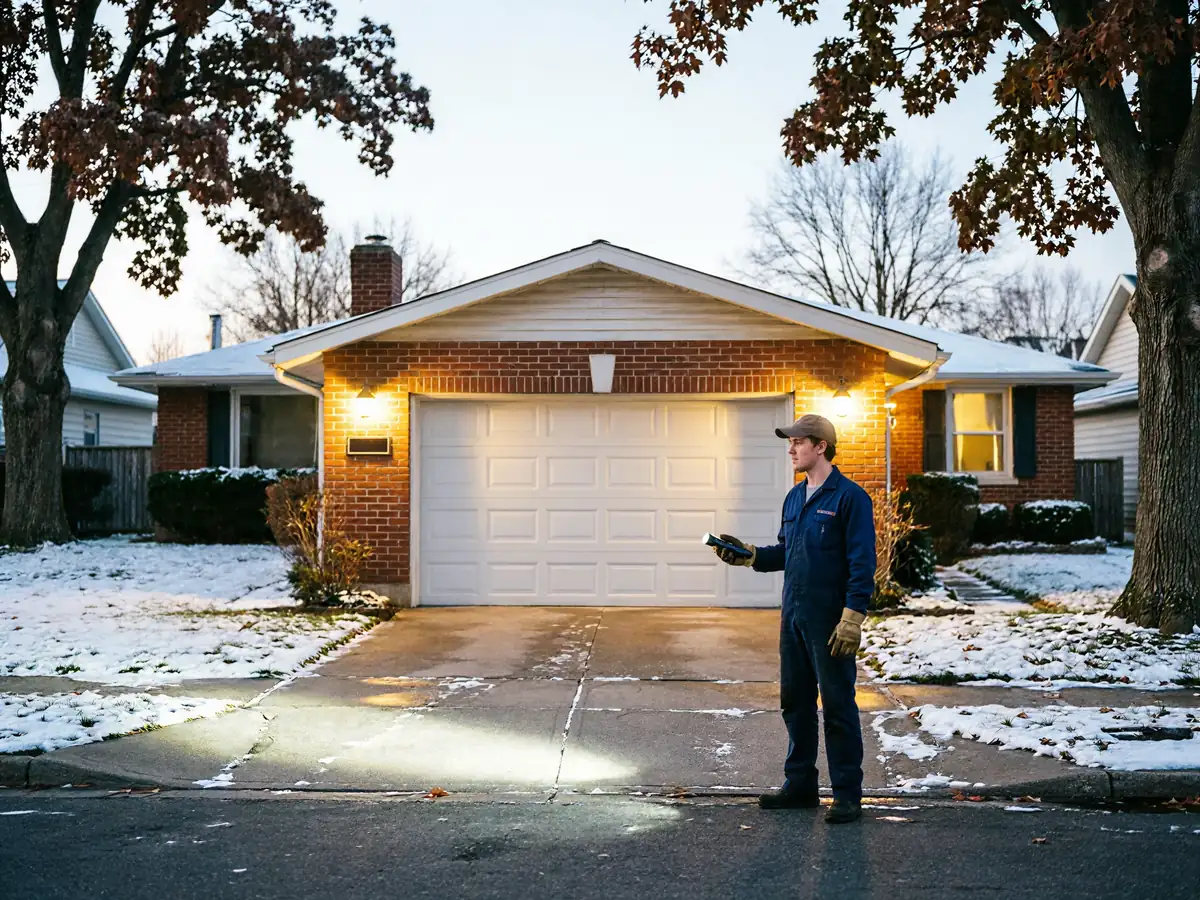
Elmhurst homes date to around 1964 on average, old enough that original springs are long gone but the track and drums often aren't. We drive out from Des Plaines for the fix.
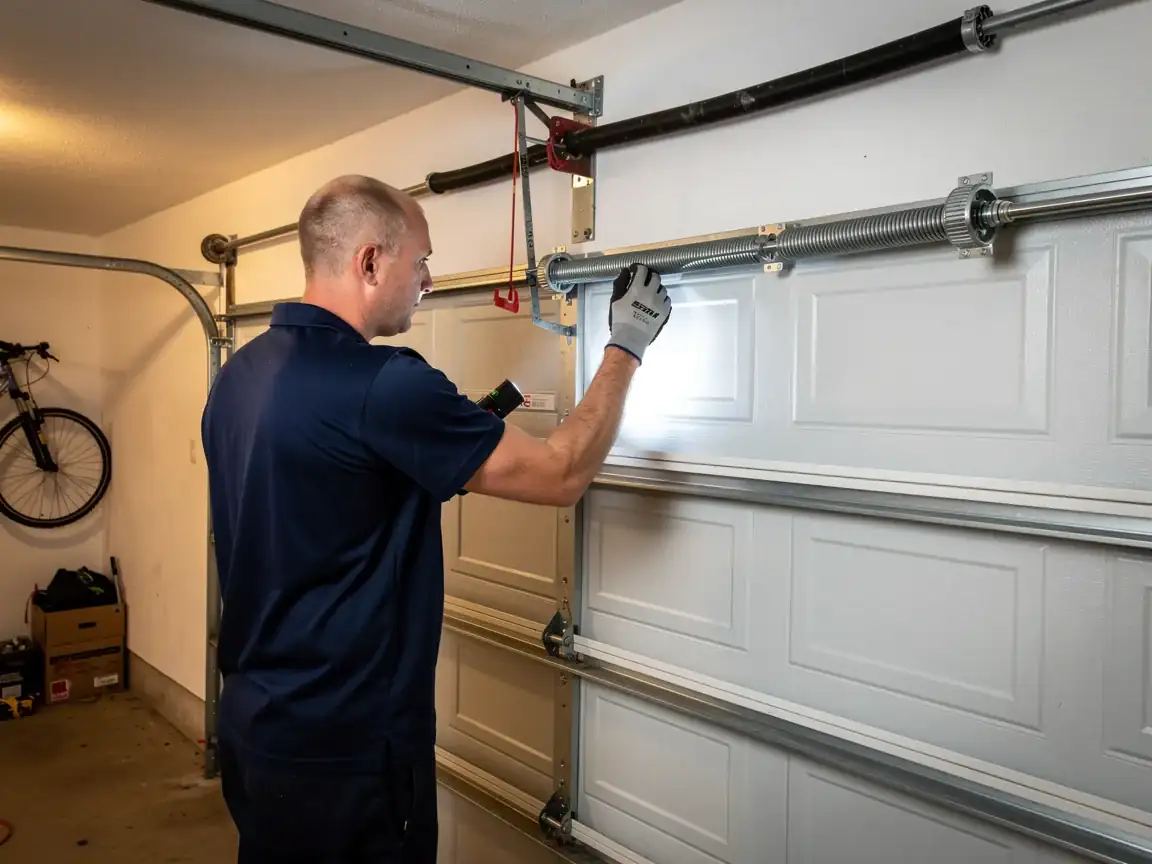
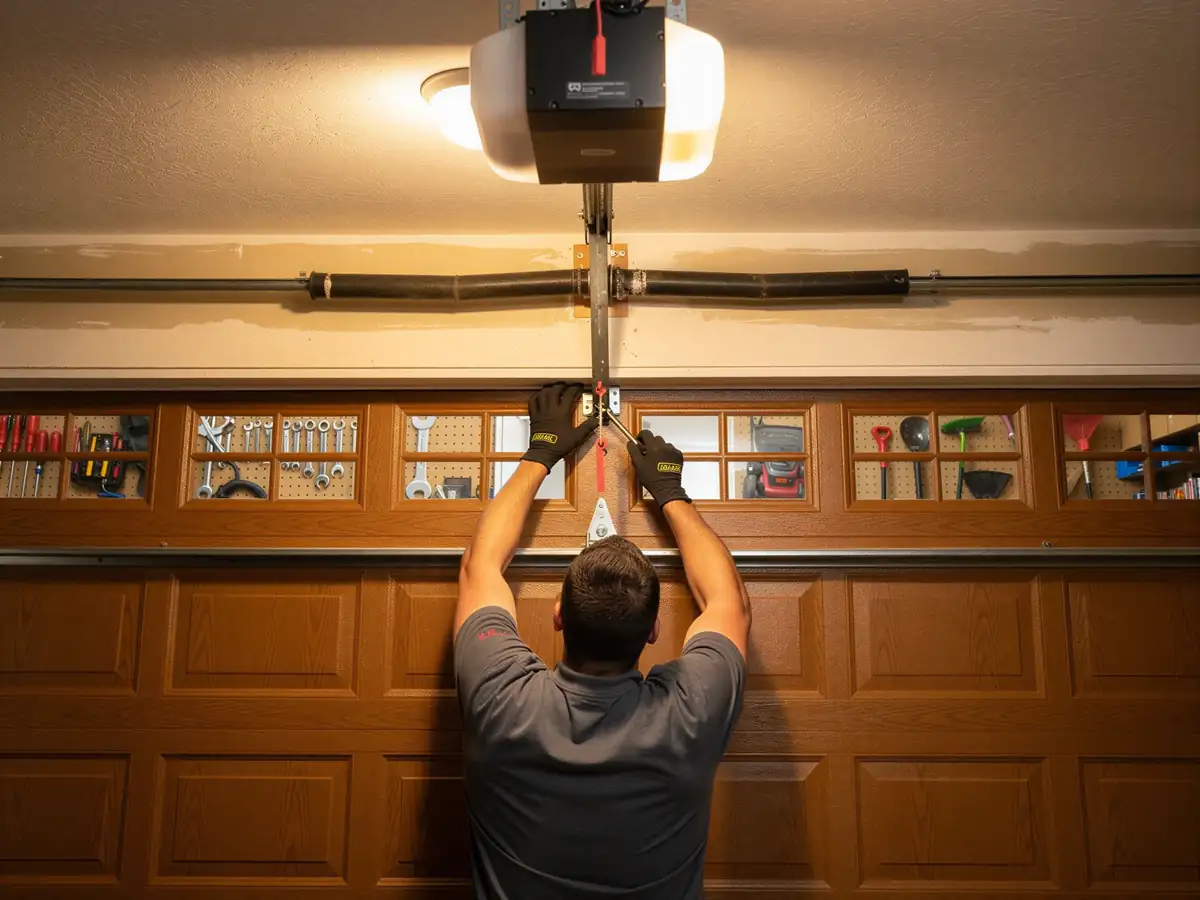
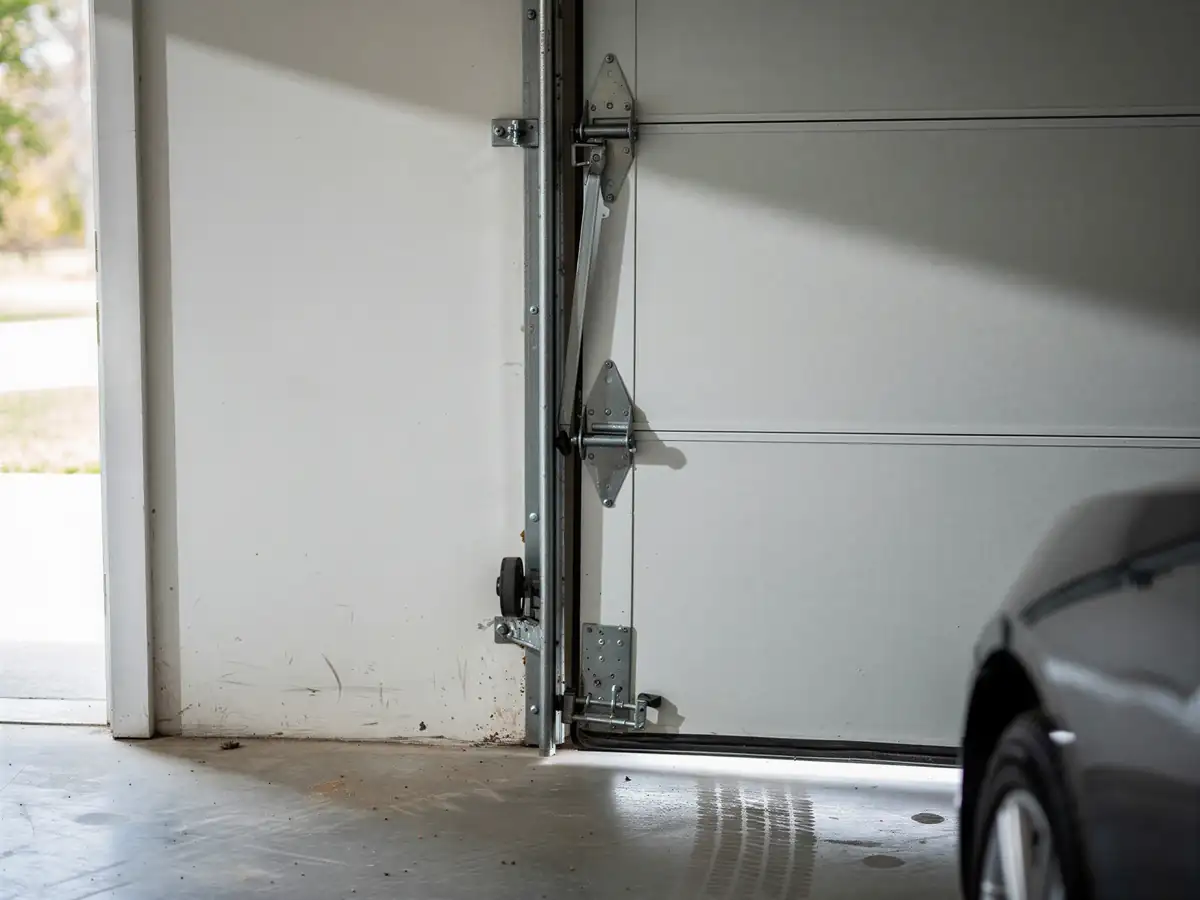
Elmhurst's housing stock centers on 1964, which tells you something useful before a tech even gets out of the truck: a torsion spring from that era is long gone. Springs are rated for cycles, not decades, and a door original to a 1964 build has been through several sets of springs already, usually installed by whoever was in the garage last - not always to the right wind or the right wire gauge. What tends to survive from the original install is the stuff nobody thinks about: the center bracket, the stationary cone, sometimes the drums themselves if the door hasn't been swapped. A spring repair on a house this age isn't just pulling the broken coil and hanging a new one. It means checking whether the shaft is the original diameter, whether the drums match the current cable length, and whether the bracket has enough meat left on it to hold a new spring under tension. Skip that check and you get a spring that fails again in a year, not because it was a bad spring but because it was fighting hardware it didn't match. We measure the shaft and the drums before we quote, not after.
Getting It Booked In
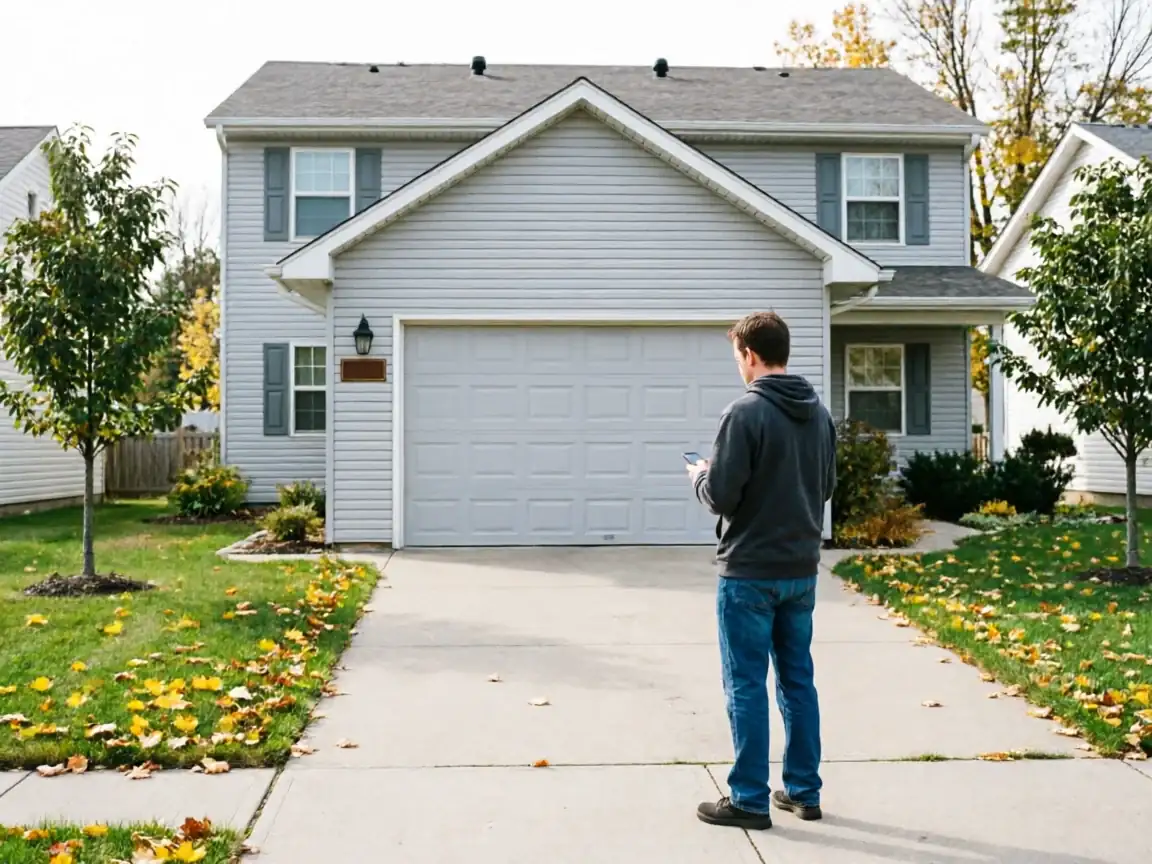
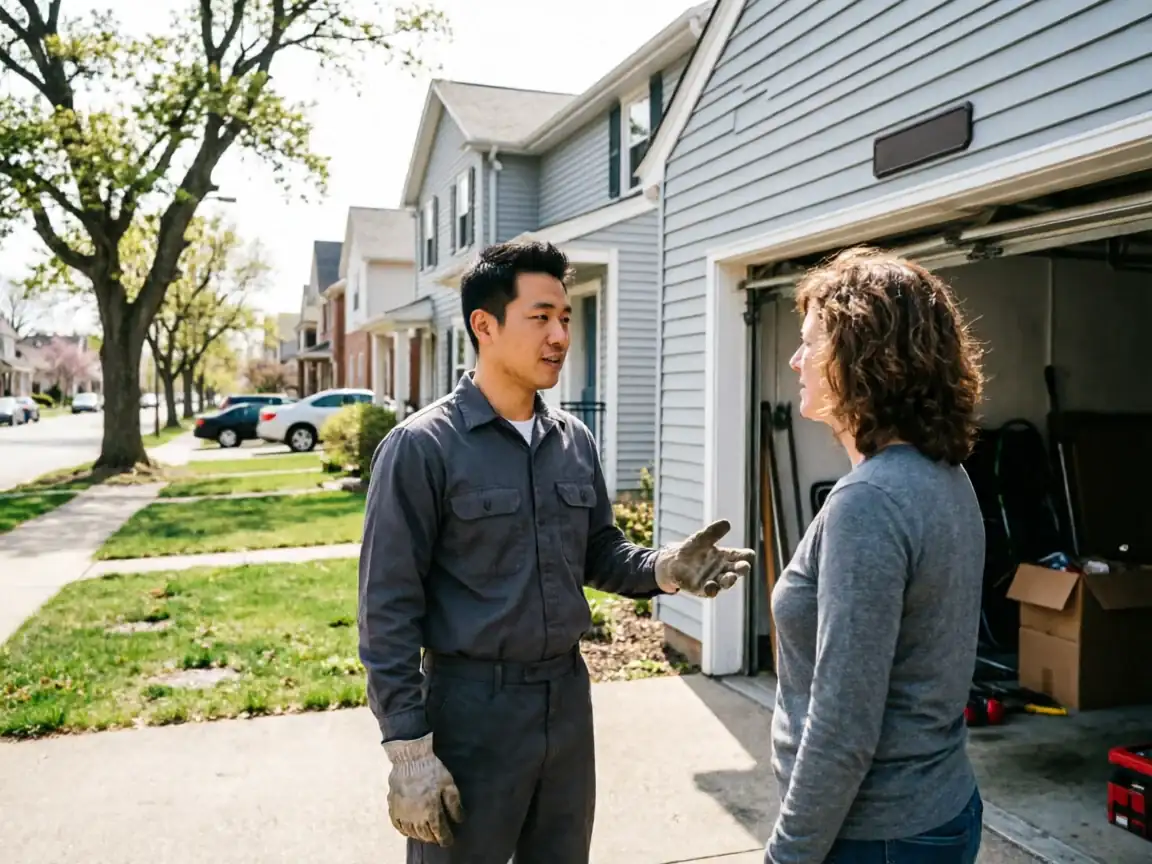
We run out of Des Plaines, about 10 miles from Elmhurst, so there's no local branch or depot here - just a truck that comes when you call. That distance doesn't change what we bring: spring sets across the common torsion sizes, the tools to measure your shaft and wind on site, and enough stock to usually finish the job on the same visit. What it does mean is we ask a few questions up front - door size, single or double, roughly how old the springs look - so the truck that shows up has the right parts for a door that might be sixty years old under a newer skin. If your opener is original too, that's worth mentioning on the call, since a tired opener straining against a broken spring is a second problem riding along with the first.
Doing It Yourself
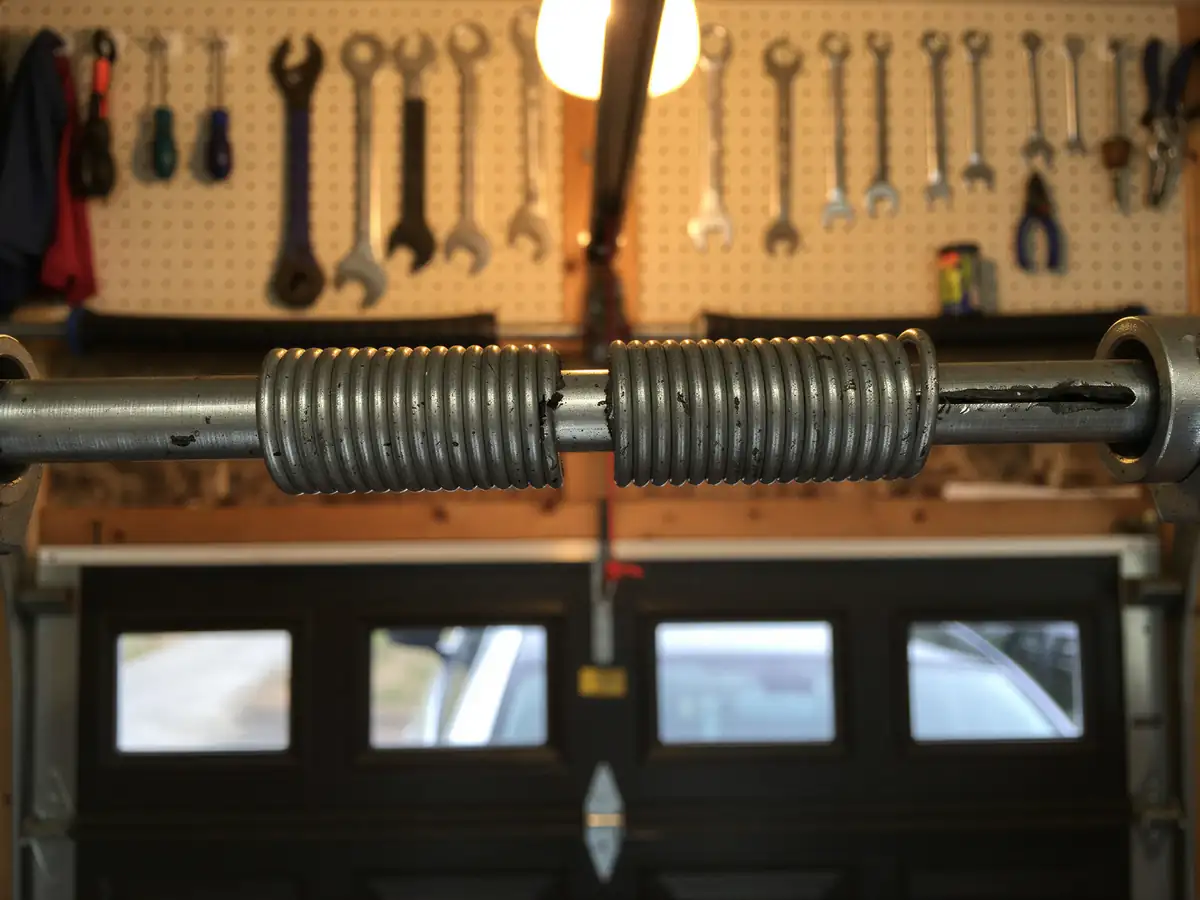
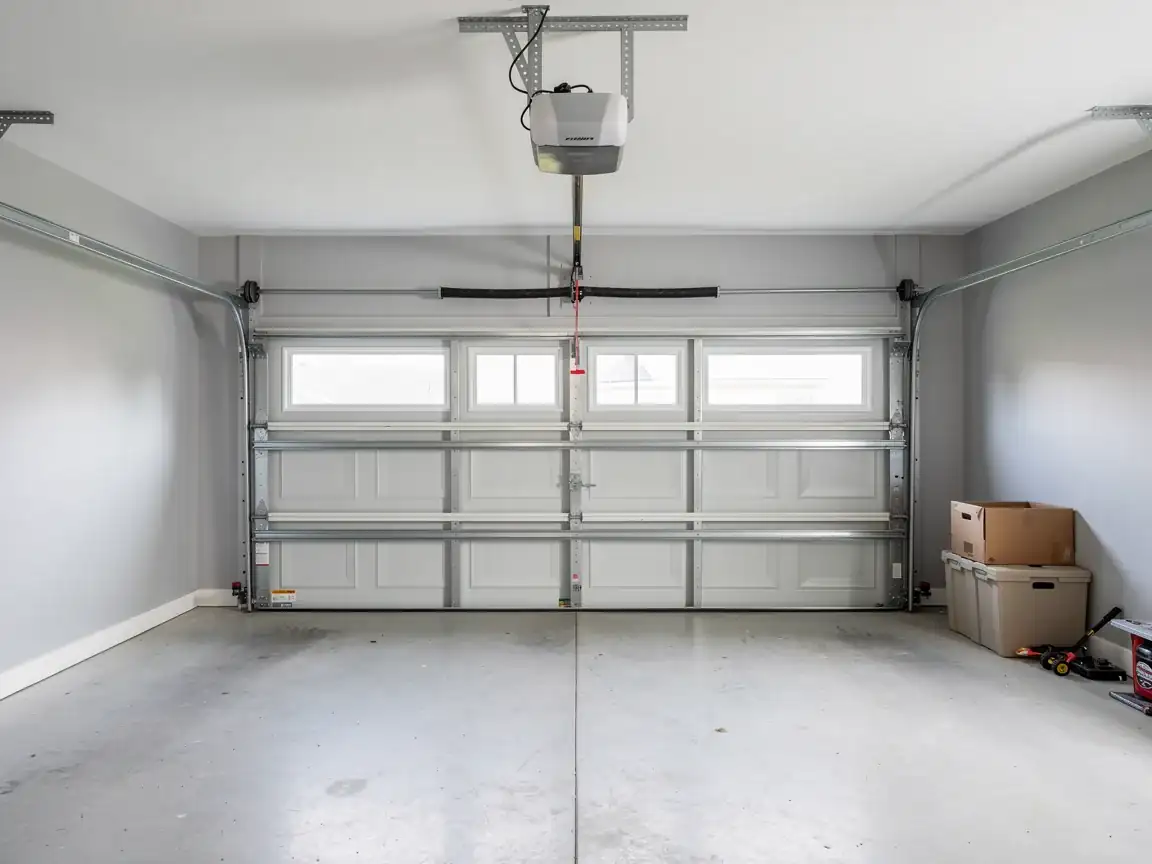
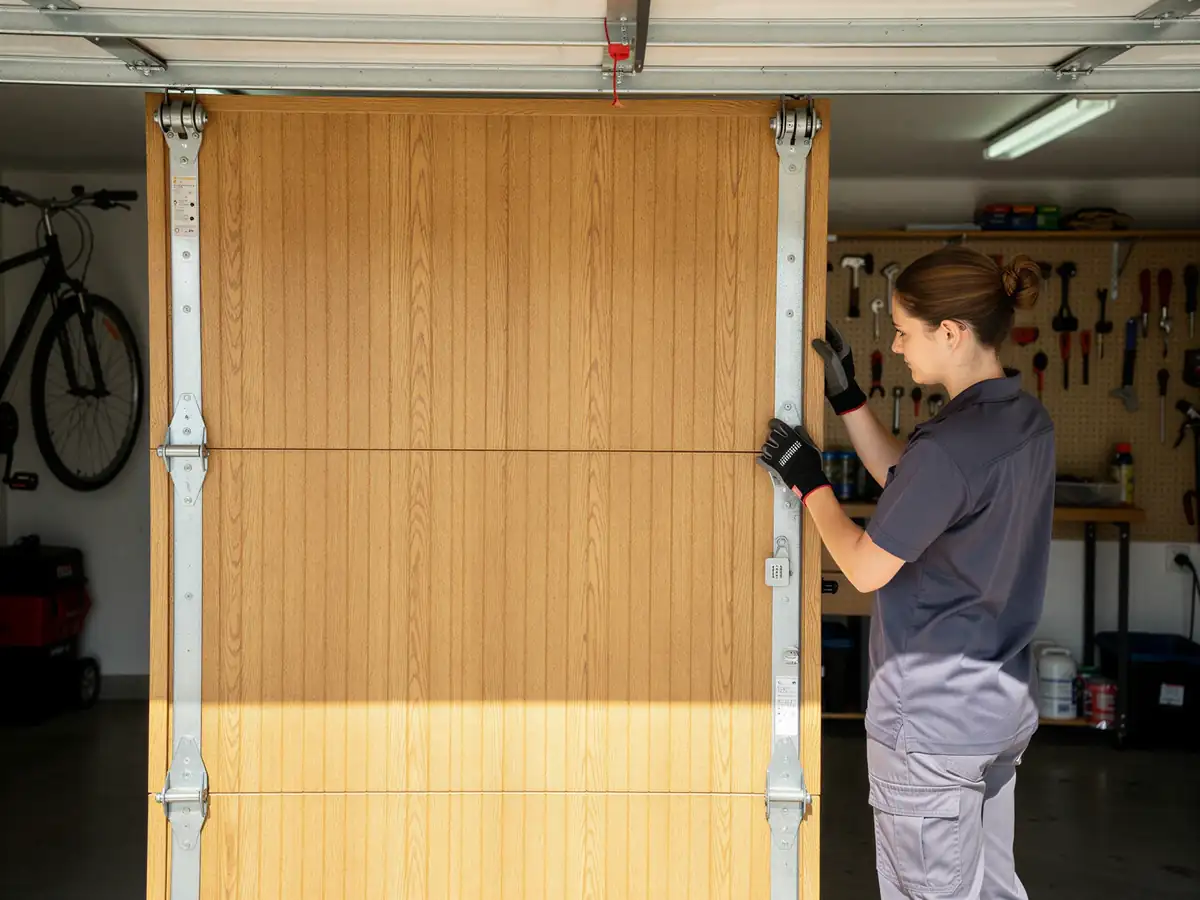
A torsion spring holds enough stored energy to break fingers or worse, and that doesn't change based on how old your house is. We're not going to walk you through winding one. What you can safely check yourself: look at the spring above the door - if it's separated into two pieces with a gap, that's your broken spring, confirmed, no guesswork needed. You can also check whether the door is a single wide door or two smaller ones, since that changes which spring size gets ordered. Beyond identifying the break, leave the bar and the winding cones alone. On a door this old, the real honest limitation is that we sometimes find the drums or shaft worn enough that a spring-only fix isn't worth doing - replacing those parts at the same time costs more than the spring alone, but doing the spring without them just moves the next failure a few months down the road.
How It Shows Up
The most common call we get from this part of the area is a door that won't budge, or one that slams down fast instead of lowering under control - both classic signs of a broken torsion spring losing its counterbalance. On a house built around 1964, you're also more likely to hear it before you see it: an old spring nearing the end of its life creaks or pops on the last few cycles before it lets go. Elmhurst sits in a cold-winter climate band, and cold makes steel more brittle, so breaks cluster in the coldest stretches of the year more than in summer. If your opener strains, reverses partway up, or the remote clicks with no movement at all, that's usually the spring, not the opener itself - the opener just isn't built to lift a door that's lost its spring tension.
What It Costs
We don't have a posted price list specific to Elmhurst jobs, and we're not going to invent a number here - what a spring repair runs depends on whether it's one spring or a matched pair, the wire size for your door, and whether the drums or shaft need attention too. What we can tell you is what shapes the quote: door width, spring count, and the age-related wear we check for on houses from this build era. Elmhurst's median household income runs well above the surrounding service area, and we've found that doesn't change the job itself - a 1964 torsion setup needs the same correct wind and matched spring set whether the house down the street is modest or not. The honest number comes after we've measured your shaft, not before.
How it works
From “it’s stuck” to “it’s fixed”
01
Tell us what’s wrong
Describe the symptom - won’t open, loud bang, opener runs but the door won’t move.
02
On-site diagnosis
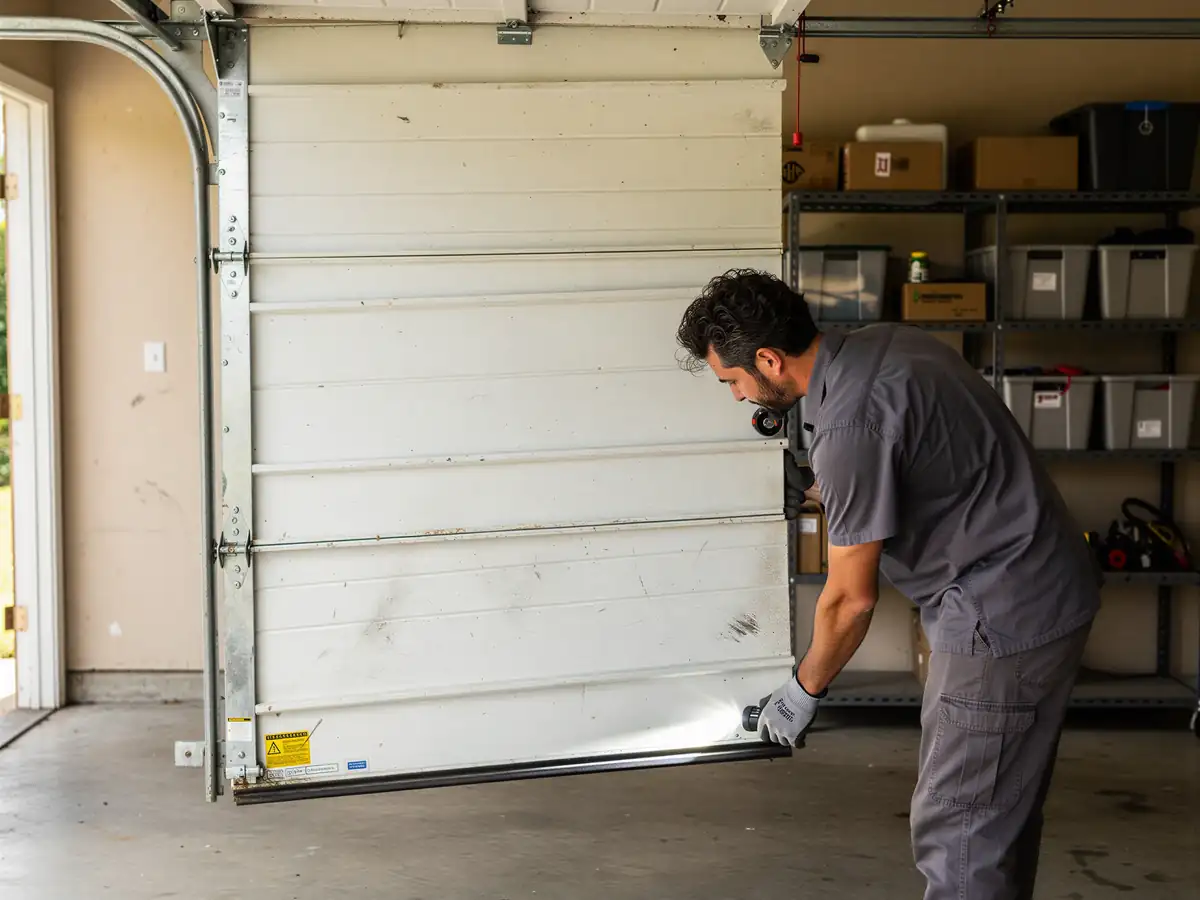
A technician tests the door under power and by hand and finds what actually failed.
03
Clear, up-front plan
You get the fix that’s needed and what drives the cost - before any work starts.
04
Repaired & tested
The repair is done, the door is set true and tested, and the work area left clean.
Next step
Not sure which repair your door needs in Des Plaines, IL? Describe what it’s doing - every job starts with a diagnosis.
Straight answers about garage door repair in Des Plaines. Still unsure? Ask us directly.
Is my spring original to the house if it was built in 1964?
No. Torsion springs are rated in cycles, typically good for several thousand open-close cycles, and a door from 1964 has worn through multiple sets already. What might still be original is the bracket, the stationary cone, or the drums - those last longer and are worth checking when the spring gets replaced.
Do you have a local crew based in Elmhurst?
No, we work out of Des Plaines, about 10 miles away, and drive out for each job. There's no branch or depot in Elmhurst itself - just a truck stocked for the common torsion spring sizes we see on houses in this part of the service area.
Why did my spring break in the cold?
Elmhurst sits in a cold-moderate climate band, and steel gets more brittle as temperatures drop. A spring already near the end of its cycle life is more likely to snap on a cold morning than a mild one, which is why we see more of these calls in the coldest stretch of winter.
Can I just replace the spring and skip everything else?
Sometimes, yes - if the drums and shaft are in good shape, a spring-only repair is the right call and the cheaper one. On older doors we do sometimes find worn drums or a pitted shaft, and in that case a spring-only fix just means a repeat call sooner than you'd like.