
Do you have a branch in Streamwood?
No. We're based in Des Plaines and drive the 14 miles out for jobs here. It means the install gets scheduled as a planned trip rather than a same-day drop-in, but it doesn't change the work or the parts we use.
Streamwood's housing mostly dates to 1981, later than much of the Des Plaines service area. We drive the 14 miles out to install new garage doors here.
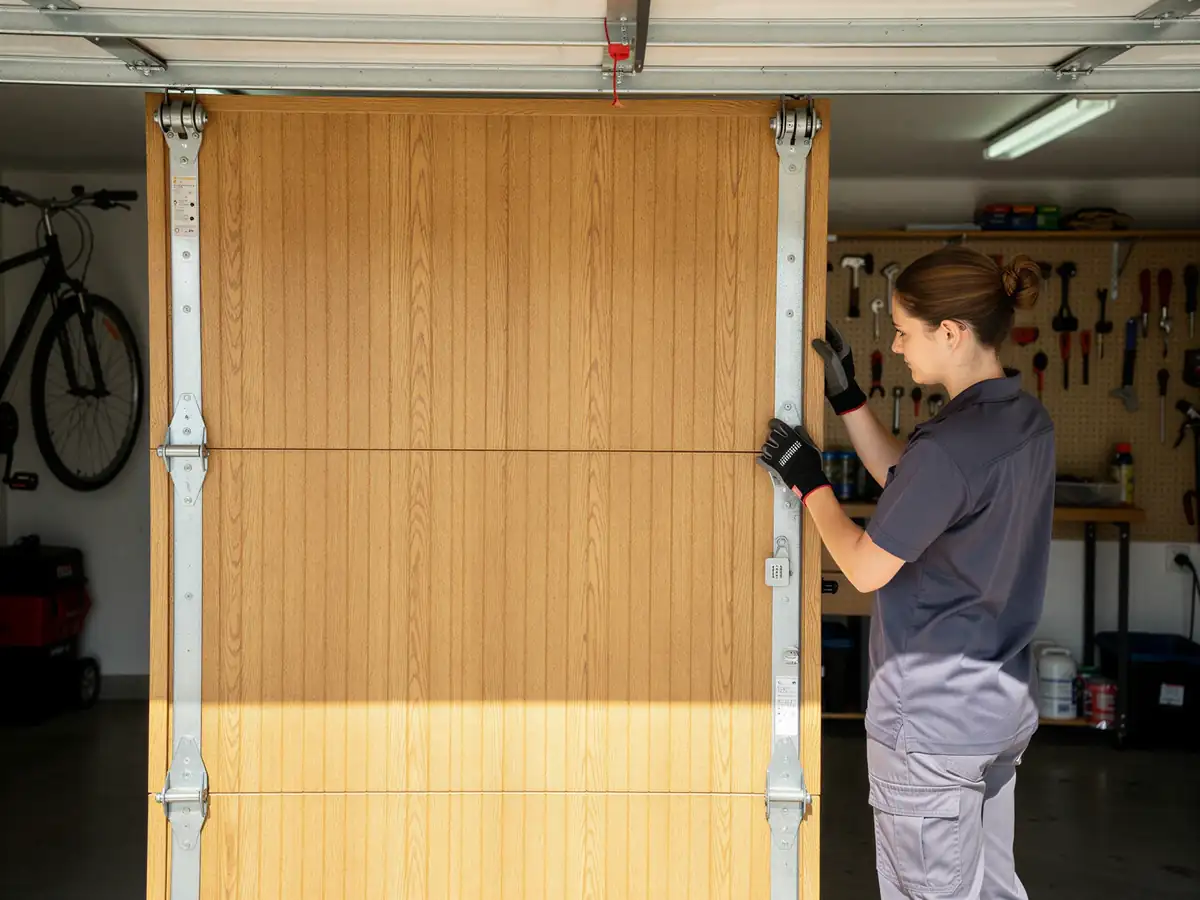
Which is far enough that we plan the stop into a run rather than treating it as a quick add-on. That distance doesn't change the quality of the job, but it does mean the measuring, the door order, and the install get scheduled as one trip instead of a same-morning drop-in.
Where homes in the wider service area run from 1938 to 1996 with a lot of that built around 1972. A house from 1981 usually has a wider garage opening, a taller header, and factory-built trusses rather than older plank framing - which changes what door width and track length actually fit.
Not something that changes a torsion spring, but it does line up with why opener-only repairs and full replacements both show up here in roughly equal numbers. Winters in this part of the state sit in a cold, moderate band, so doors without any insulation on an attached garage tend to show it - frost on the inside panel, a slow opener motor on the coldest mornings, weatherstrip gone stiff.
A new install starts with measuring the actual opening, not the door you're replacing - on 1980s-built garages the rough opening is usually a standard 16-foot or 9-foot width, but we check it rather than assume. We pull the old door and track off, inspect the jamb and header for rot or settling, and set new vertical tracks plumb before the panels go in.
For the opener, we size the drive to the door weight, not the garage size - a heavier insulated steel door needs more lift than the hollow door it's replacing, and the old opener rail almost never gets reused once the door spec changes. Spring sizing matters too: torsion springs get rated to the door's actual weight and drum size, and guessing wrong is how you end up with a door that slams down or won't clear hip height.
We don't do cosmetic trim work or siding repair around the opening. If the jamb needs carpentry beyond a replacement header plate, that's a separate call to a carpenter before we hang the door.
The most common surprise on a house from this era is headroom. Torsion spring systems need clearance above the door track, and some 1981-era garages were framed tight to the code minimums of the time, which leaves less room than a modern door and opener combo wants. We check this before quoting, not after the door's already on the truck.
Wiring is the other one. A garage opener on original wiring from the early 1980s sometimes runs on a circuit that was never meant to carry a modern opener motor plus a keypad and a sensor pair. We don't do electrical panel work - if the circuit needs upgrading, that's a licensed electrician's job first, done ahead of our visit.
Photo-eye sensors also trip people up on older driveways with slab settling. If the slab has shifted even slightly over four decades, the sensor brackets don't line up the way they did on day one. That's usually a five-minute adjustment during install, not a return trip, as long as we catch it while we're there.
That one step is what keeps the trip to a single visit instead of a measure-now-install-later job. If you know the brand or rough age of the current opener, that helps too.
A small enough pool that we don't carry a standing crew on this side of the area - every job is a planned trip out from Des Plaines rather than a drive-by stop. We book the install date around the door order, since panel widths and insulation options aren't something we keep ten of on the truck for every size. Once the door's in, scheduling the actual swap is straightforward.
We don't have a published price list for this page, and giving you a number here would be a guess dressed up as a fact. What drives the cost is door width, insulation level, and whether the opener gets replaced alongside the door - a single 9-foot steel door without insulation costs less than a double 16-foot door with an insulated panel and a new opener.
Household income here runs close to the service-area median, which doesn't set a price either, but it's part of why we quote off the actual opening and door spec rather than a flat town rate. Call for a number tied to your garage, not a town-wide estimate.
Once we're on site, a single-door swap usually runs a few hours start to finish - old door off, track reset, new door hung, opener paired and tested. The garage sits open while we work, which matters in a cold-moderate winter month if you're parking inside that day.
The longer wait is usually before the truck arrives. Ordering a specific width or insulation option can take longer than a stock door, and the 14-mile trip from Des Plaines means the job gets scheduled as a planned appointment rather than squeezed in same-day. We tell you the honest order lead time up front rather than promise a date we can't hit.
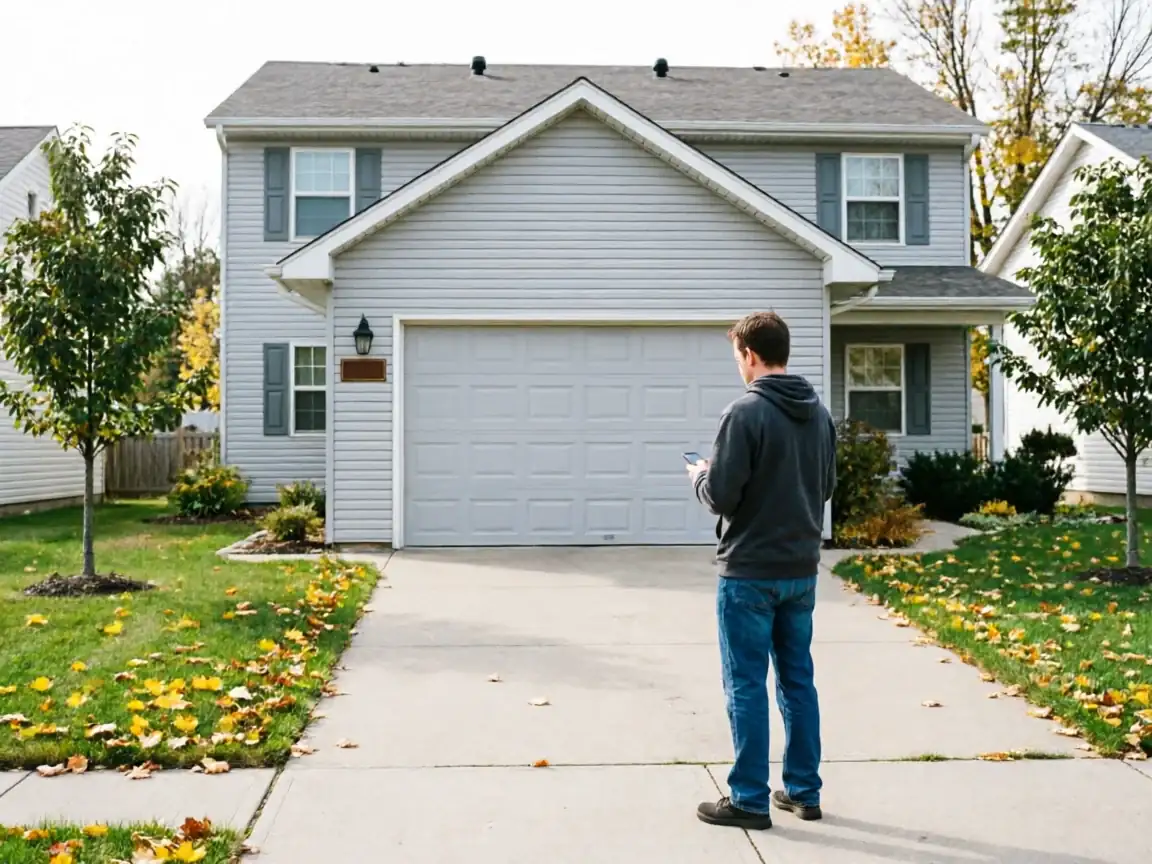
Describe the symptom - won’t open, loud bang, opener runs but the door won’t move.
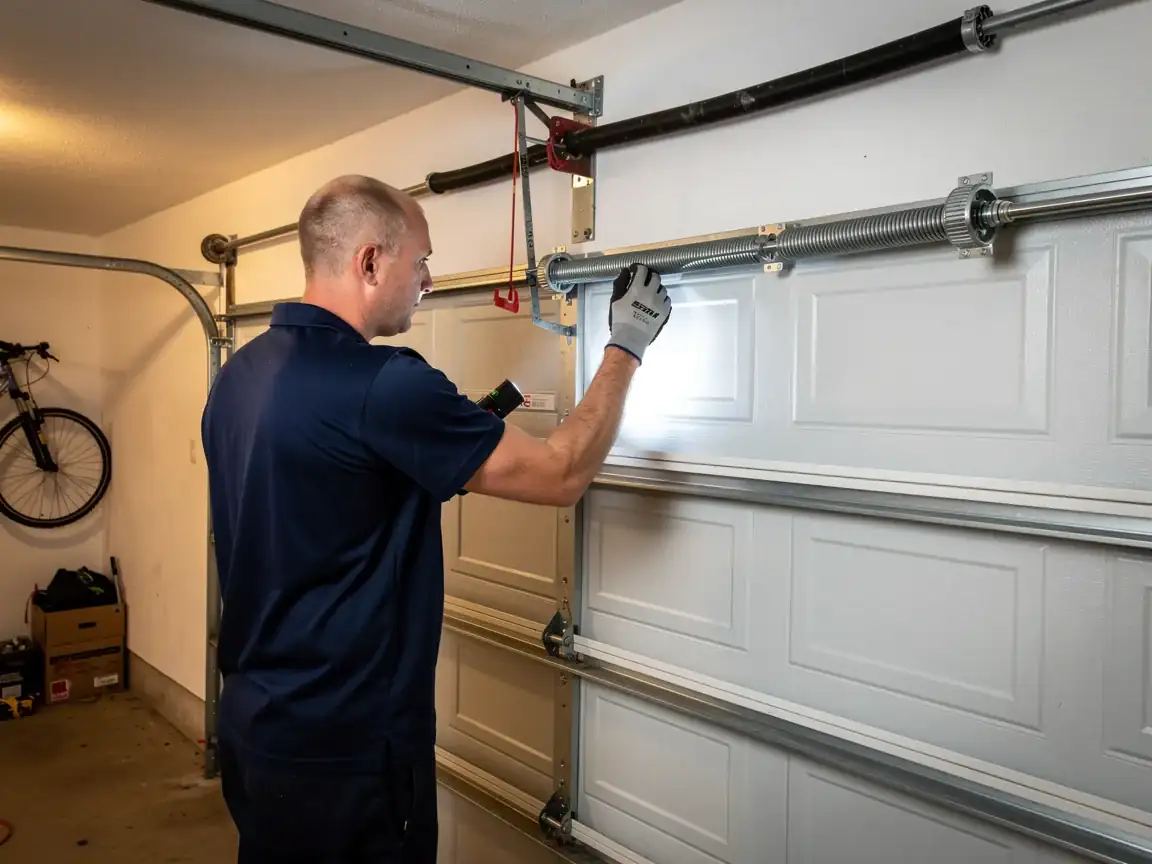
A technician tests the door under power and by hand and finds what actually failed.
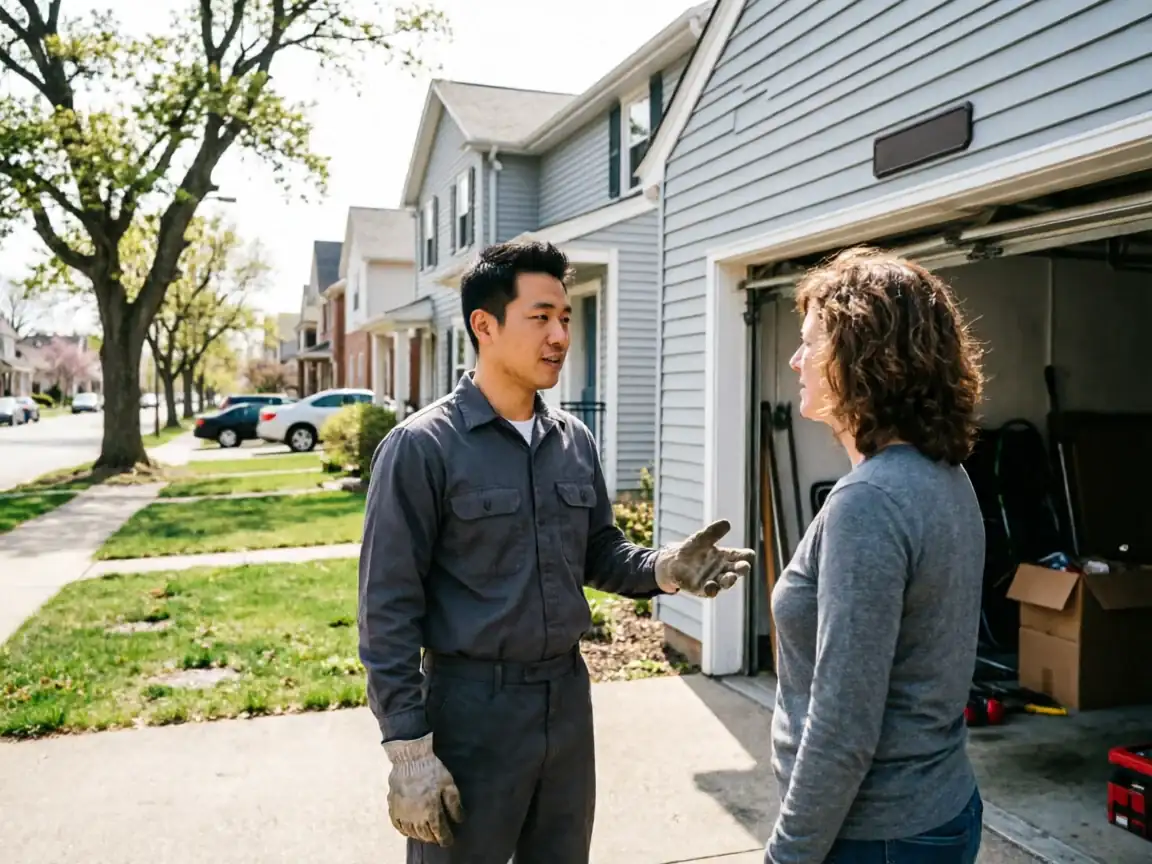
You get the fix that’s needed and what drives the cost - before any work starts.
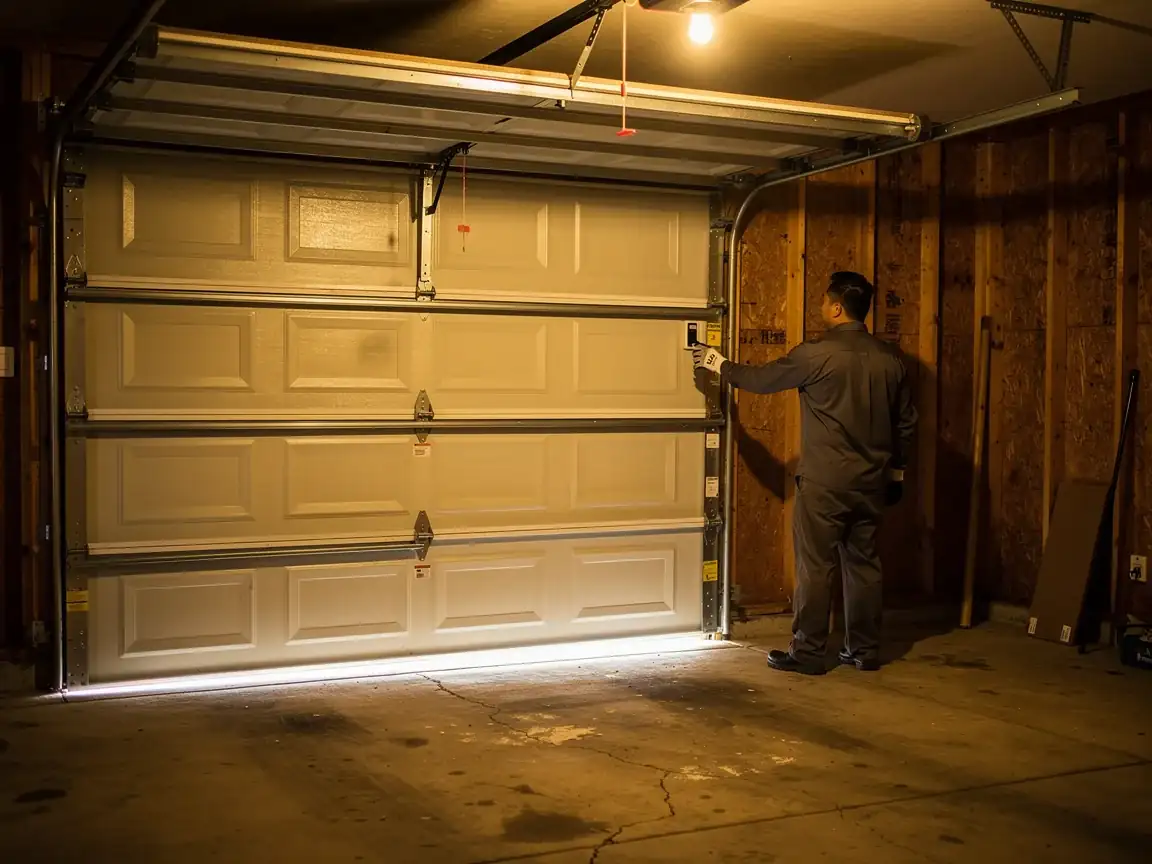
The repair is done, the door is set true and tested, and the work area left clean.
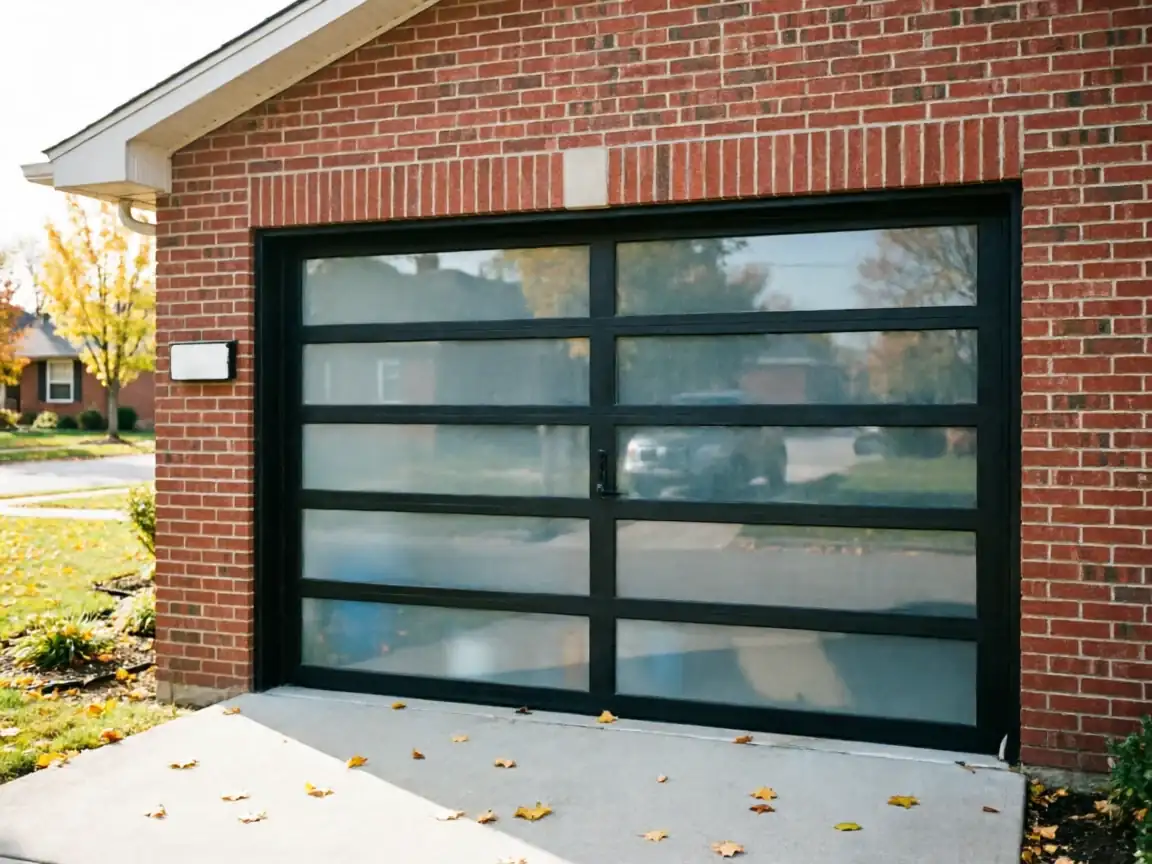
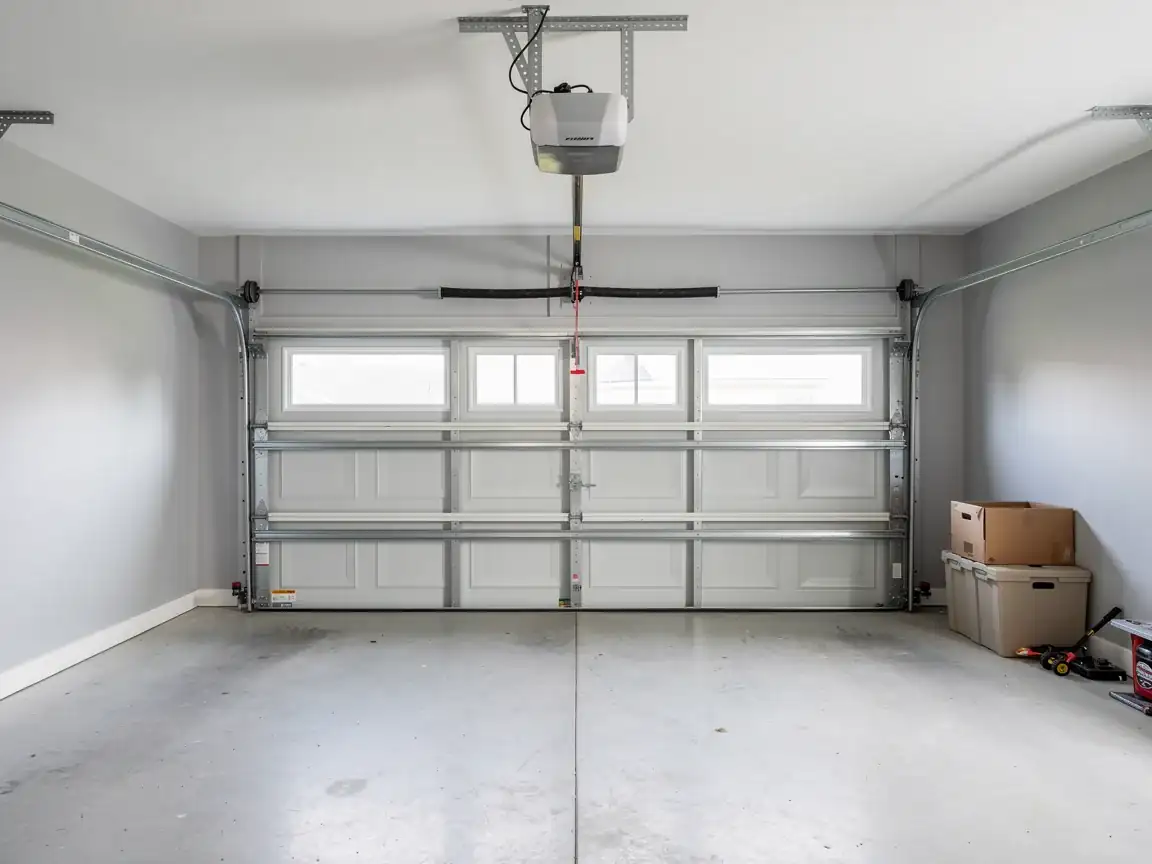
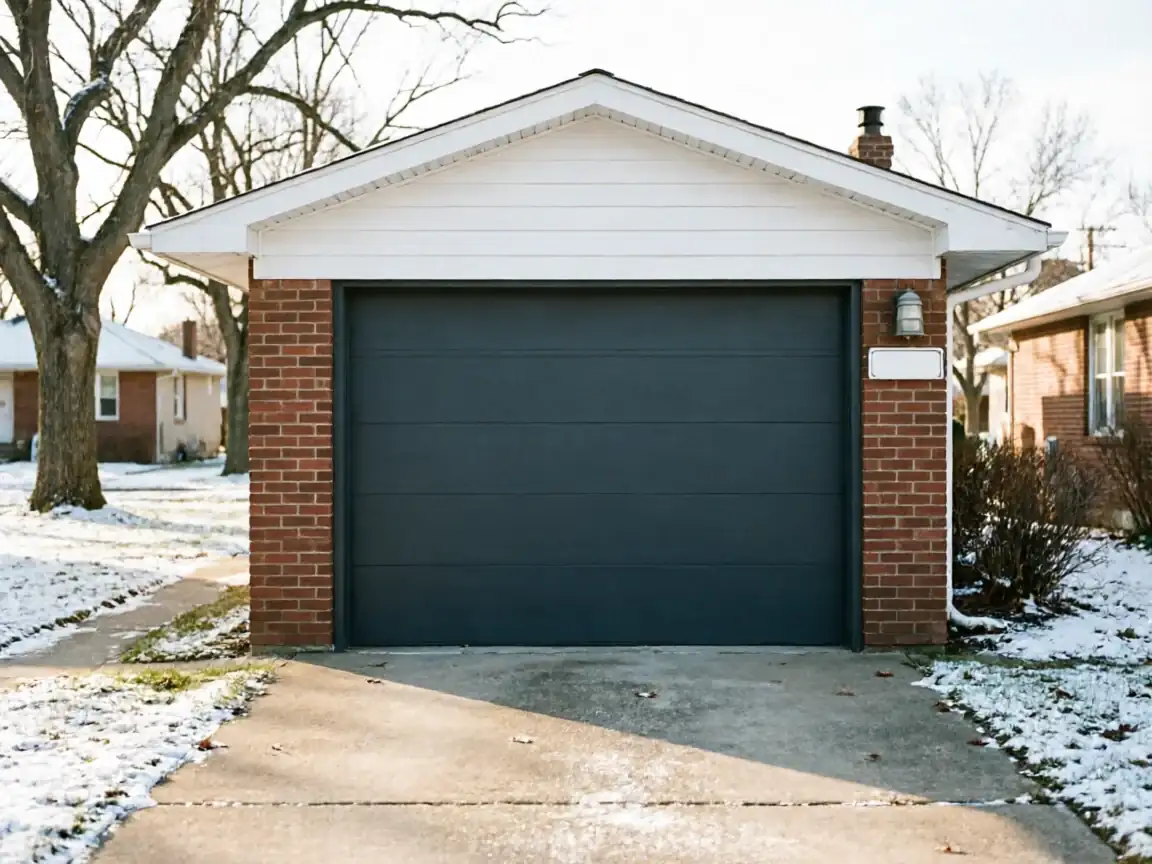
Illustrative styles - sectional, insulated steel, carriage, and commercial doors.
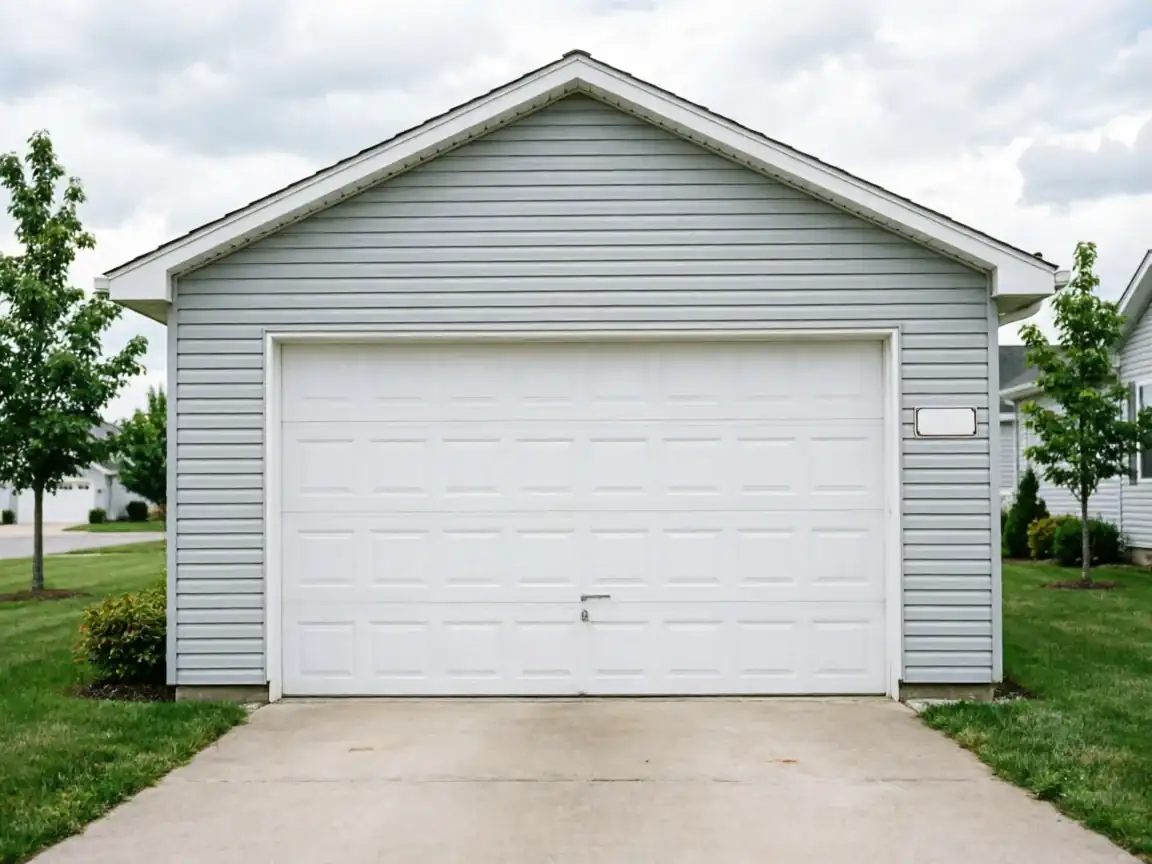
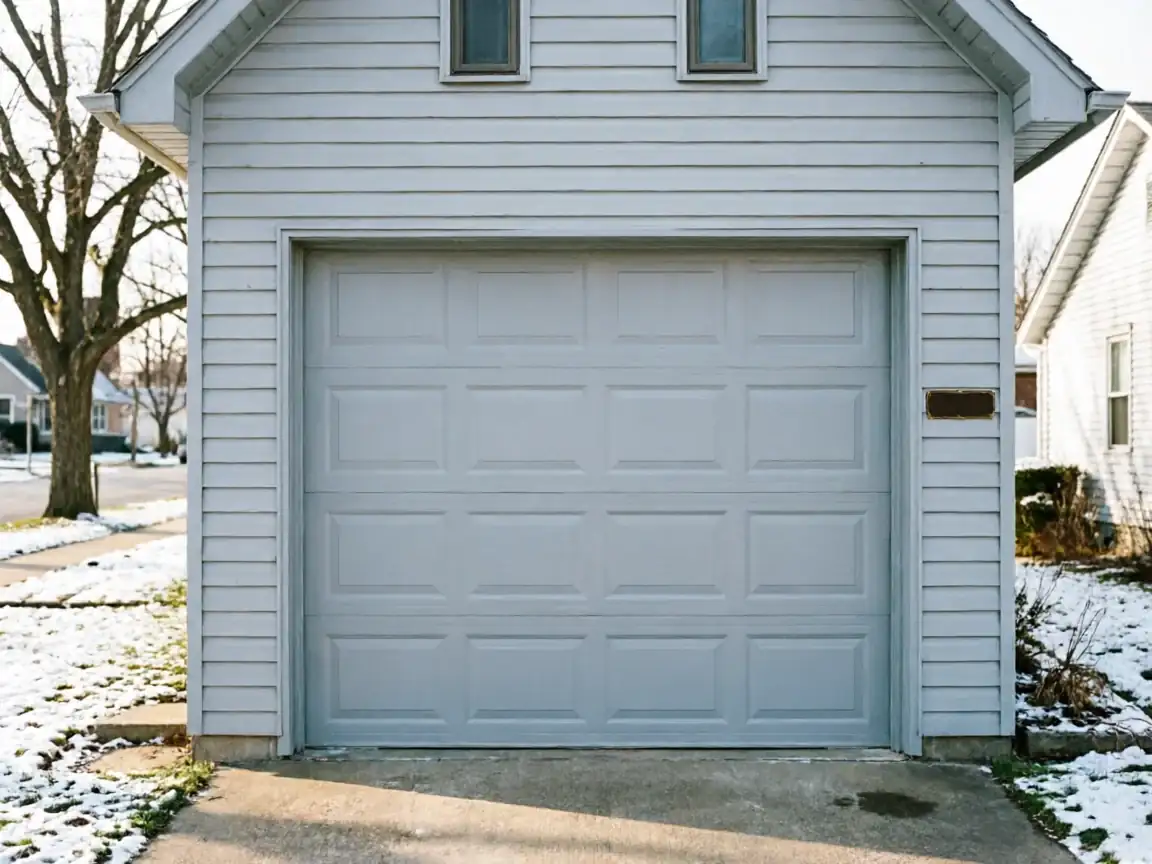
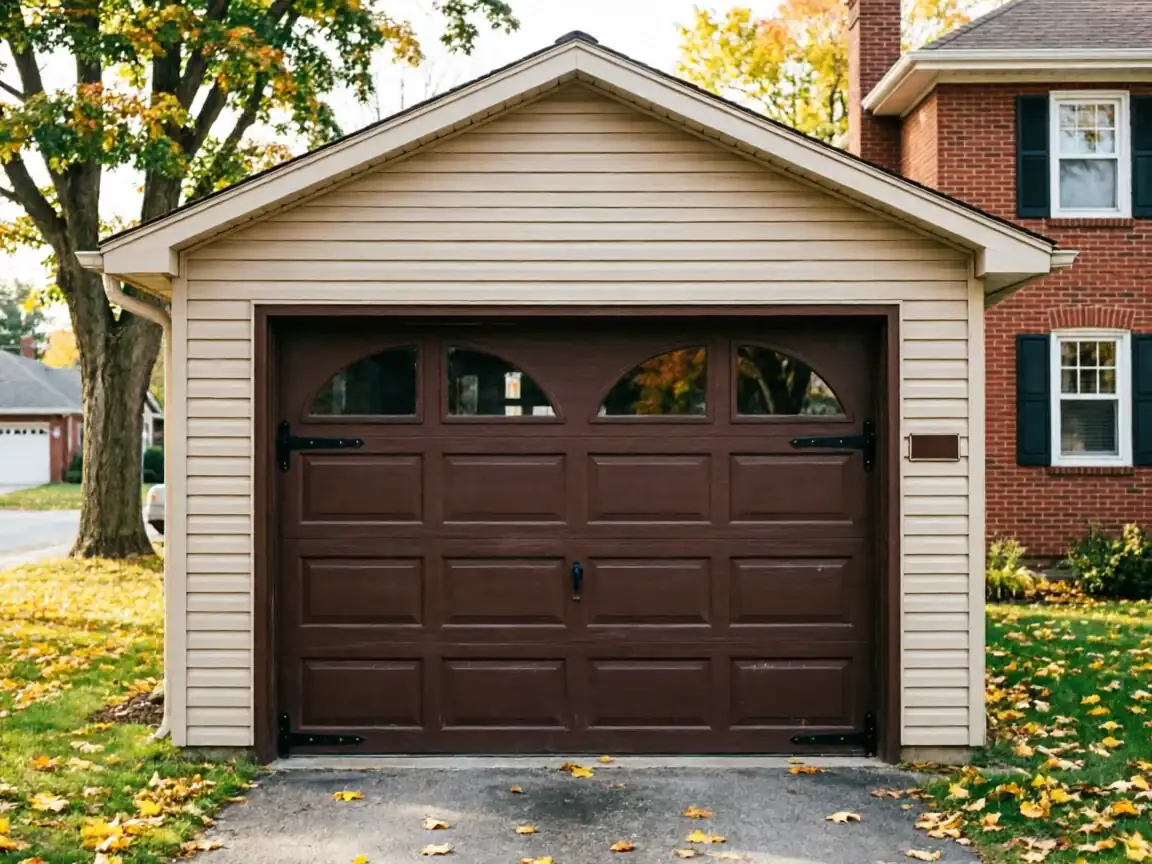
Other work we do for Streamwood homes - each page covers that job for Streamwood specifically.
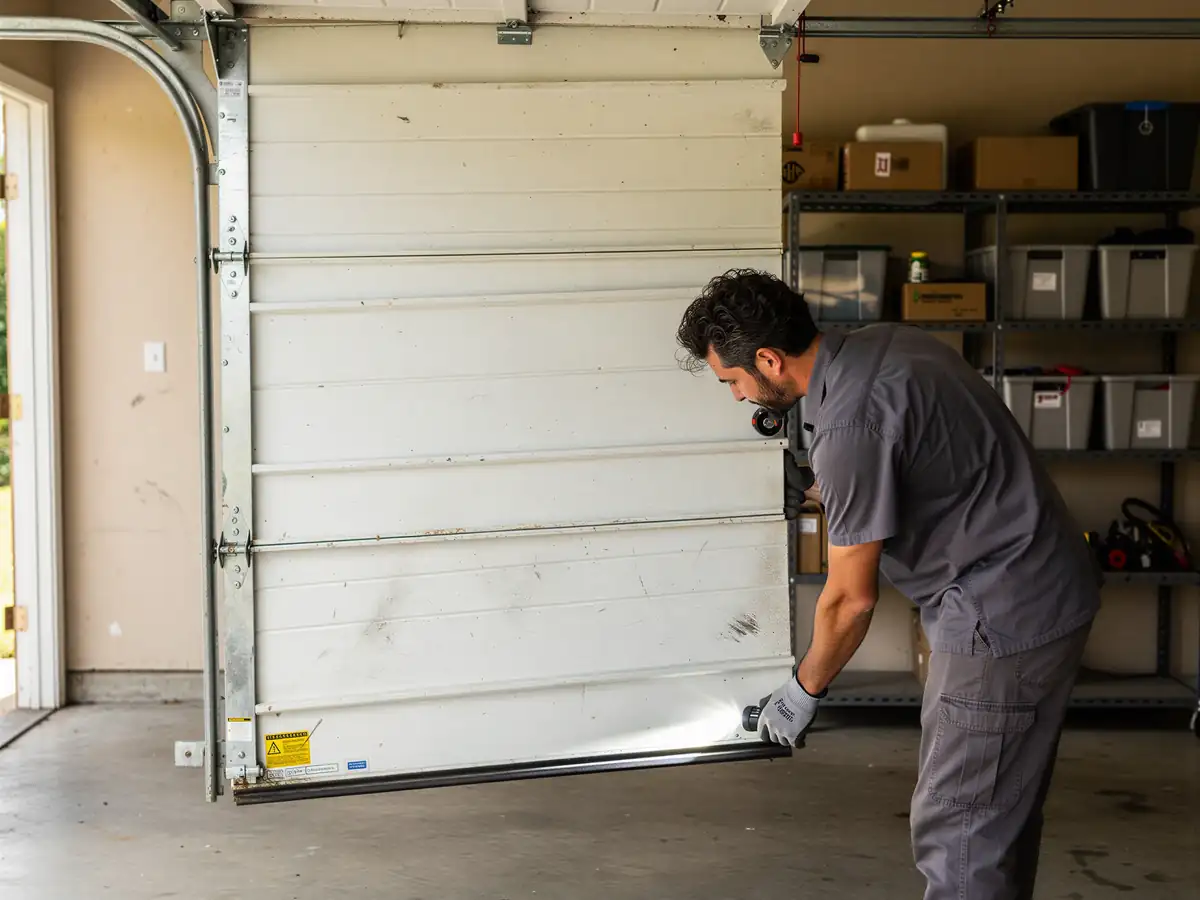
Streamwood homes mostly date to 1981, which means steel sectional doors on torsion springs, not the older one-piece stock you see closer to Des Plaines. Here's what that means for repair.
Learn more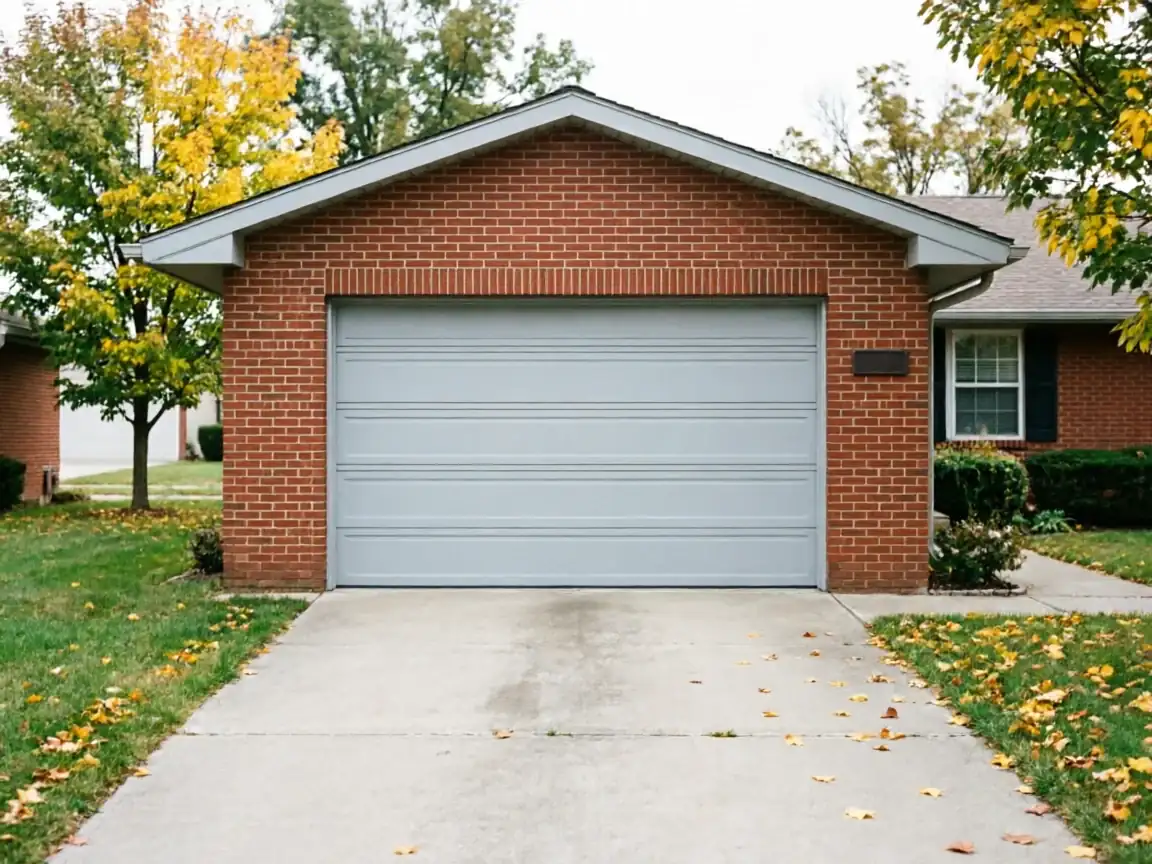
Des Plaines Garage Door Pros services Streamwood's 1981-era homes, 14 miles out, with torsion spring repair, opener fixes, and door replacement calls.
Learn more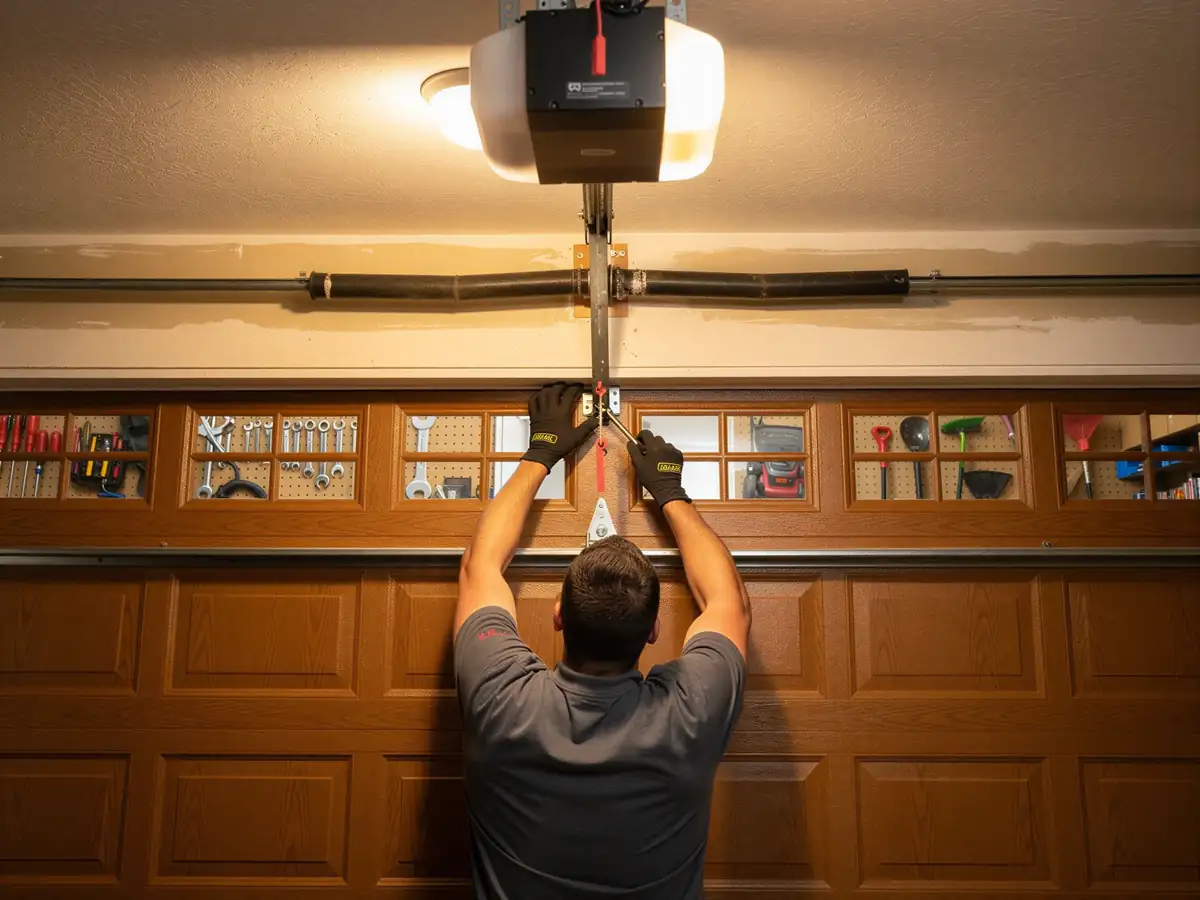
Streamwood homes built around 1981 still run original chain-drive openers. Des Plaines Garage Door Pros installs replacements built for this housing stock.
Learn more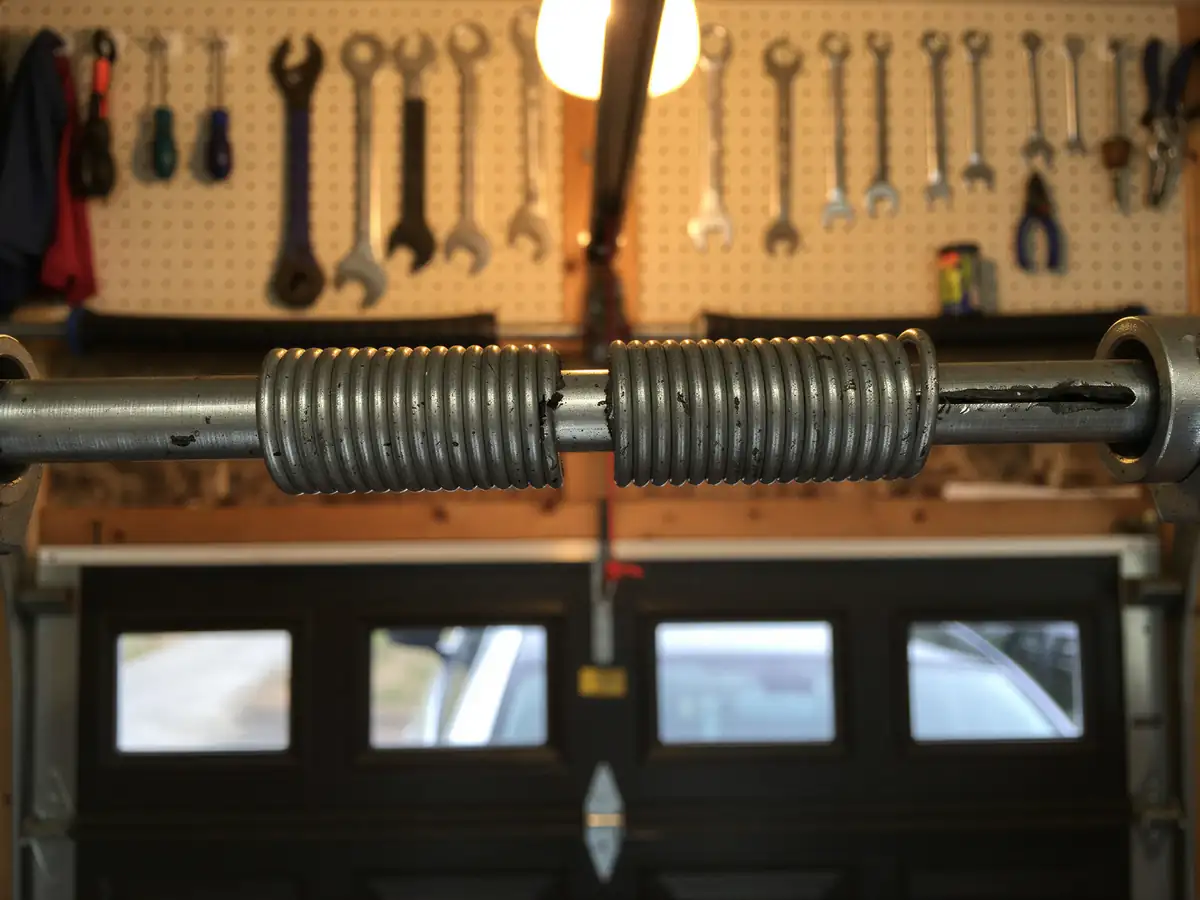
Streamwood homes built mostly in the 1970s-80s still run original torsion springs. We drive out from Des Plaines to replace them before the cable or drum goes with it.
Learn more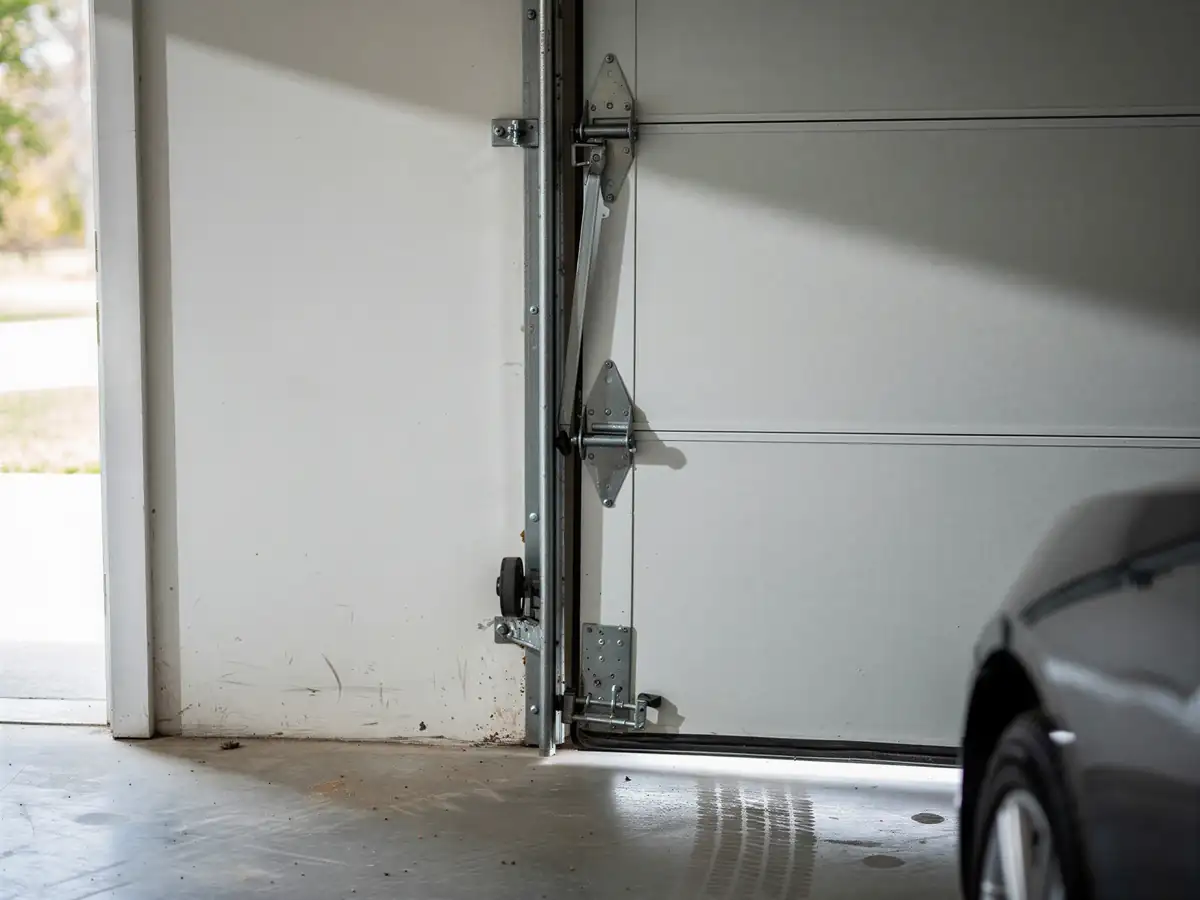
Streamwood's housing mostly dates to the early 1980s, a decade newer than the service area average. That gap changes what knocks a door off its track and how we fix it.
Learn more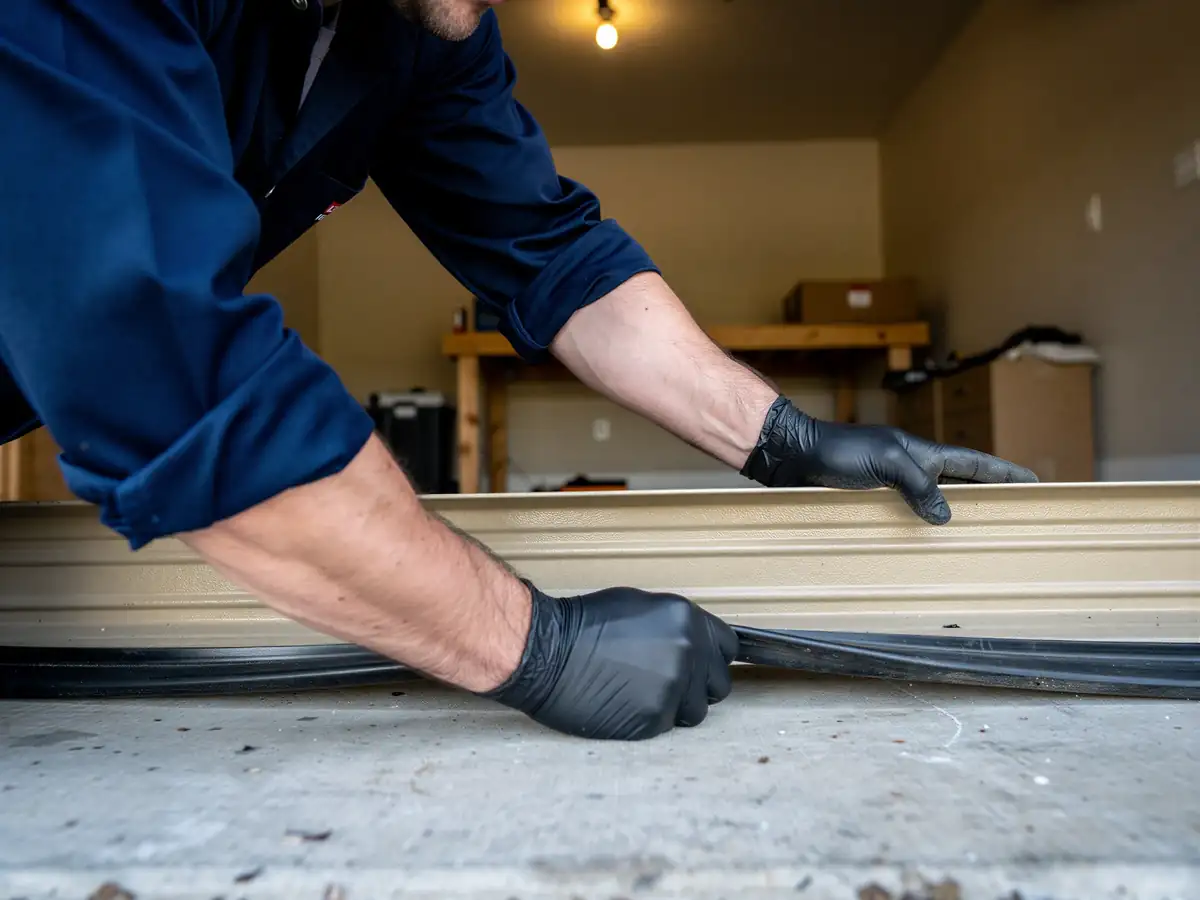
Streamwood homes built mostly around 1981 carry different spring and track wear than older stock nearby. Maintenance pricing and what's worth fixing, explained plainly.
Learn more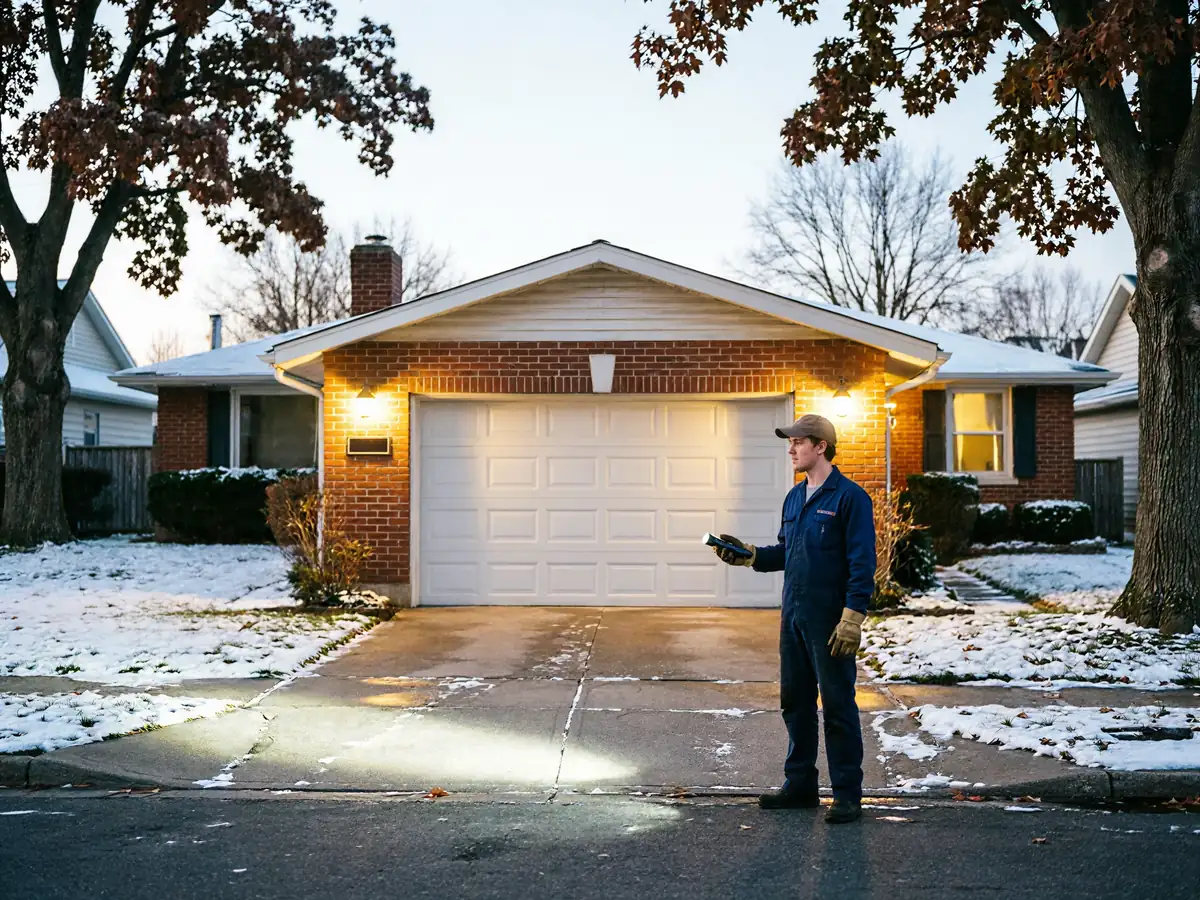
Broken spring or dead opener in Streamwood? Des Plaines Garage Door Pros handles emergency repairs here, with the 1980s-era hardware this town actually has.
Learn moreStraight answers about garage door repair in Des Plaines. Still unsure? Ask us directly.
No. We're based in Des Plaines and drive the 14 miles out for jobs here. It means the install gets scheduled as a planned trip rather than a same-day drop-in, but it doesn't change the work or the parts we use.
Usually yes - most Streamwood garages from around 1981 use standard 9-foot or 16-foot rough openings. We still measure before ordering, since headroom and jamb condition vary enough from house to house that we don't quote off age alone.
No, electrical panel or circuit work isn't something we do. If your garage is still on original early-1980s wiring and it can't handle a modern opener, a licensed electrician needs to upgrade that circuit before we install.
It depends on the door you want - stock widths move faster than custom insulation or color options. Because we're coming from Des Plaines, we also schedule the measure and install as one trip, so booking a few days ahead keeps things simple.
Tell us what it’s doing and where you are in Des Plaines - we’ll take it from there.