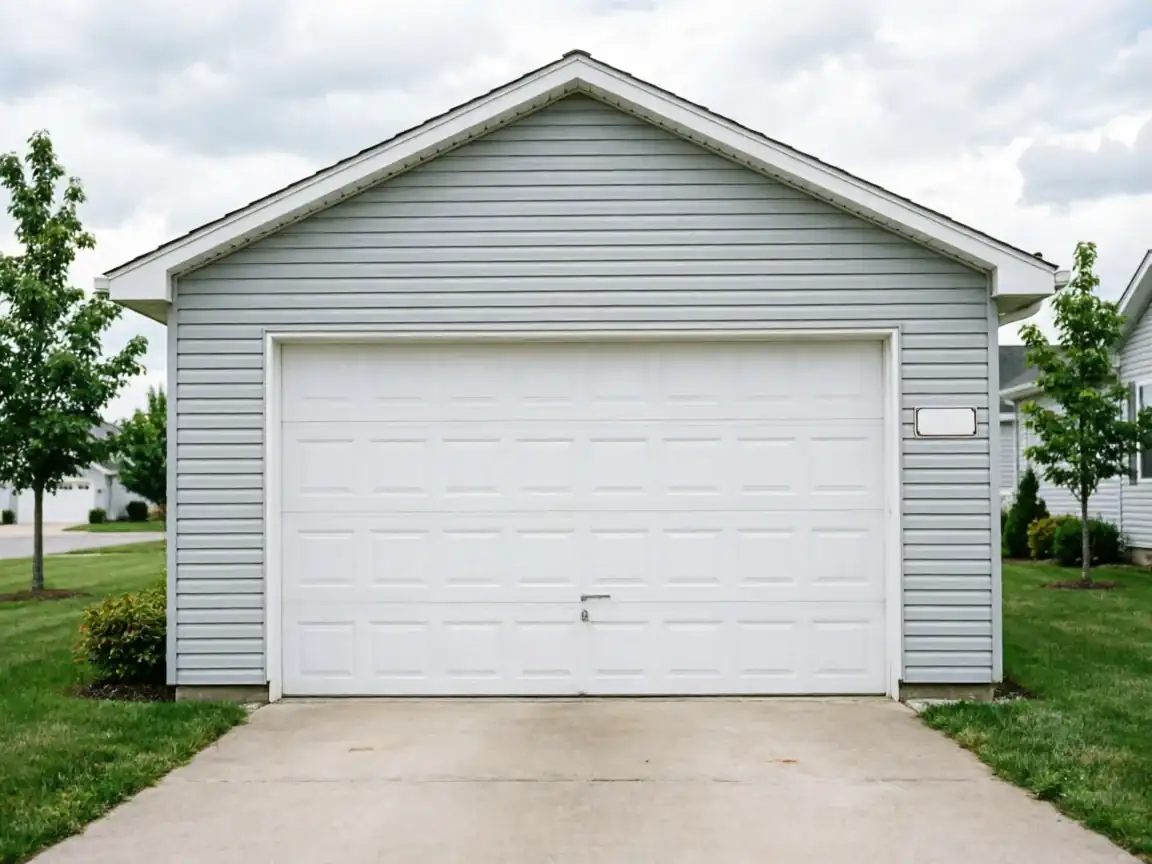
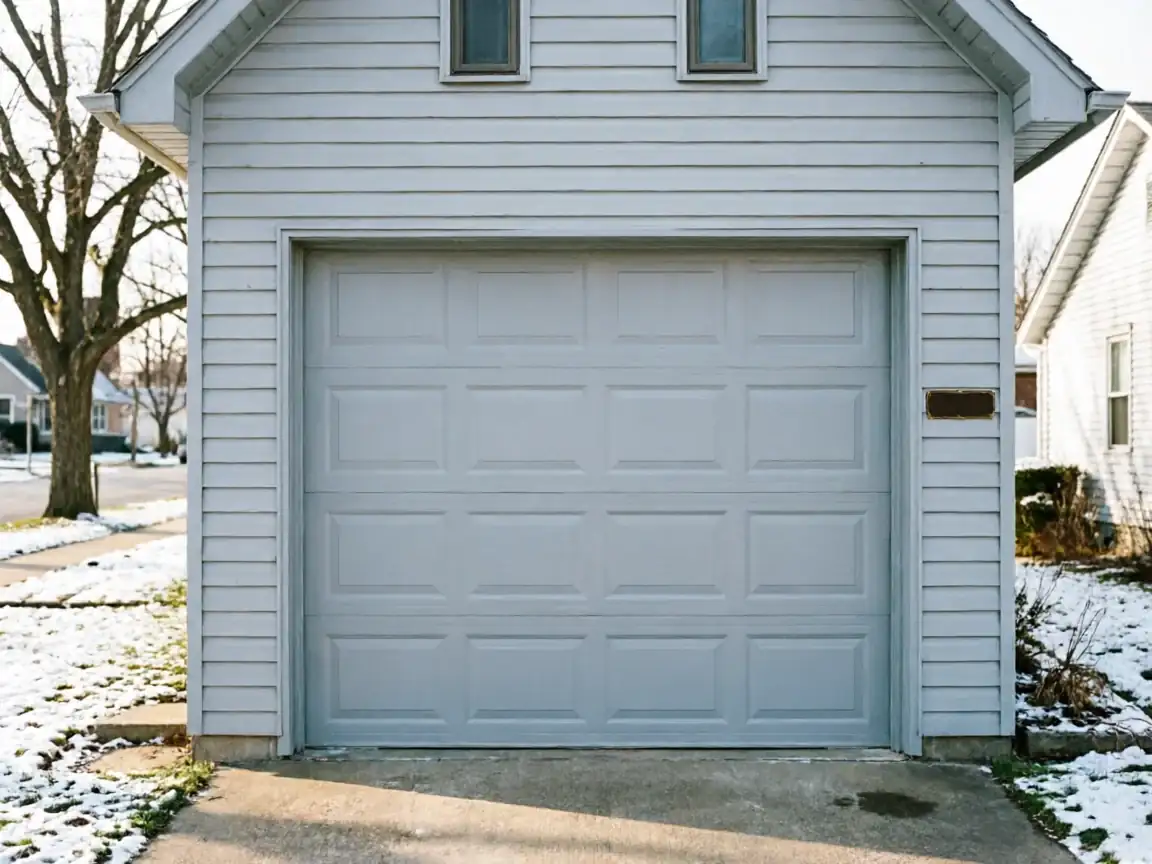
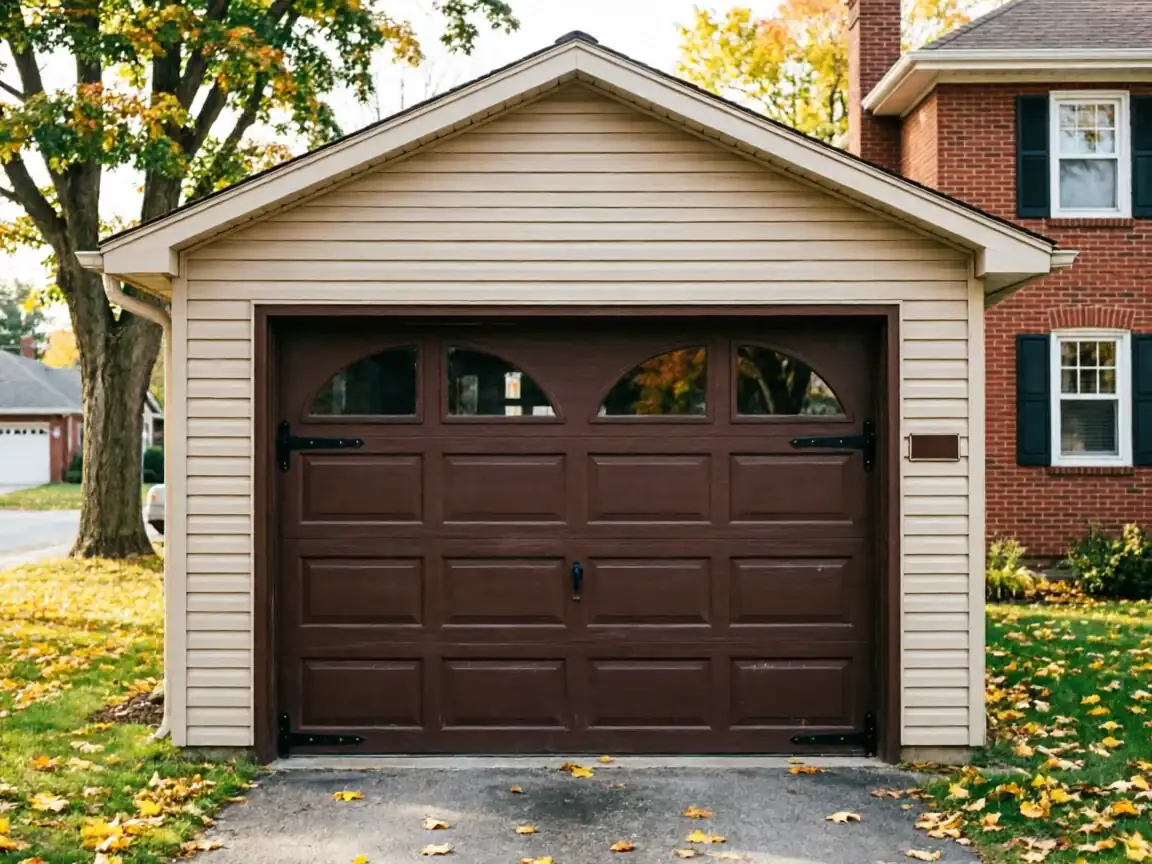
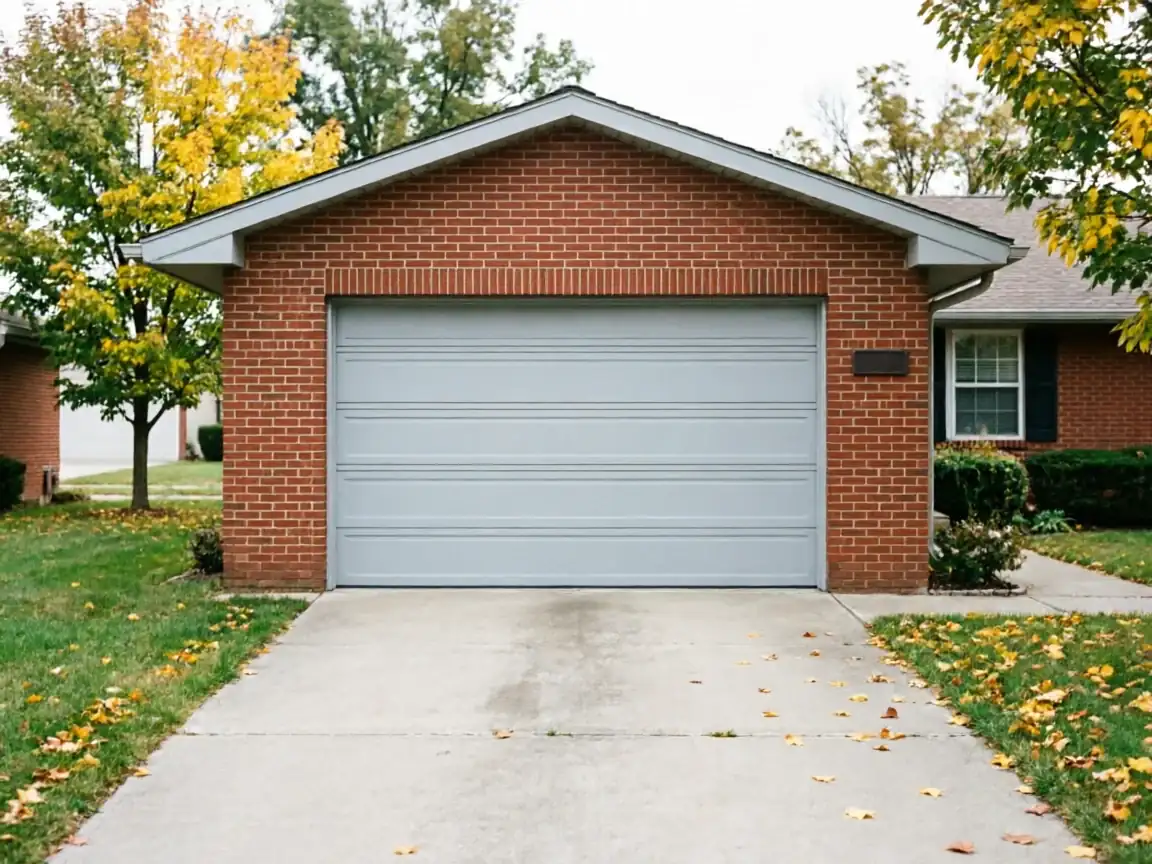
Most Bartlett garage doors date to the early 1990s, not the 1970s hardware common closer to Des Plaines. Here's what that means when a door jumps its track.
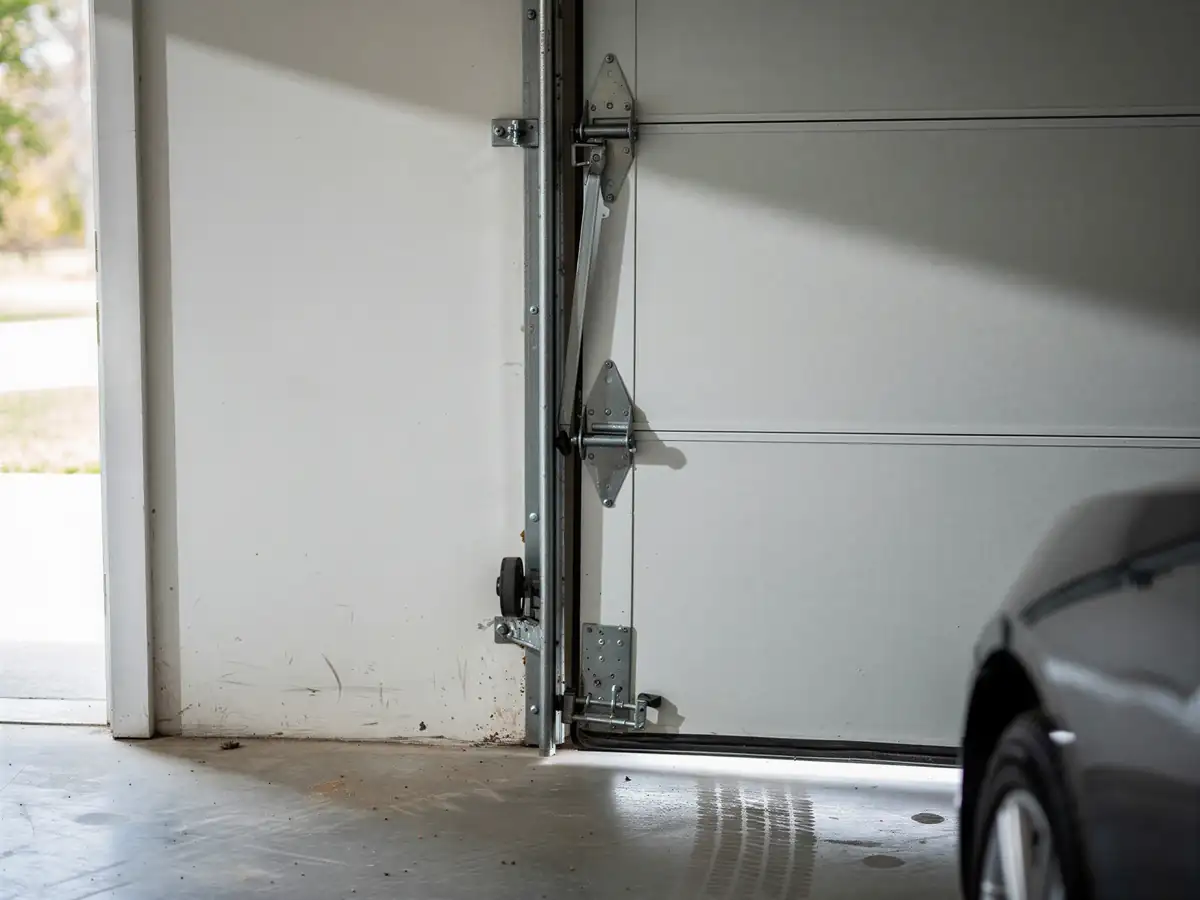
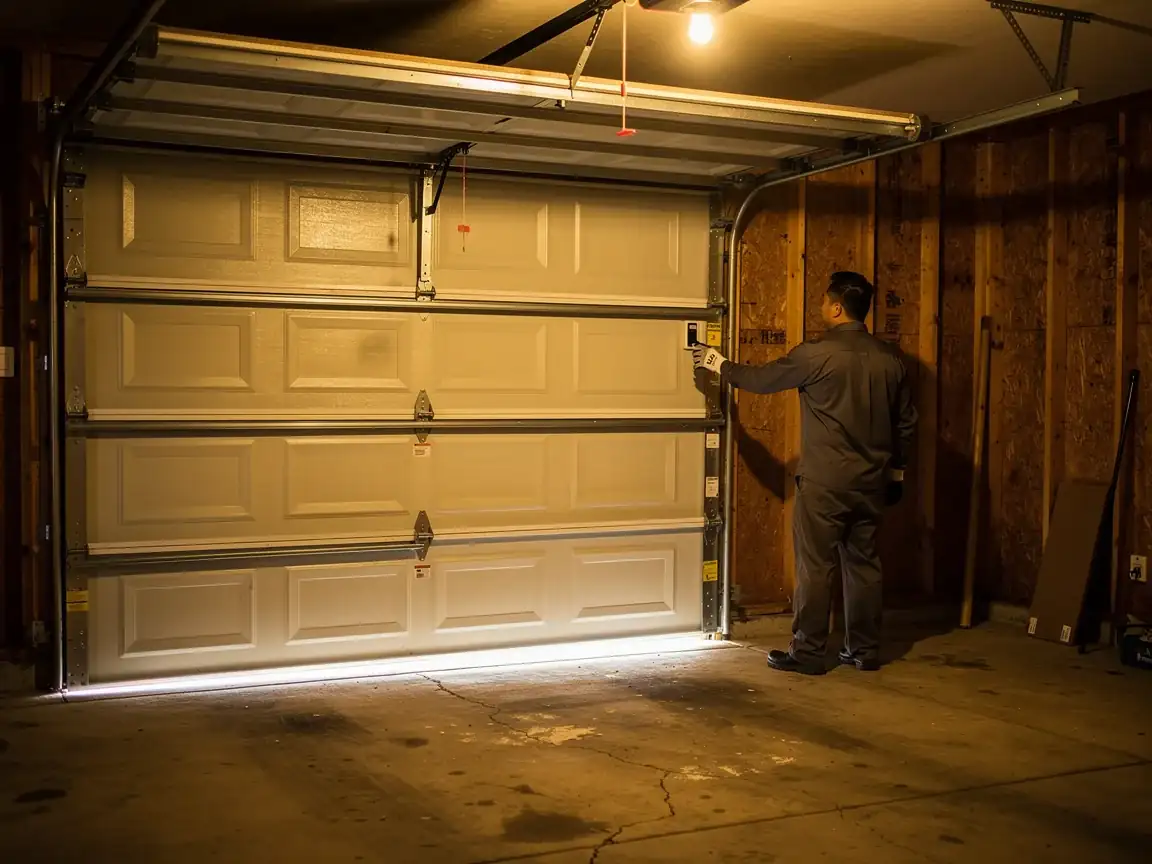
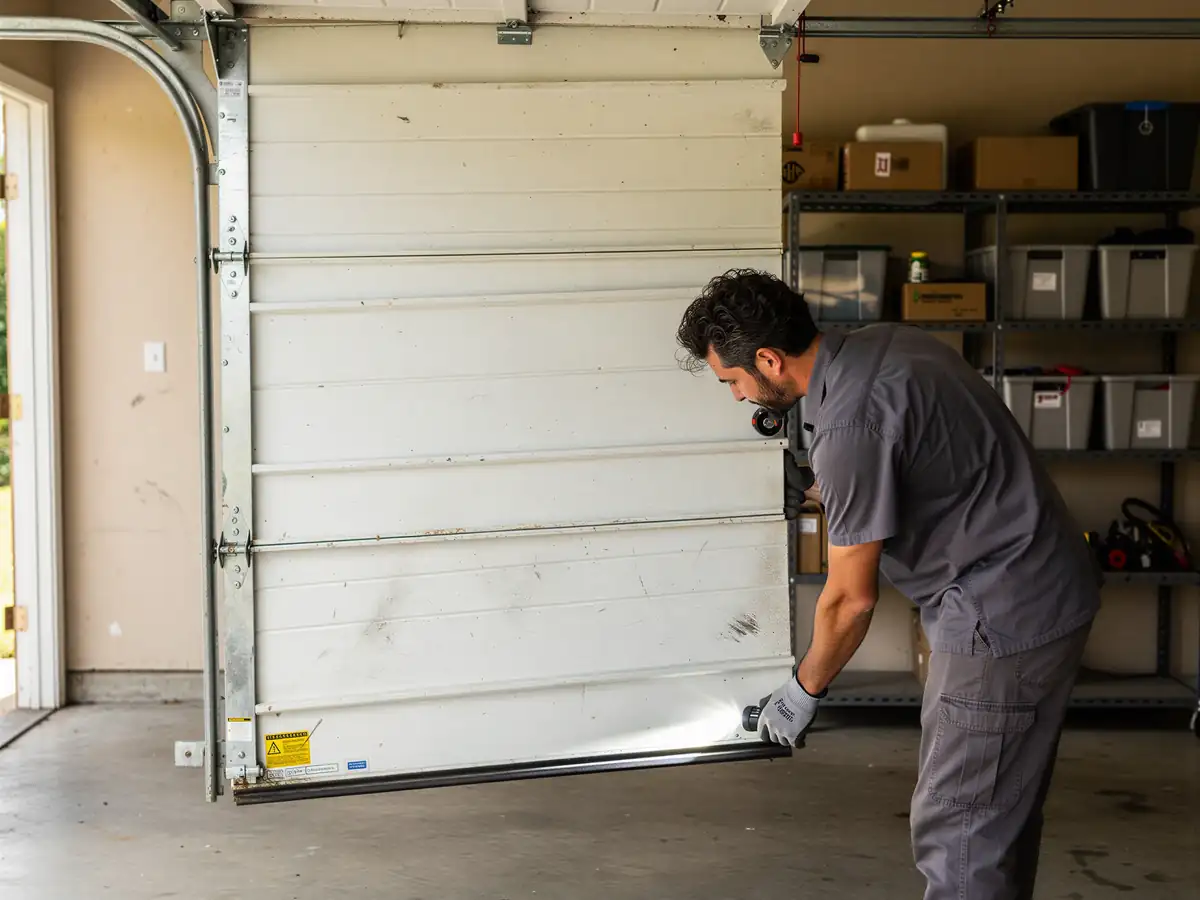
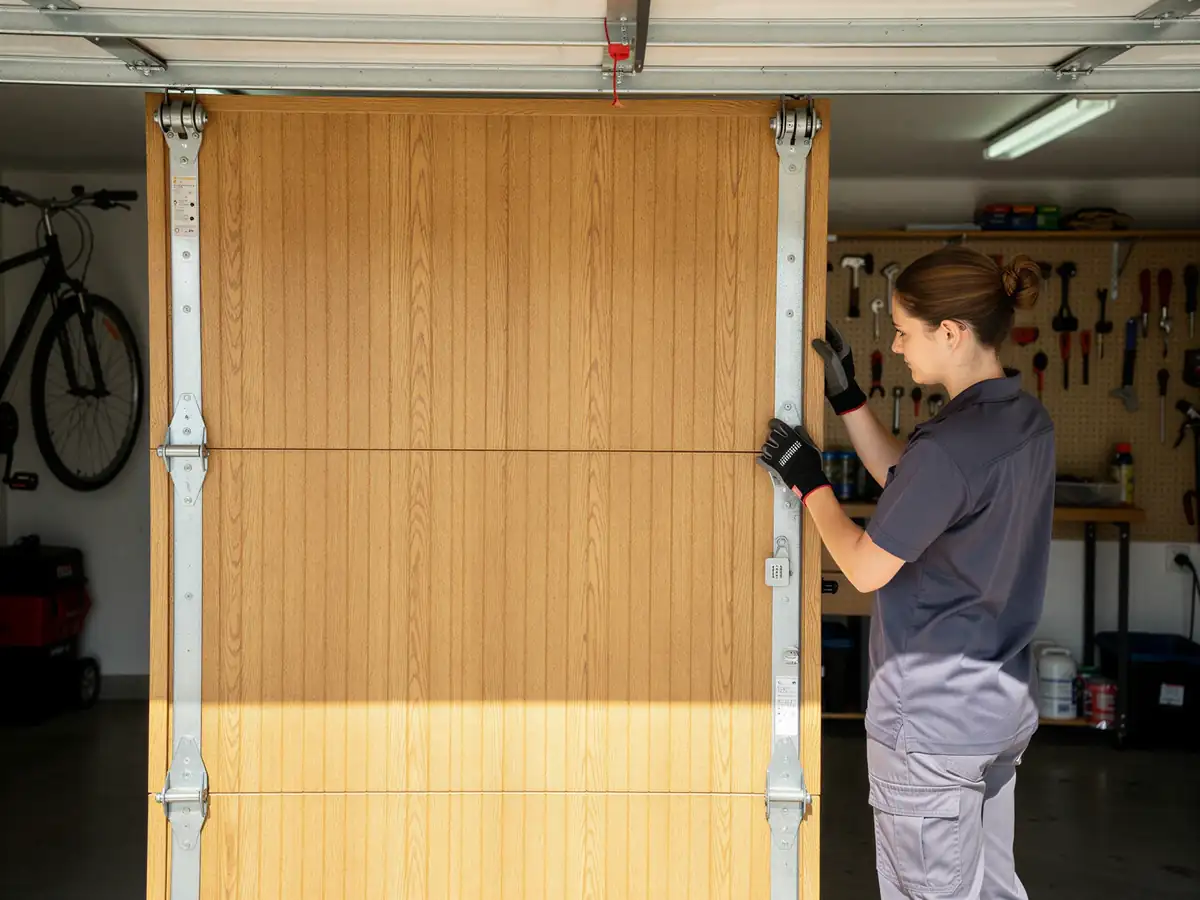
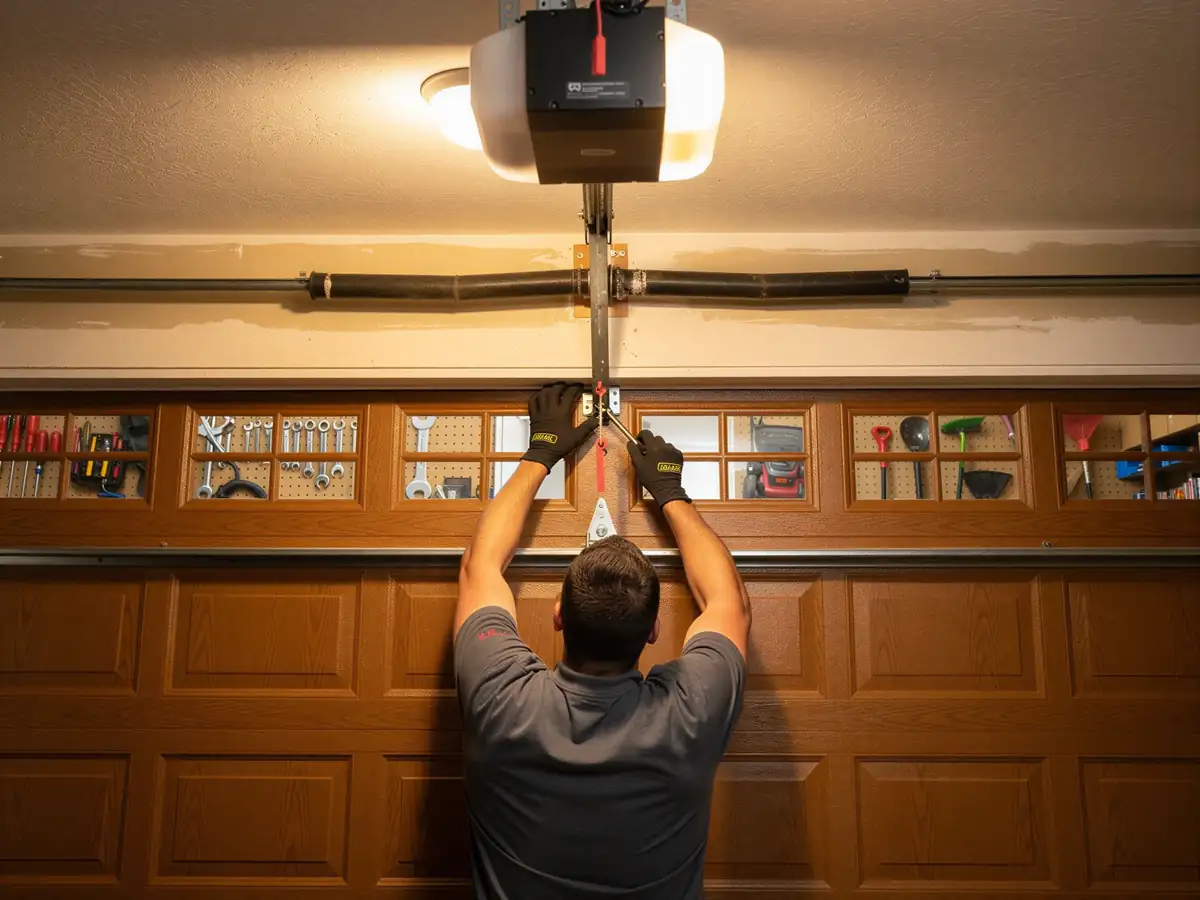
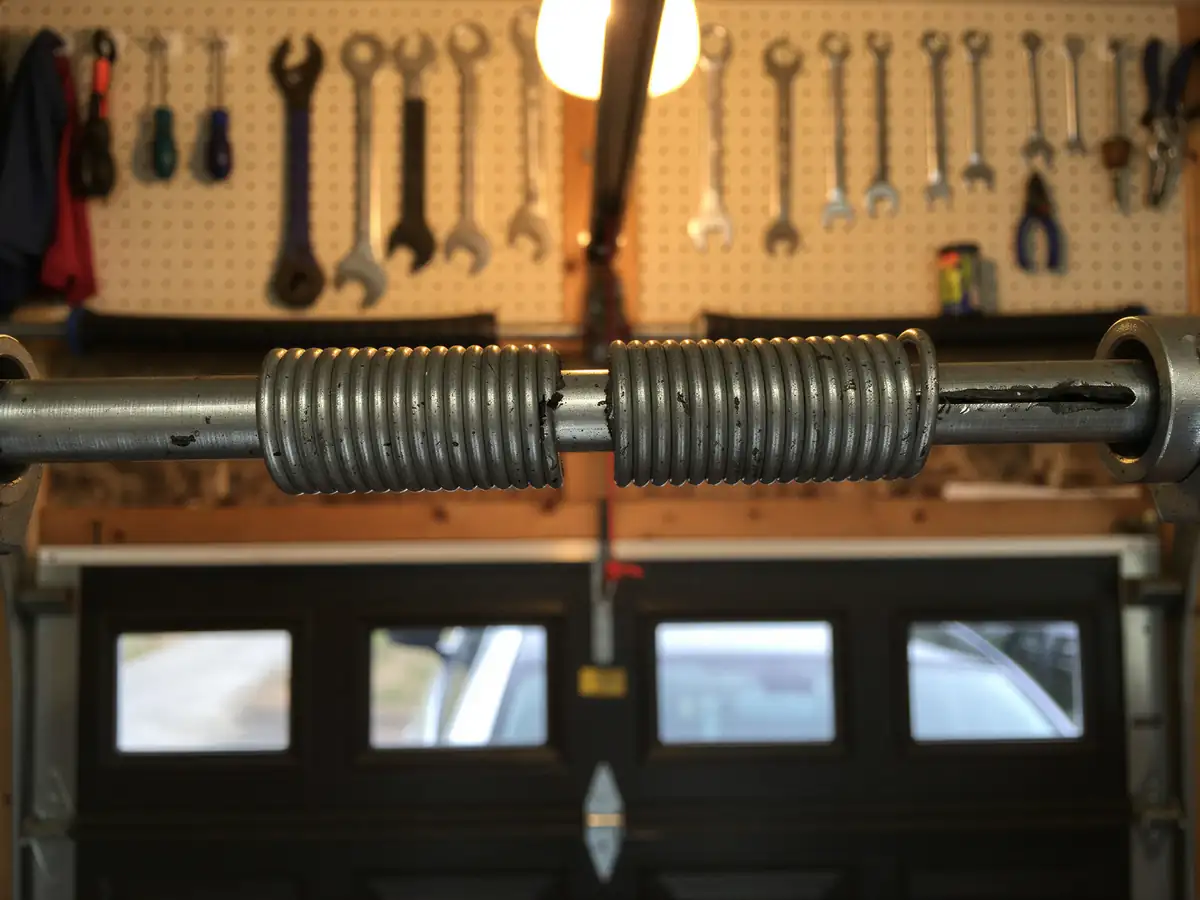
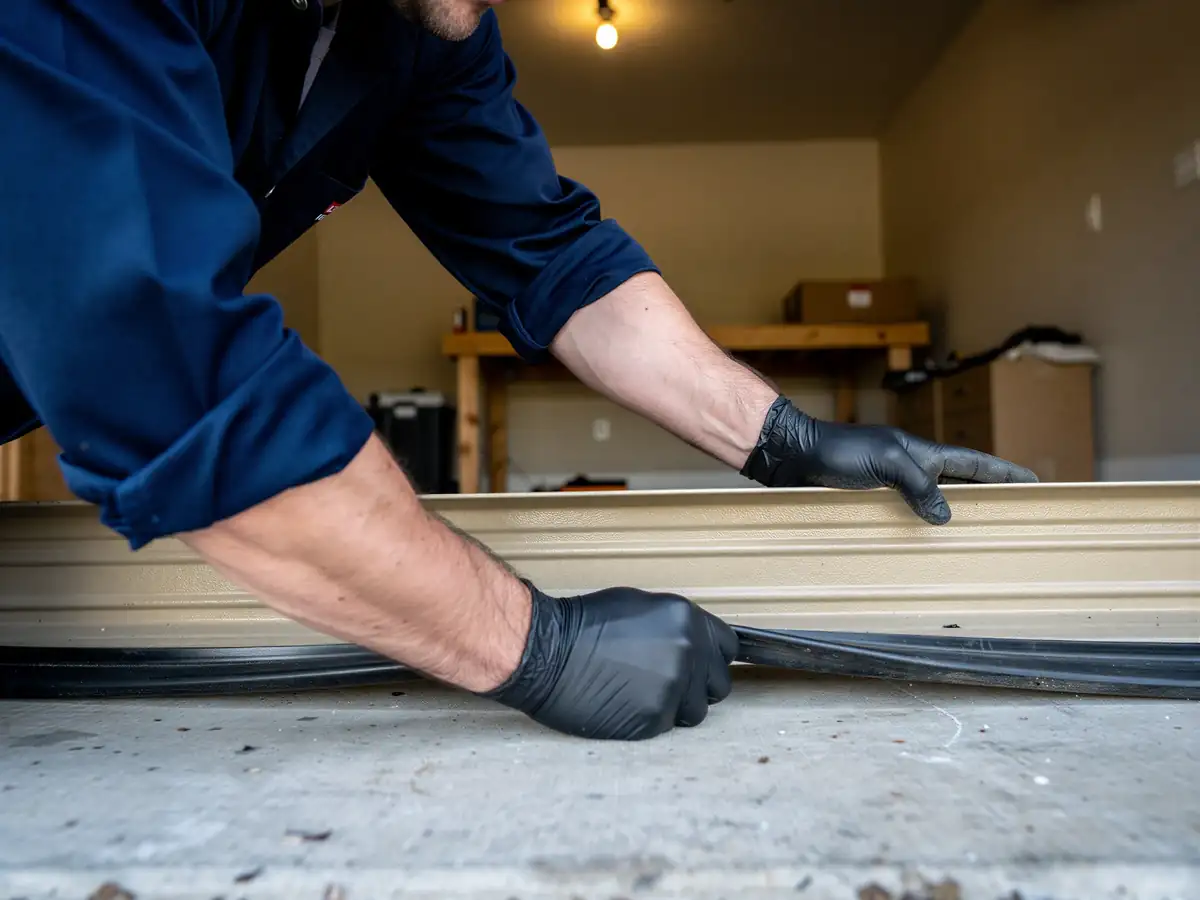
If your door is hanging crooked or popped a roller out of the track, the instinct is to grab a ladder and push it back in. Don't. A door that's off track is usually still under spring tension, and a 1990s-era torsion setup carries enough force to snap fingers or drop a 150-pound door on you. What you can safely do: unplug the opener so it doesn't try to cycle the door again, and look for the obvious cause - a bent track section, a roller that's cracked, or a cable that's come loose from its drum. Bartlett's housing stock runs newer than a lot of the territory we cover out of Des Plaines, with a median build year around 1992, so you're less likely to be dealing with the brittle, decades-old steel we see on older doors elsewhere. That's a small mercy, not a reason to free the door yourself. Our honest limit here: if the track is bent in more than one spot, or the door came off both sides, that's not a tighten-and-realign job - it's a track replacement, and we'll tell you that before we quote anything else.
What Can Go Wrong
A door built in the early 1990s is old enough now that original rollers and cable have usually never been swapped. Thirty-plus years of cycling wears nylon rollers oval and stretches cables past spec, and either one can walk a door off its track without warning. The other pattern we see in this build era is track brackets that have loosened from the jamb over time - common on doors from the early '90s because the original hardware wasn't always lagged into framing as tightly as code calls for today. Add the cold-moderate winters this part of Illinois gets, and steel track contracts just enough in a hard freeze to widen a gap that was already borderline. None of this is exotic. It's ordinary wear showing up on schedule for a door of this age.
Getting It Booked In
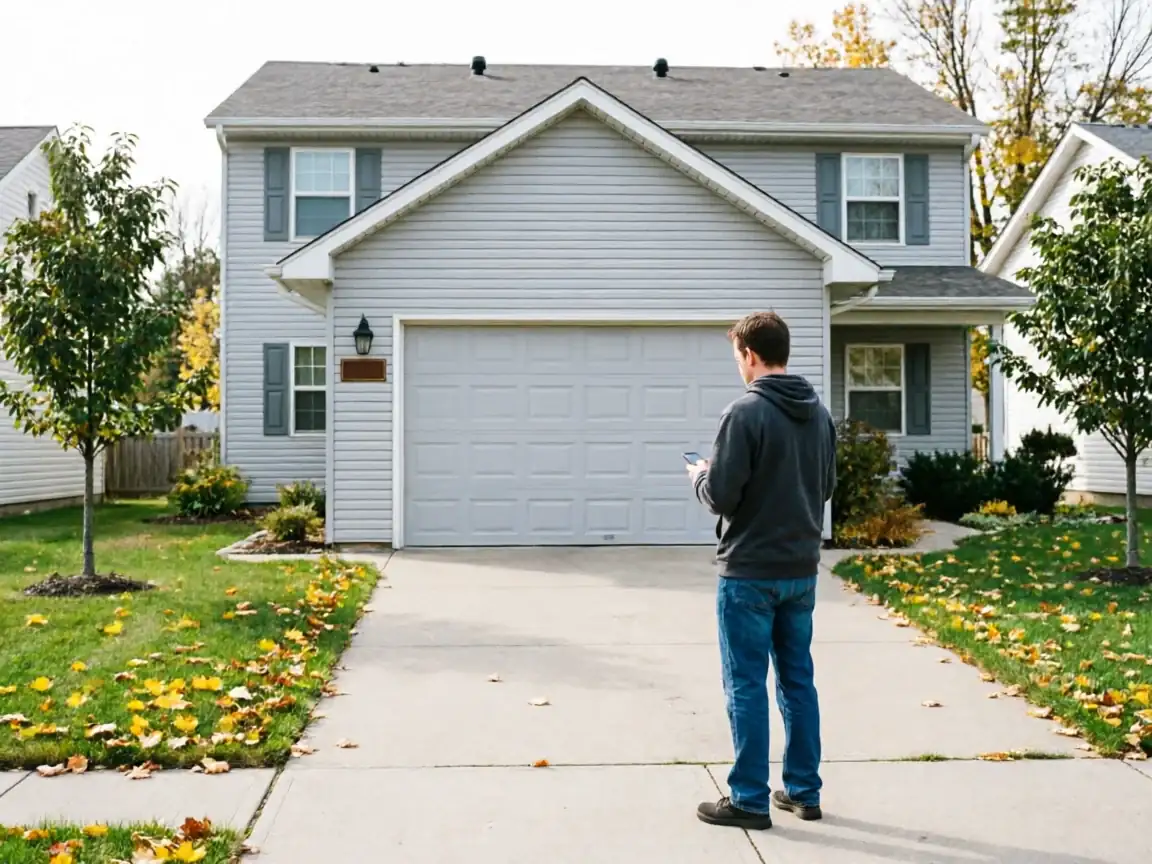
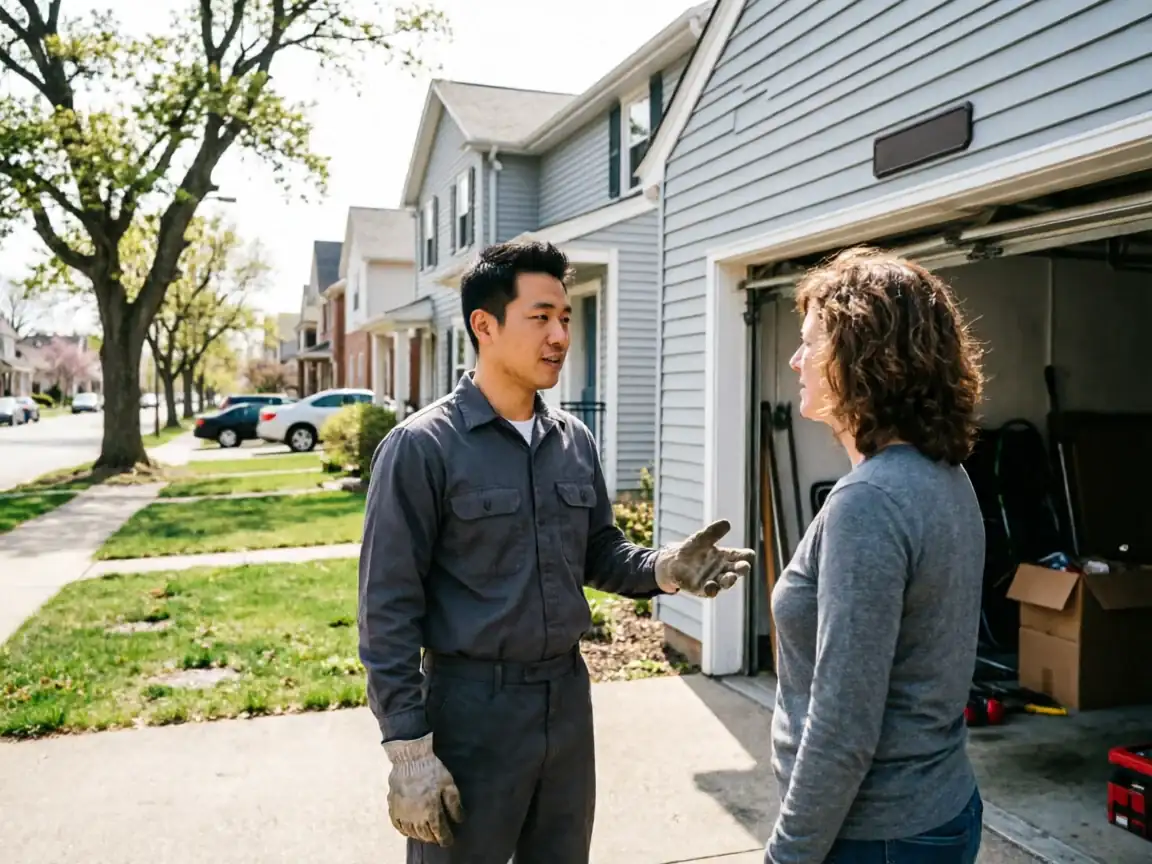
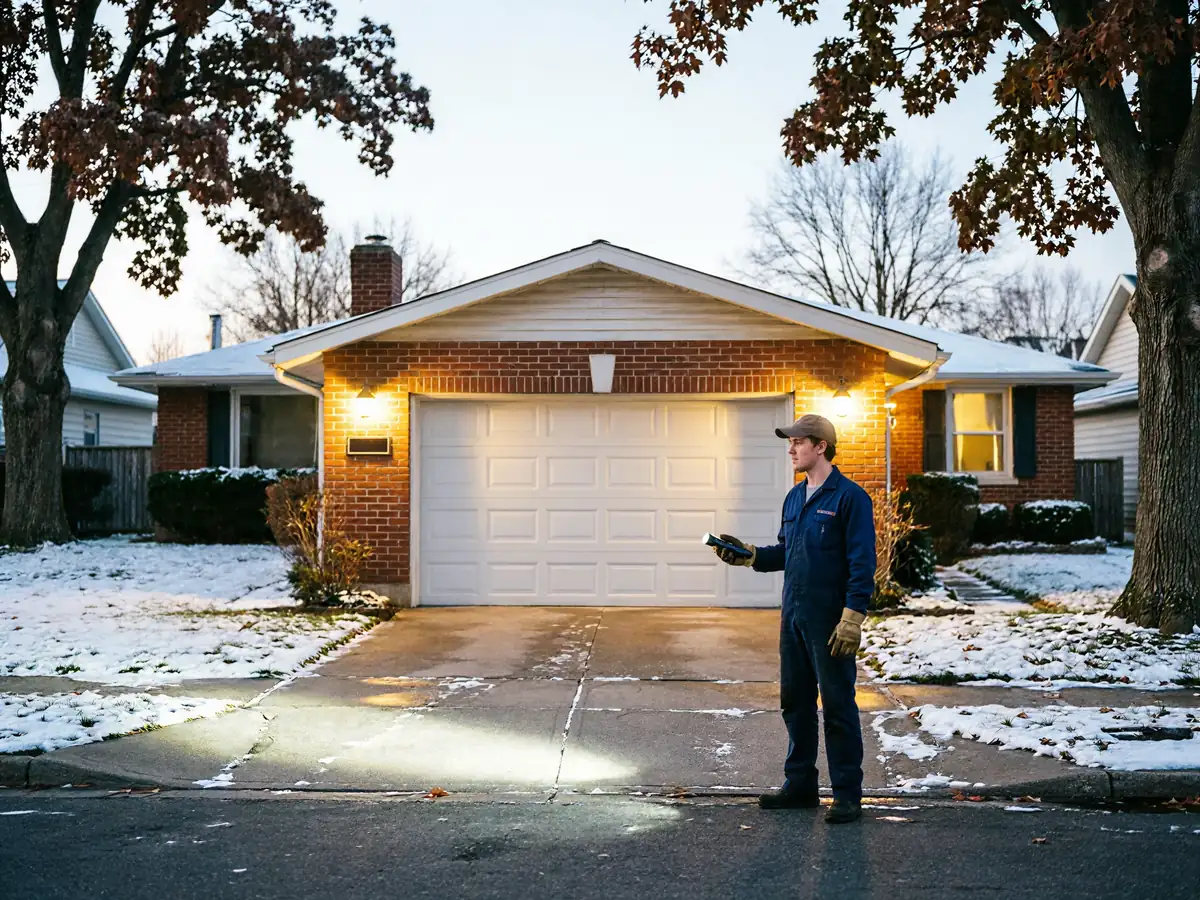
We run out of Des Plaines, about 15 miles south of Bartlett, so there's no local branch here - just a truck that comes to you. When you call, tell us whether the door is off track on one side or both, whether it still opens with the opener disconnected, and what year your house went up if you know it (Bartlett's median is 1992, which tells us a lot about what we'll find before we even open the panel). That lets us bring the right rollers and track hardware on the first trip instead of a second one.
What It Costs
We don't post a flat number here because off-track repairs split into two very different jobs: a realignment with a roller swap, or a bent-track replacement that needs new brackets and sometimes a cable. What we can tell you is that Bartlett's median household income, at $130,479, runs well above the $103,911 median across the wider territory we serve - and homeowners here more often ask us to replace worn original hardware outright rather than patch it repeatedly. That's a choice we lay out for you on site, not something we push.
Parts We Carry
Our trucks stock rollers, track sections, and cable sized for the production era that's most common on this side of the territory - doors built from the late 1980s through the 1990s, which covers the bulk of Bartlett's housing. That means nylon and steel rollers in the common sizes, standard 2-inch track, and both galvanized and aircraft cable. What we don't carry on the truck is obsolete hardware for doors built before the late 1930s, which simply isn't what's on the ground in this area, or custom architectural track for oversized or carriage-style doors - those get special-ordered after we've seen the opening.
What the Fix Involves
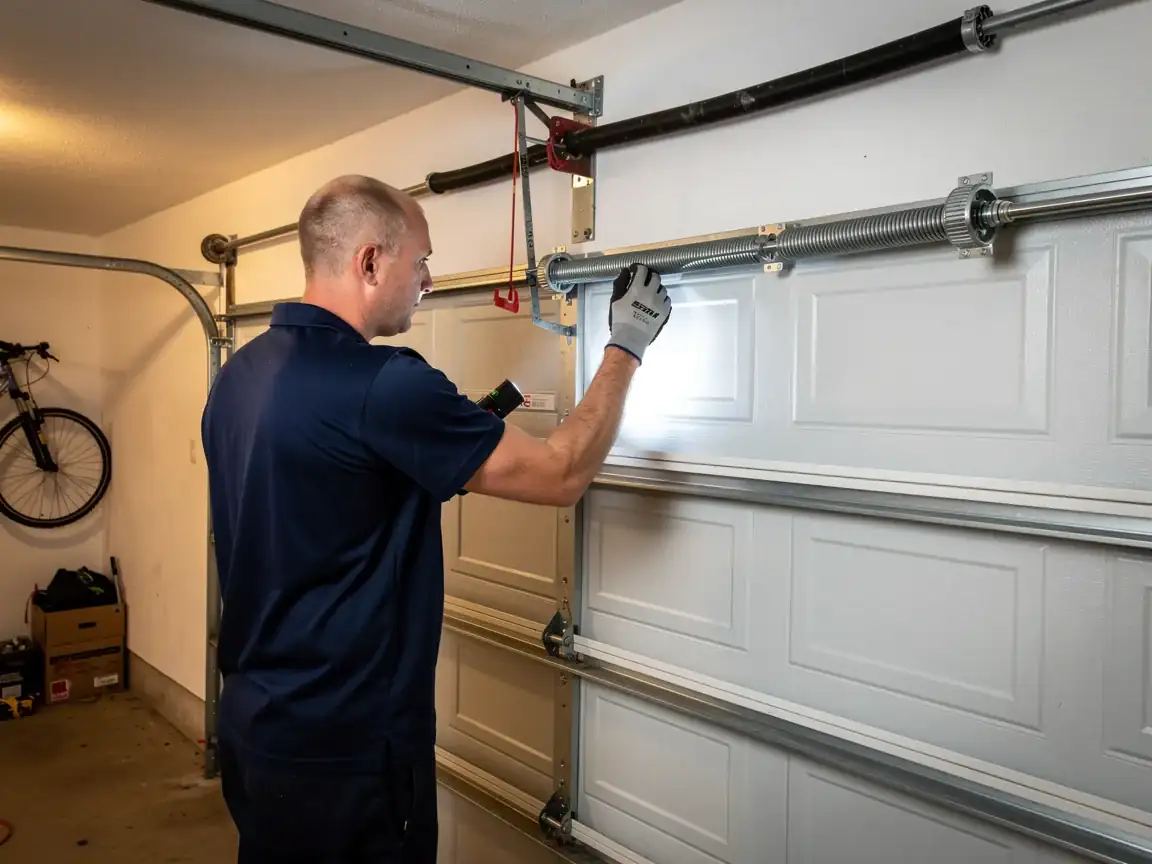
First we check the door off its opener, cycling it by hand to see exactly where it binds or jumps. If it's a single bent track run, we unbolt that section, square the replacement against the jamb, and reset the rollers before testing travel top to bottom. If the cause is a worn roller or a frayed cable, we release spring tension properly, swap the part, and re-tension before putting the door back under power. Either way we check the brackets at the same time - on a door this age, if one bracket has worked loose, the others usually aren't far behind, and it's cheaper to tighten them now than to get called back for the same door in six months.
How it works
From “it’s stuck” to “it’s fixed”
01
Tell us what’s wrong
Describe the symptom - won’t open, loud bang, opener runs but the door won’t move.
02
On-site diagnosis
A technician tests the door under power and by hand and finds what actually failed.
03
Clear, up-front plan
You get the fix that’s needed and what drives the cost - before any work starts.
04
Repaired & tested
The repair is done, the door is set true and tested, and the work area left clean.
Next step
Not sure which repair your door needs in Des Plaines, IL? Describe what it’s doing - every job starts with a diagnosis.
Straight answers about garage door repair in Des Plaines. Still unsure? Ask us directly.
Why did my garage door come off the track if nothing hit it?
On a door built around Bartlett's typical 1992 vintage, the usual cause isn't impact - it's thirty-plus years of wear on the original rollers and cable, or a track bracket that's slowly worked loose from the jamb. Cold weather can be the final push that lets a marginal roller jump the rail.
Do you have a crew based in Bartlett?
No. We work out of Des Plaines, about 15 miles away, and come to you. There's no local depot here, so we ask a few questions on the phone - like whether the door still opens by hand - so we bring the right parts on the first visit.
Is it ever cheaper to replace the whole door instead of fixing the track?
Sometimes, especially if the track is bent in multiple places or the door's original hardware is failing on more than one point at once. We'll tell you on site if repair costs are closing in on replacement rather than let you pay twice.