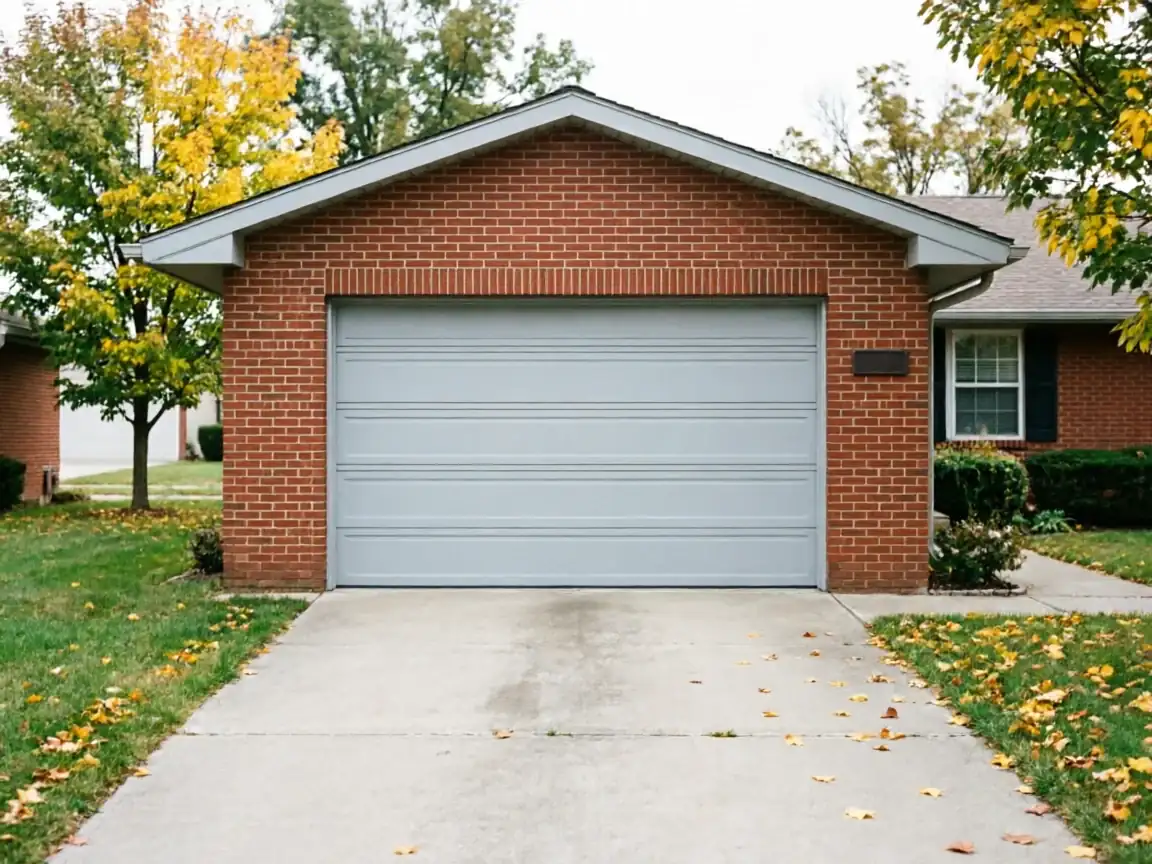
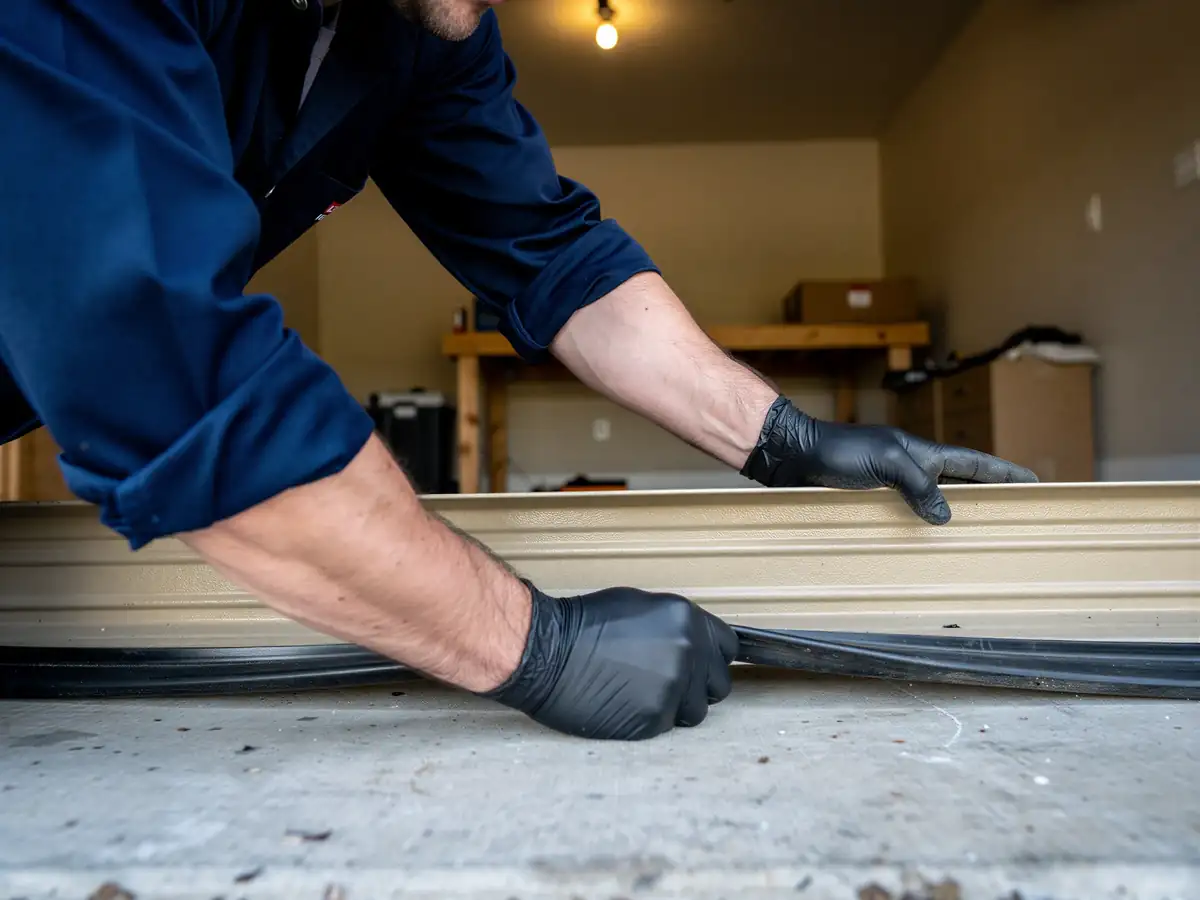
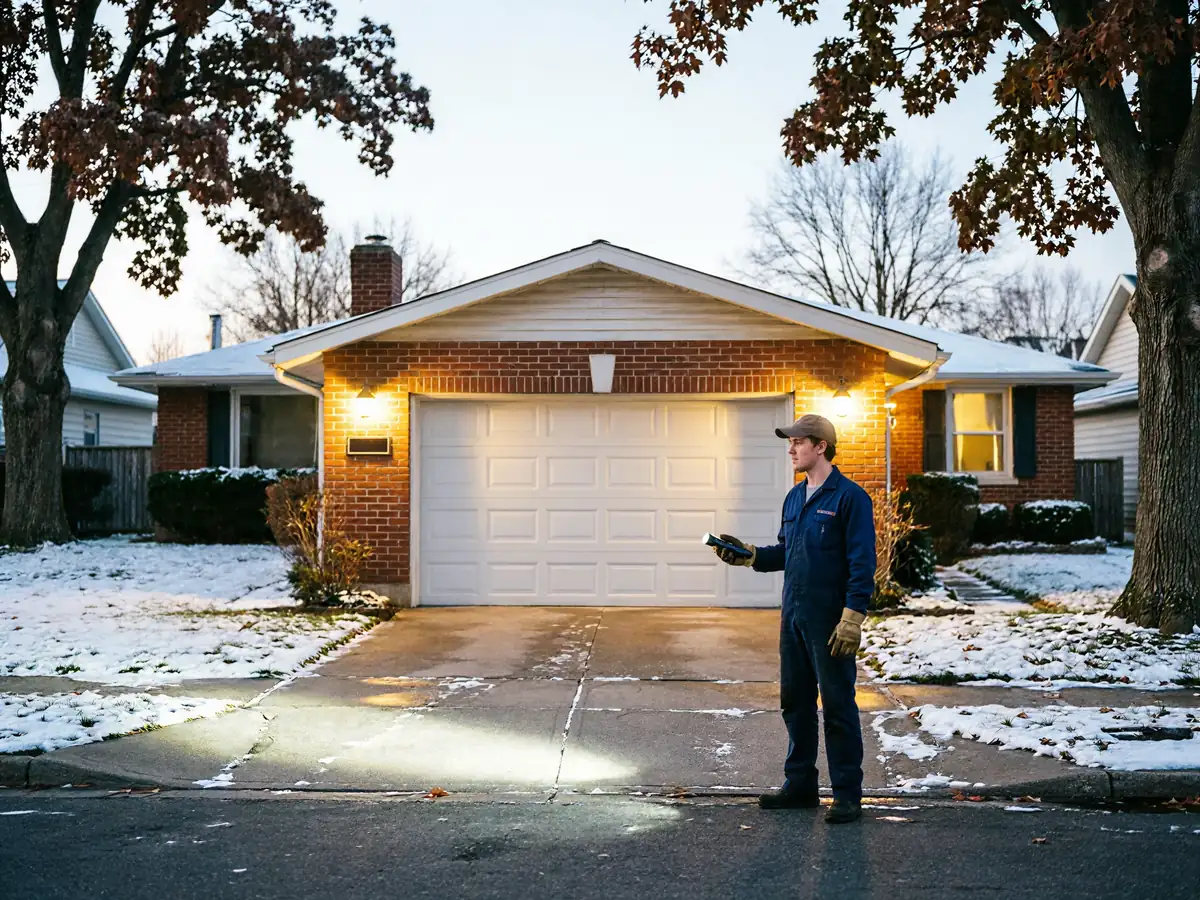
Mount Prospect homes run a few years older than the rest of the service area, which means different spring sizing and hardware. Serviced from Des Plaines, 3 miles out.
Mount Prospect sits about 3 miles from our shop in Des Plaines
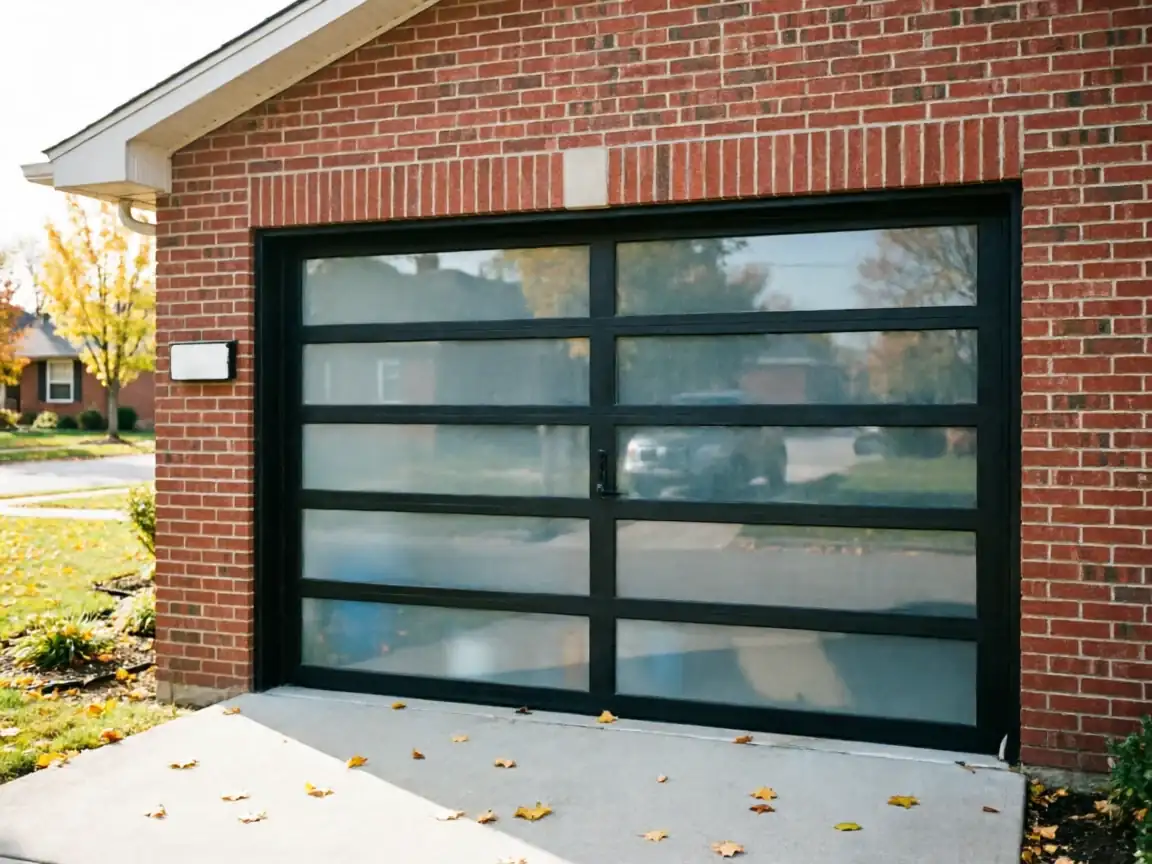
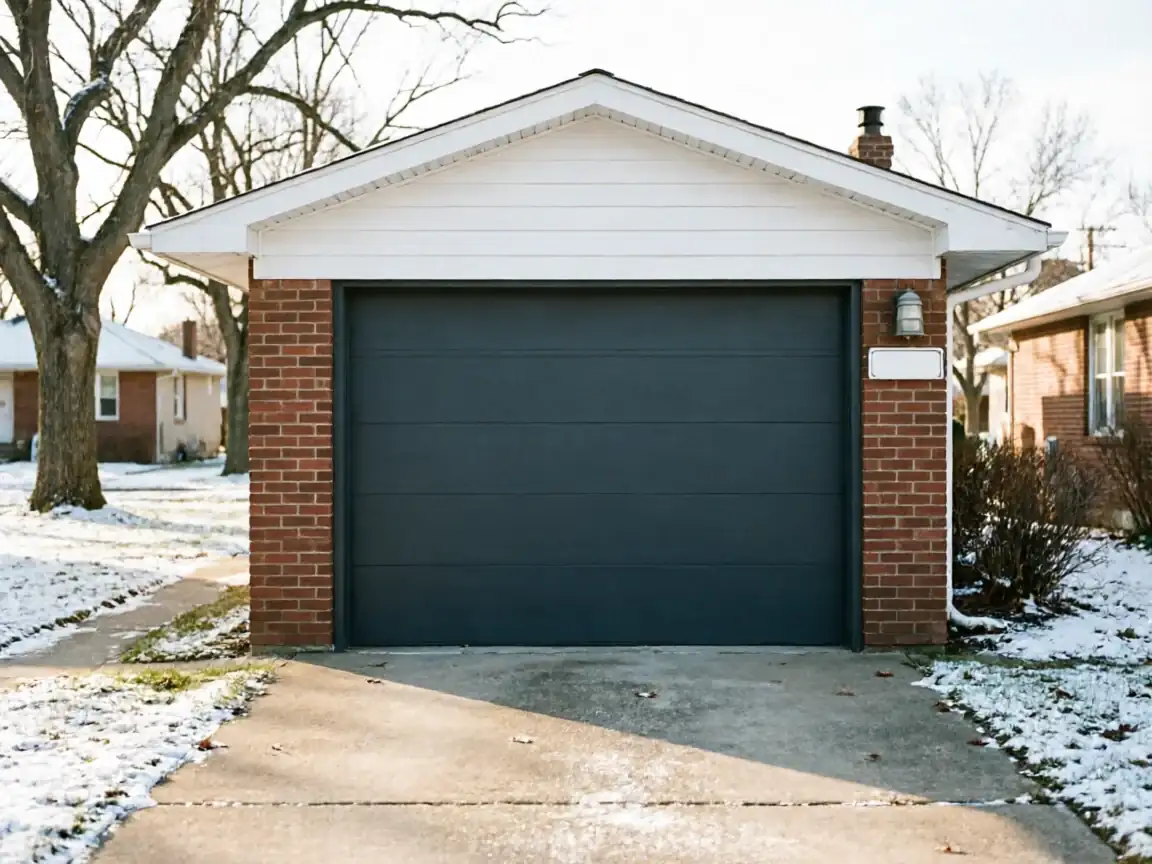
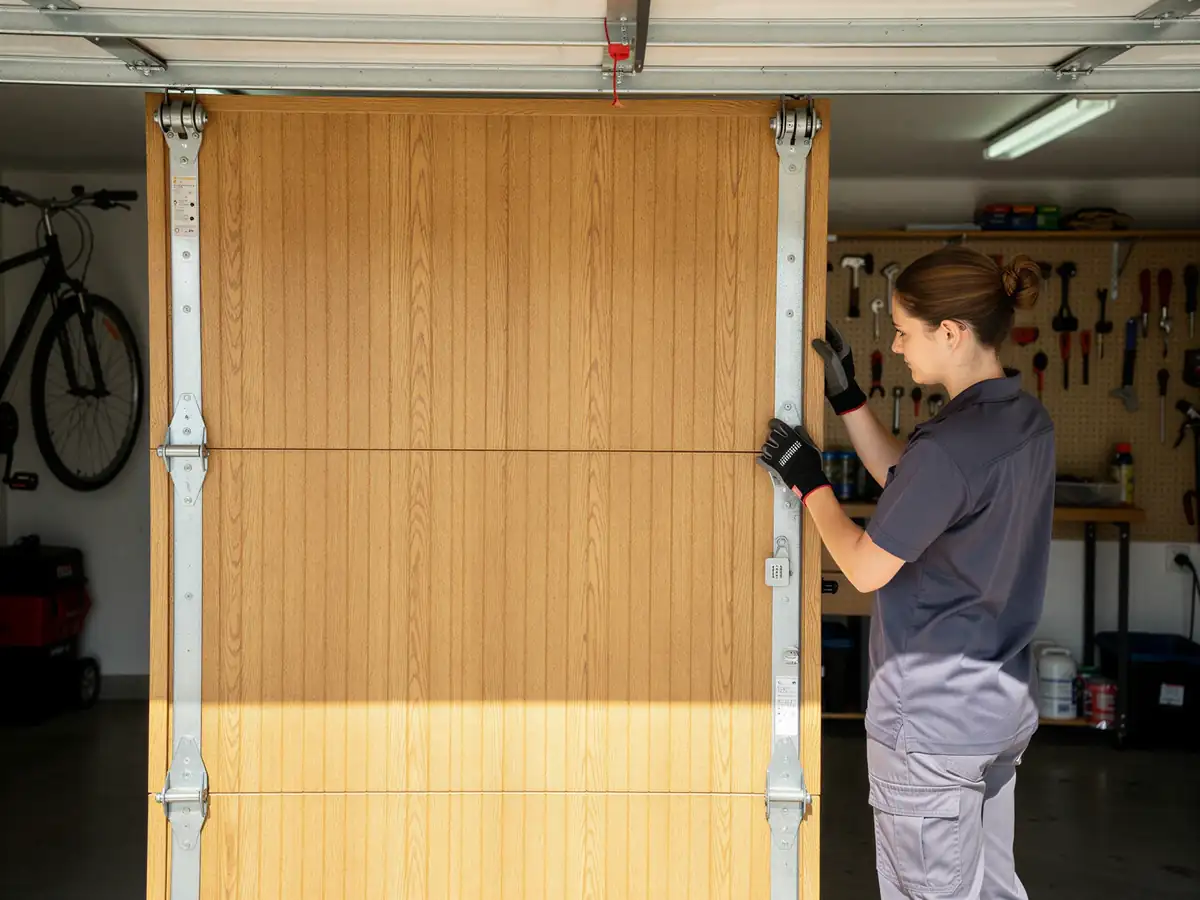
So getting a truck out doesn't add much to the day. What does change the call is the house itself. Across the wider service area the median home was built in 1972, but Mount Prospect's own median build year runs to 1969 - a few years earlier, which doesn't sound like much until you're standing in front of the door. Those extra few years put more of this town's garage doors right at the edge of original hardware: torsion springs sized for a lighter door, openers from before the photo-eye safety standard, track brackets that were never meant to carry a heavier insulated panel if someone swapped the door later without upgrading the spring. When you call in, we ask the build year of the house, not just the symptom, because on a street like this the year tells us half of what we need before we open the garage.
3 miles
02
We book the visit, confirm the door's rough age over the phone if you know it
And bring spring stock sized for both the lighter original doors and the heavier retrofits common in this housing band. That's the only booking detail that's actually different about Mount Prospect versus a newer subdivision - everything else about scheduling is the same conversation.
Doing It Yourself
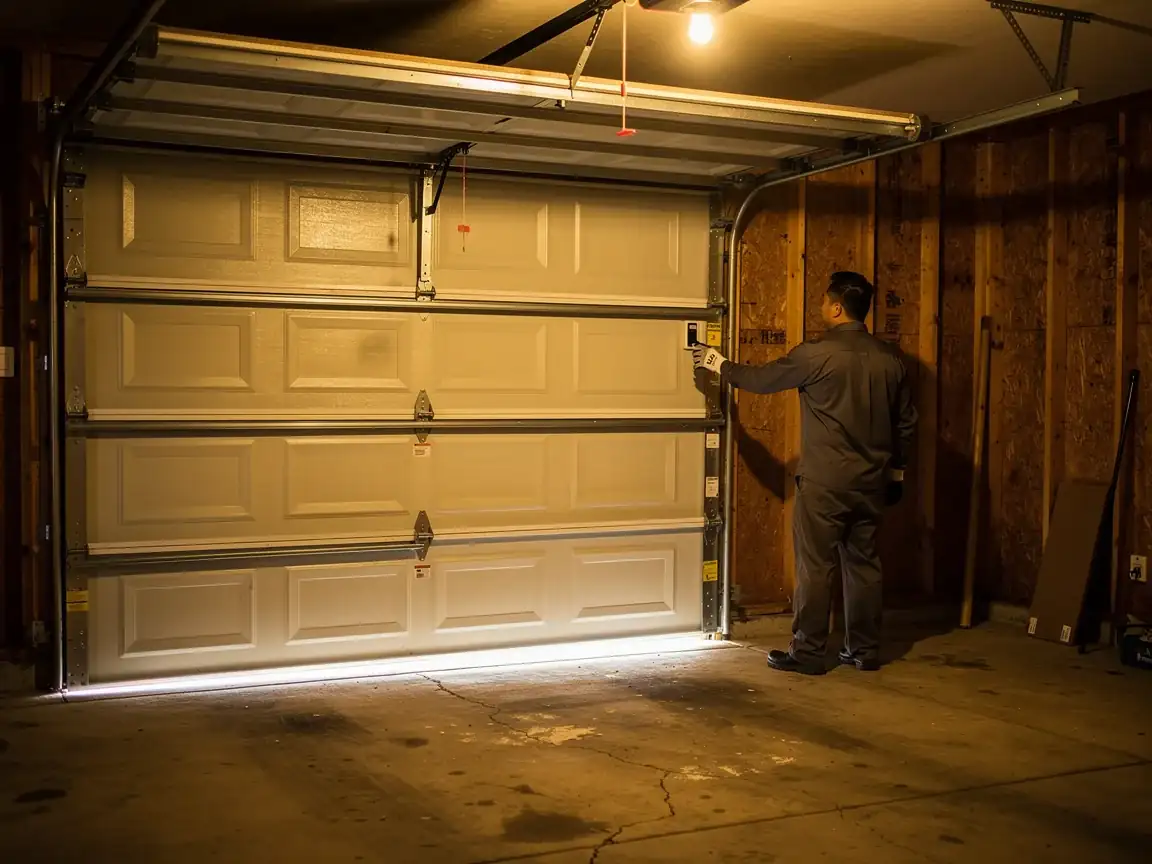
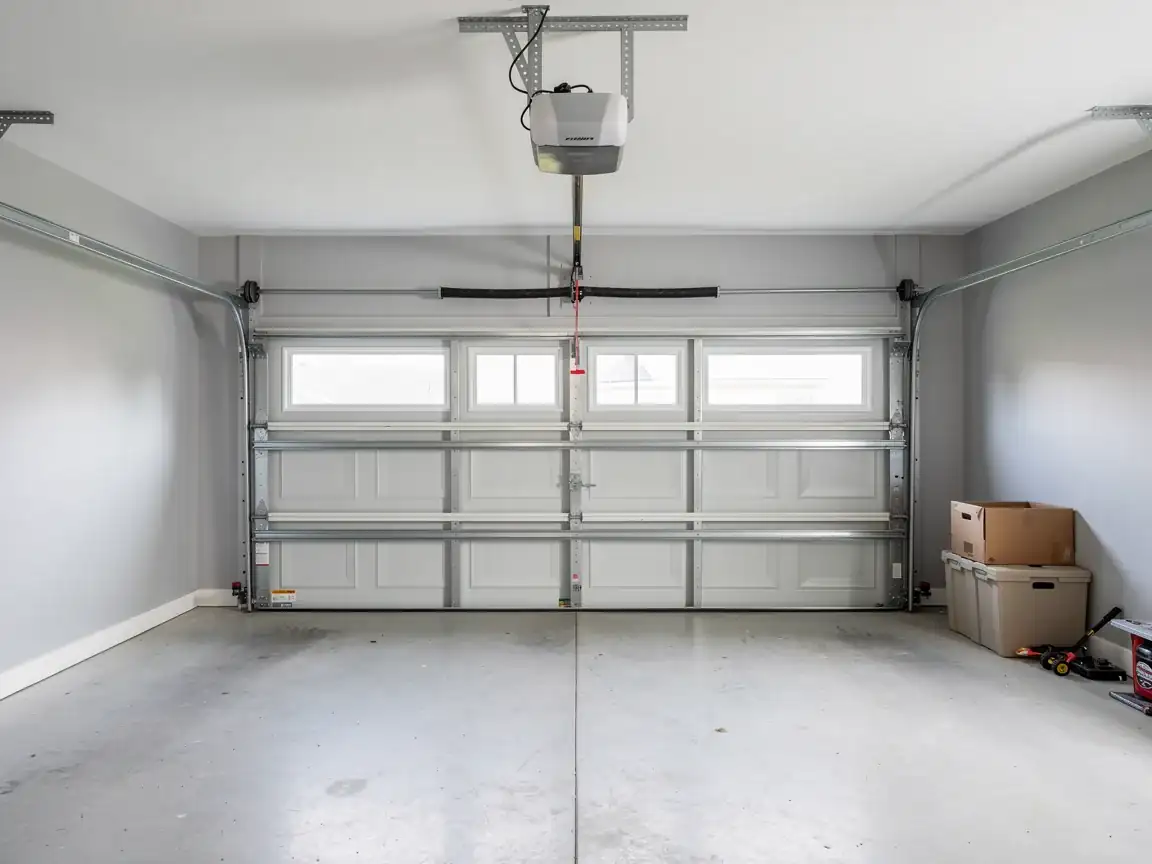
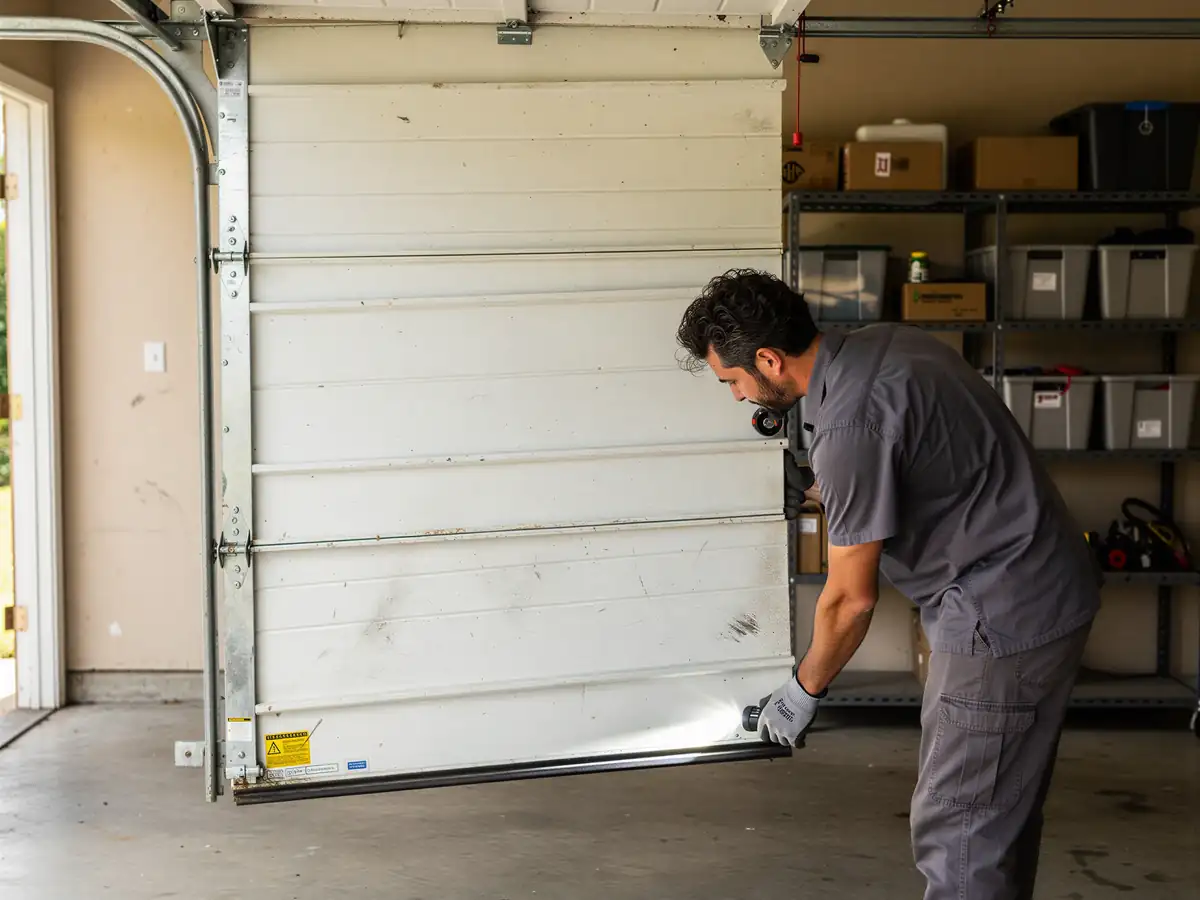
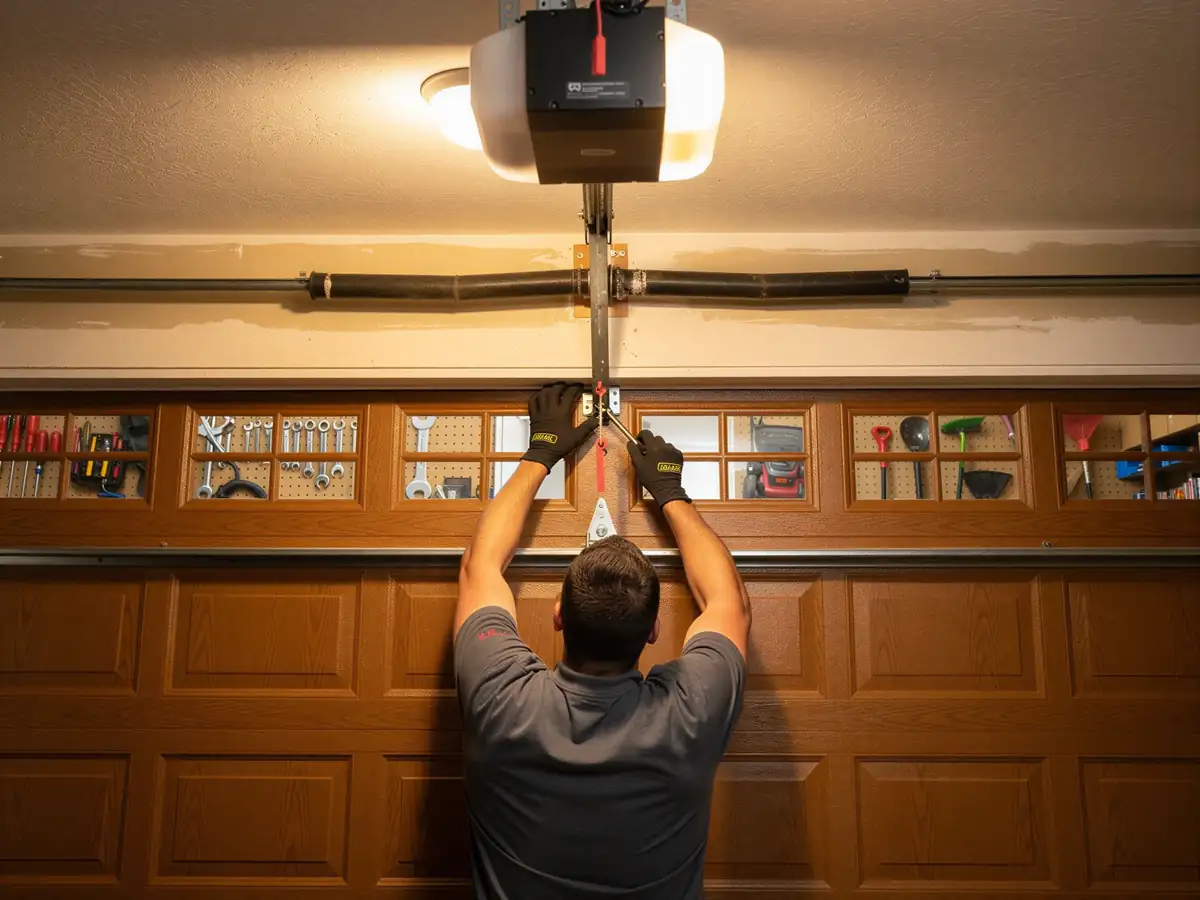
If your door is sticking or noisy and the house falls into that 1960s-70s build band common across this part of the area, there are a couple of things worth checking before you call anyone. Pull the release cord and move the door by hand - if it's hard to lift or drops on its own, that's a spring problem, not a track or opener problem, and no amount of lubricant fixes it. Check whether the opener has a visible test/reverse button or any kind of digital display; units without one are usually old enough that parts are no longer stocked by the maker, and a repair quote on one of those should include a real conversation about replacement instead.
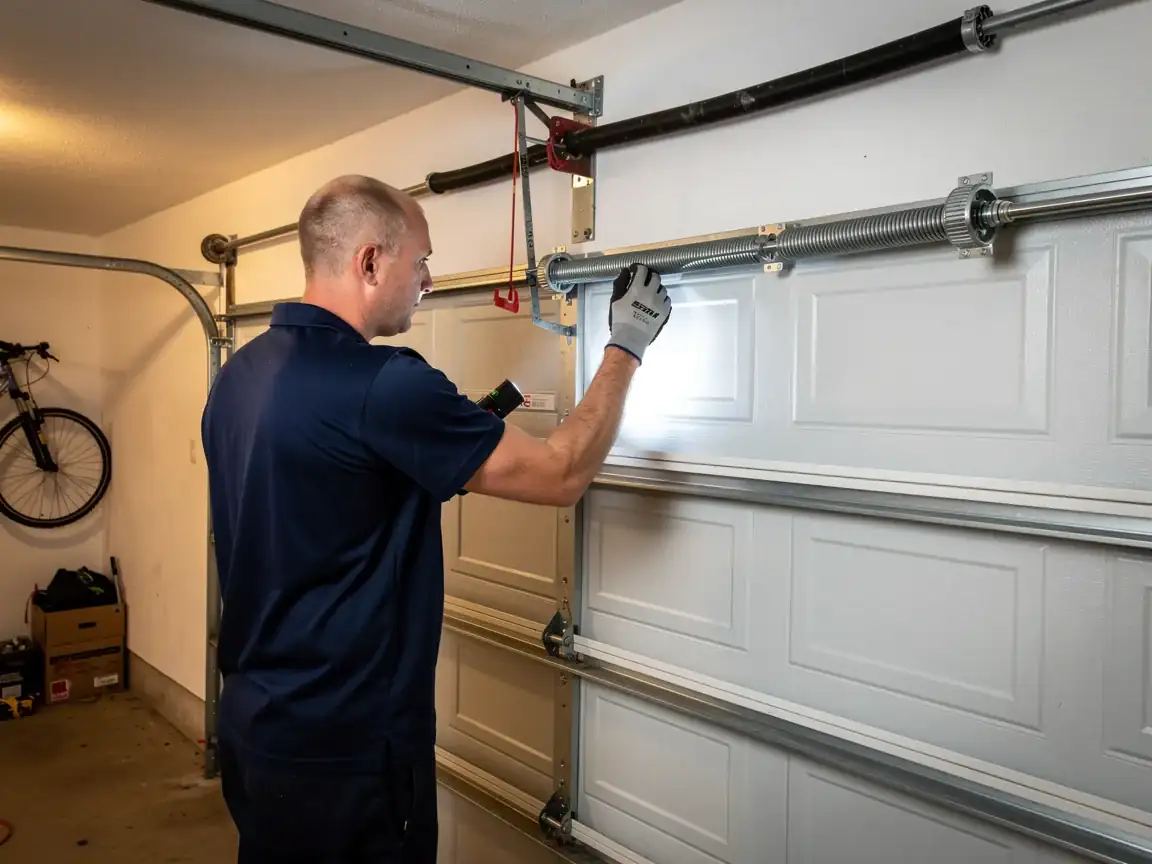
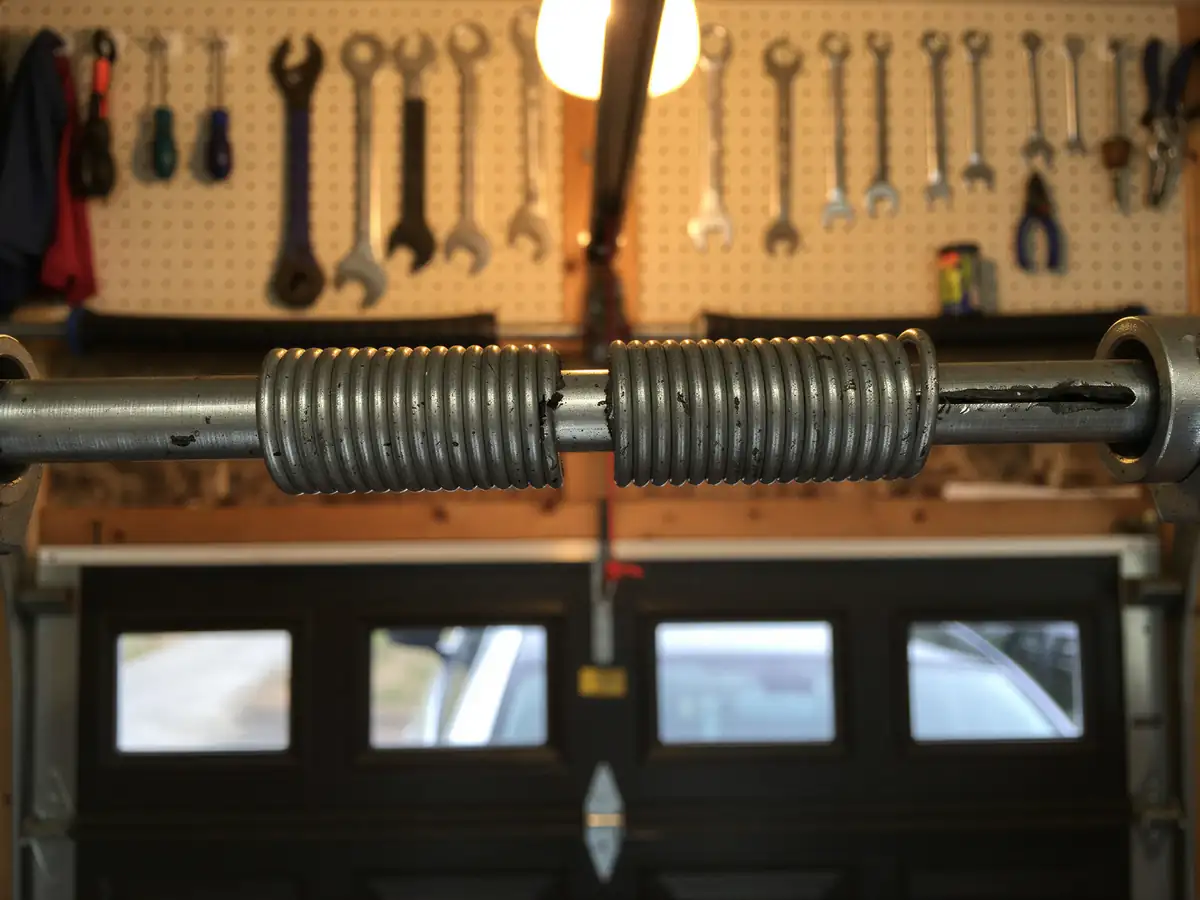
What you shouldn't do yourself: touch the torsion spring itself. It's wound under enough tension to break bones, and on a door this age the spring is almost never the size a hardware store carries off the shelf. Lubricating hinges and rollers with a garage-door-specific spray, tightening visible bolts on the track, and keeping the photo-eye sensors clean and aligned are the limit of what's safe without the right tools. Past that, it's a call, not a weekend project.
How It Shows Up
In a town where the typical house went up around 1969, the failure pattern is predictable. Springs that were correctly sized decades ago are now fatigued from thousands of cycles and tend to go on a cold morning rather than a mild afternoon - the metal is stiffer and less forgiving in low temperatures, which matches the cold-moderate climate band this whole region sits in. Openers from that era, where they haven't already been replaced, tend to fail at the circuit board before the motor itself gives out, so a door that opens but won't close, or closes but won't reverse off an obstruction, is a wiring or board issue more often than a mechanical one.
Household income here runs close to the area median of just over $103,900, and what that tends to mean in practice is that a fair number of these original doors were kept rather than replaced on a renovation schedule - they were maintained instead of swapped, which is a reasonable call on a door that's otherwise sound. It also means when something finally does break, it's often the first real failure that door has had in a long time, and the fix tends to be the spring or the opener board rather than the panel.
What It Costs
01
We don't post flat prices here because the spring size, opener model, and whether a part is still in production all move the number
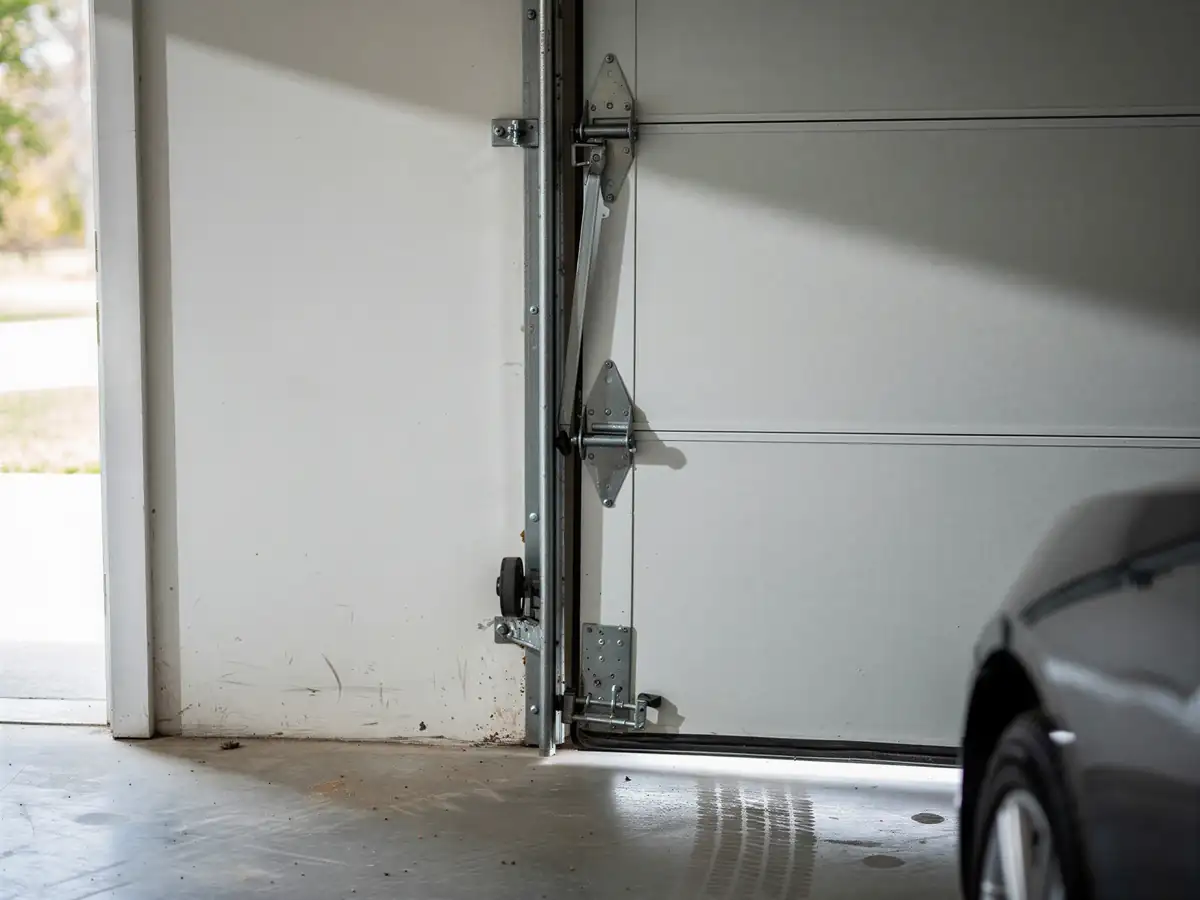
And on a house from this era those three things vary more than they would on something built in the last fifteen years. What we can tell you is what drives the quote up or down: whether the spring is a stock size or needs to be special-ordered, whether the opener board is still made or needs a full unit swap, and whether the track and rollers are original steel or have already been upgraded at some point.
02
One honest limitation
If your opener is old enough that the manufacturer has stopped making boards for it, we're not going to chase down a discontinued part on a promise. Past a certain point, replacing the opener costs less than hunting a part that may not show up, and we'll tell you that plainly instead of running up a repair bill on a dead end.
How it works
From “it’s stuck” to “it’s fixed”
01
Tell us what’s wrong
Describe the symptom - won’t open, loud bang, opener runs but the door won’t move.
02
On-site diagnosis
A technician tests the door under power and by hand and finds what actually failed.
03
Clear, up-front plan
You get the fix that’s needed and what drives the cost - before any work starts.
04
Repaired & tested
The repair is done, the door is set true and tested, and the work area left clean.
Next step
Not sure which repair your door needs in Des Plaines, IL? Describe what it’s doing - every job starts with a diagnosis.
Straight answers about garage door repair in Des Plaines. Still unsure? Ask us directly.
Is my garage door opener too old to repair?
If it's from the same era as a lot of Mount Prospect's housing stock - built around 1969 or earlier - there's a real chance the control board is no longer made. We check the model on site before quoting repair versus replacement, and we'll tell you honestly if a new opener is the better money.
Do you have a branch in Mount Prospect?
No. We run out of Des Plaines, about 3 miles away, and cover Mount Prospect from there. There's no separate local depot, just a short drive for the truck.
Why did my spring break on a cold morning and not during the day?
Cold metal is stiffer and more brittle than warm metal, and this area sits in a cold-moderate climate band where winter mornings put extra load on a spring that's already fatigued from years of cycling. A spring near the end of its life often lets go right when the temperature drops.
Should I replace my whole door or just fix what's broken?
Depends what's failing. A broken spring or a dead opener board on an otherwise sound door is usually a straight repair. If the panels are original steel from the 1960s-70s build era and badly dented or rusted through, replacement often makes more sense than patching a door that age.