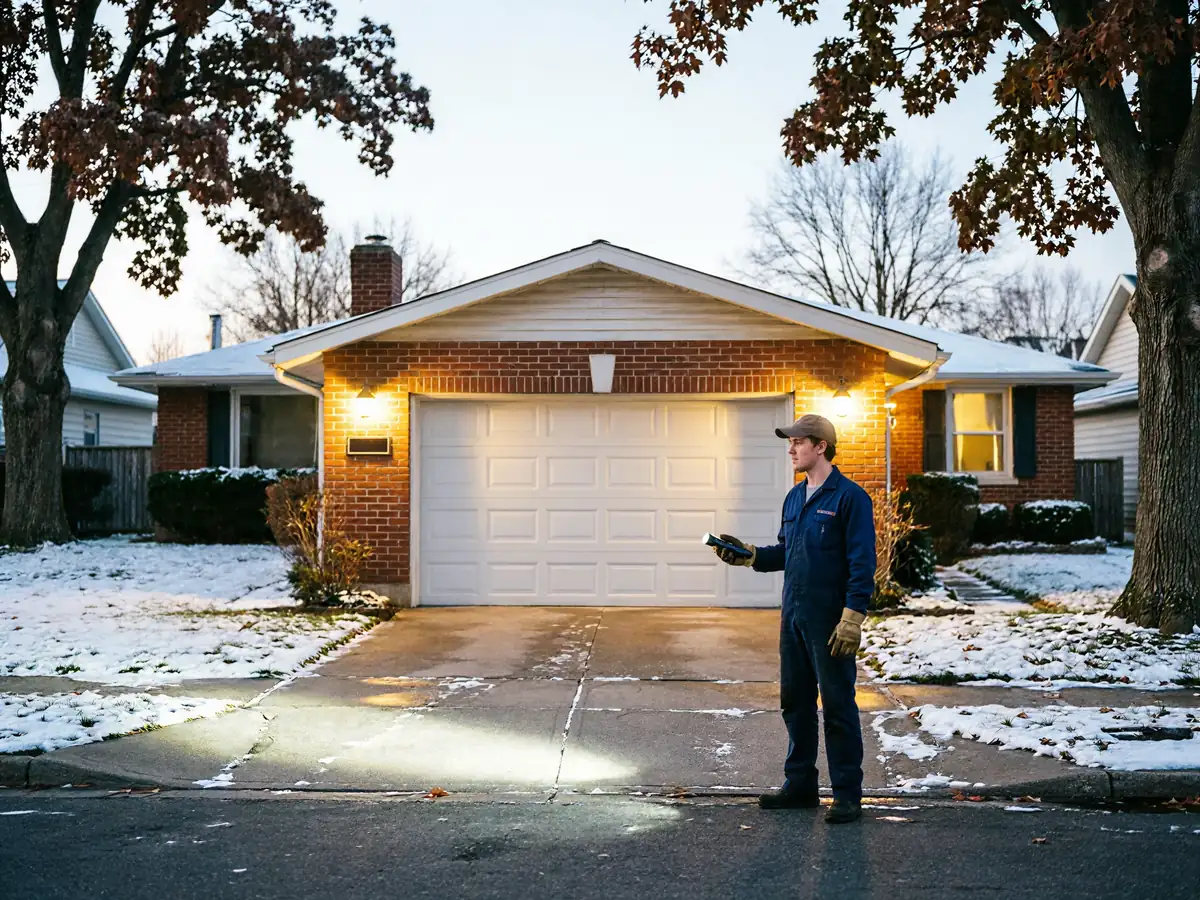
Opener installs for Mount Prospect's 1960s-70s homes, run from our Des Plaines shop 3 miles away. Matched hardware, straight talk on cost, no guesswork.
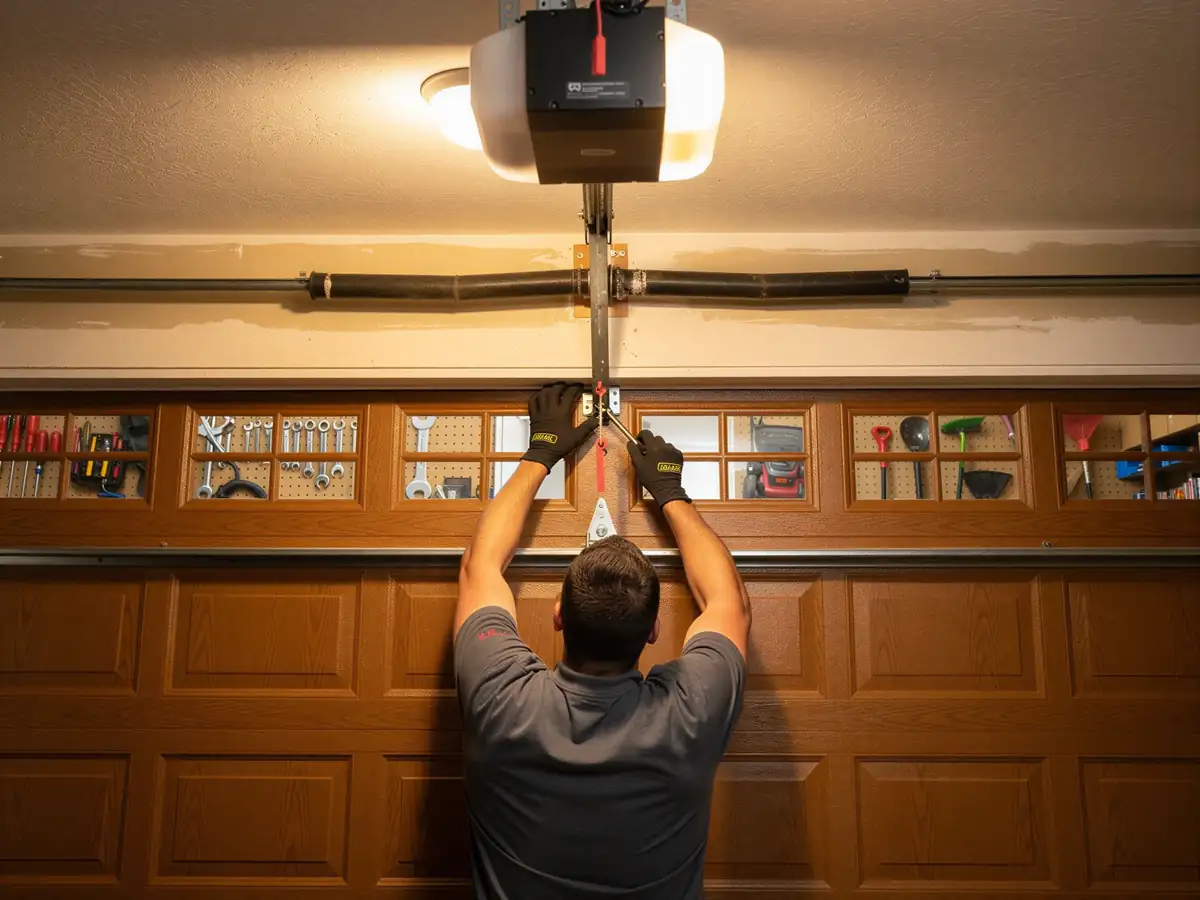
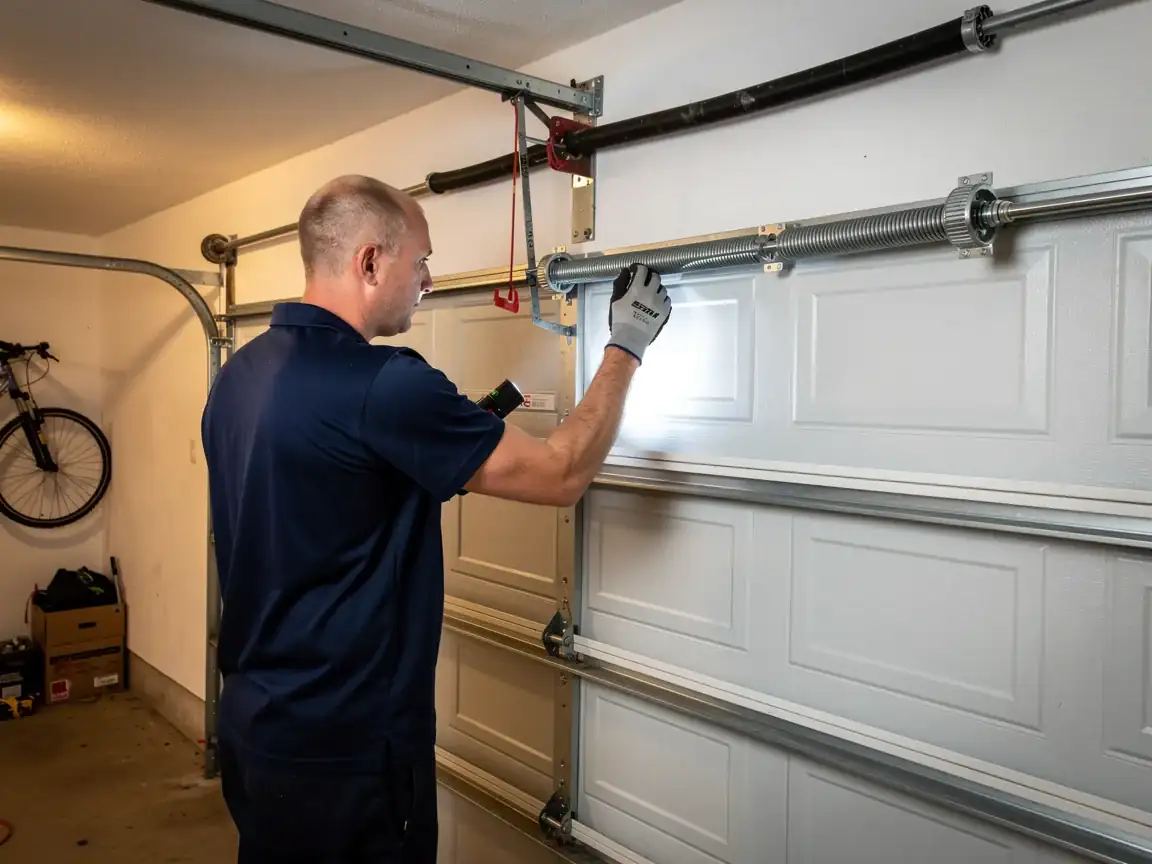
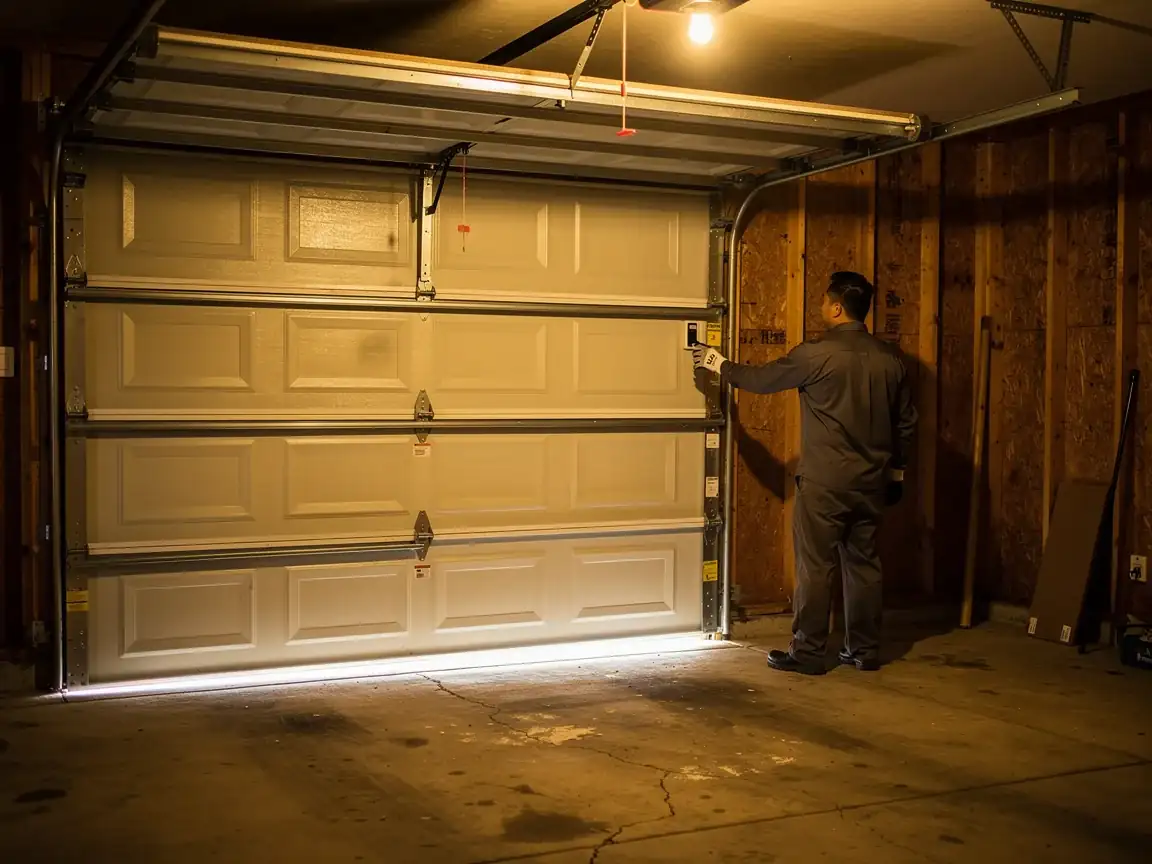
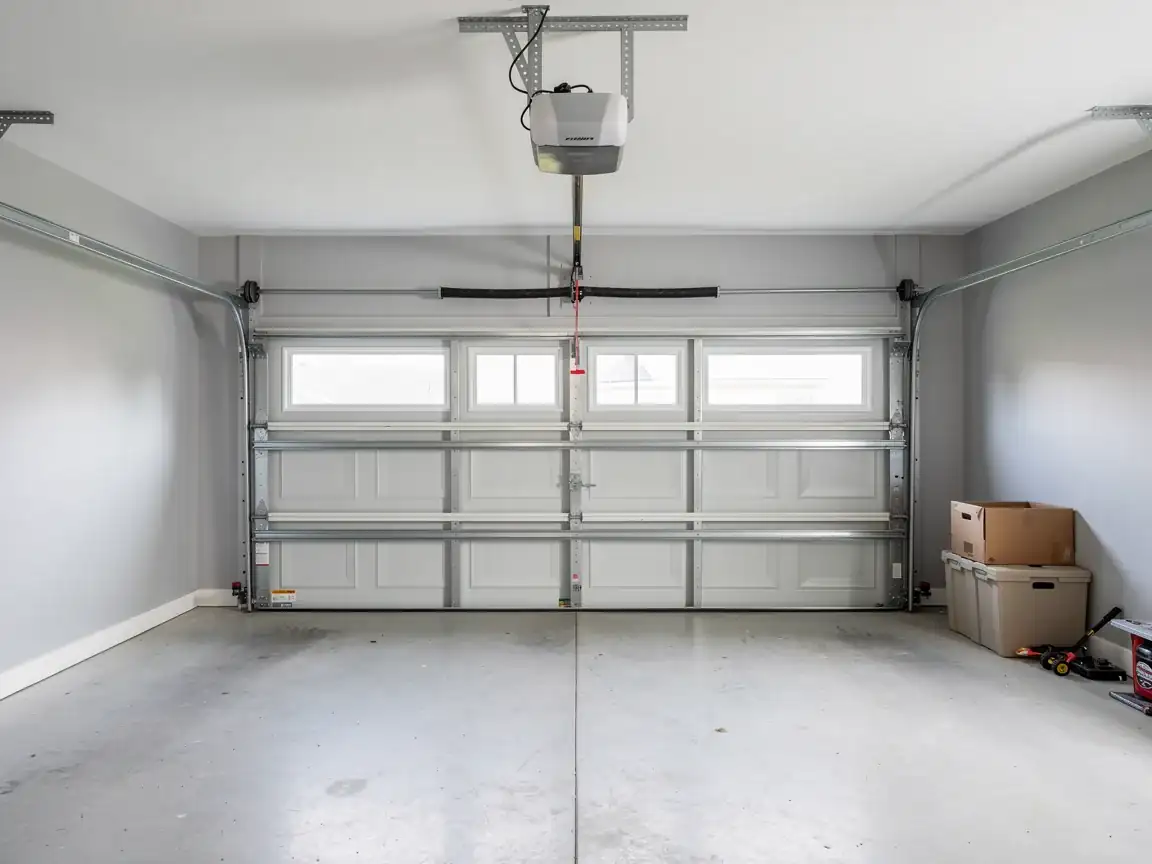
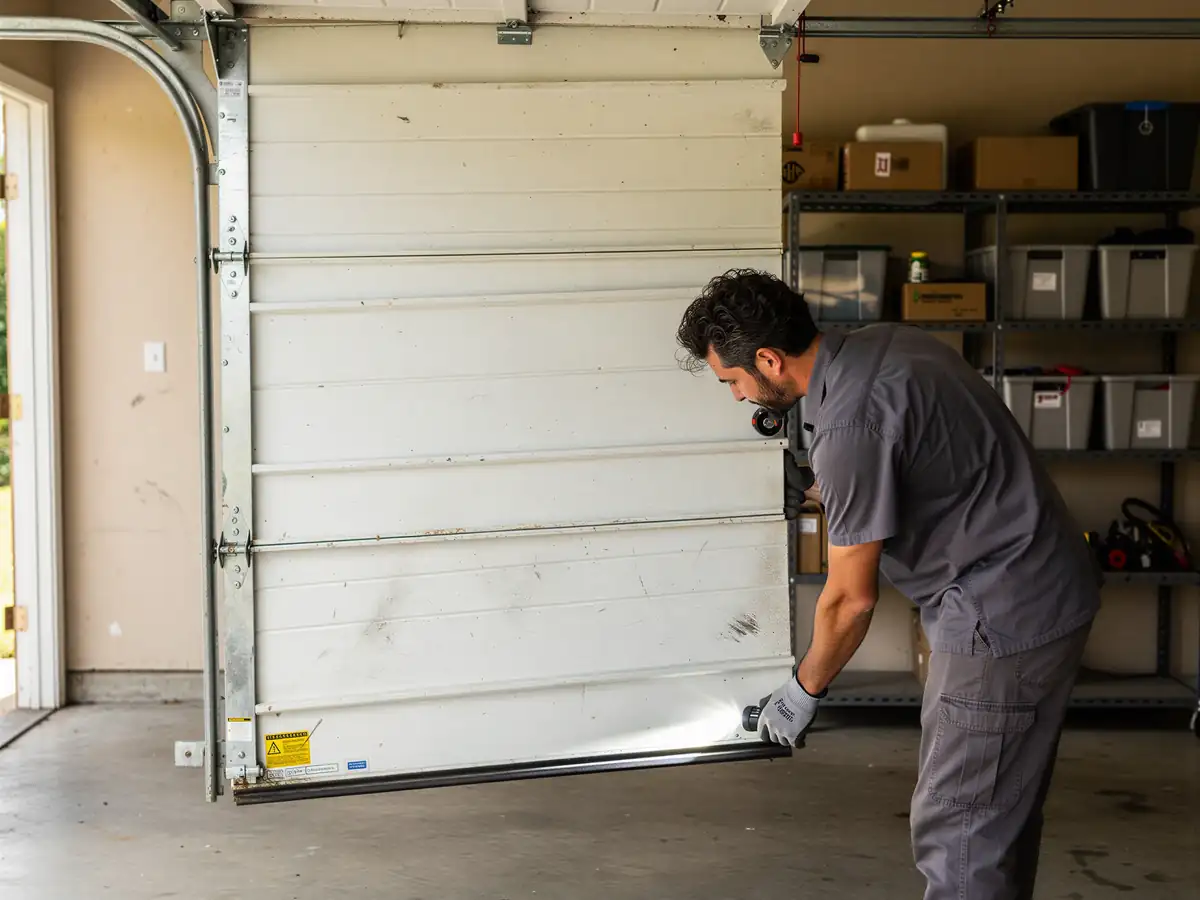
Which in practice means a Mount Prospect opener job doesn't have to wait on a long crosstown slot - it's a short run from our Des Plaines base, not a half-day trip. That matters more than it sounds like, because opener work is rarely a single fast visit. We need to look at the door itself first: the track alignment, the spring tension, whether the header above the door has the clearance a newer opener wants. On a lot of the houses out this way, that header was built for hardware from decades ago, and the opener has to be matched to what's actually there, not swapped in blind.
02
When you call, tell us the brand and age of what's on the ceiling now, if you know it, and whether the door itself has ever been worked on
That lets us bring the right opener and the right bracket kit on the first trip instead of a second one. We book the visit around getting it right once, not around how close we are - the distance just means less dead time between the call and the work starting.
Doing It Yourself
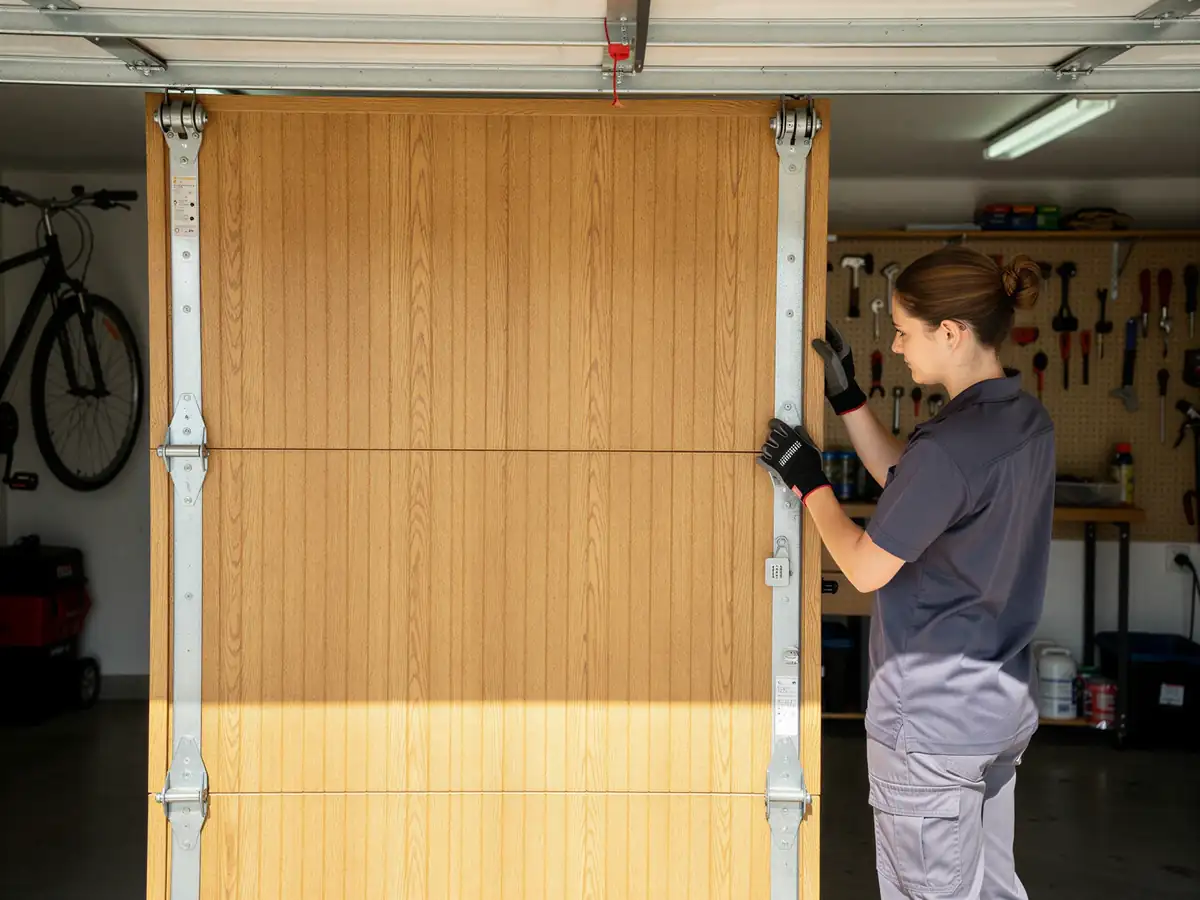
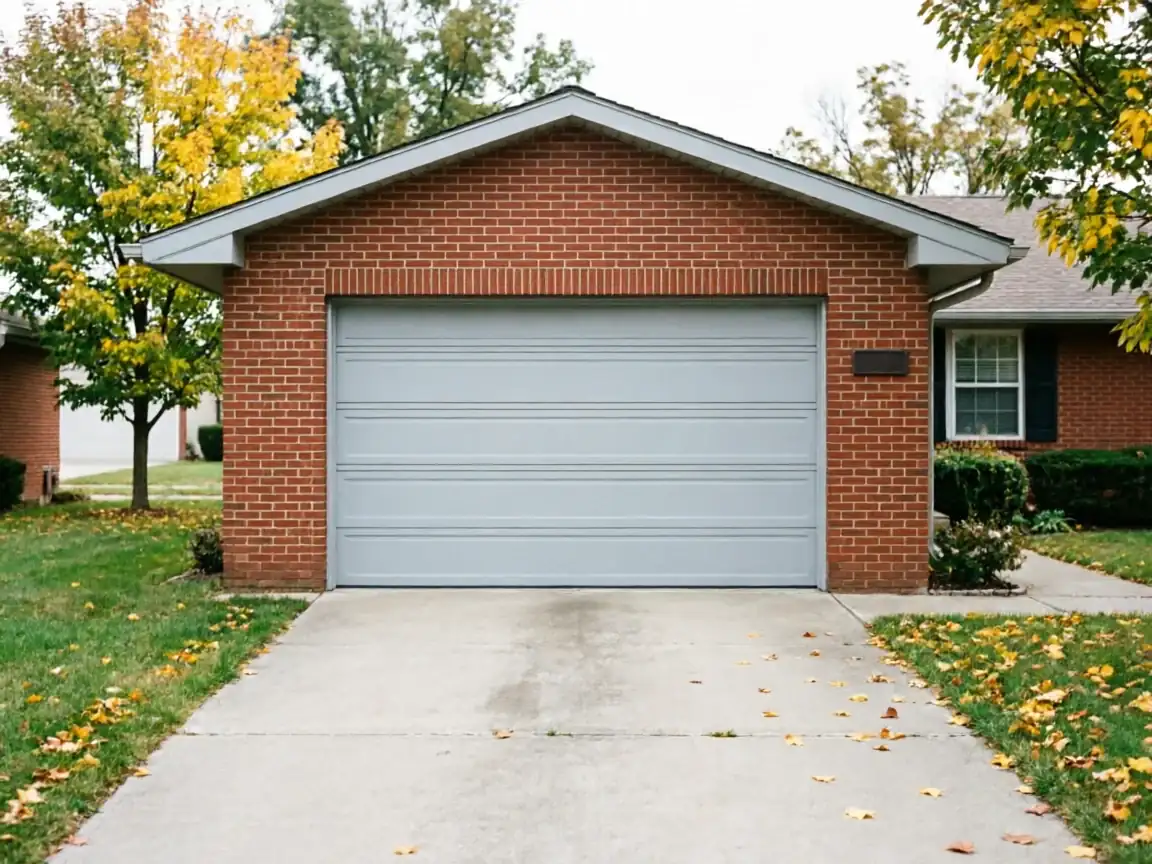
A lot of homeowners can swap a wall button or reprogram a remote without calling anyone. Where it stops being a DIY job is the opener itself - the motor unit, the rail, and especially the safety sensors. Mount Prospect's housing stock runs mostly 1960s and 70s construction, with a lot of garages built when doors were lighter, single-panel steel without the insulation and reinforcement common now. An opener rated for a modern door can overdrive an older, lighter one, or undermount brackets can tear loose from wood framing from the same era.
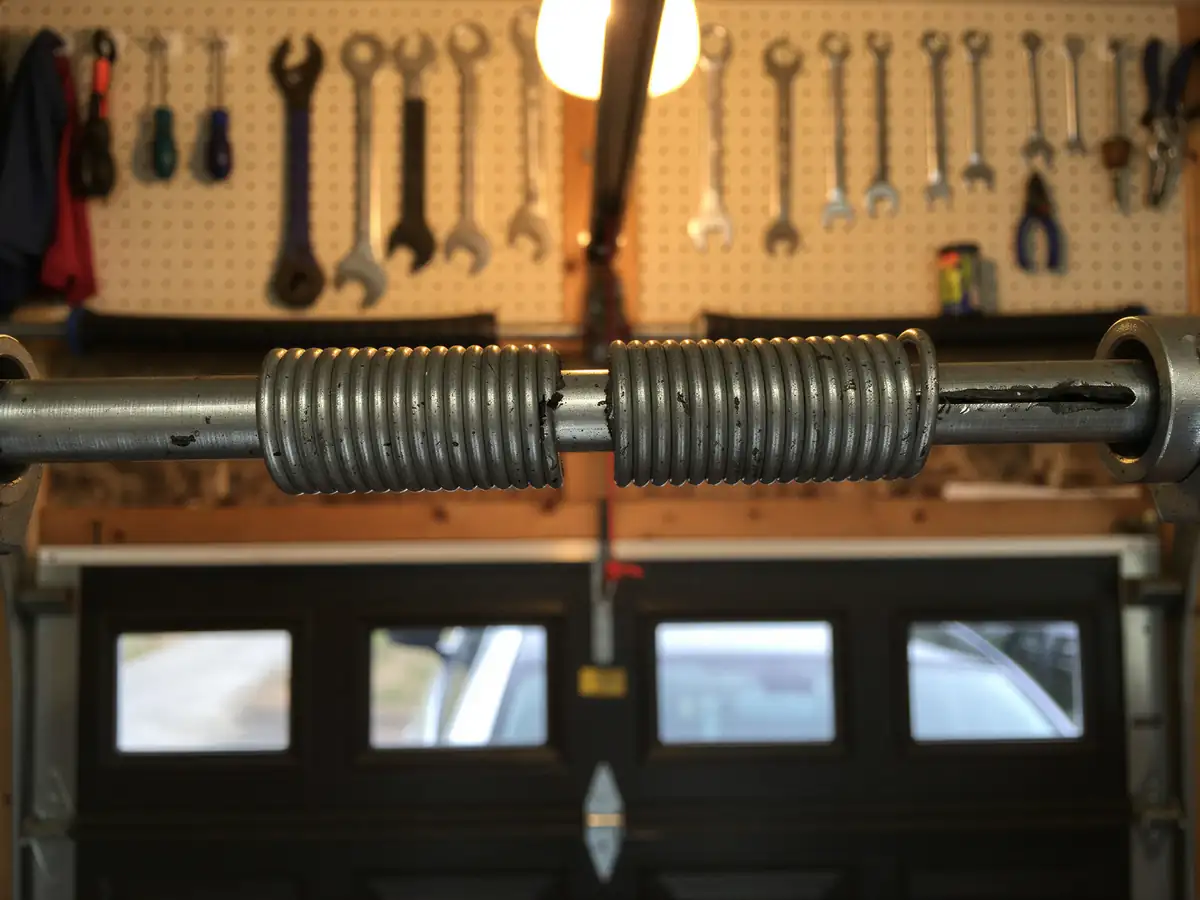
The other thing people underestimate is spring tension. On an older door the torsion spring is often already near the end of its rated cycle count, and hanging a new opener on it without checking the spring first just moves the failure point - you get a new opener driving a door that's about to break anyway. If you're comfortable with basic tools, swapping a keypad or sensor eye is fine. Anything that touches the motor mount, the rail bracket, or the drive chain on a garage built in this era is where we'd rather you call first than find out the hard way.
How It Shows Up
Chicago-area winters put real load on an opener that a mild-climate house never sees. Cold, moderate-humidity conditions mean the gearing works harder in January than July, and on homes from the 1960s and 70s the original opener - if it's even still original - was never built for the duty cycle a modern household puts on a garage door. We see openers here fail in a specific pattern: the motor strains and stalls partway up on cold mornings before it finally gives out, rather than dying all at once.
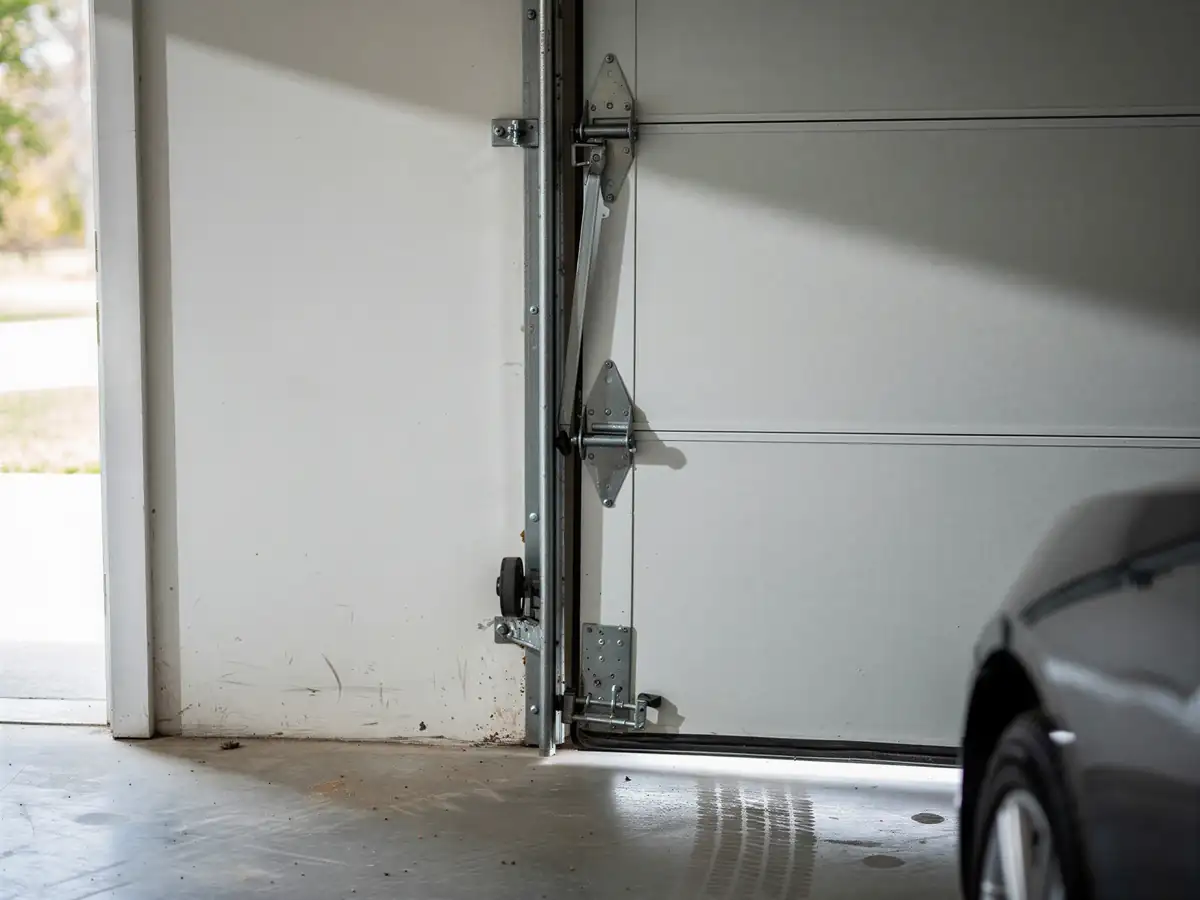
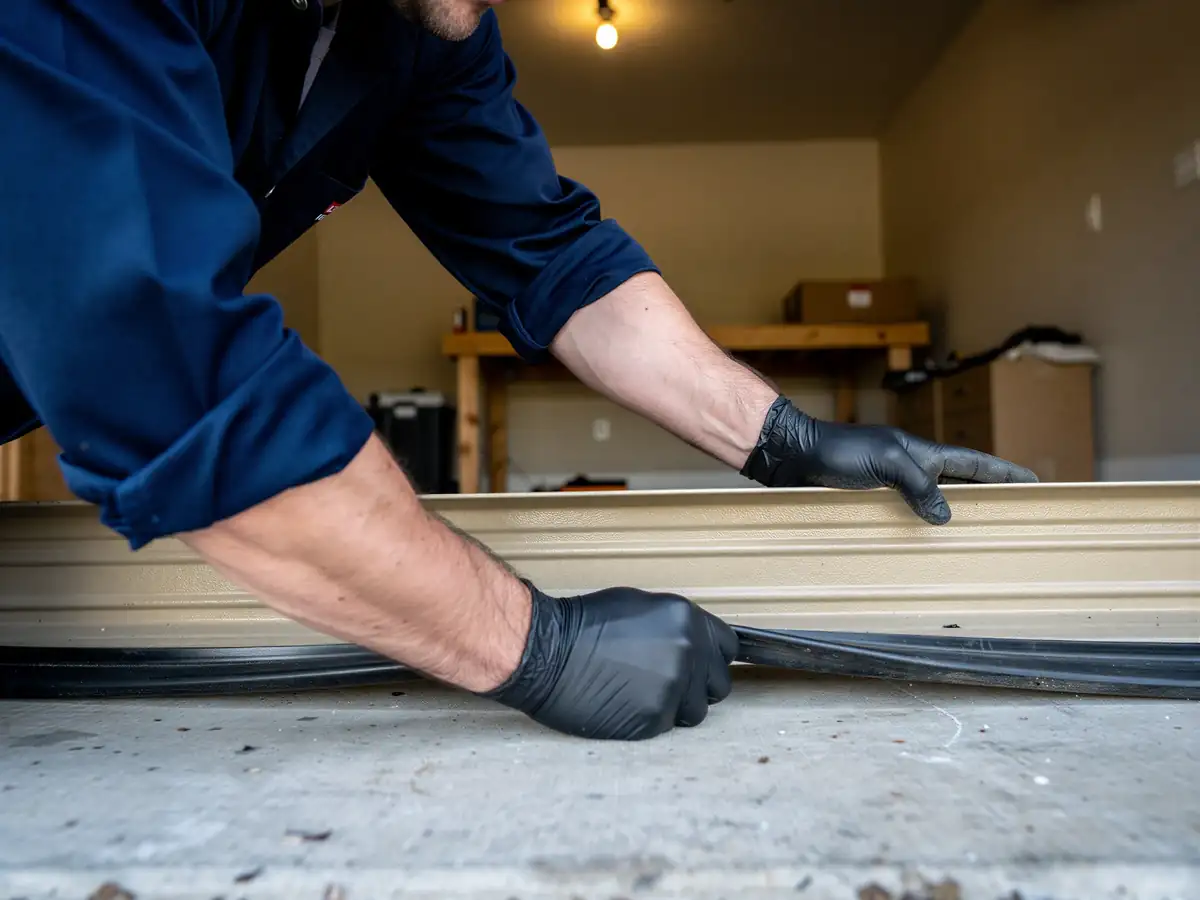
The other local pattern is mismatched replacements. Somewhere along the way a lot of these doors got a newer opener bolted onto original 1960s-70s track and hardware, because that's what was on the shelf at the time. That works until the old track starts fighting the newer motor's pull, and you get grinding, drift, or a door that reverses for no clear reason. When we install an opener here, we check the track and rollers against it, not just the motor - half the job is making sure the hardware underneath the new unit is actually ready to carry it.
What It Costs
01
We don't have a flat number to post here
Cost depends on the opener you choose, what shape your track and spring are in, and whether we're replacing a dead unit or dealing with mismatched old hardware first. What we can tell you is what drives the price up or down on a typical Mount Prospect job: houses from the 1969 median build year sometimes need a bracket or header modification that a newer house wouldn't, and that's extra labor, not a markup.
02
One honest limit: if your track and rollers are worn out
We're not going to quote you a bare opener swap and call it done, because the new motor will just fail against bad hardware within a season. We'll tell you up front if the opener isn't the real fix. Call and describe what you've got - brand, age, whether the door sticks or drifts - and we'll give you a number before anyone drives out.
How it works
From “it’s stuck” to “it’s fixed”
01
Tell us what’s wrong
Describe the symptom - won’t open, loud bang, opener runs but the door won’t move.
02
On-site diagnosis
A technician tests the door under power and by hand and finds what actually failed.
03
Clear, up-front plan
You get the fix that’s needed and what drives the cost - before any work starts.
04
Repaired & tested
The repair is done, the door is set true and tested, and the work area left clean.
Next step
Not sure which repair your door needs in Des Plaines, IL? Describe what it’s doing - every job starts with a diagnosis.
Straight answers about garage door repair in Des Plaines. Still unsure? Ask us directly.
How far out is Mount Prospect from your shop?
About three miles from our Des Plaines location. It's a short drive, so scheduling an opener install here isn't held up by distance - the time on a job goes into inspecting the door and matching the opener, not travel.
Can you just install a new opener on my old door without touching anything else?
Sometimes, but not always. A lot of Mount Prospect garages have track and spring hardware from the 1960s and 70s. If that hardware is worn, bolting a new motor to it just moves the failure point. We'll check it first and tell you honestly if more than the opener needs attention.
Does the cold affect garage door openers here?
Yes. This area sits in a cold, moderate climate band, and openers work harder through winter than summer. Older units, especially ones already near the end of their life, tend to stall or strain on cold mornings before failing outright.
My opener is newer but the door is original - is that a problem?
It can be. Houses here were mostly built between the late 1930s and the mid-1990s, median around 1969, and a lot of original track and rollers are still underneath newer openers. If the track fights the new motor's pull, you'll see grinding or random reversing.